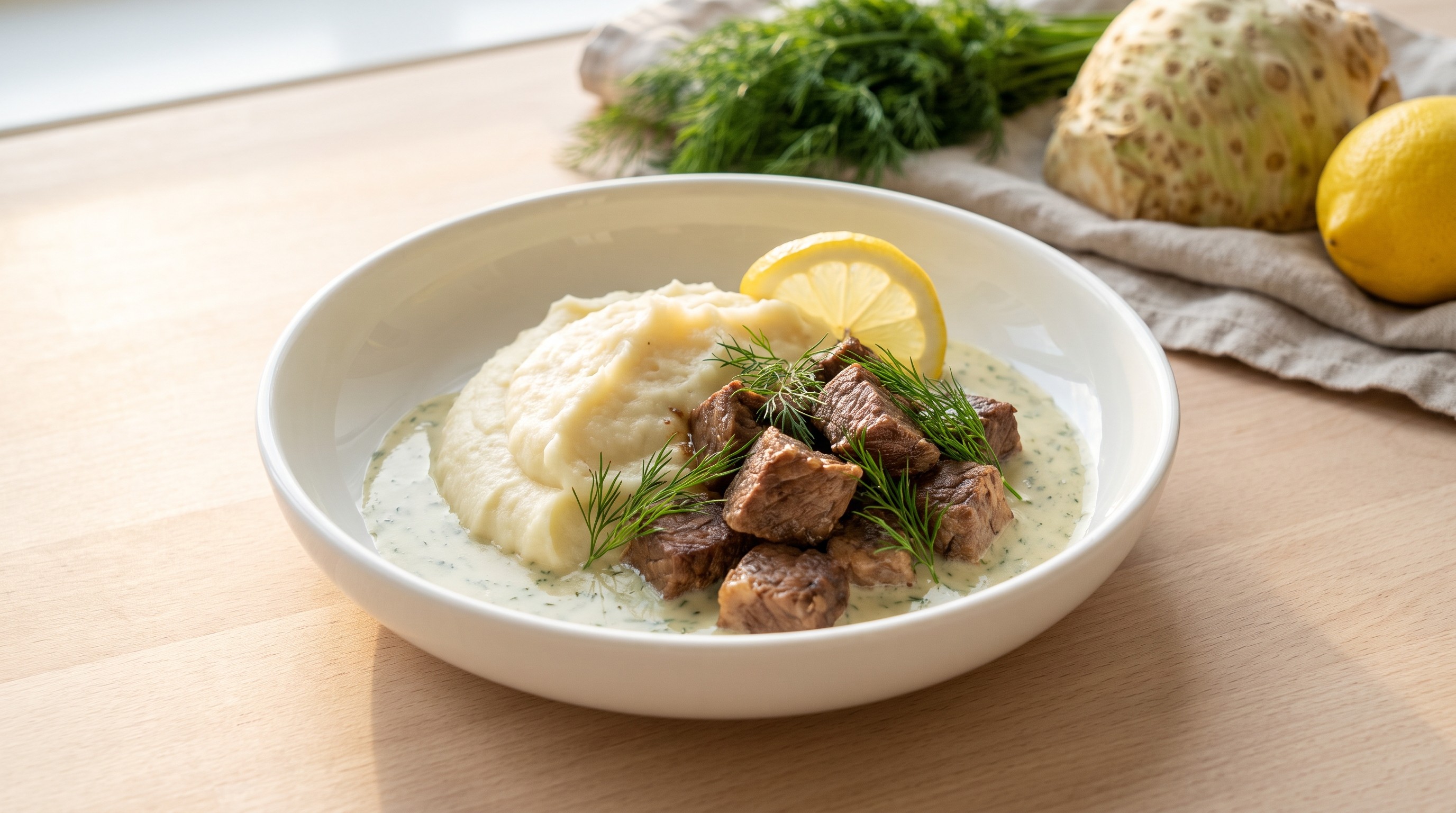
Dillkött with Celeriac Mash
Fork-tender beef braised in dill sauce over creamy celeriac mash — a classic Swedish comfort dish that keeps blood sugar steady with its naturally low-glycemic swap.
Dillkött is one of Sweden's most beloved home-cooked dishes, and this version stays true to its cosy roots while making one brilliant low-glycemic swap: celeriac mash instead of boiled potatoes. With a glycemic index of roughly 35 compared to potato's 78, celeriac delivers the same creamy, comforting base without the sharp blood-sugar spike — and its subtle celery-like sweetness pairs beautifully with the dill-scented sauce.
Beef chuck provides slow-digesting protein and iron, keeping you satiated for hours and helping to blunt any postprandial glucose rise. The sauce is built on real beef stock and finished with sour cream and a generous shower of fresh dill, so every spoonful is rich without relying on flour or starch thickeners. A squeeze of lemon at the end adds brightness and a touch of acidity, which studies suggest can further moderate glucose response when consumed with a meal.
For the best blood-sugar results, start with a few bites of the celeriac mash on its own — eating vegetables before protein and fat has been shown to flatten the glucose curve. Pair this dish with a simple side salad dressed in vinegar for an extra glycemic advantage, or enjoy it on its own for a satisfying weeknight dinner that clocks in at just 60 minutes from cutting board to table.
Blood Sugar Impact
Very low blood sugar impact expected. The combination of protein-rich beef, healthy fats from butter and sour cream, and low-GI celeriac mash (GL 8.7, GI 38) should produce a gentle, sustained rise with stable energy for 3-4 hours.
Blood Sugar Tips
- ✓ Eat the beef and sour cream-dressed portions first before the celeriac mash to slow gastric emptying and blunt any glucose rise.
- ✓ Take a 10-15 minute walk after the meal to help your muscles absorb blood glucose more efficiently.
- ✓ Keep portion size of the celeriac mash moderate — while low-GI, larger servings will still raise the glycemic load proportionally.
🥗 Ingredients
- 350 g Beef chuck
- 25 g Butter
- 1 pcs Yellow onion
- 400 ml Beef stock
- 1 pcs Bay leaf
- 4 pcs Allspice berries
- 0.75 tsp Salt
- 1 tsp White pepper
- 300 g Celeriac
- 60 g Sour cream
- 15 g Dill
- 1 tbsp Lemon juice
- 12.3 oz Beef chuck
- 0.9 oz Butter
- 1 pcs Yellow onion
- 1.7 cups Beef stock
- 1 pcs Bay leaf
- 4 pcs Allspice berries
- 0.75 tsp Salt
- 1 tsp White pepper
- 10.6 oz Celeriac
- 2.1 oz Sour cream
- 0.5 oz Dill
- 1 tbsp Lemon juice
👨🍳 Instructions
- 1
Prepare all the ingredients before you begin cooking. Cut the beef chuck into roughly 3 cm cubes and pat them dry with a paper towel — dry surfaces brown better. Peel the celeriac and chop it into 2 cm pieces. Dice the onion finely. Chop the dill, setting aside a small pinch of fronds for the final garnish.
- 2
Heat a heavy-bottomed pot or Dutch oven over medium-high heat. Add 15 g of the butter and let it foam. Working in a single layer, sear the beef cubes on all sides until deeply golden, about 4 minutes total. Transfer the browned beef to a plate and set aside — the caramelised fond left in the pot will flavour the sauce.
- 3
Lower the heat to medium. Add the diced onion to the same pot and sauté in the residual fat for about 2 minutes until softened and translucent. Return the beef along with any juices that have collected on the plate.
- 4
Pour in the beef stock and add the bay leaf, allspice berries, half the salt, and the white pepper. Bring the liquid to a gentle simmer — not a rolling boil, which can toughen the beef. Cover the pot with a lid slightly ajar and let it cook at a lazy bubble for 35 minutes, or until the beef is completely fork-tender.
- 5
While the beef simmers, place the celeriac cubes in a separate saucepan and cover with lightly salted water. Bring to a boil, then reduce to a steady simmer and cook for about 15 minutes until the pieces are very soft and break apart easily when pressed with a fork.
- 6
Drain the celeriac thoroughly — excess water makes for a runny mash. Return it to the warm pan, add the remaining 10 g of butter, and mash until smooth and creamy. Season with a pinch of salt if needed, then cover and keep warm.
- 7
Once the beef is tender, fish out the bay leaf and allspice berries and discard them. Take the pot off the heat. Stir in the sour cream and the majority of the chopped dill, then add the lemon juice — the acidity brightens the rich sauce and may help moderate the meal's glycemic response. Return the pot to a gentle simmer and cook uncovered for 3 minutes, allowing the sauce to thicken slightly.
- 8
Spoon a mound of celeriac mash into the centre of each shallow bowl. Ladle the dill-braised beef and sauce alongside the mash. Scatter the reserved dill fronds over the top and serve immediately. For the gentlest blood-sugar impact, take a few bites of the celeriac mash before the beef and sauce.
📊 Nutrition Per Serving
| Per Serving | Whole Dish | |
|---|---|---|
| Calories | 654 | 1307 |
| Carbs | 23g | 45g |
| Sugars | 7g | 13g |
| Natural Sugars | 7g | 13g |
| Protein | 43g | 87g |
| Fat | 45g | 90g |
| Saturated Fat | 22g | 44g |
| Unsaturated Fat | 21g | 42g |
| Fiber | 9g | 18g |
| Soluble Fiber | 3g | 5g |
| Insoluble Fiber | 6g | 12g |
| Sodium | 1719mg | 3439mg |
Predicted Glucose Response
What if you...
Estimated model — individual responses vary. Not medical advice.
🔄 Lower GI Swaps
Celeriac has a GI of ~35 and is the main starch contributor to this dish's glycemic load. Cauliflower (GI ~15) makes an excellent mash with dramatically lower GL. Kohlrabi is another low-GI root option. A 70/30 cauliflower-celeriac blend preserves some of the original flavor while cutting the glycemic load of the mash nearly in half.
While butter is already very low GI, extra virgin olive oil contains oleic acid and polyphenols that have been shown to improve postprandial glycemic response. Healthy monounsaturated fats slow gastric emptying more effectively, helping to further flatten the blood sugar curve from the overall meal.
Full-fat Greek yogurt has a lower GI (~11) than sour cream (~14) and provides significantly more protein per serving, which slows glucose absorption and reduces the glycemic impact of the entire meal. Crème fraîche offers a similar creamy texture with a higher fat-to-carb ratio, further lowering the dish's GL.
Commercial beef stocks often contain hidden sugars, maltodextrin, or corn syrup solids that add to glycemic load. Homemade bone broth or explicitly unsweetened bone broth eliminates these hidden carbohydrates and adds gelatin protein, which supports a more stable blood sugar response.
🔬 The Science Behind This Recipe
Why This Recipe Works for Blood Sugar
This traditional Swedish dill meat stew is naturally blood-sugar friendly, and the secret starts with the swap hiding in plain sight: celeriac mash instead of potatoes. While a typical potato mash can have a glycemic index above 80, celeriac sits around 35 — meaning it releases glucose into your bloodstream much more slowly. Celeriac also brings roughly three times the fiber of potato, and fiber acts like a speed bump for digestion, giving your body time to process sugars gradually rather than all at once.
The generous portion of beef chuck is your next ally. Protein is one of the most effective nutrients for flattening a glucose curve because it slows gastric emptying — the rate at which food leaves your stomach. Combined with the fat from butter and the beef itself, you get a meal that keeps you satisfied longer while preventing the rapid rise-and-crash cycle that high-carb dishes can trigger. Think of protein and fat as your meal's built-in braking system.
With a glycemic load of just 8.7 per serving, this dish falls well into the "low" category (anything under 10 is considered low). Remember, glycemic load accounts for both the type and the amount of carbohydrates on your plate — it tells the whole story, not just the speed of the spike. To get even more benefit, try eating a few bites of a side salad or pickled cucumbers before digging into the mash, and consider a short 10-15 minute walk after your meal. Both are simple, evidence-backed strategies that help your muscles absorb glucose more efficiently, keeping your energy steady through the afternoon.
Related recipes
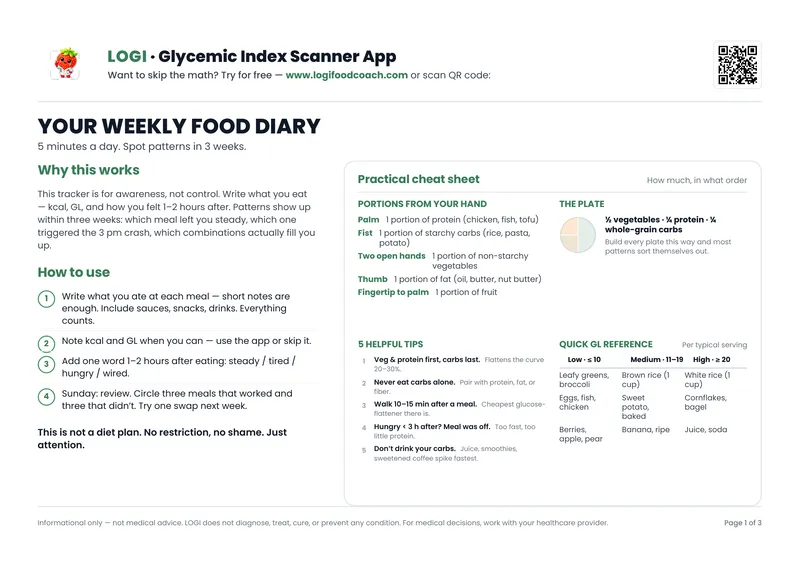
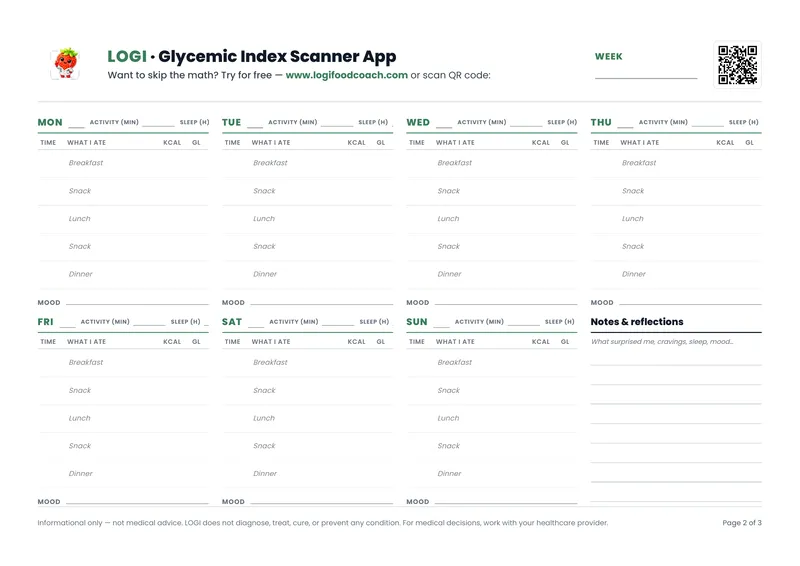
Free PDF — 3 pages
Your Weekly Food Journal
Track meals, glycemic load & mood. Spot patterns in 3 weeks.
No spam. Unsubscribe anytime.