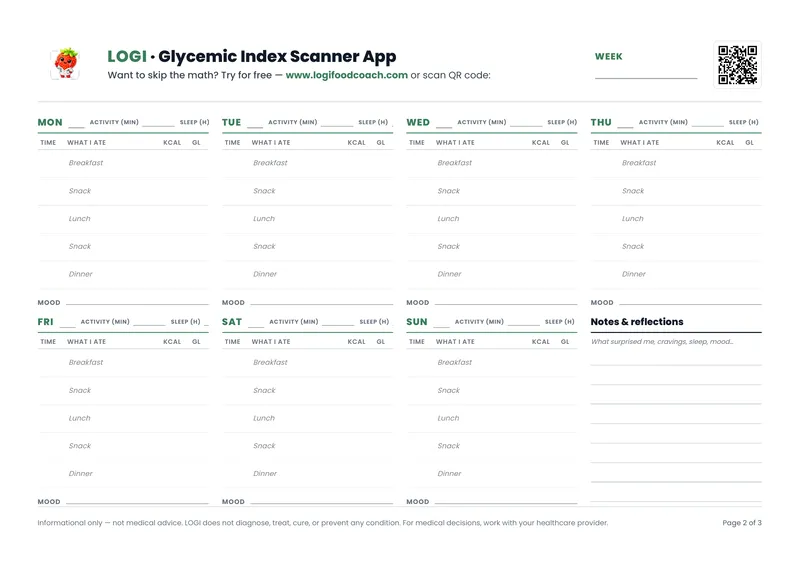
Tinolang Manok with Chayote and Spinach (No Rice)
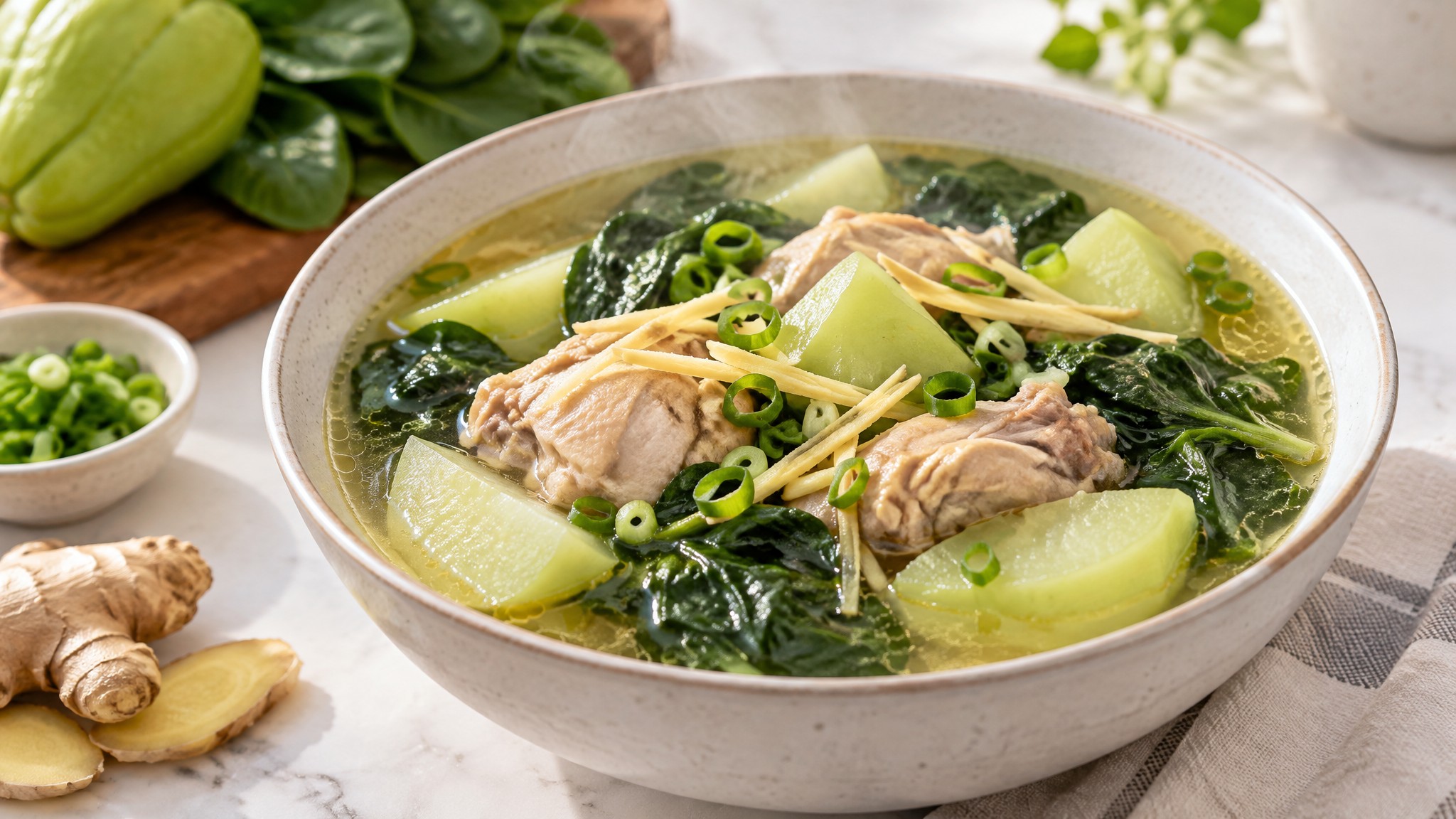
Filipino ginger chicken soup with tender chayote and wilted spinach in a garlicky fish sauce broth, served without rice for a steady, protein-led meal bowl.
Tinolang manok is one of the Philippines' best-loved comfort foods. It is a clear, gently spiced soup in which chicken simmers with plenty of fresh ginger, garlic and onion, seasoned with fish sauce, and finished with soft vegetables and leafy greens. This version keeps all of that. The chicken thighs stay juicy, the ginger gives the broth warmth and bite, and the chayote wedges turn silky while still holding their shape. Baby spinach stands in for moringa (malunggay) leaves, which can be hard to find outside Southeast Asia, but use moringa if you can get it.
The main change for blood sugar is leaving out the bowl of steamed white rice that usually comes with tinola. White rice is a high-GI starch and would normally provide most of the meal's fast-digesting carbohydrate. Without it, the bowl gets its substance from chicken, broth and vegetables, which all have very little effect on blood glucose. Chayote is mild, mostly water and low in carbohydrate, and it adds bulk and fibre so the soup works as a full meal. The protein from the chicken and the fibre from the chayote and spinach slow digestion and help keep you full, so you get a gentler, steadier glucose response than with the classic rice pairing.
For the best results, eat the spinach and chayote first, then the chicken, and sip the hot broth throughout. Starting with vegetables and protein is an easy habit that can soften post-meal glucose rises. If you'd like something extra on the side, a small portion of cauliflower rice or a simple cucumber and tomato salad keeps the meal low-glycemic. Fish sauce is salty, so add more a little at a time at the end and taste as you go. The soup reheats well, which makes it a good make-ahead lunch on busy days.
Blood Sugar Impact
Minimal impact: with a glycemic load of about 2.9, the low-starch chayote and spinach plus protein-rich chicken thigh should cause only a small, gentle rise in blood sugar. Expect steady energy for 3-4 hours.
Blood Sugar Tips
- ✓ Eat the chicken and vegetables first and sip the broth afterwards, so protein and fiber reach your stomach early and digestion stays slow.
- ✓ Keep it rice-free, or if you want a side, have a small portion of cauliflower rice or cooled, reheated rice to keep the glycemic load low.
- ✓ Take a 10-15 minute walk after the meal to help your muscles use glucose and keep your levels steady.
🥗 Ingredients
- 2 tsp Neutral oil
- 30 g Ginger
- 3 pcs Garlic
- 1 pcs Onion
- 400 g Chicken thigh
- 1 tbsp Fish sauce
- 2 cup Chicken broth
- 1.75 cup Water
- 1 pcs Chayote
- 90 g Baby spinach
- 0.25 tsp Black pepper
- 2 pcs Spring onion
- 2 tsp Neutral oil
- 1.1 oz Ginger
- 3 pcs Garlic
- 1 pcs Onion
- 14.1 oz Chicken thigh
- 1 tbsp Fish sauce
- 2 cup Chicken broth
- 1.75 cup Water
- 1 pcs Chayote
- 3.2 oz Baby spinach
- 0.25 tsp Black pepper
- 2 pcs Spring onion
👨🍳 Instructions
- 1
Warm the oil in a medium pot over medium heat. Add the ginger matchsticks, garlic and sliced onion and cook gently for about 3 minutes, stirring often, until the onion softens and the aromatics smell fragrant. Don't let them brown.
- 2
Add the chicken pieces and the fish sauce. Stir for about 4 minutes, until the chicken is opaque on the outside and most of the fish sauce has cooked into the meat.
- 3
Pour in the chicken broth and water, raise the heat and bring to a boil. Skim off any grey foam from the surface so the broth stays clear.
- 4
Turn the heat down to low, cover the pot and simmer gently for 15 minutes so the chicken becomes tender and the ginger flavours the broth.
- 5
Take off the lid and add the chayote wedges. Simmer uncovered for 8–10 minutes, until a knife goes in easily but the wedges still keep their shape.
- 6
Take the pot off the heat and stir in the spinach (or moringa leaves) for about 1 minute, just until wilted. Season with the black pepper, then add more fish sauce a little at a time until it tastes right to you.
- 7
Ladle the soup into deep bowls and top with the sliced spring onion. Serve hot without rice, and eat the vegetables and chicken first for a gentler glucose response.
📊 Nutrition Per Serving
| Per Serving | Whole Dish | |
|---|---|---|
| Calories | 592 | 1185 |
| Carbs | 17g | 34g |
| Sugars | 6g | 12g |
| Natural Sugars | 6g | 12g |
| Protein | 52g | 104g |
| Fat | 35g | 70g |
| Saturated Fat | 9g | 18g |
| Unsaturated Fat | 22g | 44g |
| Fiber | 3g | 6g |
| Soluble Fiber | 1g | 2g |
| Insoluble Fiber | 2g | 4g |
| Sodium | 1695mg | 3390mg |
Predicted Glucose Response
What if you...
Estimated model — individual responses vary. Not medical advice.
🔄 Lower GI Swaps
Some commercial broths contain added sugars, maltodextrin, or starch thickeners that can add hidden fast-digesting carbohydrates. A homemade or no-sugar-added bone broth keeps the carbohydrate load close to zero. It also adds a little gelatin and protein, which may help slow gastric emptying.
Onion is one of the main carbohydrate sources in this dish, with natural sugars of roughly 9 g carbs per 100 g. Using leek greens or celery for aromatic depth, or leaning on more ginger, cuts net carbs further and keeps the soup's glycemic load at the very low end.
Chayote is already low-GI, but zucchini and bok choy have even fewer net carbs per serving. Unripe green papaya, which is traditional in tinola, is very high in fiber, contains little sugar, and has a low glycemic effect. All three keep the bulk of the soup while lowering or holding the glycemic load.
Oils add no glycemic load. Monounsaturated fats like olive and avocado oil are linked to better insulin sensitivity and post-meal glucose response compared with refined seed oils, which supports blood-sugar control over time.
Malunggay and chili leaves are the traditional tinola greens. They are very low in carbs and rich in fiber and polyphenols. Moringa in particular has been studied for reducing post-meal blood glucose spikes, so it can improve glycemic response beyond spinach alone.
🔬 The Science Behind This Recipe
Why This Tinola Is Good for Blood Sugar
Traditional tinola is usually served over a mound of white rice, and the rice is where most of the meal's quick-digesting carbs come from. Without it, this bowl is mostly protein, broth and non-starchy vegetables. Chicken thigh adds protein and some natural fat, and both slow down how quickly your stomach empties. Any carbs in the meal then reach your bloodstream gradually instead of all at once. The splash of vegetable oil used to sauté the ginger, garlic and onion adds a little more fat that slows things down. The aromatics also bring lots of flavor, so the dish feels satisfying even without rice.
Chayote and spinach are the vegetables here. Chayote is a mild, tender squash that is mostly water and fiber with very few carbohydrates. Spinach has almost none. Fiber works like a gentle brake on digestion, slowing how fast sugars are absorbed. That explains this recipe's low Glycemic Index (GI) of about 17. GI measures how quickly a food's carbs raise blood sugar. Glycemic Load (GL) takes it a step further by also counting how much carbohydrate is actually in your portion. A GL under 10 counts as low, so 2.9 per serving is very gentle. It's a good reminder that the amount you eat matters as much as the type of food.
A few habits can make this meal work even better. Eat the vegetables and sip some broth first, then move on to the chicken. If you want a little rice, keep the portion small and eat it last, or try cauliflower rice instead. Finally, a relaxed 10–15 minute walk after eating helps your muscles use the energy from your meal. It's a simple way to support steady energy levels.
Related recipes
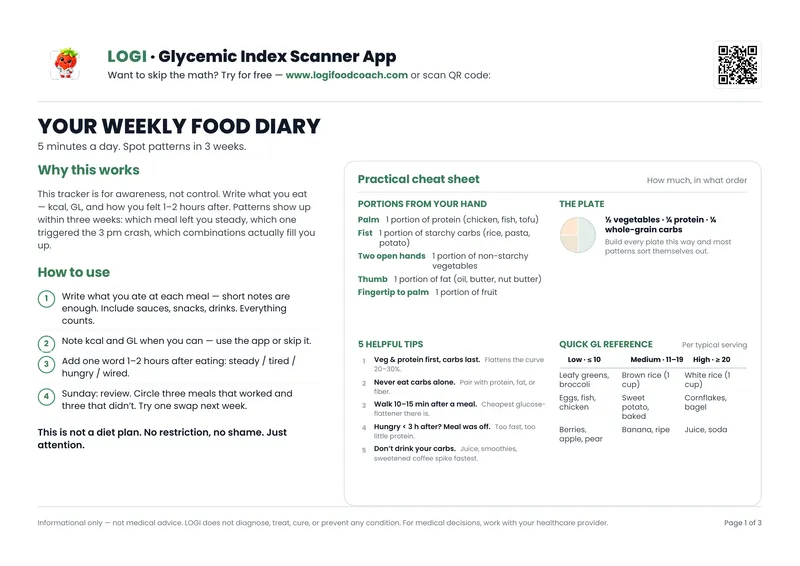
Free PDF — 3 pages
Your Weekly Food Journal
Track meals, glycemic load & mood. Spot patterns in 3 weeks.
No spam. Unsubscribe anytime.