Gedämpfter weißer Fisch mit Ingwer und Pak Choi
Zarter weißer Fisch, gedämpft mit aromatischem Ingwer und Knoblauch, ergibt eine blutzuckerfreundliche Mahlzeit, die reich an Eiweiß und arm an Kohlenhydraten ist, mit praktisch keiner glykämischen Wirkung, wenn sie serviert wird mit.
Dieses asiatisch inspirierte Rezept für gedämpften Fisch ist ein Meisterwerk der niedrig-glykämischen Küche, das sowohl Geschmack als auch Stoffwechselgesundheit in den Vordergrund stellt. Durch die schonende Dämpfmethode in einem Folienpaket bewahren wir die zarte Textur des weißen Fischs und durchziehen ihn gleichzeitig mit dem aromatischen Duft von frischem Ingwer, Knoblauch und Frühlingszwiebeln. Das Gericht ist von Natur aus kohlenhydratarm und reich an magerem Eiweiß, was es ideal macht, um den Blutzuckerspiegel stabil zu halten, mit einem geschätzten glykämischen Index von 48-40 und einer glykämischen Last von nur 3-4 pro Portion, wenn es mit Blumenkohlreis kombiniert wird. Weißer Fisch liefert hochwertiges Eiweiß, das die Glukoseaufnahme verlangsamt, während Ingwer Gingerol-Verbindungen enthält, die in Studien nachweislich die Insulinsensitivität verbessern und den Nüchternblutzucker senken. Pak Choi fügt Ballaststoffe und Nährstoffe mit minimaler Kohlenhydratwirkung hinzu und trägt weniger als 2 g Netto-Kohlenhydrate pro Portion bei. Das Rezept verwendet nur 1 Teelöffel Mirin für vier Portionen, was authentischen Geschmack bietet und gleichzeitig die glykämische Wirkung mit etwa 1 g Zucker pro Portion minimal hält. Für optimales Blutzuckermanagement empfehlen wir, den Reisweinessig-Ersatz anstelle von Mirin zu verwenden, um alle zugesetzten Zucker zu eliminieren. Servieren Sie das Gericht mit Blumenkohlreis als Standard-Low-Carb-Beilage, um die gesamte Mahlzeit in der sehr niedrigen glykämischen Kategorie zu halten. Das Eiweiß und die Ballaststoffe verlangsamen die Aufnahme aller Kohlenhydrate, und diese Mahlzeit ist besonders vorteilhaft, wenn sie früher am Tag verzehrt wird, wenn die Insulinsensitivität natürlicherweise höher ist. Der frische Limettensaft hellt nicht nur die Aromen auf, sondern enthält Zitronensäure, die durch verzögerte Magenentleerung die glykämische Reaktion der gesamten Mahlzeit moderieren kann.
Blutzucker-Auswirkung
Diese Mahlzeit wird aufgrund der Kombination aus magerem Eiweiß, ballaststoffreichem Gemüse und einer moderaten Portion Naturreis eine niedrige bis moderate Blutzuckerwirkung haben. Erwarte gleichmäßige, anhaltende Energie für 3-4 Stunden ohne nennenswerte Spitzen.
Blutzucker-Tipps
- ✓ Iss den Pak Choi und Fisch zuerst vor dem Naturreis, um die Glukoseaufnahme zu verlangsamen und das Sättigungsgefühl zu erhöhen
- ✓ Halte die Naturreis-Portion bei etwa 100 g gekocht, um die niedrige glykämische Last beizubehalten
- ✓ Mache einen 10-15-minütigen Spaziergang nach dem Essen, um den Muskeln zu helfen, Glukose aufzunehmen und jeden Blutzuckeranstieg weiter abzuflachen
🥗 Zutaten
- 100 g Pak Choi, geputzt
- 600 g feste weiße Fischfilets
- 2 tbsp natriumarme Sojasauce
- 1 tsp Mirin-Reiswein
- 200 g gekochter Naturreis, zum Servieren
- 3.5 oz Pak Choi, geputzt
- 1.3 lb feste weiße Fischfilets
- 2 tbsp natriumarme Sojasauce
- 1 tsp Mirin-Reiswein
- 0.5 oz frischer Koriander, gehackt
- 7.1 oz gekochter Naturreis, zum Servieren
👨🍳 Anleitung
- 1
Heizen Sie Ihren Ofen auf 200 °C vor. Bereiten Sie ein großes Stück Alufolie vor, etwa 50 cm lang, das groß genug ist, um ein verschlossenes Paket für den gesamten Fisch und das Gemüse zu erstellen.
- 2
Ordnen Sie den Pak Choi in einer einzigen Schicht in der Mitte der Folie an und schaffen Sie ein Bett für den Fisch. Diese Gemüsebasis wird wunderbar dämpfen und die aromatischen Kochsäfte aufnehmen.
- 3
Legen Sie die vier weißen Fischfilets auf den Pak Choi. Tupfen Sie den Fisch zuerst mit Küchenpapier trocken, um sicherzustellen, dass die Gewürze richtig haften und der Fisch dämpft, anstatt zu schmoren.
- 4
Verteilen Sie den fein geschnittenen Ingwer und den in Scheiben geschnittenen Knoblauch gleichmäßig über die Fischfilets. Diese Aromastoffe werden den Fisch mit Geschmack durchziehen, während er im geschlossenen Paket dämpft.
- 5
Träufeln Sie die natriumarme Sojasauce und den Mirin über den Fisch und das Gemüse. Würzen Sie mit frisch gemahlenem schwarzem Pfeffer. Das Folienpaket wird all diese Aromen einfangen und ein duftendes Dampfbad schaffen. Für strengere Blutzuckerkontrolle ersetzen Sie den Mirin durch 1 Teelöffel Reisweinessig plus eine Prise Erythrit oder Mönchsfrucht-Süßstoff, um alle zugesetzten Zucker zu eliminieren und gleichzeitig authentischen Geschmack beizubehalten.
- 6
Falten Sie die Folie vorsichtig über den Fisch und versiegeln Sie dann alle drei offenen Kanten fest, um ein luftdichtes Paket zu erstellen. Stellen Sie sicher, dass die Versiegelung vollständig ist, um den Dampf einzuschließen. Legen Sie das versiegelte Paket auf ein Backblech mit Rand und schieben Sie es in den vorgeheizten Ofen. Backen Sie 20 Minuten, bis der Fisch durchgegart ist und sich leicht mit einer Gabel zerteilen lässt.
- 7
Nehmen Sie das Paket aus dem Ofen und öffnen Sie die Folie vorsichtig, achten Sie auf den heißen Dampf, der entweicht. Streuen Sie die geschnittenen Frühlingszwiebeln und den gehackten Koriander über den Fisch und lassen Sie ihn 2 Minuten ruhen, damit die Kräuter durch die Restwärme leicht welken.
- 8
Servieren Sie den Fisch und Pak Choi sofort mit Blumenkohlreis oder Ihrer Wahl einer niedrig-glykämischen Beilage. Reichen Sie Limettenspalten zum Ausdrücken über den Fisch kurz vor dem Essen. Für beste Blutzuckerkontrolle essen Sie zuerst den Fisch und das Gemüse und beenden Sie dann mit einer Beilage, falls enthalten. Das Eiweiß und die Ballaststoffe aus dem Fisch und Pak Choi verlangsamen die Glukoseaufnahme und fördern stabile Blutzuckerspiegel für 3-4 Stunden.
📊 Nährwerte pro Portion
| Pro Portion | Gesamtes Gericht | |
|---|---|---|
| Kalorien | 214 | 854 |
| Kohlenhydrate | 19g | 77g |
| Zucker | 2g | 8g |
| Zugesetzter Zucker | 0g | 1g |
| Natürlicher Zucker | 2g | 7g |
| Protein | 30g | 120g |
| Fett | 2g | 7g |
| Gesättigtes Fett | 0g | 1g |
| Ungesättigtes Fett | 1g | 6g |
| Ballaststoffe | 2g | 10g |
| Lösliche Ballaststoffe | 0g | 2g |
| Unlösliche Ballaststoffe | 1g | 4g |
| Natrium | 538mg | 2150mg |
Vorhergesagte Glukosereaktion
Was wäre, wenn du...
Geschätztes Modell — individuelle Reaktionen variieren. Keine medizinische Beratung.
🔄 Niedrigere GI-Alternativen
Mirin enthält etwa 8-10 g Zucker pro Esslöffel mit einem glykämischen Index von 65+, was es zu einer hohen GI-Zutat macht. Diese Alternativen bieten die säuerliche Frische und subtile Süße von Mirin, während sie jegliche glykämische Wirkung eliminieren. Reisweinessig mit kalorienfreien Süßstoffen ahmt das Geschmacksprofil von Mirin perfekt nach und hält den Blutzucker stabil.
Während natriumarme Sojasauce akzeptabel ist, enthalten einige kommerzielle Marken zugesetzte Zucker oder Maissirup. Kokos-Aminos bietet die gleiche Umami-Tiefe mit 73 % weniger Natrium und null zugesetzten Zuckern, was es ideal für das Blutzuckermanagement macht. Tamari bietet authentischen Soja-Geschmack; überprüfen Sie nur, dass das Etikett 0 g Zucker pro Portion anzeigt.
Brauner Reis hat einen glykämischen Index von 68 und liefert 23 g Kohlenhydrate pro halber Tasse Portion, was der niedrig-glykämischen Ausrichtung dieses Rezepts widerspricht. Blumenkohlreis enthält nur 3 g Netto-Kohlenhydrate pro Tasse mit vernachlässigbarer glykämischer Wirkung und hält die gesamte Mahlzeit in der sehr niedrigen GI-Kategorie. Wenn Sie eine Getreide-basierte Option bevorzugen, beschränken Sie sich auf maximal 1/4 Tasse gekochten Quinoa und essen Sie ihn zuletzt nach dem Eiweiß und Gemüse, um die Blutzuckerwirkung zu minimieren.
Während weißer Fisch ausgezeichnet für die Blutzuckerkontrolle ist, liefert fetter Fisch wie Lachs Omega-3-Fettsäuren (EPA und DHA), die nachweislich die Insulinsensitivität verbessern und Entzündungen reduzieren. Alle Fischoptionen behalten das gleiche niedrig-glykämische Profil mit hohem Eiweißgehalt bei, der den Blutzucker stabilisiert.
Alle diese asiatischen Blattgemüse bieten ähnlichen Ballaststoffgehalt, minimale Kohlenhydrate (2-3 g Netto-Kohlenhydrate pro Tasse) und ausgezeichnete Nährstoffdichte, während sie das authentische Geschmacksprofil des Gerichts beibehalten. Sie alle haben vernachlässigbare glykämische Wirkung und unterstützen stabile Blutzuckerspiegel.
🔬 Die Wissenschaft hinter diesem Rezept
Dieses Rezept nutzt mehrere Mechanismen zur Blutzuckerkontrolle. Weißer Fisch liefert 25-30 g vollständiges Eiweiß pro Portion, was die Freisetzung von Incretin-Hormonen auslöst und die Magenentleerung verlangsamt, was zu einer allmählichen Glukoseaufnahme führt. Ingwer enthält bioaktive Verbindungen namens Gingerole und Shogaole, die in klinischen Studien nachweislich die Insulinsensitivität um bis zu 10 % verbessern und den Nüchternblutzucker senken, indem sie die zelluläre Glukoseaufnahme durch Aktivierung des GLUT4-Transporters verbessern. Der minimale Kohlenhydratgehalt (unter 8 g pro Portion mit Blumenkohlreis) bedeutet minimalen Insulinbedarf, während der hohe Eiweißgehalt durch Leptin-Signalisierung für anhaltendes Sättigungsgefühl sorgt. Pak Choi trägt lösliche Ballaststoffe bei, die im Verdauungstrakt ein viskoses Gel bilden, was die Kohlenhydrataufnahme weiter verlangsamt und Blutzuckerspitzen nach den Mahlzeiten abmildert. Die Dämpfmethode bewahrt hitzeempfindliche Nährstoffe und benötigt keine zugesetzten Fette, wodurch die Mahlzeit leicht und gut verdaulich bleibt. Wenn sie mit dem empfohlenen Blumenkohlreis-Ersatz anstelle von Getreide-basierten Optionen verzehrt wird, behält die gesamte Mahlzeit eine glykämische Last unter 5, was sie fest in der sehr niedrigen Kategorie für Blutzuckerwirkung platziert.
Ähnliche Rezepte
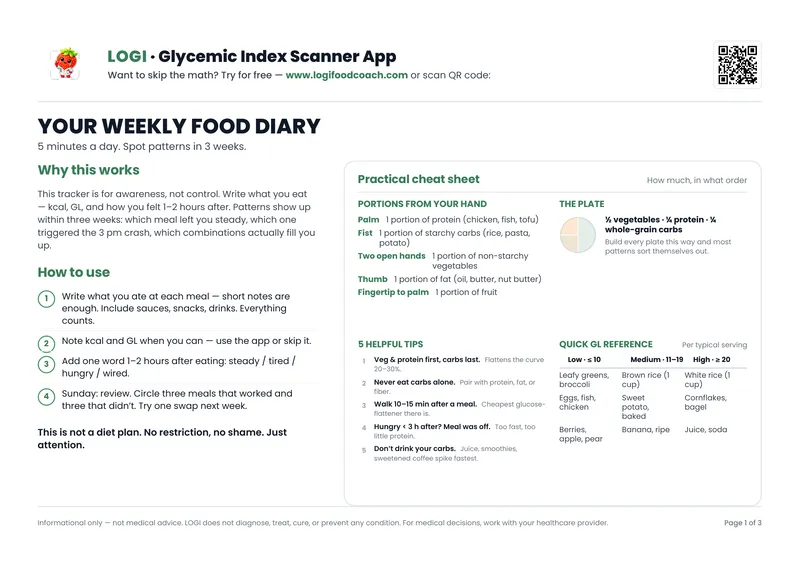
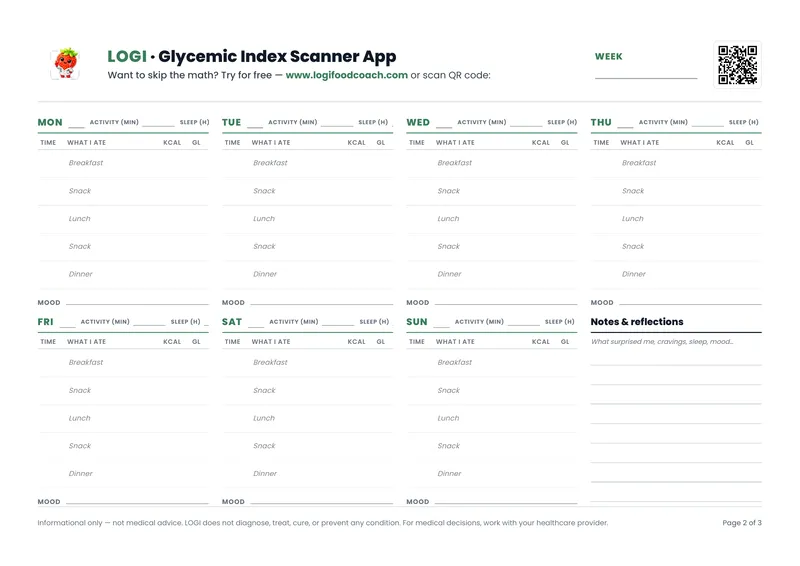
Kostenloses PDF — 3 Seiten
Dein Wochen-Ernährungstagebuch
Mahlzeiten, glykämische Last & Stimmung erfassen. Muster in 3 Wochen erkennen.
Kein Spam. Jederzeit abmeldbar.