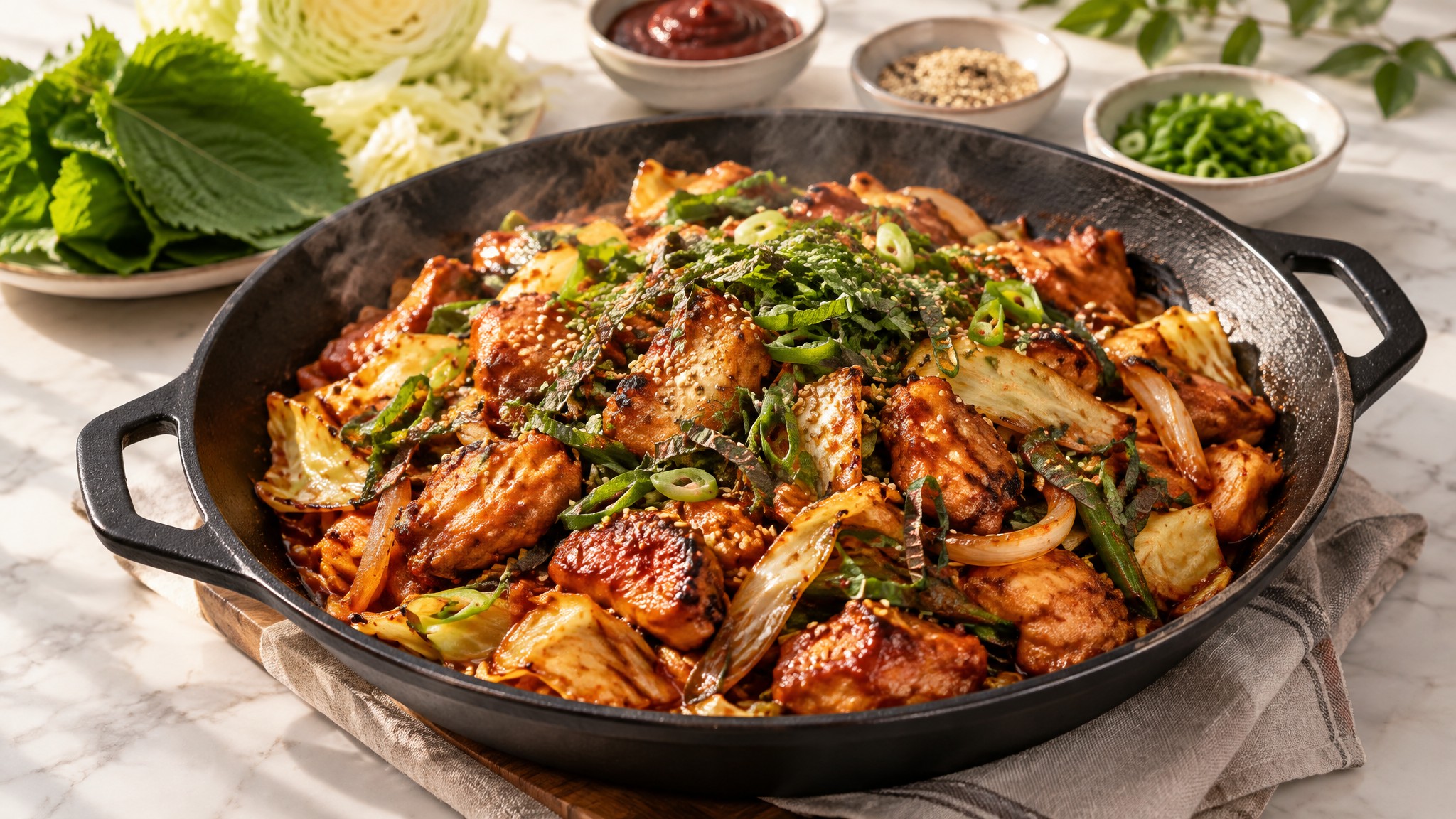
Low-GI Dakgalbi with Extra Cabbage and Perilla
Sticky, spicy gochujang chicken thighs tossed with charred cabbage and perilla. Chuncheon-style dakgalbi without rice cakes, made for steadier blood sugar.
Dakgalbi comes from Chuncheon in South Korea, where cooks fry it on big cast-iron griddles at the table. It's chicken in a fiery red glaze, tossed with vegetables until everything turns sticky and lightly charred. The classic version usually includes chunks of sweet potato and chewy tteok rice cakes. They taste great, but they're dense, fast-digesting starches that can push blood sugar up quickly. This version keeps the dish's spicy, garlicky, glossy character. It leaves out the starch and adds a generous pile of cabbage, plus fresh perilla leaves for their bright, minty, slightly anise-like aroma.
The swap does more than lower the carbs. Cabbage is low in carbohydrates and rich in fibre, and that fibre helps slow how fast glucose reaches your bloodstream. Chicken thigh brings plenty of protein and a little fat, which keeps you full and evens out the meal's overall glycemic response. Gochujang is the one ingredient to watch, because most brands are made with rice and some sugar or syrup. At 2 tablespoons spread over two servings, the amount per plate is small. If you want to reduce it further, look for a brand with less added sugar. Onion, garlic, scallions and sesame add flavour without much effect on blood sugar.
To get the most out of it, start with a few forkfuls of the charred cabbage before the chicken. Eating fibre first can soften the post-meal glucose rise. Serve it straight from the pan with kimchi, a cucumber salad or a few lettuce leaves for wrapping. If you'd like a grain, add a small scoop of cauliflower rice or a modest portion of cooled-and-reheated brown rice. A short walk after dinner helps your muscles use some of that glucose. It's on the table in about 30 minutes, which makes it an easy weeknight meal that's also good for your blood sugar.
Blood Sugar Impact
Minimal impact: with a GL of about 5 and lots of protein and fiber-rich vegetables, this should give only a small, gradual rise in blood sugar and steady energy for 3-4 hours. The small amount of sugar in the gochujang is offset by the chicken, fat and cabbage.
Blood Sugar Tips
- ✓ Eat it on its own or wrapped in perilla or lettuce leaves instead of serving it over white rice. If you want a grain, keep it to a small portion of cauliflower rice or mixed brown rice and barley.
- ✓ Go easy on the gochujang, which contains added sugar and rice syrup, and use more gochugaru and garlic for heat. Avoid the usual add-ins of rice cakes (tteok), sweet potato or the fried-rice finish.
- ✓ Eat the cabbage and perilla first, then the chicken, and take a 10-15 minute walk after the meal.
🥗 Ingredients
- 400 g Chicken thigh
- 2 tbsp Gochujang
- 2 tsp Gochugaru
- 1 tbsp Soy sauce
- 3 pcs Garlic
- 2 tsp Vegetable oil
- 1 pcs Onion
- 0.5 pcs Green cabbage
- 10 pcs Perilla leaf
- 3 pcs Scallion
- 1 tsp Toasted sesame oil
- 1 tsp Toasted sesame seeds
- 14.1 oz Chicken thigh
- 2 tbsp Gochujang
- 2 tsp Gochugaru
- 1 tbsp Soy sauce
- 3 pcs Garlic
- 2 tsp Vegetable oil
- 1 pcs Onion
- 0.5 pcs Green cabbage
- 10 pcs Perilla leaf
- 3 pcs Scallion
- 1 tsp Toasted sesame oil
- 1 tsp Toasted sesame seeds
👨🍳 Instructions
- 1
In a mixing bowl, combine the chicken pieces with the gochujang, gochugaru, soy sauce and grated garlic. Mix with your hands or a spoon until every piece is coated in the red paste. Set aside to marinate for about 10 minutes while you prepare the vegetables.
- 2
Cut the onion into wedges and the cabbage into 4 cm (1½ in) squares. Cut the scallions into 4 cm lengths. Stack the perilla leaves, roll them up loosely and slice them into thick ribbons.
- 3
Heat the vegetable oil in a large skillet or wok over high heat until it shimmers. Add the onion and cabbage and stir-fry for about 3 minutes, until the edges of the cabbage are charred and the leaves start to soften.
- 4
Push the vegetables out to the sides of the pan to clear the centre. Add the chicken and all of its marinade to the middle and lower the heat to medium-high. Let it sear for about 4 minutes, turning the pieces once so both sides take on colour.
- 5
Stir the chicken into the cabbage and keep cooking for 6–8 minutes, stirring often so the sauce doesn't catch. It's ready when the sauce has reduced to a sticky, glossy coating and the chicken reaches 75 °C (165 °F) in the centre.
- 6
Add the scallions and perilla ribbons and toss for about 1 minute, just until they wilt and smell fragrant.
- 7
Take the pan off the heat, drizzle with the toasted sesame oil and sprinkle the sesame seeds over the top. Serve right away from the pan, and eat a few bites of cabbage first to help keep your blood sugar steady.
📊 Nutrition Per Serving
| Per Serving | Whole Dish | |
|---|---|---|
| Calories | 680 | 1360 |
| Carbs | 33g | 66g |
| Sugars | 14g | 28g |
| Added Sugars | 2g | 5g |
| Natural Sugars | 12g | 23g |
| Protein | 53g | 106g |
| Fat | 38g | 76g |
| Saturated Fat | 9g | 19g |
| Unsaturated Fat | 25g | 49g |
| Fiber | 9g | 18g |
| Soluble Fiber | 3g | 5g |
| Insoluble Fiber | 6g | 13g |
| Sodium | 1348mg | 2697mg |
Predicted Glucose Response
What if you...
Estimated model — individual responses vary. Not medical advice.
🔄 Lower GI Swaps
Standard gochujang is made with fermented rice and often has added corn syrup or sugar, so it is the main source of fast-digesting carbs in this dish. A sugar-free paste, or doenjang (fermented soybean paste) with extra chili flakes, keeps the spicy, savory flavor with much less sugar, which lowers the dish's glycemic load.
Onion turns sweet as it cooks and has more natural sugar than most non-starchy vegetables. Putting in more cabbage, zucchini or mushrooms keeps the bulk and texture while adding fiber and lowering the carbs per serving, so blood sugar rises more slowly.
Avocado oil and olive oil are high in monounsaturated fat, which is linked to better insulin sensitivity and slows stomach emptying. That helps flatten the blood sugar curve after the meal. Avocado oil also handles high stir-fry heat well.
Some soy sauces, especially sweet or dark Korean styles, contain added sugar or caramel. Low-sodium tamari contains little sugar and keeps the dish's carb load low. Coconut aminos has some natural sugar, so use only a little.
Garlic chives, or more perilla leaves, add fiber, polyphenols and plenty of fresh flavor for almost no carbs. This raises the share of non-starchy greens in the dish, which helps keep the glycemic load low and slows how quickly glucose is absorbed.
🔬 The Science Behind This Recipe
Dakgalbi works well for steady blood sugar because most of the dish is protein and vegetables, with only small amounts of fast-acting carbs. Chicken thigh brings protein and some natural fat, and both slow down how quickly your stomach empties. That means any sugars in the meal reach your bloodstream gradually, not all at once. The extra cabbage and perilla leaves add fiber and bulk with very few carbohydrates. Fiber forms a gentle barrier in your gut that slows digestion even more, and it fills you up so you're less likely to reach for seconds of rice.
Gochujang is the ingredient to watch. This fermented chili paste contains some rice and sweetener. In this recipe, though, it's spread across the whole pan and surrounded by protein, fat and fiber, so its effect is diluted. Gochugaru, garlic and soy sauce add a lot of flavor with almost no carbs. This is where Glycemic Load (GL) matters. The Glycemic Index (GI) tells you how fast a food's carbs raise blood sugar. GL also counts how much of those carbs you actually eat. With an estimated GI of 16 and a GL of 5.3 per serving, this dish sits well within the low range on both measures. A small amount of sweet paste in a big, veggie-heavy dish has a much gentler effect than the same paste eaten on its own.
To get the most from this meal, eat some cabbage and perilla first, then the chicken, and keep any rice or noodles for last. If you add rice, a modest portion eaten alongside the chicken helps balance it. Finally, a relaxed 10–15 minute walk after eating helps your muscles use glucose from your blood. It's one of the simplest and most effective habits you can build.
Related recipes
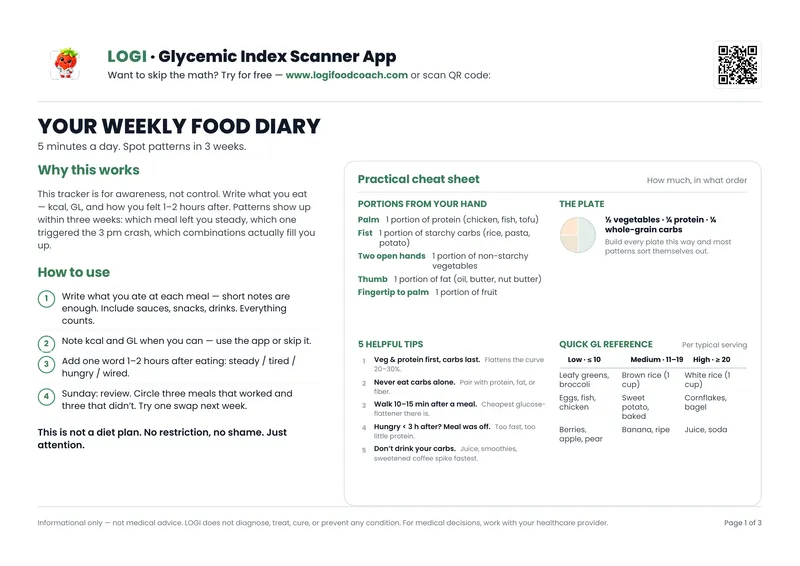
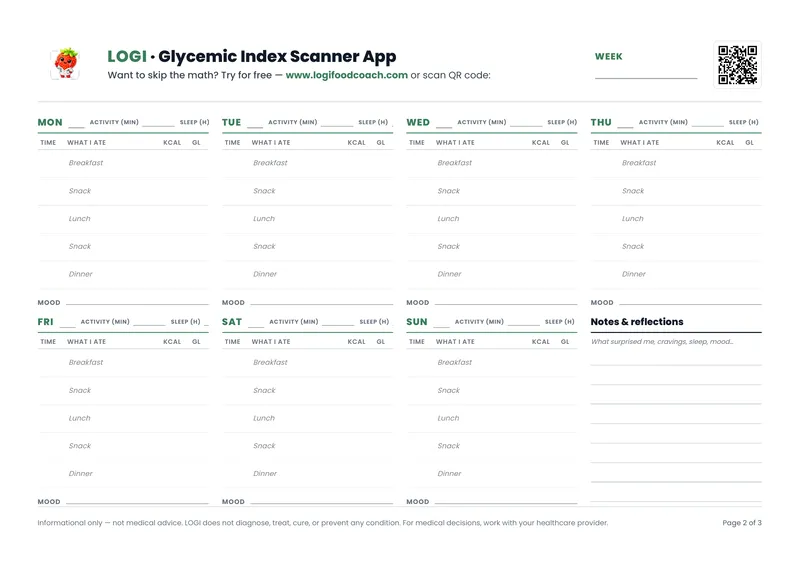
Free PDF — 3 pages
Your Weekly Food Journal
Track meals, glycemic load & mood. Spot patterns in 3 weeks.
No spam. Unsubscribe anytime.