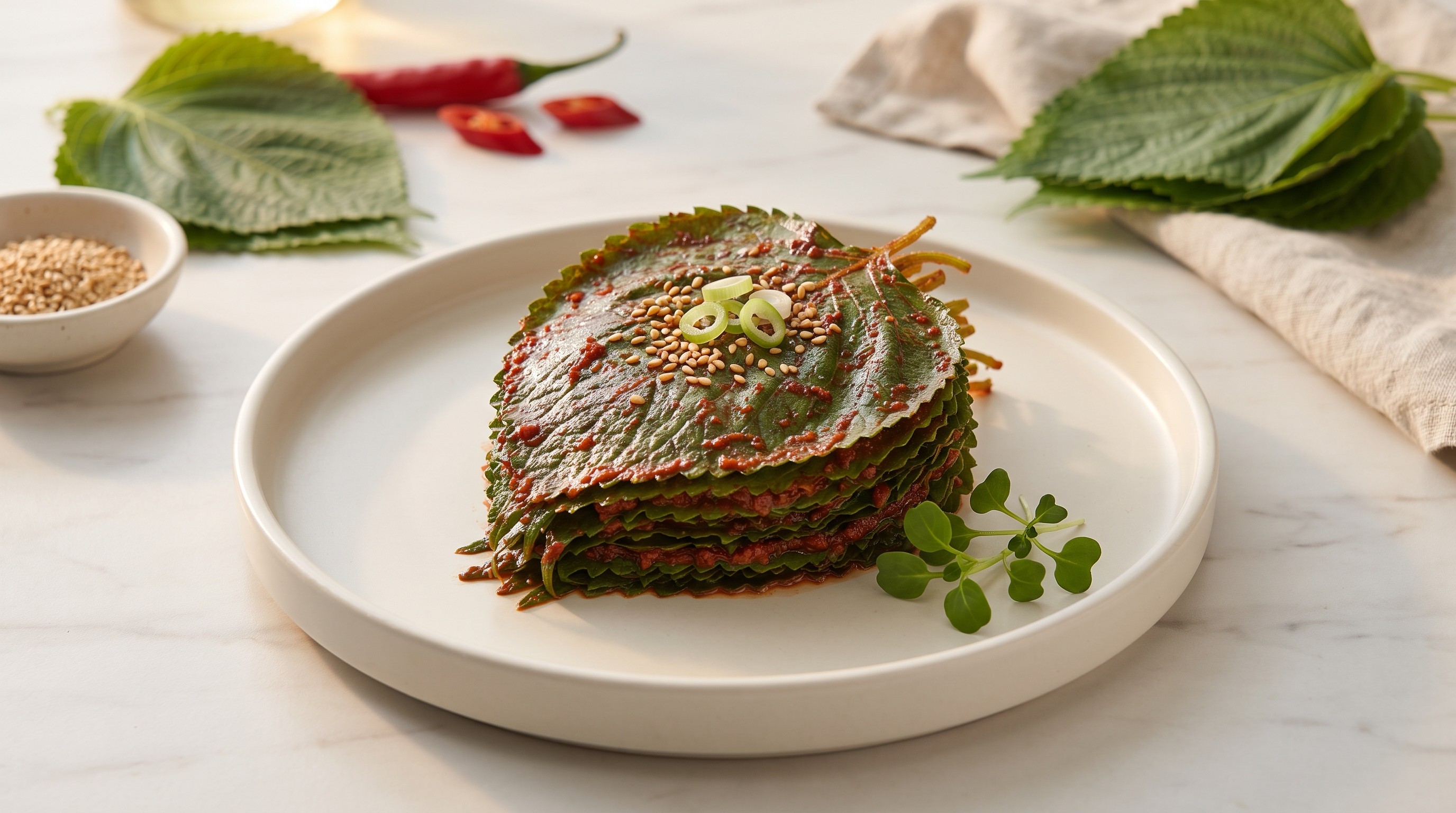
Kkaennip-Jjim (Korean Steamed Seasoned Perilla Leaves)
Silky perilla leaves layered with a bold soy-garlic-gochugaru paste and gently steamed — virtually zero-carb Korean banchan that won't budge your glucose.
Kkaennip-jjim is one of the most blood-sugar-friendly side dishes in the entire Korean banchan repertoire. Stacks of aromatic perilla leaves are brushed with a punchy paste of soy sauce, raw garlic, gochugaru, and toasted sesame, then steamed until they turn silky-soft and deeply fragrant. With almost no digestible carbohydrate per serving, this dish delivers enormous flavour without any measurable glycemic impact — making it an ideal accompaniment to rice-based meals where it can help slow overall glucose absorption.
Perilla leaves themselves are nutritional standouts: rich in alpha-linolenic acid (an omega-3 fatty acid), rosmarinic acid, and polyphenols that research has linked to improved insulin sensitivity. The generous hit of raw garlic supplies allicin, which may support healthy fasting glucose levels, while the sesame oil contributes monounsaturated fats that help moderate postprandial blood-sugar spikes from any carbohydrates eaten alongside the dish. Fish sauce and soy sauce bring deep umami without added sugar — a common pitfall in store-bought versions of this banchan.
For the best glucose-management strategy, serve kkaennip-jjim at the start of a Korean meal before touching any rice or starchy sides. Eating fibre-rich, protein-containing dishes first has been shown to flatten the post-meal glucose curve. This recipe keeps beautifully for three to four days in the refrigerator, so prepare a double batch and enjoy it as a ready-made low-GI starter throughout the week.
Blood Sugar Impact
Very minimal blood sugar impact expected. With a glycemic load of just 1.8 and an estimated GI of 21, this dish is composed almost entirely of non-starchy vegetables, healthy fats, and condiments, resulting in a negligible and slow glucose rise with stable energy.
Blood Sugar Tips
- ✓ Enjoy as a banchan (side dish) at the start of your meal before eating any rice or starchy items — the fiber and fats in the perilla leaves and sesame oil will slow gastric emptying and blunt the glucose response of subsequent carbs.
- ✓ If serving with white rice, reduce the rice portion and increase the number of perilla leaf wraps — use them to wrap small bites of rice to naturally limit starch intake per mouthful.
- ✓ Pair with a protein-rich main dish (e.g., grilled fish or tofu) to further flatten the overall meal's glycemic curve and extend satiety.
🥗 Ingredients
- 50 pcs Perilla leaf
- 2 tbsp Soy sauce
- 4 pcs Garlic
- 2 tbsp Gochugaru
- 2 pcs Green onion
- 1 tbsp Toasted sesame oil
- 1 tbsp Toasted sesame seed
- 2 tsp Fish sauce
- 50 pcs Perilla leaf
- 2 tbsp Soy sauce
- 4 pcs Garlic
- 2 tbsp Gochugaru
- 2 pcs Green onion
- 1 tbsp Toasted sesame oil
- 1 tbsp Toasted sesame seed
- 2 tsp Fish sauce
👨🍳 Instructions
- 1
Rinse the perilla leaves thoroughly under cold running water, gently separating each leaf so both sides are cleaned. Shake off the excess water and use kitchen scissors to snip away any tough or woody stem ends.
- 2
Bring water to a rolling boil in the base of a steamer and keep it ready while you assemble the stacks.
- 3
In a small mixing bowl, combine the soy sauce, minced garlic, gochugaru, sliced green onion, fish sauce, toasted sesame oil, and roughly half of the sesame seeds. Stir well until the paste is evenly blended.
- 4
Place one perilla leaf flat on your work surface, smooth side down. Spread a scant teaspoon of the seasoning paste across the leaf in a thin, even layer. Set the next leaf on top and repeat until you have neat stacks of eight to ten leaves each.
- 5
Arrange the finished stacks snugly in a heatproof dish or shallow bowl that fits inside your steamer. Packing them close together helps them hold their shape during cooking.
- 6
Set the dish in the steamer over the vigorously boiling water, cover tightly, and steam for eight to ten minutes until the leaves are completely tender and the garlic-gochugaru paste is deeply fragrant.
- 7
Carefully remove the dish from the steamer. Scatter the remaining toasted sesame seeds evenly over the top of each stack.
- 8
Serve warm or allow to cool to room temperature. For best glucose management, enjoy this banchan at the start of a meal before any rice or starchy dishes — the fibre and healthy fats help blunt the blood-sugar response of subsequent courses.
📊 Nutrition Per Serving
| Per Serving | Whole Dish | |
|---|---|---|
| Calories | 134 | 268 |
| Carbs | 9g | 17g |
| Sugars | 1g | 2g |
| Natural Sugars | 1g | 2g |
| Protein | 4g | 7g |
| Fat | 10g | 20g |
| Saturated Fat | 1g | 3g |
| Unsaturated Fat | 9g | 17g |
| Fiber | 3g | 6g |
| Soluble Fiber | 1g | 2g |
| Insoluble Fiber | 2g | 4g |
| Sodium | 1276mg | 2552mg |
Predicted Glucose Response
What if you...
Estimated model — individual responses vary. Not medical advice.
🔄 Lower GI Swaps
Standard soy sauce often contains trace sugars from wheat fermentation and some brands add sugar. Tamari and liquid aminos are wheat-free alternatives with virtually zero glycemic impact, keeping the GL as low as possible.
Many commercial fish sauces contain added sugar, which slightly raises the glycemic load. Sugar-free fish sauce or unsweetened anchovy extract deliver the same umami depth with zero sugar contribution.
Some pre-packaged gochugaru blends contain added sugar or starch as anti-caking agents, which can introduce a small glycemic load. Using pure, additive-free chili flakes ensures zero hidden sugars while preserving the heat and color.
🔬 The Science Behind This Recipe
Why This Recipe Works for Blood Sugar
Kkaennip-Jjim is a dream dish for steady blood sugar, and the numbers tell the story: with a glycemic index of just 21 and a glycemic load of only 1.8 per serving, this recipe barely registers on your body's glucose radar. But what does that actually mean? The glycemic index measures how quickly a food raises blood sugar, while the glycemic load factors in how much carbohydrate you're actually eating. Since perilla leaves are almost entirely fiber, vitamins, and plant compounds — with virtually no starch or sugar — your body simply doesn't get a rush of glucose to process. Think of it this way: even if a food had a moderate GI, eating a tiny amount of carbs from it (low glycemic load) means the real-world impact on your blood sugar stays minimal.
Perilla leaves are the star here, and they bring a unique advantage. They're rich in dietary fiber and alpha-linolenic acid (a plant-based omega-3 fat), both of which help slow digestion and keep blood sugar stable. The garlic in the seasoning adds another layer of support — studies suggest it can improve how your body responds to insulin, the hormone that clears sugar from your blood. Meanwhile, the small amount of soy sauce contributes protein and umami without adding any sugar. Together, these ingredients create a dish that's deeply satisfying without triggering the spike-and-crash cycle that high-carb foods can cause.
To get even more out of this dish, try eating it at the beginning of your meal before any rice or noodles. Research shows that eating vegetables and protein first creates a fiber-and-fat "buffer" in your stomach, which slows down the absorption of carbohydrates you eat afterward. Pairing Kkaennip-Jjim with a small portion of whole grains — rather than refined white rice — keeps the entire meal's glycemic load low. And a short 10-to-15-minute walk after eating? That's one of the simplest, most effective ways to help your muscles absorb glucose and keep your blood sugar on an even keel.
Related recipes
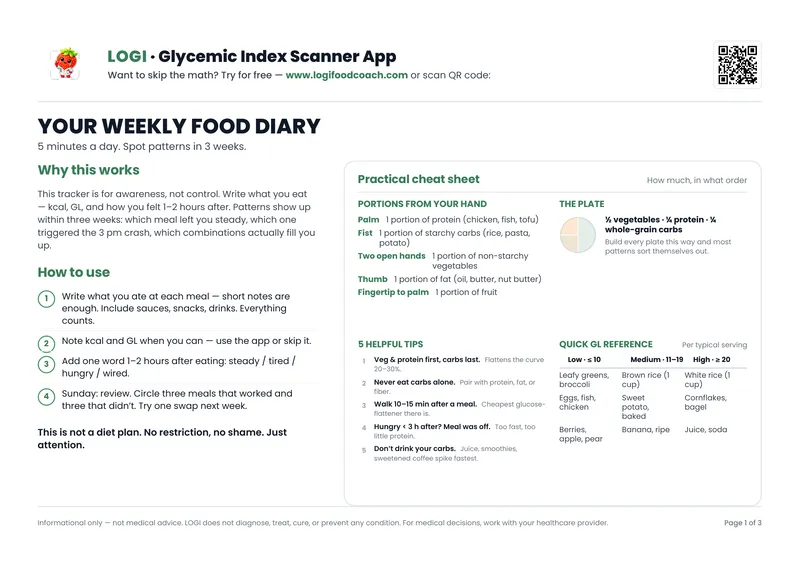
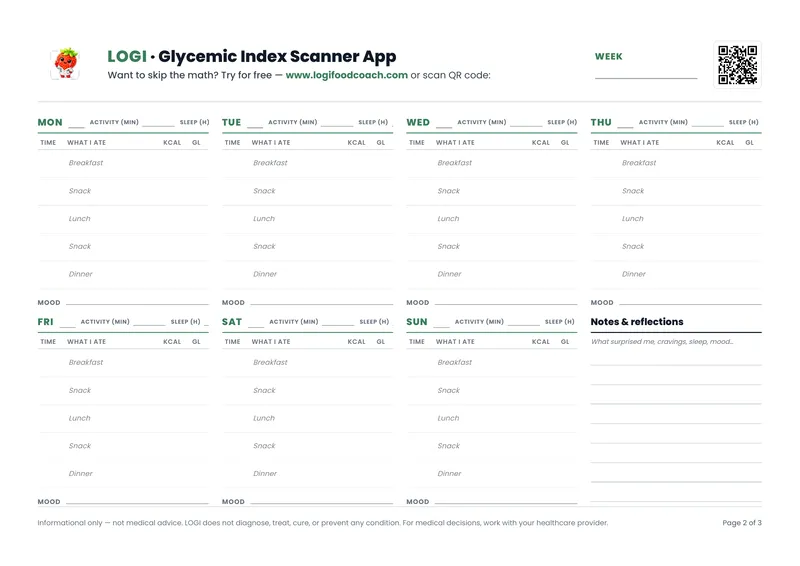
Free PDF — 3 pages
Your Weekly Food Journal
Track meals, glycemic load & mood. Spot patterns in 3 weeks.
No spam. Unsubscribe anytime.