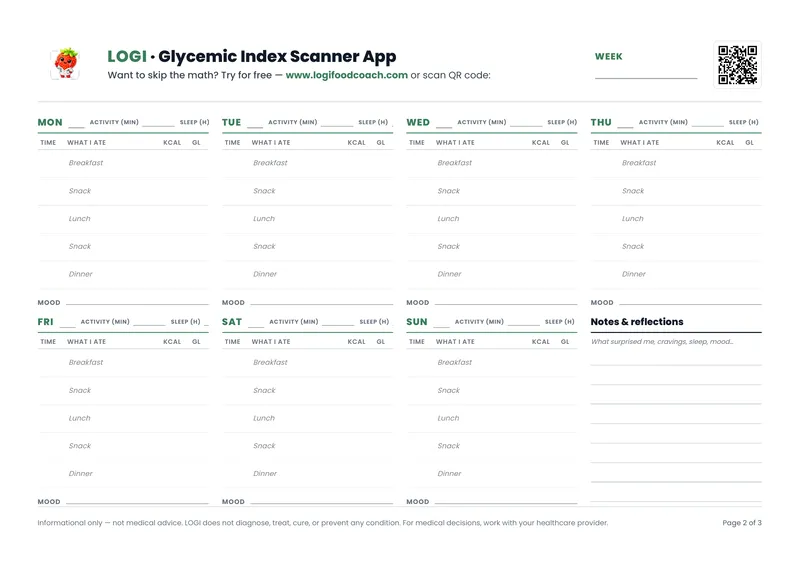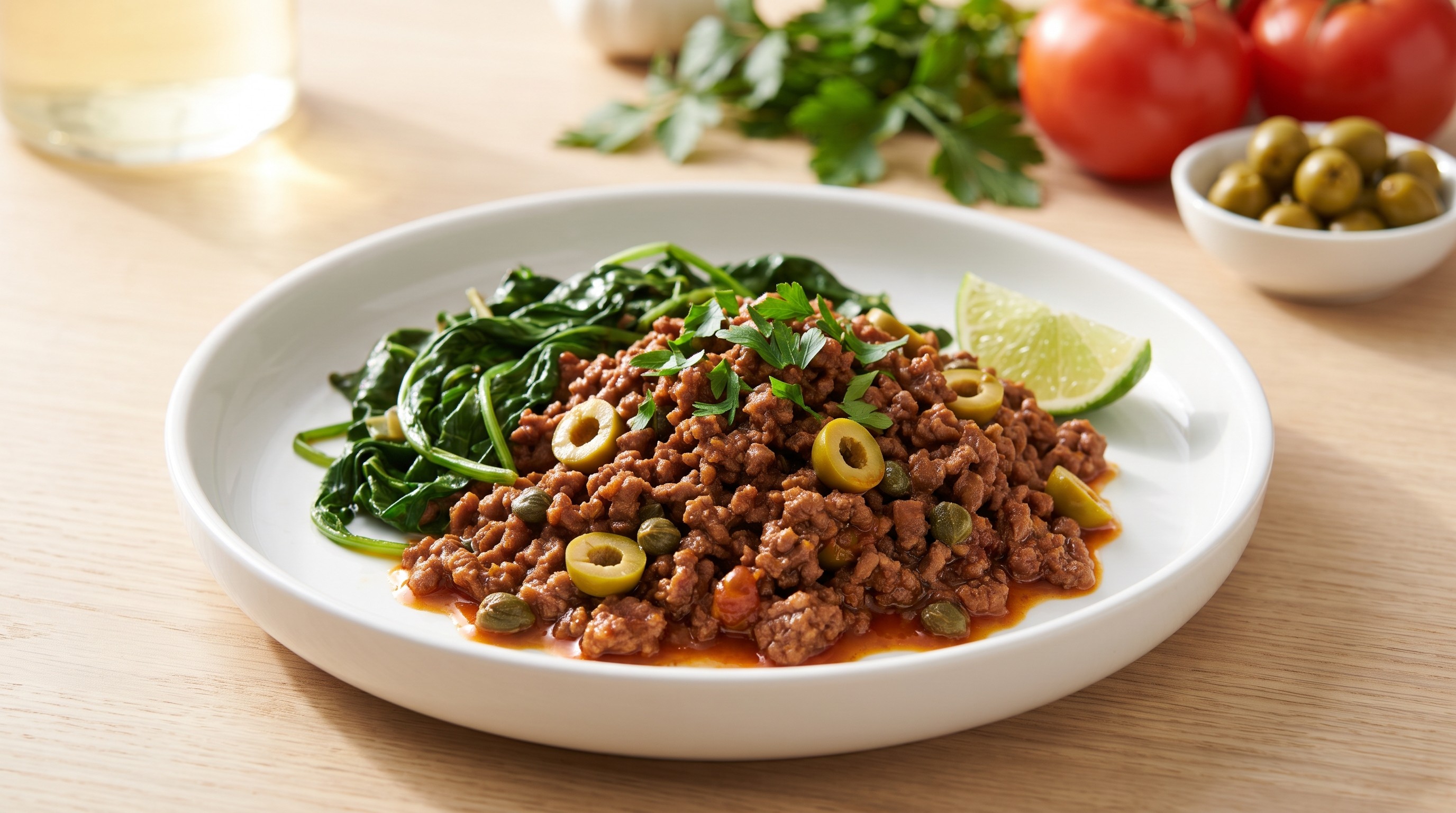
Low-GI Picadillo with Wilted Greens
Briny, cumin-spiced minced beef simmered with green olives, capers and crushed tomato, served over wilted dark greens — a naturally low-GI one-skillet meal.
Cuban picadillo is comfort food at its most aromatic — ground beef simmered in tomato with briny olives and capers, perfumed with cumin and oregano. Traditional versions rely on potato and raisins for body and a bed of white rice underneath, but those starchy, sugary additions send blood glucose climbing. This low-glycemic adaptation strips them away entirely, letting the bold olive-caper salinity and warm spice carry the dish without any glycemic baggage.
The beauty of this version lies in what it doesn’t need. Lean minced beef provides satiating protein and healthy fats that slow gastric emptying, while the crushed tomatoes (GI ~15) contribute lycopene-rich sweetness without a sugar spike. Green olives and capers deliver monounsaturated fats and a savoury depth that makes you forget rice was ever part of the equation. The quick wilt of baby spinach at the end adds fibre, magnesium and folate — all nutrients that support insulin sensitivity — and creates a vibrant, nutrient-dense base in place of refined grains.
For optimal blood sugar response, eat the wilted greens first before the protein-rich picadillo; the fibre acts as a buffer that slows glucose absorption from the meal. Pair with a small side of cooled lentils or a handful of almonds if you want extra staying power. Ready in just 30 minutes with a single skillet, this is weeknight cooking that supports steady energy without sacrificing the bold, satisfying flavours of the original Cuban classic.
Blood Sugar Impact
Very low blood sugar impact expected. With a glycemic load of 4.8 and an estimated GI of 21, this protein-and-vegetable-rich dish will produce a minimal, slow glucose rise and provide stable energy for 3-4 hours.
Blood Sugar Tips
- ✓ Eat the wilted spinach and greens first before the meat mixture to further blunt any glucose response.
- ✓ Pair this meal with a short 10-15 minute walk afterward to enhance glucose uptake by your muscles.
- ✓ If serving with a side starch like rice, choose a small portion of cooled or reheated rice (higher resistant starch) to keep the overall meal's glycemic load low.
🥗 Ingredients
- 1 tbsp Olive oil
- 1 pcs Onion
- 3 pcs Garlic
- 1 tsp Ground cumin
- 0.5 tsp Dried oregano
- 300 g Lean minced beef
- 200 g Canned crushed tomatoes
- 1 tbsp Capers
- 150 g Baby spinach
- 0.5 pcs Lime
- 0.5 tsp Salt
- 0.25 tsp Black pepper
- 10 g Flat-leaf parsley
- 1 tbsp Olive oil
- 1 pcs Onion
- 3 pcs Garlic
- 1 tsp Ground cumin
- 0.5 tsp Dried oregano
- 10.6 oz Lean minced beef
- 7.1 oz Canned crushed tomatoes
- 1.8 oz Pimento-stuffed green olives
- 1 tbsp Capers
- 5.3 oz Baby spinach
- 0.5 pcs Lime
- 0.5 tsp Salt
- 0.25 tsp Black pepper
- 0.4 oz Flat-leaf parsley
👨🍳 Instructions
- 1
Place a large skillet over medium-high heat and add the olive oil. Once the oil shimmers, tip in the diced onion and cook for about 4 minutes, stirring occasionally, until the pieces soften and turn translucent.
- 2
Stir in the minced garlic, ground cumin and dried oregano. Let the spices toast in the hot oil for roughly 30 seconds until the kitchen fills with their warm, earthy fragrance.
- 3
Add the minced beef to the skillet and break it apart into small crumbles with a wooden spoon. Cook for about 5 minutes, letting the meat sit undisturbed for 60–90 seconds between stirs so it picks up a deep caramelised crust. Continue until no pink remains.
- 4
Pour in the crushed tomatoes and scatter the halved green olives and drained capers over the top. Stir well so the sauce coats every piece of meat evenly.
- 5
Turn the heat down to medium-low and let the picadillo simmer uncovered for 10 minutes, stirring now and then, until the sauce thickens and clings to the beef. Taste and season with salt and black pepper.
- 6
With about 2 minutes of simmering left, push the beef mixture to one half of the skillet. Pile the baby spinach into the cleared space, then cover the pan with a lid and let the greens wilt in their own steam.
- 7
Remove the lid and squeeze the lime half over the entire pan — both the picadillo and the wilted greens. Give the greens a quick toss so they pick up a little of the pan juices.
- 8
Divide the picadillo and greens between two warmed plates, spooning any remaining sauce from the skillet over the top. Scatter the chopped parsley over each plate and serve immediately.
📊 Nutrition Per Serving
| Per Serving | Whole Dish | |
|---|---|---|
| Calories | 509 | 1018 |
| Carbs | 23g | 45g |
| Sugars | 8g | 17g |
| Natural Sugars | 8g | 17g |
| Protein | 49g | 98g |
| Fat | 26g | 51g |
| Saturated Fat | 8g | 15g |
| Unsaturated Fat | 18g | 36g |
| Fiber | 7g | 14g |
| Soluble Fiber | 2g | 4g |
| Insoluble Fiber | 5g | 10g |
| Sodium | 1289mg | 2577mg |
Predicted Glucose Response
What if you...
Estimated model — individual responses vary. Not medical advice.
🔄 Lower GI Swaps
Canned crushed tomatoes can contain added sugars and the processing raises their glycemic index (GI ~45) compared to fresh tomatoes (GI ~15). Fresh tomatoes retain more intact fiber and cell structure, which slows glucose absorption and lowers glycemic load.
Partially replacing ground beef with mushrooms or lentils adds soluble fiber that slows gastric emptying and blunts blood sugar spikes. Lentils in particular have a very low GI (GI ~29) and significantly increase the fiber-to-carbohydrate ratio, reducing overall glycemic load.
While spinach is already low-GI, kale, Swiss chard, and collard greens provide more insoluble fiber per serving, which slows digestion and supports more gradual glucose release. Kale also has a higher chromium content, a mineral that supports insulin sensitivity.
Onions contain moderate natural sugars (~7g per medium onion) that caramelize during cooking, raising their effective glycemic index. Leek greens and scallions deliver a similar savory allium flavor with roughly half the sugar content per serving, resulting in a lower glycemic load contribution.
🔬 The Science Behind This Recipe
Here's the science explainer section:
---
Why This Recipe Works for Blood Sugar
This Picadillo scores a glycemic index (GI) of just 21 and a glycemic load of only 4.8 per serving — both remarkably low. But what do those numbers actually mean? The glycemic index tells you how quickly a food raises your blood sugar on a scale of 0 to 100, while the glycemic load factors in *how much* you're actually eating. Think of it this way: GI is the speed limit, but glycemic load is the distance you're actually driving. A low score on both means this dish delivers steady, sustained energy rather than a sharp spike and crash.
Olive oil is the quiet hero here. The healthy monounsaturated fats it provides act like a natural brake on digestion, slowing the rate at which sugars from other ingredients enter your bloodstream. When you pair fat with any carbohydrate — like the natural sugars in onions — your body absorbs those sugars more gradually. Onions themselves are an interesting case: despite tasting sweet when cooked, they're surprisingly low in sugar and rich in fiber, which further smooths out your glucose response. Garlic, meanwhile, contains compounds that research suggests may support healthy insulin sensitivity over time.
To get the most from this dish, try eating the wilted greens first before the meat mixture — vegetables and fiber at the start of a meal have been shown to reduce post-meal glucose spikes. Adding a short 10–15 minute walk after eating can also help your muscles use up circulating blood sugar more efficiently. Small habits like these, combined with naturally balanced recipes like this Picadillo, make blood sugar management feel less like a restriction and more like a delicious strategy.
Related recipes
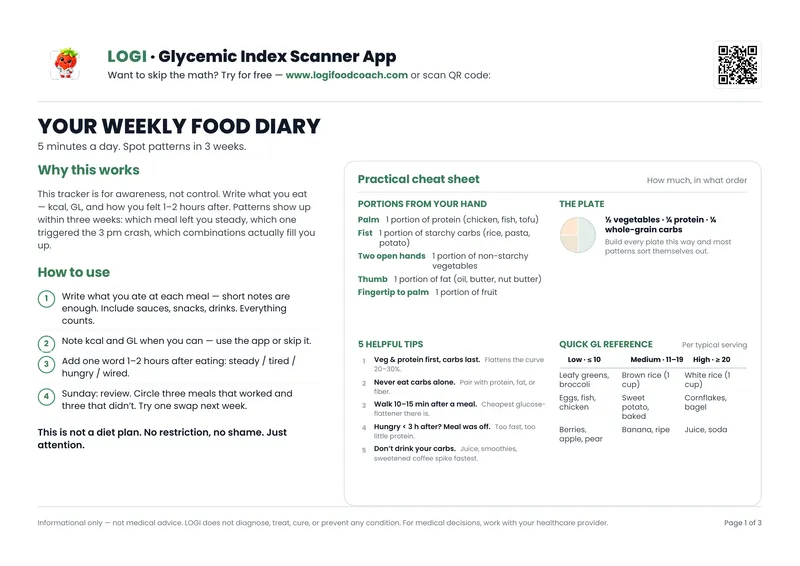
Free PDF — 3 pages
Your Weekly Food Journal
Track meals, glycemic load & mood. Spot patterns in 3 weeks.
No spam. Unsubscribe anytime.