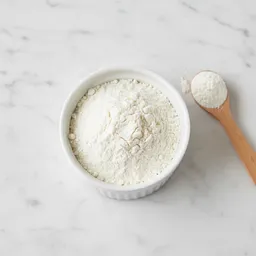
Self-raising flour
High GI
GL 91.5 per typical cup (150 g) · GL 61 per 100 g
- Low fat content
- High glycemic index and load
Self-raising flour has a glycemic index of 85, the same as plain All-Purpose Flour (85). One typical cup (150 g) adds a glycemic load of 91.5.
Updated Jul 12, 2026 · Sources: Logi Nutrition Team (USDA-derived composition, AI-assisted) · Not medical advice · Report an error
Instead of this
- GL 1 per 100 g Almond flour has a significantly lower GI of 5 and GL of 1, which will prevent the sharp blood sugar spikes caused by self-raising flour.
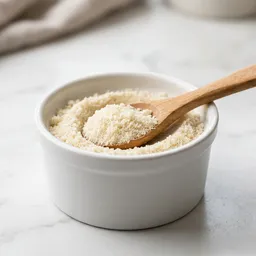 Almond flour
 - GL 4.5 per 100 g Lupin flour offers a much lower glycemic impact with a GI of 15 and GL of 2, making it a superior choice for blood sugar stability.
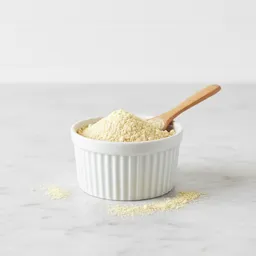 Lupin flour
 - GL 17.1 per 100 g Coconut flour provides a much lower GL of 3 compared to 61, helping to maintain steadier glucose levels after your meal.
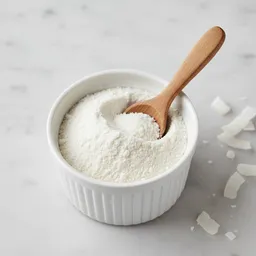 Coconut flour
 - GL 25 per 100 g While higher than the others, chickpea flour's GL of 25 is still substantially lower than self-raising flour, offering a more moderate glycemic response.
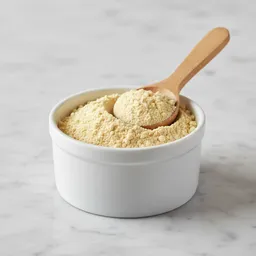 Chickpea Flour
Forms of All-Purpose Flour
- GI 85 · GL 65 per 100 g
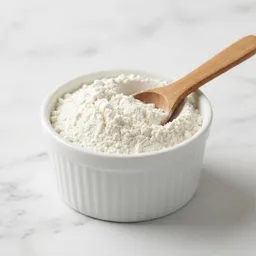 All-Purpose Flour
 - GI 45 · GL 27 per 100 g high fiber
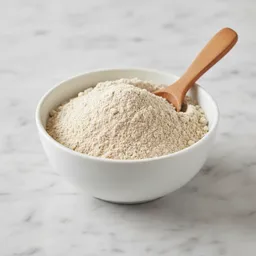 High-fiber flour
 - Multi-grain flour blendGI 55 · GL 37 per 100 g multigrainblend
- GI 55 · GL 40 per 100 g whole
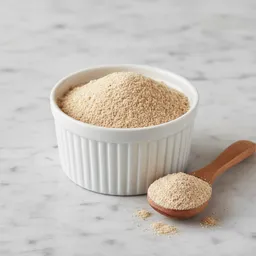 Graham flour
 - GI 70 · GL 50 per 100 g pink
 Pink flour
 - High protein flourGI 75 · GL 51 per 100 g high protein
- GI 85 · GL 62 per 100 g type 00
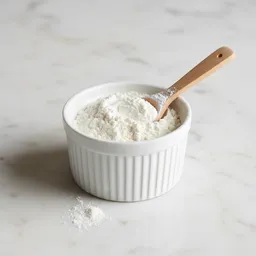 Type 00 Flour
 - +2 more
Logi · Manage Insulin Resistance
Lower your blood sugar through smarter food choices
Self-raising flour is one of the 11,117 foods Logi scores when you photograph a meal — with the portion.


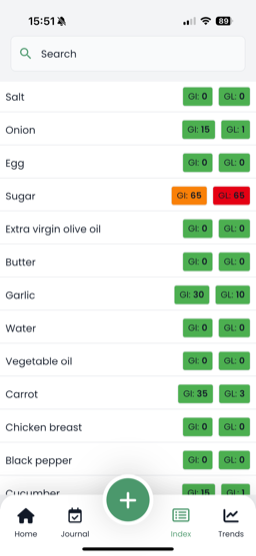
Nutrition Facts (per 100g)
per 100g
| Calories | 355 kcal |
| Carbohydrates | 72 g |
| Sugars (Total) | 1 g |
| Natural | 1 g |
| Added | 0 g |
| Fiber | 2.5 g |
| Soluble | 0.8 g |
| Insoluble | 1.8 g |
| Protein | 9 g |
| Fat | 1.2 g |
| Saturated | 0.2 g |
| Unsaturated | 1 g |
| Sodium | 600 mg |
Processing Level
Why this score?
- Low fat content
- Source of carbohydrates
- High glycemic index and load
- Low fiber content
- Moderately processed
Allergens
Low-GI recipes on Logi Food Coach
Frequently Asked Questions
What is the glycemic index of Self-raising flour?
Self-raising flour has a glycemic index of 85 (High). One typical cup (150 g) has a glycemic load of 91.5; per 100 g the glycemic load is 61.
Is Self-raising flour good for people with insulin resistance?
Self-raising flour has a high glycemic index (85) and raises blood sugar quickly. A lower-load alternative is Almond flour.
Which form of All-Purpose Flour has the lowest glycemic load?
Among the forms of All-Purpose Flour in this database, High-fiber flour has the lowest glycemic load (27 per 100 g).
Check Self-raising flour in the Logi app, with your portion.