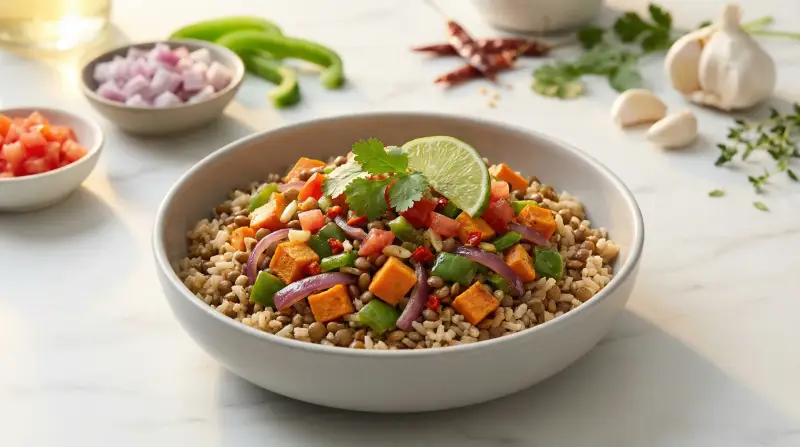
Miska z warzywami i soczewicą w stylu południowo-zachodnim przyjazna dla poziomu cukru we krwi
Bogata w błonnik, roślinna miska łącząca soczewicę pełną białka, warzywa bogate w składniki odżywcze i brązowy ryż dla długotrwałej energii bez skoków poziomu cukru we krwi.
Ta pożywna miska inspirowana kuchnią południowo-zachodnią została specjalnie zaprojektowana, aby wspierać stabilny poziom cukru we krwi, jednocześnie dostarczając wyjątkowego smaku i wartości odżywczych. Połączenie brązowego ryżu i dwóch rodzajów soczewicy tworzy niskoindeksową podstawę, która uwalnia energię powoli, zapobiegając gwałtownym skokom glukozy związanym z rafinowanymi ziarnami. Zarówno zielona, jak i czerwona soczewica to potęgi odżywcze o indeksie glikemicznym około 32, co czyni je idealnymi do kontrolowania poziomu cukru we krwi.
Przepis strategicznie włącza warzywa bogate w błonnik, takie jak jarmuż, papryka i batat, które spowalniają trawienie i moderują wchłanianie glukozy. Bataty, pomimo naturalnej słodyczy, mają niższy wpływ glikemiczny niż białe ziemniaki, gdy są spożywane z białkiem i tłuszczem. Dodanie czarnej fasoli dodatkowo zwiększa zawartość białka i błonnika rozpuszczalnego, tworząc kompletny profil aminokwasów, który sprzyja uczuciu sytości i stabilności metabolicznej.
Dla optymalnej kontroli poziomu cukru we krwi rozważ zjedzenie jarmużu i warzyw przed ziarnami — ta technika "sekwencjonowania posiłków" może zmniejszyć skoki glukozy po posiłku nawet o 73%. Świeży sok z limonki i ocet dodają kwasowości, która pomaga spowolnić rozkład węglowodanów, podczas gdy kminek zapewnia korzyści przeciwzapalne. Ten jednomiskowy posiłek dostarcza trwałej energii na 4-6 godzin, co czyni go idealnym na lunch lub obiad, gdy potrzebujesz długotrwałego paliwa bez nagłego spadku energii.
Wpływ na cukier we krwi
Ten posiłek powinien wywołać stopniowy, umiarkowany wzrost poziomu cukru we krwi z trwałą energią na 3-4 godziny dzięki niskiemu IG wynoszącemu 27 i umiarkowanemu ładunkowi glikemicznemu 12,5. Połączenie soczewicy bogatej w błonnik, warzyw i złożonych węglowodanów sprzyja stałemu uwalnianiu glukozy zamiast gwałtownych skoków.
Porady o cukrze
- ✓ Zjedz warzywa i soczewicę przed batatem i brązowym ryżem, aby spowolnić wchłanianie węglowodanów
- ✓ Dodaj łyżkę oliwy z oliwek lub małą porcję awokado, aby dodatkowo zmniejszyć odpowiedź glikemiczną dzięki zdrowym tłuszczom
- ✓ Zrób 10-15 minutowy spacer po jedzeniu, aby pomóc mięśniom wchłonąć glukozę i zapobiec wzrostowi poziomu cukru we krwi
🥗 Składniki
- 2 tsp olej rzepakowy
- 1 cup czerwona cebula, posiekana
- 2 cup zielona papryka, posiekana
- 1 pcs papryczka chili do wyboru, drobno posiekana
- 2 pcs ząbki czosnku, drobno posiekane
- 1 cup batat, pokrojony w kostkę
- 1 cup pomidor, posiekany
- 1 cup brązowy ryż, surowy
- 0.5 cup zielona soczewica, suszona
- 0.5 cup czerwona soczewica, suszona
- 1 tbsp mielony kminek
- 1 tbsp świeżo mielony czarny pieprz
- 1 tbsp ocet winny czerwony
- 2 cup wywar warzywny bez dodatku soli
- 2 cup woda
- 4 cup jarmuż, posiekany
- 1 cup ugotowana czarna fasola
- 2 tbsp świeża kolendra, drobno posiekana
- 4 pcs ćwiartki limonki
- 2 tsp olej rzepakowy
- 1 cup czerwona cebula, posiekana
- 2 cup zielona papryka, posiekana
- 1 pcs papryczka chili do wyboru, drobno posiekana
- 2 pcs ząbki czosnku, drobno posiekane
- 1 cup batat, pokrojony w kostkę
- 1 cup pomidor, posiekany
- 1 cup brązowy ryż, surowy
- 0.5 cup zielona soczewica, suszona
- 0.5 cup czerwona soczewica, suszona
- 1 tbsp mielony kminek
- 1 tbsp świeżo mielony czarny pieprz
- 1 tbsp ocet winny czerwony
- 2 cup wywar warzywny bez dodatku soli
- 2 cup woda
- 4 cup jarmuż, posiekany
- 1 cup ugotowana czarna fasola
- 2 tbsp świeża kolendra, drobno posiekana
- 4 pcs ćwiartki limonki
👨🍳 Instrukcje
- 1
Rozgrzej olej rzepakowy na dużej, głębokiej patelni lub w rondlu żeliwnym na średnio wysokim ogniu. Gdy olej zacznie lśnić, dodaj posiekaną czerwoną cebulę i smaż przez 3-4 minuty, od czasu do czasu mieszając, aż zacznie mięknieć.
- 2
Dodaj posiekaną zieloną paprykę, drobno posiekaną papryczką chili, drobno posiekany czosnek, pokrojony w kostkę batat i posiekany pomidor do patelni. Smaż mieszankę warzywną przez 10-12 minut, często mieszając, aż cebula stanie się przezroczysta, a batat zacznie lekko mięknąć.
- 3
Wmieszaj surowy brązowy ryż, zieloną soczewicę i czerwoną soczewicę, oblewając je mieszanką warzywną. Dodaj mielony kminek, czarny pieprz i ocet winny czerwony, dokładnie mieszając, aby równomiernie rozprowadzić przyprawy.
- 4
Wlej wywar warzywny i wodę, mieszając, aby połączyć wszystkie składniki. Zwiększ ogień, aby doprowadzić mieszankę do wrzenia, a następnie natychmiast zmniejsz ogień do niskiego, aby utrzymać delikatne gotowanie.
- 5
Przykryj patelnię szczelnie pokrywką i gotuj przez 45 minut bez podnoszenia pokrywki. Ryż i soczewica powinny wchłonąć płyn i stać się miękkie. Jeśli po 45 minutach pozostanie nadmiar płynu, zdejmij pokrywkę i gotuj odkryte przez dodatkowe 5 minut.
- 6
Zdejmij patelnię z ognia i odstaw, przykrytą, na 5 minut. To pozwala ziarnom dokończyć gotowanie na parze i smakom się połączyć.
- 7
Dodaj posiekany jarmuż, ugotowaną czarną fasolę i drobno posiekaną kolendrę do patelni. Delikatnie wmieszaj te składniki w ciepłą mieszankę zbożową, aż jarmuż lekko zwiędnie od resztkowego ciepła, około 2-3 minuty.
- 8
Podziel zawartość na sześć misek. Udekoruj każdą porcję ćwiartką limonki i zachęć biesiadników do wyciśnięcia świeżego soku z limonki na miskę tuż przed jedzeniem. Dla optymalnej kontroli poziomu cukru we krwi zjedz najpierw warzywa i fasolę, potem zboża.
📊 Wartości odżywcze na porcję
| Na porcję | Całe danie | |
|---|---|---|
| Kalorie | 282 | 1690 |
| Węglowodany | 51g | 303g |
| Cukry | 7g | 39g |
| Cukry naturalne | 7g | 39g |
| Białko | 15g | 91g |
| Tłuszcz | 3g | 19g |
| Tłuszcz nasycony | 0g | 2g |
| Tłuszcze nienasycone | 3g | 16g |
| Błonnik | 18g | 109g |
| Błonnik rozpuszczalny | 4g | 23g |
| Błonnik nierozpuszczalny | 9g | 53g |
| Sód | 364mg | 2185mg |
Przewidywana odpowiedź glukozowa
A gdybyś...
Model szacunkowy — indywidualne reakcje mogą się różnić. To nie porada medyczna.
🔄 Zamienniki o niższym IG
Bataty mają umiarkowany do wysokiego indeks glikemiczny (63-70). Kalafior, cukinia i rzepa to warzywa niskoskrobiowe o minimalnym wpływie na poziom cukru we krwi, utrzymując ŁG znacznie niższy, jednocześnie dodając objętości i błonnika.
Brązowy ryż ma IG 50-55. Ryż kalafiorowy ma praktycznie zerowy wpływ glikemiczny, podczas gdy komosa ryżowa (IG 53) i jęczmień (IG 28) zapewniają alternatywy o niższym indeksie glikemicznym z większą ilością białka i błonnika rozpuszczalnego, który spowalnia wchłanianie glukozy.
Chociaż olej rzepakowy nie wpływa bezpośrednio na poziom cukru we krwi, oliwa z oliwek extra virgin i olej z awokado zawierają więcej tłuszczów jednonienasyconych i polifenoli, które poprawiają wrażliwość na insulinę i pomagają moderować odpowiedź glukozy po posiłku.
Chociaż czerwona cebula ma stosunkowo niski indeks glikemiczny, szalotki i por mają nieco niższą zawartość węglowodanów na porcję i zapewniają podobny smak z marginalnie mniejszym wpływem na poziom glukozy we krwi.
🔬 Nauka za tym przepisem
Dlaczego ta miska utrzymuje stabilny poziom cukru we krwi
Ta miska w stylu południowo-zachodnim to mistrzostwo w zarządzaniu poziomem cukru we krwi, z niezwykle niskim indeksem glikemicznym wynoszącym 27 i ładunkiem glikemicznym zaledwie 12,5 na porcję. Gwiazdą składnika jest tutaj soczewica, która jest pełna zarówno błonnika rozpuszczalnego, jak i białka roślinnego. Ten błonnik tworzy substancję przypominającą żel w przewodzie pokarmowym, dramatycznie spowalniając tempo, w jakim glukoza dostaje się do krwiobiegu. Tymczasem zawartość białka (około 18g na szklankę ugotowanej soczewicy) dodatkowo opóźnia trawienie i pomaga organizmowi przetwarzać węglowodany stopniowo. To połączenie oznacza, że doświadczysz łagodnego, stopniowego wzrostu poziomu cukru we krwi, a nie gwałtownego skoku, po którym następuje spadek energii.
Warzywa w tym przepisie to nie tylko smak — to funkcjonalni sojusznicy poziomu cukru we krwi. Papryka, cebula i papryczki chili są wszystkie niskie w węglowodanach, ale bogate w błonnik i zawartość wody, co dodaje objętości posiłkowi bez dodawania ładunku glikemicznego. Kapsaicyna w paprykach chili może nawet nieznacznie przyspieszyć metabolizm i poprawić wrażliwość na insulinę. Kiedy łączysz te warzywa niskoskrobiowe z soczewicą, tworzysz posiłek, w którym większość objętości pochodzi ze składników o niskim indeksie glikemicznym, naturalnie ograniczając ogólny wpływ na poziom cukru we krwi.
Oto wskazówka, jak zmaksymalizować korzyści dla poziomu cukru we krwi: zjedz najpierw warzywa, potem soczewicę. Ta strategia "sekwencjonowania jedzenia" wykazała w niektórych badaniach zmniejszenie skoków glukozy po posiłku nawet o 73%. Błonnik z warzyw tworzy fizyczną barierę w żołądku, spowalniając wchłanianie skrobi, która następuje później. Połącz tę miskę z 10-minutowym spacerem po jedzeniu, a pomożesz mięśniom efektywniej wchłaniać glukozę, utrzymując poziom cukru we krwi w jeszcze zdrowszym zakresie.
Podobne przepisy
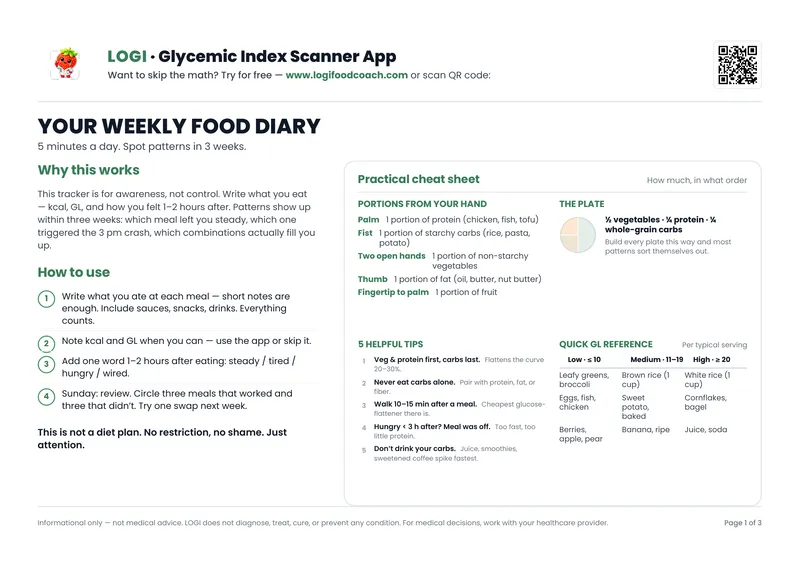
Darmowy PDF — 3 strony
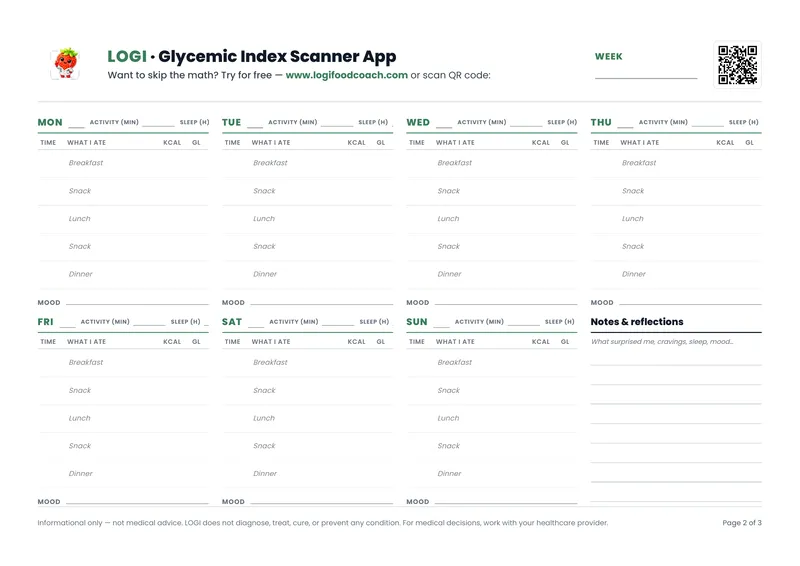
Tygodniowy dziennik jedzenia
Notuj posiłki, ładunek glikemiczny i samopoczucie. Wzorce widać po 3 tygodniach.
Zero spamu. Wypisz się kiedy chcesz.