Roast Chicken with Celeriac Chips and Garlicky Greens
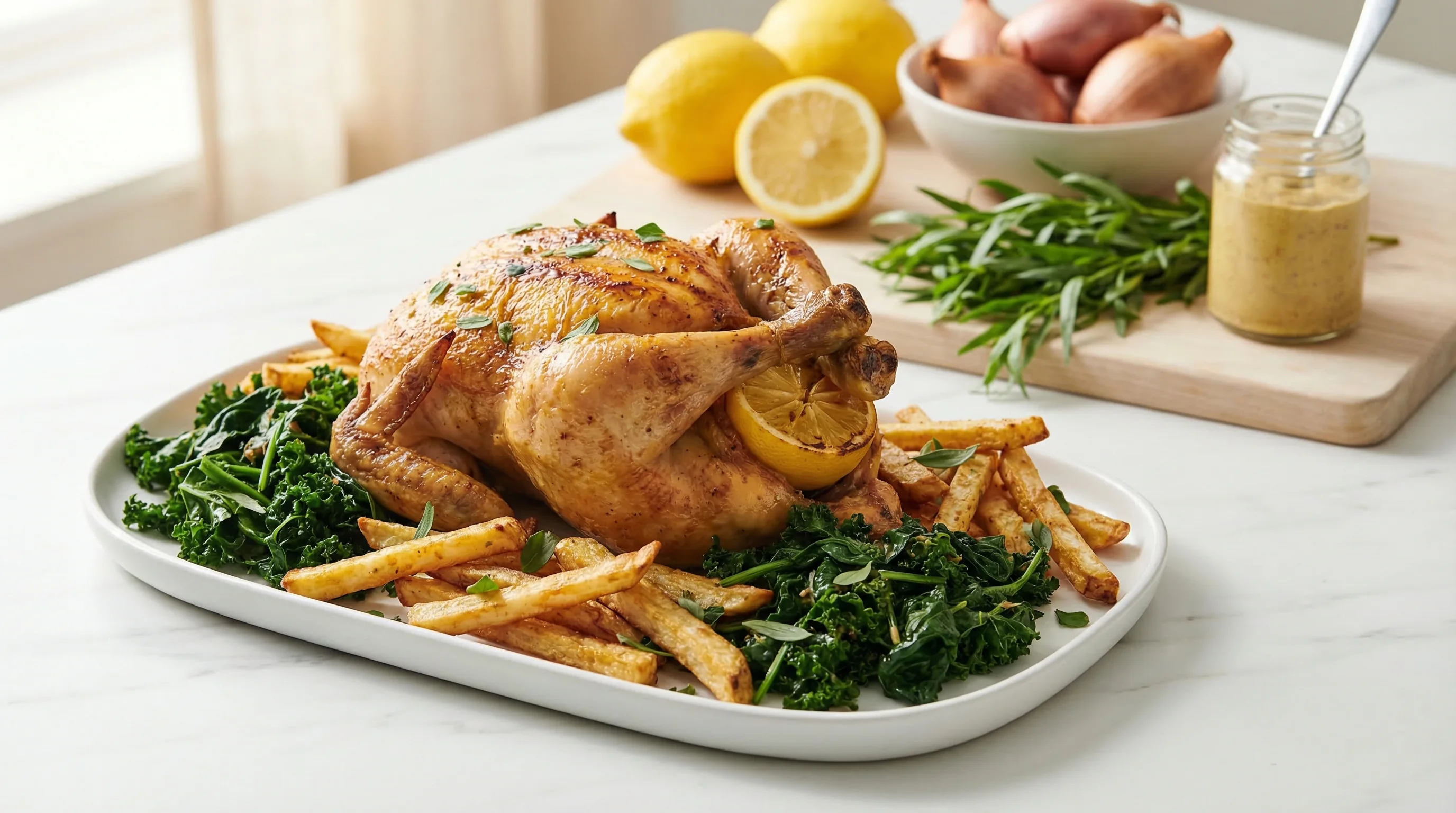
Tender roasted chicken paired with crispy low-GI celeriac chips and nutrient-rich cavolo nero—a blood sugar-friendly twist on a classic roast dinner.
This wholesome roast chicken dinner transforms a traditional favorite into a blood sugar-friendly feast by swapping high-glycemic potato chips for celeriac fries. Celeriac, also known as celery root, has a remarkably low glycemic index (around 35) and provides steady energy without spiking blood glucose levels. Its high fiber content slows digestion and promotes satiety, making it an ideal choice for managing blood sugar.
The recipe features succulent roasted chicken infused with bright lemon flavor, paired with golden-roasted celeriac chips that develop a satisfying crispy exterior while remaining tender inside. Dark leafy cavolo nero (Tuscan kale) adds another low-glycemic element packed with fiber, vitamins, and minerals that support metabolic health. The fresh tarragon and lemon dressing provides vibrant flavor without added sugars, while shallots and Dijon mustard contribute beneficial compounds that may help moderate glucose response.
For optimal blood sugar management, enjoy this meal by eating the cavolo nero and celeriac first, followed by the protein-rich chicken. This eating sequence helps slow glucose absorption. The combination of lean protein, fiber-rich vegetables, and minimal processing makes this dish ideal for lunch or dinner, providing sustained energy for 4-6 hours without blood sugar crashes.
Blood Sugar Impact
This meal will have a low to moderate blood sugar impact due to its low GI of 45 and moderate glycemic load of 17.9. The combination of protein from chicken, fiber from celeriac and greens, and minimal refined carbohydrates should provide steady energy for 3-4 hours without significant spikes.
Blood Sugar Tips
- ✓ Eat the garlicky greens first to benefit from fiber slowing glucose absorption, then move to the protein and celeriac chips
- ✓ Pair this meal with a 10-15 minute walk after eating to help muscles utilize glucose and blunt any blood sugar rise
- ✓ Keep portion sizes of celeriac chips moderate (about 1 cup) as root vegetables still contain carbohydrates that can raise blood sugar if consumed in large amounts
🥗 Ingredients
- 1.5 g 1.5kg whole chicken
- 1 pcs 1 lemon, for cavity
- 1000 g 1kg celeriac, peeled and sliced into fries
- 10 ml Low-calorie cooking spray
- 15 g Small bag fresh tarragon, finely chopped
- 100 g 4-6 shallots, finely chopped
- 2 tsp 2 level tsp Dijon mustard
- 60 ml Juice of 2 lemons
- 1 tsp Unwaxed zest of 1 lemon
- 1 pcs 1 large garlic clove, finely sliced
- 250 g 250g cavolo nero, shredded
- 2 g Black pepper, to taste
- 3.3 lb 1.5kg whole chicken
- 1 pcs 1 lemon, for cavity
- 2.2 lb 1kg celeriac, peeled and sliced into fries
- 2 tsp Low-calorie cooking spray
- 0.5 oz Small bag fresh tarragon, finely chopped
- 3.5 oz 4-6 shallots, finely chopped
- 2 tsp 2 level tsp Dijon mustard
- 4 tbsp Juice of 2 lemons
- 1 tsp Unwaxed zest of 1 lemon
- 1 pcs 1 large garlic clove, finely sliced
- 8.8 oz 250g cavolo nero, shredded
- 0.1 oz Black pepper, to taste
👨🍳 Instructions
- 1
Preheat your oven to 200°C (180°C fan/gas mark 6). Pat the whole chicken dry with paper towels and place it on a large non-stick baking tray. Insert the whole lemon into the chicken cavity to infuse moisture and citrus flavor during roasting. Season the outside with black pepper if desired.
- 2
Place the chicken in the preheated oven and roast for approximately 1 hour, or until the internal temperature reaches 75°C and juices run clear when you pierce the thickest part of the thigh with a skewer. The skin will become golden and crispy during roasting.
- 3
While the chicken roasts, prepare the celeriac by peeling and cutting it into chip-shaped fries about 1cm thick. Spread them in a single layer on a separate large non-stick baking tray, ensuring they don't overlap. Lightly spray with low-calorie cooking spray. After the chicken has been roasting for 30 minutes, add the celeriac tray to the oven on a lower rack.
- 4
When the chicken is fully cooked, remove it from the oven, tent loosely with aluminum foil, and let it rest for 10-15 minutes. This allows juices to redistribute throughout the meat. Meanwhile, turn the celeriac chips and return them to the oven for an additional 15-20 minutes until they're golden brown and tender with crispy edges.
- 5
Prepare the tarragon-lemon dressing by combining the finely chopped tarragon, chopped shallots, Dijon mustard, lemon juice, and lemon zest in a small bowl. Add 1-2 tablespoons of water to create a pourable consistency and season generously with black pepper. Reserve half of this dressing in a covered container in the refrigerator for another meal.
- 6
Heat a large non-stick frying pan over medium-high heat and spray with cooking spray. Add the sliced garlic and sauté for 30-60 seconds until fragrant and just golden. Add the shredded cavolo nero, season with black pepper, and add a splash of water (about 2 tablespoons). Stir-fry for 4-5 minutes until the greens are tender but still vibrant.
- 7
Remove and discard the chicken skin and any visible fat deposits to reduce saturated fat content. Carve the chicken into serving portions, slicing the breast meat and separating the legs and thighs. Arrange portions of chicken, celeriac chips, and garlicky cavolo nero on each plate. Drizzle with the tarragon-lemon dressing and finish with a twist of black pepper.
- 8
For optimal blood sugar management, encourage diners to eat the cavolo nero and celeriac chips first, followed by the chicken. This eating sequence helps slow glucose absorption. The meal provides sustained energy with minimal glycemic impact, making it ideal for lunch or dinner.
📊 Nutrition Per Serving
| Per Serving | Whole Dish | |
|---|---|---|
| Calories | 719 | 4316 |
| Carbs | 40g | 237g |
| Sugars | 11g | 63g |
| Natural Sugars | 11g | 63g |
| Protein | 50g | 297g |
| Fat | 40g | 240g |
| Saturated Fat | 11g | 67g |
| Unsaturated Fat | 22g | 133g |
| Fiber | 11g | 64g |
| Soluble Fiber | 3g | 19g |
| Insoluble Fiber | 7g | 43g |
| Sodium | 227mg | 1360mg |
Predicted Glucose Response
What if you...
Estimated model — individual responses vary. Not medical advice.
🔄 Lower GI Swaps
Cauliflower, turnips, and radishes have lower glycemic loads than celeriac and contain more fiber, which slows glucose absorption. When roasted as chips, they provide similar texture with less impact on blood sugar levels.
Scallions and chives have negligible carbohydrate content compared to shallots, resulting in virtually no glycemic impact. Using extra garlic maintains flavor depth while keeping blood sugar response minimal.
While lemon juice has minimal glycemic impact, vinegars have been shown to improve insulin sensitivity and reduce post-meal blood sugar spikes. The acetic acid in vinegar can lower the glycemic response of the entire meal.
🔬 The Science Behind This Recipe
Why This Recipe Works for Blood Sugar Balance
This roast chicken dinner is a masterclass in blood sugar management, with a glycemic load of just 17.9 per serving—well below the threshold of 20 that defines a low-glycemic meal. The star of the show is the celeriac, a root vegetable that's often overlooked but incredibly valuable for glucose control. Unlike potatoes, which can spike blood sugar rapidly, celeriac contains just 9 grams of carbohydrates per cup compared to potatoes' 37 grams. Its high fiber content (nearly 2 grams per cup) slows down digestion and the release of glucose into your bloodstream, creating a gentle, sustained energy release rather than a sharp spike.
The chicken provides substantial protein and healthy fats, which are crucial for moderating your body's glucose response. When you eat protein alongside carbohydrates, it triggers a slower, more controlled insulin response and helps you feel satisfied longer. This combination essentially acts as a metabolic brake, preventing the rapid blood sugar swings that lead to energy crashes and increased hunger. The lemon and tarragon aren't just flavor enhancers—herbs and citrus have been shown to support insulin sensitivity and add antioxidants that protect against oxidative stress associated with blood sugar fluctuations.
To maximize the blood sugar benefits of this meal, start by eating your garlicky greens first, then the chicken, and save the celeriac chips for last. This "food sequencing" strategy can reduce your post-meal glucose spike by up to 40%. Consider taking a 10-15 minute walk after eating to help your muscles absorb glucose more efficiently, further smoothing out your blood sugar curve.
Related recipes

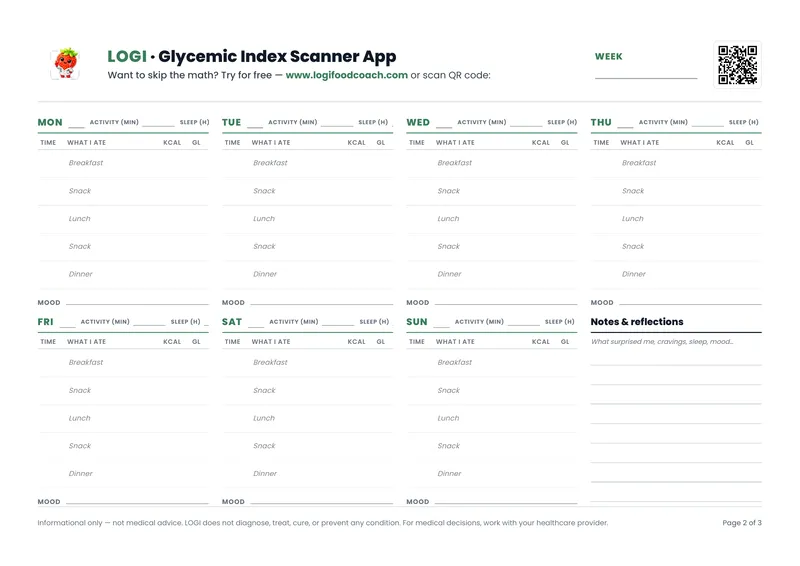
Free PDF — 3 pages
Your Weekly Food Journal
Track meals, glycemic load & mood. Spot patterns in 3 weeks.
No spam. Unsubscribe anytime.