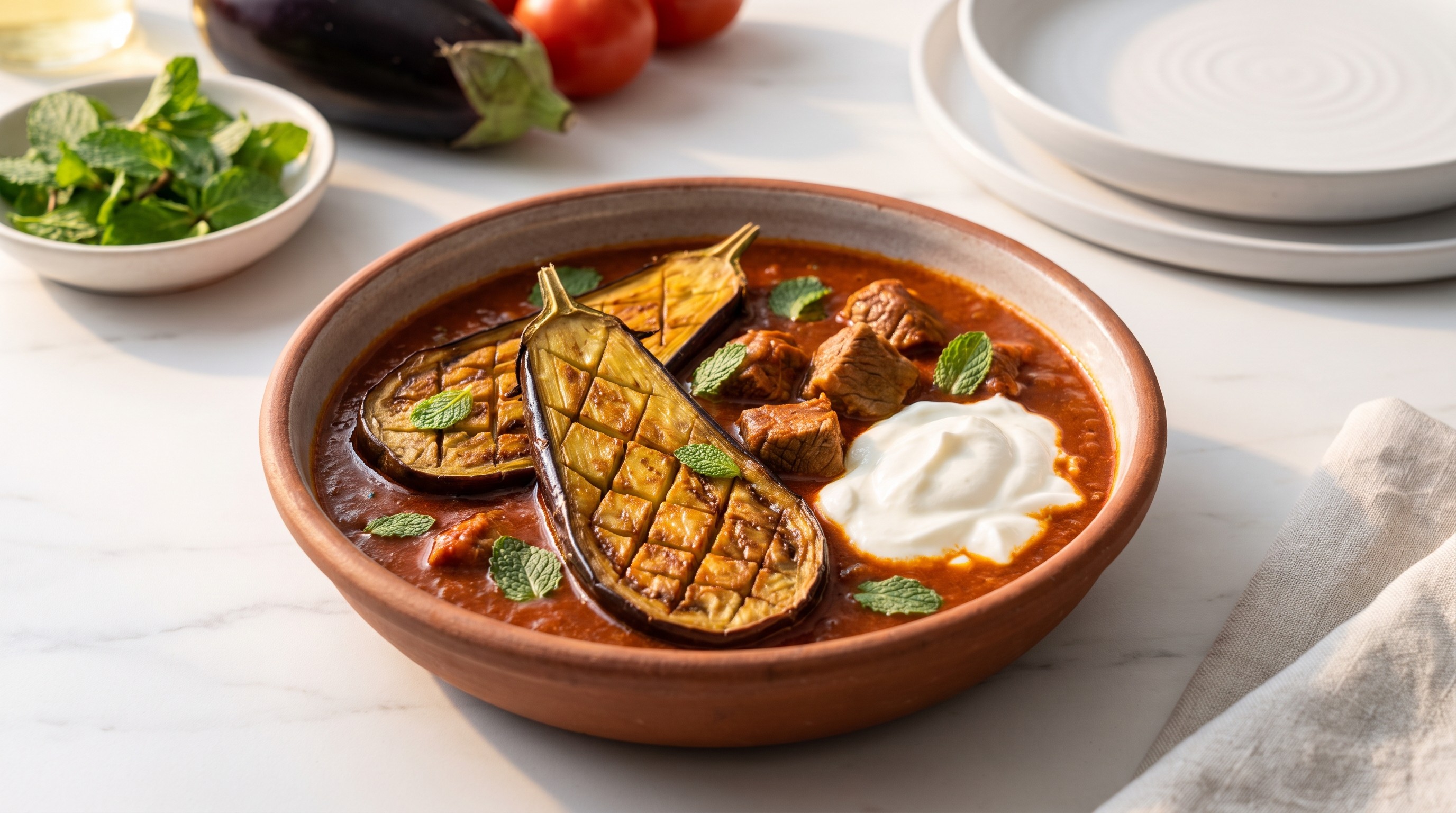
Khoresh Bademjan with Roasted Aubergine and Yogurt
Oven-roasted aubergine meets tender lamb in a warmly spiced Persian stew — served with cool yogurt and mint for a protein-rich, blood-sugar-friendly meal.
This low-glycemic take on Iran's beloved khoresh bademjan keeps everything that makes the original magnificent — silky aubergine, warmly spiced lamb, a bright tomato-based sauce — while making two smart swaps for steadier blood sugar. The aubergines are oven-roasted rather than deep-fried, which develops richer caramelisation with far less oil, and the dish is served over cool yogurt instead of white rice, eliminating the biggest glucose spike on the plate. Lemon juice provides the traditional tang of unripe grapes (ghooreh), rounding the sauce without any added sugar.
Every component here works in your favour metabolically. Aubergine is remarkably low in digestible carbohydrate and rich in soluble fibre, which slows gastric emptying and blunts post-meal glucose rises. Lamb delivers high-quality protein and fat that further flatten the glycemic curve, while turmeric's curcumin has been studied for its role in supporting insulin sensitivity. The cold Greek yogurt dolloped on at the end adds another layer of protein alongside probiotics that support a healthy gut microbiome — a factor increasingly linked to improved glucose regulation.
For the best blood-sugar response, start with a few spoonfuls of the yogurt before digging into the stew — eating protein and fat before carbohydrates has been shown to reduce post-meal glucose spikes by up to 40 percent. Pair this with a simple side salad dressed in olive oil and vinegar to add even more fibre and beneficial fats. The stew keeps well in the fridge for two days, and reheating actually increases the resistant starch content of any residual carbohydrates, making leftovers an even smarter choice for blood sugar management.
Blood Sugar Impact
Very low blood sugar impact expected. With a glycemic load of 5.9 and estimated GI of 17, this protein-and-vegetable-rich stew will produce a minimal, slow glucose rise and provide stable energy for 3-4 hours.
Blood Sugar Tips
- ✓ Eat the roasted aubergine and vegetables first before the lamb to further blunt any glucose response.
- ✓ Serve with a side of leafy greens or a cucumber-yogurt salad (raita) instead of white rice to keep the overall meal GI low.
- ✓ Take a gentle 10-15 minute walk after eating to enhance glucose uptake and maintain steady blood sugar levels.
🥗 Ingredients
- 2 pcs Aubergine
- 2 tbsp Olive oil
- 0.75 tsp Salt
- 250 g Lamb leg
- 1 pcs Onion
- 1 tsp Turmeric
- 0.5 tsp Cinnamon
- 1 tbsp Tomato paste
- 200 g Crushed tomatoes
- 2 tbsp Lemon juice
- 100 g Greek yogurt
- 1 pcs Mint
- 2 pcs Aubergine
- 2 tbsp Olive oil
- 0.75 tsp Salt
- 8.8 oz Lamb leg
- 1 pcs Onion
- 1 tsp Turmeric
- 0.5 tsp Cinnamon
- 1 tbsp Tomato paste
- 7.1 oz Crushed tomatoes
- 2 tbsp Lemon juice
- 3.5 oz Greek yogurt
- 1 pcs Mint
👨🍳 Instructions
- 1
Heat the oven to 220 °C (425 °F). Score a deep crosshatch pattern into the flesh of each aubergine half, cutting almost to the skin without piercing it. Brush the scored surfaces with one tablespoon of olive oil and sprinkle with a small pinch of salt. Arrange the halves cut-side up on a parchment-lined baking tray.
- 2
Roast the aubergines for 20 minutes until the flesh is deeply golden and completely soft when pressed with the back of a spoon. Remove from the oven and set aside.
- 3
While the aubergines roast, warm the remaining tablespoon of olive oil in a heavy-bottomed pot or Dutch oven over high heat. Add the lamb cubes in a single layer and sear without moving for about 2 minutes per side until well browned on all faces, roughly 5 minutes total. Transfer the lamb to a clean plate and reserve any juices.
- 4
Lower the heat to medium. Add the diced onion to the same pot and cook for 4 minutes, stirring occasionally, until softened and translucent. Stir in the turmeric, cinnamon, and tomato paste. Cook for 1 minute, stirring constantly, until the spices bloom and the paste darkens slightly.
- 5
Return the browned lamb along with any collected resting juices. Pour in the crushed tomatoes, lemon juice, and 100 ml of water. Stir everything together and bring to a gentle simmer. Cover the pot, reduce the heat to low, and cook for 20 minutes until the lamb is fork-tender and the sauce has thickened.
- 6
Carefully nestle the roasted aubergine halves into the stew, spooning the sauce generously over the top. Simmer uncovered for 5 minutes so the aubergine absorbs the spiced sauce and the liquid reduces slightly. Taste and adjust the seasoning with salt as needed.
- 7
Divide the stew between two warmed bowls, placing two aubergine halves in each. Top with a generous dollop of cold Greek yogurt, scatter over the fresh mint leaves, and serve immediately. For the best blood-sugar response, take a few spoonfuls of yogurt before the stew — eating protein and fat first helps blunt the glucose curve.
📊 Nutrition Per Serving
| Per Serving | Whole Dish | |
|---|---|---|
| Calories | 567 | 1133 |
| Carbs | 35g | 70g |
| Sugars | 20g | 40g |
| Natural Sugars | 20g | 40g |
| Protein | 36g | 71g |
| Fat | 35g | 70g |
| Saturated Fat | 10g | 21g |
| Unsaturated Fat | 23g | 46g |
| Fiber | 12g | 23g |
| Soluble Fiber | 4g | 7g |
| Insoluble Fiber | 8g | 16g |
| Sodium | 993mg | 1986mg |
Predicted Glucose Response
What if you...
Estimated model — individual responses vary. Not medical advice.
🔄 Lower GI Swaps
Tomato paste is concentrated and can contain added sugars, raising its glycemic load per tablespoon. No-sugar-added passata or fresh puree delivers tomato flavor with lower sugar density and a gentler blood sugar impact.
Many canned crushed tomatoes contain added sugar or citric acid that can slightly elevate glycemic load. Fresh tomatoes (GI ~15) have more intact fiber and no added sugars, resulting in a slower glucose response.
Full-fat Greek yogurt and labneh have higher fat and protein content per serving, which slows gastric emptying and blunts postprandial blood sugar spikes compared to lower-fat versions. Labneh also has less residual lactose due to extended straining.
Cooked onion caramelizes and concentrates its natural sugars, raising its effective GI. Spring onion greens and celery contribute aromatic depth with significantly less sugar per volume and more fiber, keeping the glycemic load lower.
🔬 The Science Behind This Recipe
Here's the science explainer section:
---
Why This Recipe Works for Blood Sugar
This Persian-inspired stew is a naturally blood-sugar-friendly meal, and the numbers tell the story: with a glycemic load of just 5.9 per serving, it falls well into the "low" category. But what matters even more than the GI value of 17 is *why* it's so low — and that comes down to three powerhouse ingredients working together. Eggplant is the star here. It's remarkably low in starch and packed with soluble fiber, which forms a gel-like substance in your digestive tract that slows the absorption of sugars. Think of it as a natural speed bump for glucose entering your bloodstream. One cup of eggplant contains about 2.5 grams of fiber but only around 5 grams of total carbohydrates — that's an excellent ratio for keeping blood sugar steady.
Olive oil and lamb leg add the second layer of protection. Healthy fats from olive oil and the protein in lamb both slow gastric emptying — the rate at which food leaves your stomach. When carbohydrates are eaten alongside fat and protein, they're absorbed much more gradually, preventing the sharp spikes and crashes that leave you feeling tired and hungry an hour later. This is exactly why pairing strategies matter: a slice of bread alone behaves very differently in your body than bread dipped in olive oil alongside roasted meat.
To get the most from this meal, try eating the roasted aubergine and any vegetables first before moving to rice or bread on the side. A short 10–15 minute walk after eating can also help your muscles absorb glucose more efficiently. Remember, glycemic load accounts for both the *type* and *amount* of carbohydrates — and this recipe keeps both beautifully in check.
Related recipes
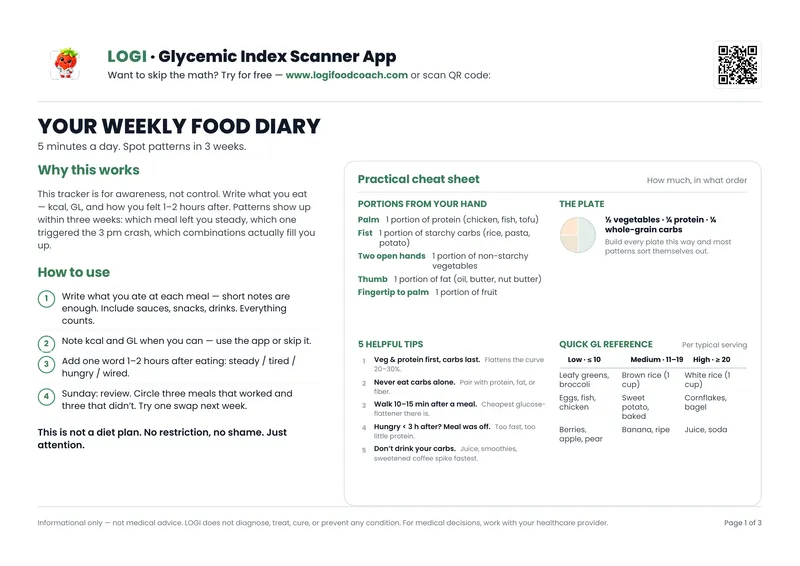
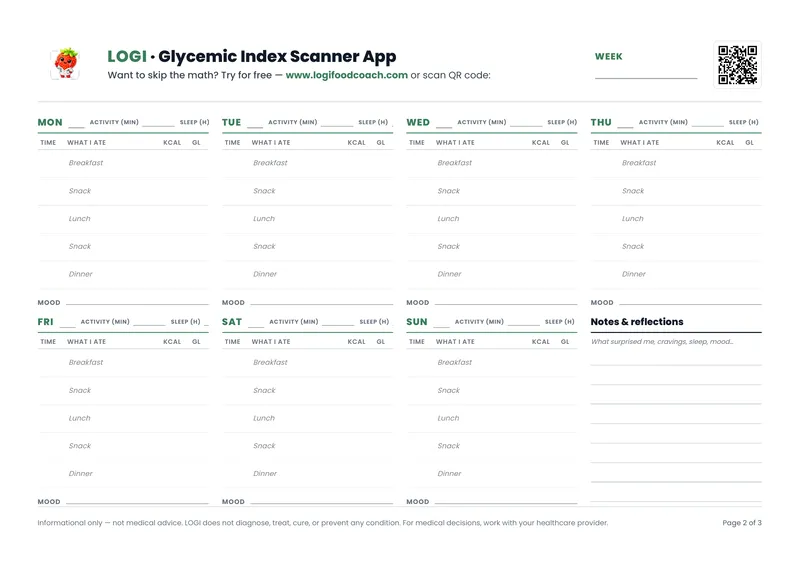
Free PDF — 3 pages
Your Weekly Food Journal
Track meals, glycemic load & mood. Spot patterns in 3 weeks.
No spam. Unsubscribe anytime.