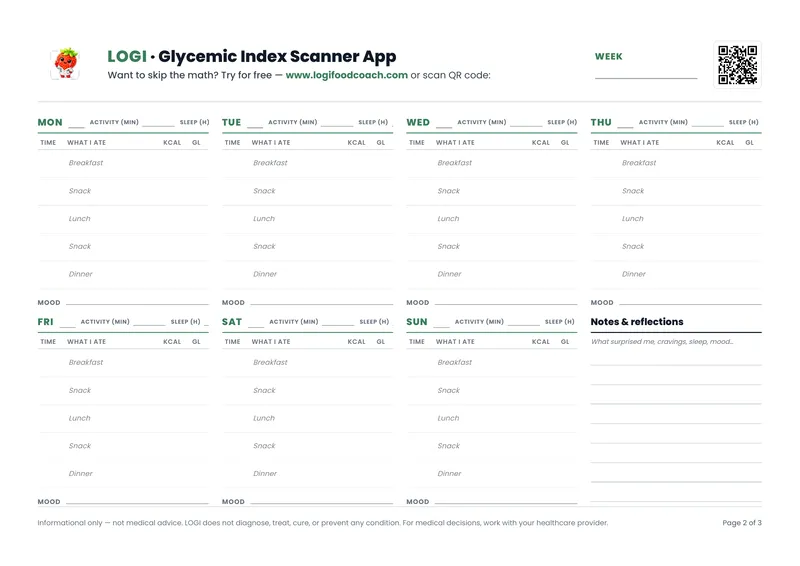
Drei-Bohnen-Salat mit niedrigem glykämischen Index und Kräutervinaigrette
Eine ballaststoffreiche Bohnenmischung mit würziger Vinaigrette, die den Blutzucker stabil hält und dabei köstlich schmeckt – perfekt für Sommerfeste.
Dieser aufgepeppte Drei-Bohnen-Salat verwandelt einen klassischen Partysalat in ein blutzuckerfreundliches Kraftpaket. Durch die Kombination von proteinreichen Kidneybohnen, cremigen Cannellinibohnen und knackigen grünen Bohnen liefert dieses Gericht anhaltende Energie ohne Blutzuckerspitzen. Das Geheimnis liegt in unserem angepassten Dressing – wir haben den Zuckerzusatz drastisch reduziert und dafür den Geschmack mit Apfelessig, Dijon-Senf und frischen Kräutern verstärkt.
Bohnen sind hervorragend für die Blutzuckerkontrolle geeignet, da sie sowohl lösliche Ballaststoffe enthalten, die die Glukoseaufnahme verlangsamen, als auch resistente Stärke, die nützliche Darmbakterien füttert. Die Kombination aus drei Bohnensorten liefert etwa 8-10 Gramm Ballaststoffe pro Portion und hilft so, die Blutzuckerreaktion zu regulieren. Frische Petersilie bringt nicht nur Farbe, sondern auch Antioxidantien, während rote Zwiebeln Quercetin beisteuern, eine Verbindung, die auf ihre mögliche insulinsensibilisierende Wirkung untersucht wird.
Für eine optimale Blutzuckerkontrolle genießt du diesen Salat am besten als Teil einer ausgewogenen Mahlzeit und nicht allein. Die gesunden Fette aus dem Olivenöl verlangsamen die Verdauung, während Protein und Ballaststoffe zusammenwirken, um einen schnellen Glukoseanstieg zu verhindern. Dieser Salat wird durch das Marinieren sogar noch besser – die Aromen vertiefen sich, während die blutzuckerfreundlichen Eigenschaften erhalten bleiben. Gut gekühlt servieren, dazu gegrilltes Fleisch oder Fisch für eine vollständige, diabetikerfreundliche Mahlzeit, die beweist, dass gesunde Ernährung niemals Geschmacksverzicht bedeutet. Jede Portion von 1 Tasse hat eine glykämische Last von nur 6,5 und sorgt so für stabile Blutzuckerwerte über den ganzen Nachmittag.
Blutzucker-Auswirkung
Diese Mahlzeit wird aufgrund ihrer niedrigen glykämischen Last von 6,5 und des moderaten GI von 50 eine geringe bis moderate Auswirkung auf den Blutzucker haben. Der hohe Ballaststoffgehalt aus den Bohnen wird die Glukoseaufnahme verlangsamen und für 3-4 Stunden gleichmäßige Energie liefern, ohne nennenswerte Spitzen.
Blutzucker-Tipps
- ✓ Essen Sie diesen Salat als Vorspeise vor kohlenhydratreicheren Lebensmitteln, um die Ballaststoffe und das Protein für eine bessere Blutzuckerkontrolle der gesamten Mahlzeit zu nutzen
- ✓ Fügen Sie eine magere Proteinquelle wie gegrilltes Hähnchen oder Fisch hinzu, um die Verdauung weiter zu verlangsamen und die Sättigung zu erhöhen
- ✓ Machen Sie nach dem Essen einen 10-15-minütigen Spaziergang, um den Muskeln zu helfen, Glukose aufzunehmen und jeden geringen Blutzuckeranstieg abzumildern
🥗 Zutaten
- 15 oz Kidneybohnen aus der Dose, abgetropft und abgespült
- 1.5 cup tiefgekühlte grüne Bohnen, aufgetaut
- 0.25 cup rote Zwiebel, fein gewürfelt
- 0.25 cup frische Petersilie, gehackt
- 0.25 cup Apfelessig
- 0.25 cup natives Olivenöl extra
- 1 tbsp Süßungsmittel in Granulatform oder Zucker
- 1 tsp feines Meersalz
- 0.25 tsp frisch gemahlener schwarzer Pfeffer
- 1 tsp Dijon-Senf
- 15 oz Kidneybohnen aus der Dose, abgetropft und abgespült
- 1.5 cup tiefgekühlte grüne Bohnen, aufgetaut
- 0.25 cup rote Zwiebel, fein gewürfelt
- 0.25 cup frische Petersilie, gehackt
- 0.25 cup Apfelessig
- 0.25 cup natives Olivenöl extra
- 1 tbsp Süßungsmittel in Granulatform oder Zucker
- 1 tsp feines Meersalz
- 0.25 tsp frisch gemahlener schwarzer Pfeffer
- 1 tsp Dijon-Senf
👨🍳 Anleitung
- 1
Beide Dosen Kidneybohnen und Cannellinibohnen öffnen. In ein feinmaschiges Sieb gießen und 30 Sekunden lang gründlich unter kaltem fließendem Wasser abspülen, um überschüssiges Salz und Stärke zu entfernen. Vollständig abtropfen lassen und in eine große Schüssel geben.
- 2
Falls du tiefgekühlte grüne Bohnen verwendest, gib sie in ein Sieb und halte sie unter kühles Wasser, bis sie vollständig aufgetaut sind, oder lass sie 20 Minuten bei Raumtemperatur stehen. Mit Küchenpapier trocken tupfen, um überschüssige Feuchtigkeit zu entfernen, dann zu den anderen Bohnen in die Schüssel geben.
- 3
Die rote Zwiebel schälen und in dünne Scheiben schneiden, dann die Scheiben in eine kleine Schüssel mit Eiswasser legen. 5 Minuten einweichen lassen, um die Schärfe zu mildern und die Bekömmlichkeit zu verbessern. Gut abtropfen lassen, trocken tupfen und fein würfeln. Zur Bohnenmischung geben.
- 4
Die frische Petersilie unter kaltem Wasser abspülen und trocken schütteln. Die Blätter von den Stielen zupfen und grob hacken, bis du etwa 4 Esslöffel hast. Die gehackte Petersilie zu den Bohnen und Zwiebeln in die Schüssel geben.
- 5
In einer separaten kleinen Schüssel oder einem Glas mit Deckel Apfelessig, Olivenöl, Süßungsmittel (Erythrit, Stevia, Mönchsfrucht oder für beste Blutzuckerkontrolle ganz weglassen), 1 Teelöffel Salz, 1/2 Teelöffel schwarzen Pfeffer und 1 Esslöffel Dijon-Senf vermischen. 30 Sekunden lang kräftig verquirlen, bis das Dressing vollständig emulgiert und leicht angedickt ist, oder im verschlossenen Glas schütteln, bis alles gut vermischt ist.
- 6
Das fertige Dressing über die Bohnenmischung gießen. Mit einem großen Löffel oder Spatel vorsichtig alles unterheben, bis alle Zutaten gleichmäßig mit der Vinaigrette überzogen sind. Dabei aufpassen, dass die Bohnen nicht zerdrückt werden.
- 7
Die Schüssel fest mit Frischhaltefolie abdecken oder in einen luftdichten Behälter umfüllen. Mindestens 30 Minuten und bis zu 24 Stunden im Kühlschrank ziehen lassen, damit sich die Aromen verbinden und die Bohnen das Dressing aufnehmen können. Vor dem Servieren gut umrühren, abschmecken und bei Bedarf nachwürzen. Gut gekühlt als Beilage oder leichtes Mittagessen servieren, dazu mageres Protein für optimale Blutzuckerbalance. Eine Portion entspricht 1 Tasse.
📊 Nährwerte pro Portion
| Pro Portion | Gesamtes Gericht | |
|---|---|---|
| Kalorien | 227 | 1133 |
| Kohlenhydrate | 24g | 122g |
| Zucker | 4g | 22g |
| Zugesetzter Zucker | 2g | 12g |
| Natürlicher Zucker | 2g | 10g |
| Protein | 8g | 41g |
| Fett | 11g | 57g |
| Gesättigtes Fett | 2g | 8g |
| Ungesättigtes Fett | 10g | 49g |
| Ballaststoffe | 7g | 37g |
| Unlösliche Ballaststoffe | 0g | 1g |
| Natrium | 483mg | 2414mg |
Vorhergesagte Glukosereaktion
Was wäre, wenn du...
Geschätztes Modell — individuelle Reaktionen variieren. Keine medizinische Beratung.
🔄 Niedrigere GI-Alternativen
Normaler Zucker fügt unnötige einfache Kohlenhydrate hinzu, die den Blutzuckerspiegel erhöhen können. Obwohl 1 Esslöffel auf 5 Portionen verteilt minimal ist (weniger als 1 Teelöffel pro Portion), hält die Verwendung von Süßungsmitteln ohne glykämische Wirkung oder das komplette Weglassen dieses Rezept optimal blutzuckerfreundlich. Erythrit bietet die ähnlichste Textur wie Zucker ohne jegliche glykämische Wirkung, während Stevia und Mönchsfrucht intensive Süße ohne Kalorien liefern. Der säuerliche Essig und der würzige Senf im Dressing bieten ausreichend Geschmack, sodass viele Menschen diesen Salat ganz ohne Süßungsmittel bevorzugen.
🔬 Die Wissenschaft hinter diesem Rezept
Bohnen gehören zu den blutzuckerfreundlichsten Lebensmitteln überhaupt, mit einem glykämischen Index typischerweise zwischen 20 und 40. Ihr außergewöhnlicher Ballaststoffgehalt – sowohl löslich als auch unlöslich – bildet eine gelartige Matrix im Verdauungstrakt, die die Glukoseaufnahme ins Blut physisch verlangsamt. Diese Drei-Bohnen-Kombination liefert etwa 8-10 Gramm Ballaststoffe pro Portion, was laut Forschung Blutzuckerspitzen nach dem Essen um bis zu 30% reduzieren kann. Zusätzlich enthalten Bohnen resistente Stärke, eine Kohlenhydratart, die im Dünndarm nicht verdaut wird und stattdessen im Dickdarm fermentiert, wobei kurzkettige Fettsäuren entstehen, die die Insulinsensitivität verbessern. Der Apfelessig im Dressing trägt Essigsäure bei, die in mehreren Studien nachweislich die Insulinreaktion verbessert und die glykämische Wirkung von Mahlzeiten um 20-30% reduziert, wenn sie zusammen mit kohlenhydrathaltigen Lebensmitteln verzehrt wird. Das Olivenöl liefert einfach ungesättigte Fette, die die Magenentleerung weiter verlangsamen, wodurch sich die Zeit verlängert, über die Nährstoffe aufgenommen werden, und ein schneller Glukoseanstieg verhindert wird. Durch die Verwendung von Erythrit, Stevia oder Mönchsfrucht statt Zucker eliminiert dieses Rezept unnötige einfache Kohlenhydrate, während das traditionelle süß-säuerliche Geschmacksprofil erhalten bleibt. Das Ergebnis ist ein Gericht mit einer glykämischen Last von nur 6,5 pro Portion – als niedrig eingestuft – was bedeutet, dass es minimale Auswirkungen auf den Blutzuckerspiegel hat und gleichzeitig für 3-4 Stunden anhaltende Energie liefert.
Ähnliche Rezepte
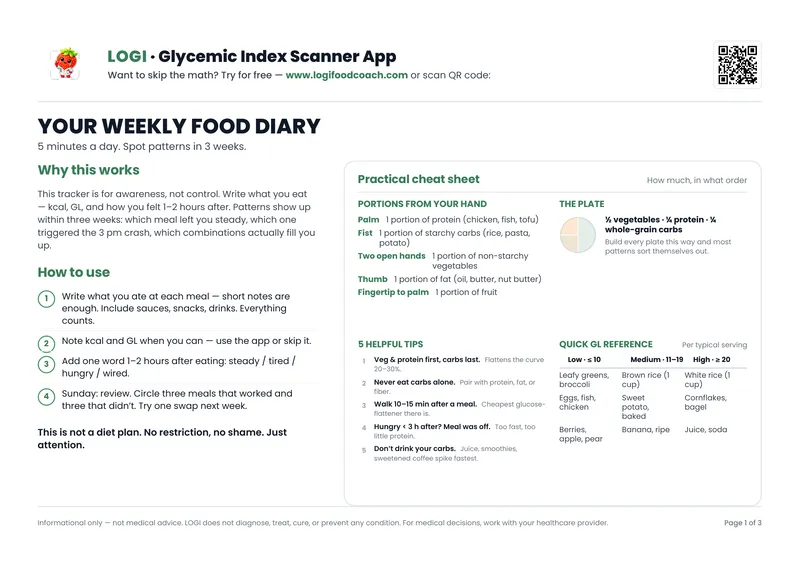
Kostenloses PDF — 3 Seiten
Dein Wochen-Ernährungstagebuch
Mahlzeiten, glykämische Last & Stimmung erfassen. Muster in 3 Wochen erkennen.
Kein Spam. Jederzeit abmeldbar.