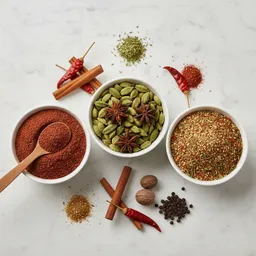
Middle eastern spices
Low GI
GL 0.6 per typical teaspoon (5 g) · GL 11.6 per 100 g
- High fiber content
- May contain sodium
Middle eastern spices has a glycemic index of 20, the same as plain Mixed spices (20). One typical teaspoon (5 g) adds a glycemic load of 0.6.
Updated Nov 18, 2025 · Sources: Logi Nutrition Team (USDA-derived composition, AI-assisted) · Not medical advice · Report an error
Forms of Mixed spices
- GI 20 · GL 10 per 100 g
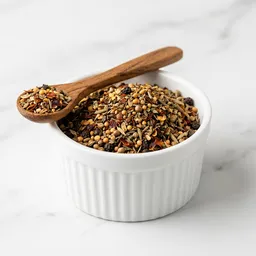 Mixed spices
 - GI 5 · GL 2 per 100 g roasted
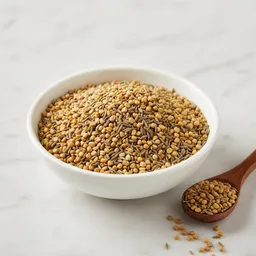 Whole seeds (mustard, fenugreek, cumin) used in tempering
 - GI 10 · GL 4 per 100 g low sodium
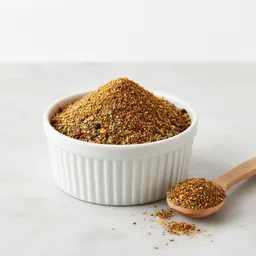 Herb and spice mix without salt
 - GI 10 · GL 5 per 100 g pizza
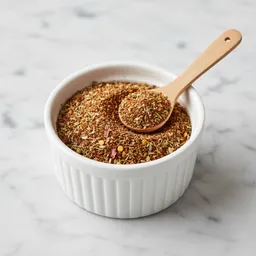 Pizza Spice Blend
 - GI 10 · GL 5.5 per 100 g curcumarosemary extract
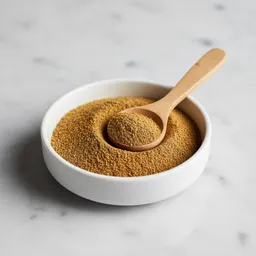 Curcuma and Rosemary Extract Spice Blend
 - GI 10 · GL 5.5 per 100 g pickling
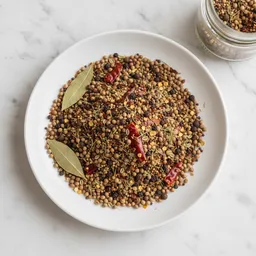 Pickling spices
 - GI 20 · GL 8 per 100 g mexican
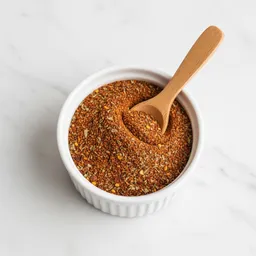 Mexican seasoning
 - +13 more
Logi · Manage Insulin Resistance
Lower your blood sugar through smarter food choices
Middle eastern spices is one of the 11,117 foods Logi scores when you photograph a meal — with the portion.


Nutrition Facts (per 100g)
per 100g
| Calories | 320 kcal |
| Carbohydrates | 58 g |
| Sugars (Total) | 3 g |
| Natural | 3 g |
| Added | 0 g |
| Fiber | 34 g |
| Soluble | 10.2 g |
| Insoluble | 23.8 g |
| Protein | 11 g |
| Fat | 8 g |
| Saturated | 1.2 g |
| Unsaturated | 6.8 g |
| Sodium | 120 mg |
Processing Level
Why this score?
- High fiber content
- Rich in antioxidants
- Low glycemic impact
- May contain sodium
- Potential allergens (e.g., sesame, mustard)
Allergens
No EU-14 allergen listed
Low-GI recipes on Logi Food Coach
Frequently Asked Questions
What is the glycemic index of Middle eastern spices?
Middle eastern spices has a glycemic index of 20 (Low). One typical teaspoon (5 g) has a glycemic load of 0.6; per 100 g the glycemic load is 11.6.
Is Middle eastern spices good for people with insulin resistance?
Middle eastern spices has a low glycemic index (20), making it a good option for people with insulin resistance. It causes a slow, gradual rise in blood sugar.
Which form of Mixed spices has the lowest glycemic load?
Among the forms of Mixed spices in this database, Whole seeds (mustard, fenugreek, cumin) used in tempering has the lowest glycemic load (2 per 100 g).
Check Middle eastern spices in the Logi app, with your portion.