The Best Snacks for Blood Sugar: A Category Guide From Nuts to Granola Bars
Snacks are where most people’s blood sugar day quietly goes off the rails. Meals get thought about; snacks get grabbed. The average snack is chosen in ten seconds from whatever is in reach, and the packaging usually promises something about health that the ingredient list does not deliver. A “protein bar” that is 60% sugar, a “healthy” granola bar that is closer to a cookie, or a bowl of “just fruit” that includes two servings of dried mango and a handful of chocolate-covered raisins — all common, all glucose spikes on the same order as a full meal.
This piece walks through the main snack categories with an eye on what each one actually does to blood sugar. The point is not that snacking is bad. The point is that the difference between a low-glycemic snack and a high-glycemic one is often invisible on the front of the package, and the wrong choice can produce a bigger spike than lunch did.
The mechanism — why snacks are the highest-risk category
Snacks tend to share three properties that stack against blood sugar. They are usually eaten alone rather than as part of a larger meal, which means there is no fat or protein or fiber from the rest of the plate slowing digestion. They are usually formulated for convenience — dry, shelf-stable, and easy to eat — which favors refined starches and added sugars over whole foods. And they are usually eaten in the mid-afternoon, when a natural dip in blood sugar makes fast carbohydrate feel especially rewarding and easy to overeat.
The result is that snacks punch above their weight on the day’s glucose curve. A 150-calorie snack of pretzels can produce a taller peak than a 600-calorie lunch that included protein and vegetables, because the pretzels arrive naked and the lunch does not.
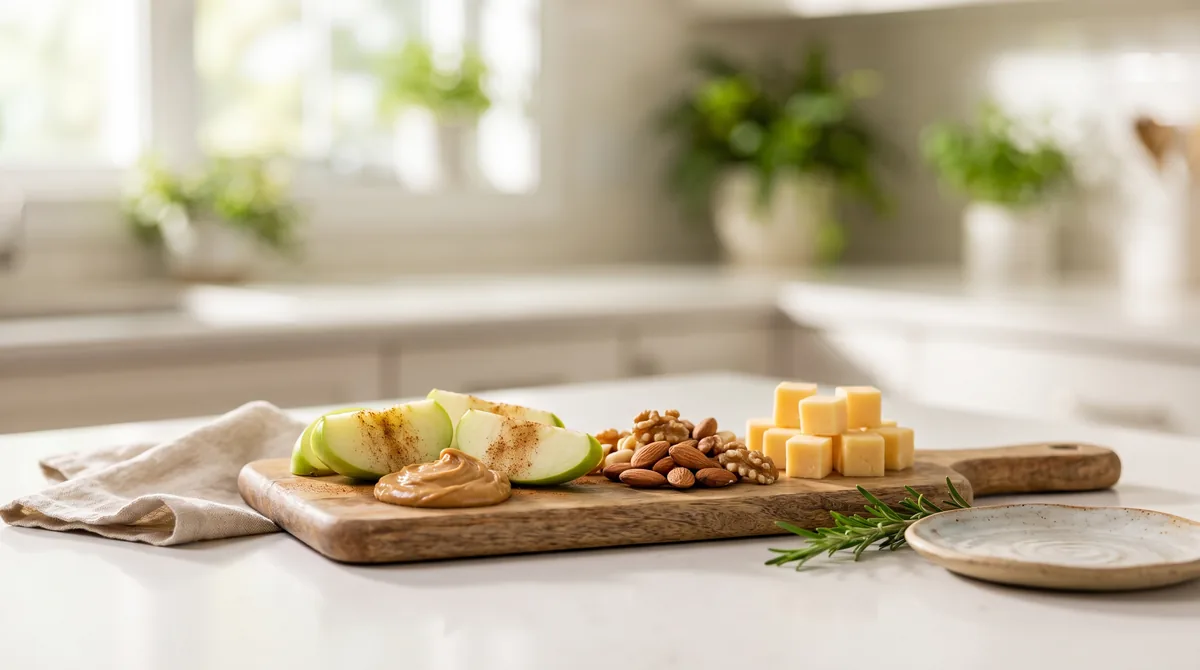
Two rules follow. First, pair carbohydrate with protein or fat whenever possible: the same apple is a very different snack when it comes with a spoonful of peanut butter or a piece of cheese. Second, be skeptical of snack products with health-forward packaging — the label is a marketing surface, and the ingredient list is where the actual glucose story lives.
Nuts and seeds — the reliable low-glycemic category
Nuts and seeds are the closest thing to a universally safe snack for blood sugar. Almonds, walnuts, pecans, pistachios, hazelnuts, macadamia nuts, cashews (a little higher in carbohydrate than the others but still fine), peanuts, sunflower seeds, pumpkin seeds — all have a low glycemic load, a lot of fat and fiber, and a modest amount of protein. A small handful produces almost no glucose response and keeps you full for hours.
The three catches. First, honey-roasted, sugar-coated, or chocolate-covered versions are a different food; the coating is the glucose story. Second, portion is real — nuts are calorie-dense and easy to overeat by a factor of three or four when the whole bag is within reach. A pre-portioned bag or a single palmful is easier than “grazing from a jar.” Third, some “trail mix” products are mostly candy and dried fruit with a scattering of nuts; check the ingredients.
Nut butters follow the same rule as whole nuts, with one caveat: many commercial peanut butter and other nut butter products include added sugar, sometimes as the second or third ingredient. Look for versions where the ingredients are just nuts and salt.
Fresh fruit — mostly fine, with two footnotes
Fresh whole fruit is a moderate-glycemic snack that becomes low-glycemic when paired with a fat or protein. An apple alone will produce a modest glucose peak; an apple with a spoonful of almond butter, or with a small piece of cheese, produces almost no peak at all. This is one of the most reliable snack pairings available.
Berries — strawberries, raspberries, blueberries, blackberries — are the lowest-glycemic fruit category and are essentially trouble-free as a snack. A cup of berries with plain Greek yogurt is one of the best snack options in the category.
Two footnotes. First, tropical fruit — pineapple, mango, papaya — carries more sugar per bite than temperate fruit and produces a bigger peak. Not a reason to avoid them; a reason to pair them with something. Second, grapes are deceptively glucose-dense — an entire small bunch of grapes carries the sugar load of a candy bar, and the small size makes it easy to eat two servings without noticing.
Dried fruit — the deceptive category
Dried fruit is often shelved next to nuts as if it were the same category. Metabolically, it is closer to candy. When water is removed from a grape or a mango slice, the sugar is not removed with it — the result is a small, chewy, dense package where a tablespoon of raisins carries the sugar of a much larger portion of fresh fruit. Add-in categories like dried mango, dried pineapple, and banana chips are usually sweetened further, and the “dried” versions of berries are frequently coated in sugar for taste.
The specific problem is that dried fruit is eaten in fresh-fruit portions but delivers dried-fruit sugar. A small handful of raisins is a real glucose event. If dried fruit is a snack you enjoy, treat it as an accompaniment — a few pieces mixed into a bowl of nuts, or a couple of prunes with a piece of cheese — rather than a standalone.
Chips, crackers, and pretzels — the fast peak
Chips, crackers, pretzels, popcorn, rice cakes, and other salty crunchy snacks are refined carbohydrate delivery vehicles. The glucose story is dominated by the base flour — wheat for crackers and pretzels, potato for potato chips, corn for tortilla chips and corn crackers, rice for rice cakes — and the peak arrives fast and sharp.
Rice cakes and pretzels are the highest-glycemic in this category, both close to the top of the GI scale. Potato chips and tortilla chips are slower because the oil in them slows digestion, but a full portion still produces a substantial peak. Whole-grain crackers with visible seeds are gentler than plain-flour crackers, and pairing any cracker with a fat or protein — cheese, hummus, avocado — changes the meal considerably.
Popcorn is the interesting case in this group. Air-popped or lightly-oiled popcorn is a moderate-glycemic snack that is high in fiber and low in calories per volume. A small bowl of popcorn as an afternoon snack is a reasonable choice — much better than pretzels or rice cakes. The problem is buttered movie-theater popcorn or the sugary caramel varieties, which are a different food altogether.
Granola bars and protein bars — read the label
Granola bars and protein bars are the snack category most guilty of packaging that overstates the healthiness of what is inside. A typical granola bar has 12–18 grams of sugar and behaves closer to a cookie than to a nut mix. Even “healthy” oat-and-nut bars often add honey, brown rice syrup, tapioca syrup, or agave — all fast-digesting sugars under other names — as a binder.
Protein bars are a broader category and vary wildly. Some are legitimate low-glycemic snacks with 20 grams of protein and 3–5 grams of sugar. Others have similar sugar content to a candy bar with a scoop of protein powder added. The relevant number is the ratio: aim for a bar where the protein grams are similar to or greater than the sugar grams, and where the carbohydrate list is short and identifiable.
Two labels worth translating: “no added sugar” often means the sugar is coming from concentrated fruit juice, dates, or agave (still a glucose event); “sugar alcohols” (erythritol, xylitol, maltitol) mostly don’t spike blood sugar but can cause digestive symptoms in some people. Neither is a red flag by itself, but neither is a reason to switch off the ingredient check.
Cheese, hummus, and other savory options — the underrated category
Cheese cubes, a hard-boiled egg, a small container of hummus with vegetables, a spoonful of guacamole with peppers, a slice of turkey rolled around a piece of cheese — these are underused as snack options because they take five extra seconds of preparation than opening a bag. Metabolically, they are the best category on the list. High protein, moderate fat, near-zero fast carbohydrate. Any of them produces almost no glucose response and keeps you full much longer than a bar of similar calorie count.
Hummus and vegetables in particular is a snack that most people would benefit from making the default. A tub of hummus lasts a week; a handful of baby carrots, celery, or bell pepper strips is a five-minute weekend prep. The whole snack is low-glycemic, high-fiber, and filling.
Yogurt and dairy snacks — check the sugar
Plain Greek yogurt is one of the best snack options in the dairy category — high protein, low sugar, low glycemic response. Add a handful of berries and a few nuts and it becomes a small meal. Regular unsweetened yogurt is a step down but still fine.
The trap is flavored yogurt. A single-serving cup of “strawberry” or “vanilla” or “mixed berry” yogurt often contains 15–20 grams of added sugar and behaves like dessert. The word “yogurt” on the front does not protect the number on the back.
Cottage cheese is worth a specific mention — very high protein, near-zero sugar, and a good vehicle for berries or a small piece of fruit. As a snack it is a smaller, portable version of the low-glycemic meal category.
The practical shortlist
If you want a mental shortcut for picking snacks with blood sugar in mind:
- Almost always low-glycemic: a small handful of nuts, plain Greek yogurt, cottage cheese, hummus with vegetables, cheese cubes, a hard-boiled egg, celery with nut butter, an apple or pear with a piece of cheese, a small bowl of berries.
- Fine with pairing: fresh whole fruit (with a fat or protein), plain air-popped popcorn, whole-grain crackers with cheese or hummus, dark chocolate with nuts.
- Treat as a treat: granola bars with more than a few grams of sugar, most protein bars without checking the label, dried fruit as a standalone, rice cakes, pretzels, sweetened yogurt, flavored oatmeal cups, most cereal-based snack products, honey-roasted or sugar-coated nuts.
The bigger picture
Snacking gets more attention as a “problem” than it deserves. The problem is not the act of eating between meals — it is that the snack aisle in most grocery stores is dominated by refined-carbohydrate products dressed as health food, and the ten-second decision at three in the afternoon rarely survives the packaging.
The durable fix is boring: keep two or three low-glycemic snacks in reach — a jar of almonds on the desk, hummus and vegetables in the fridge, plain yogurt and berries — and the default becomes the low-glycemic option. The higher-carb snacks stop being a problem when they stop being the only ones convenient. A snack is a small meal; treated as one, it produces a small glucose curve, and the afternoon crash quietly disappears.
If you want to see what a specific snack does to your own glucose curve, Logi can scan a package label, an image of the snack, or a described food and estimate its glycemic load in seconds — useful for the many packaged snacks where the front says “protein” and the back tells a different story.
This article is educational. It is not medical advice. Individual responses to any food vary widely; if you have diabetes, insulin resistance, or another metabolic condition, discuss dietary choices with your doctor or a registered dietitian.
Related recipes

Blood Sugar-Friendly Apple Cranberry Galette
A rustic whole-grain tart featuring fiber-rich apples and antioxidant cranberries, designed to minimize glucose spikes while delivering maximum flavor.
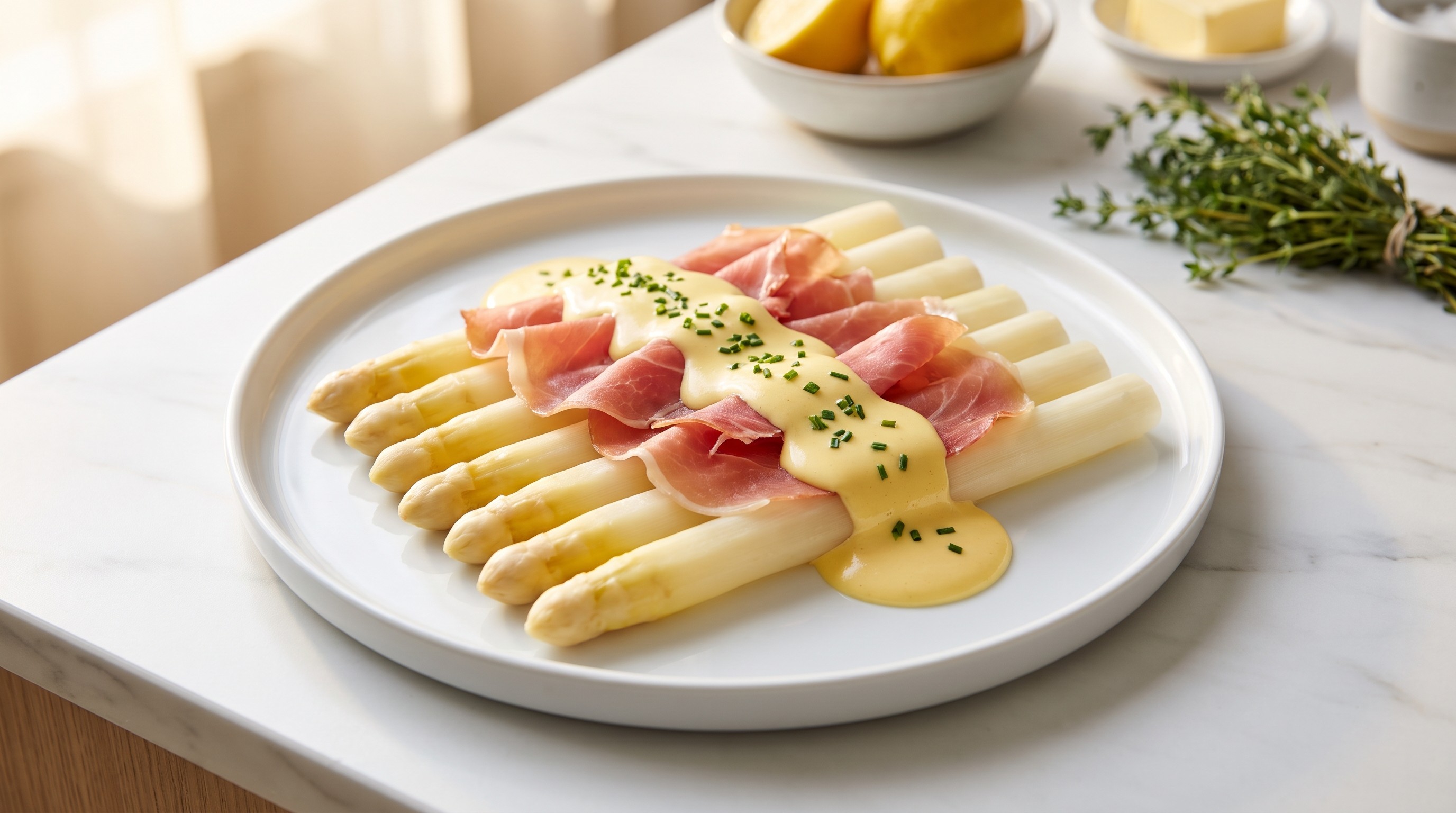
White Asparagus with Air-Dried Ham and Blender Hollandaise
Tender white asparagus draped with Schwarzwälder ham and a silky two-minute hollandaise — almost zero-carb, keeping blood sugar perfectly steady.

Low-GI Bratapfel with Walnut-Cinnamon Filling
Whole baked apples stuffed with a crunchy walnut-oat-almond filling and warming cinnamon, served with cold vanilla quark — a cozy low-GI German dessert.
Take control of your blood sugar
Scan your meals, track glycemic load, and see your patterns — all in one app.
Start Free Trial →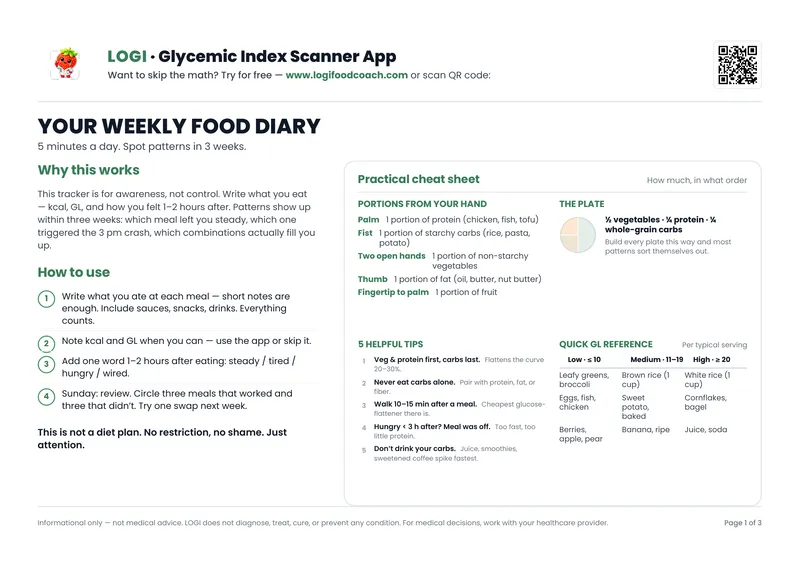
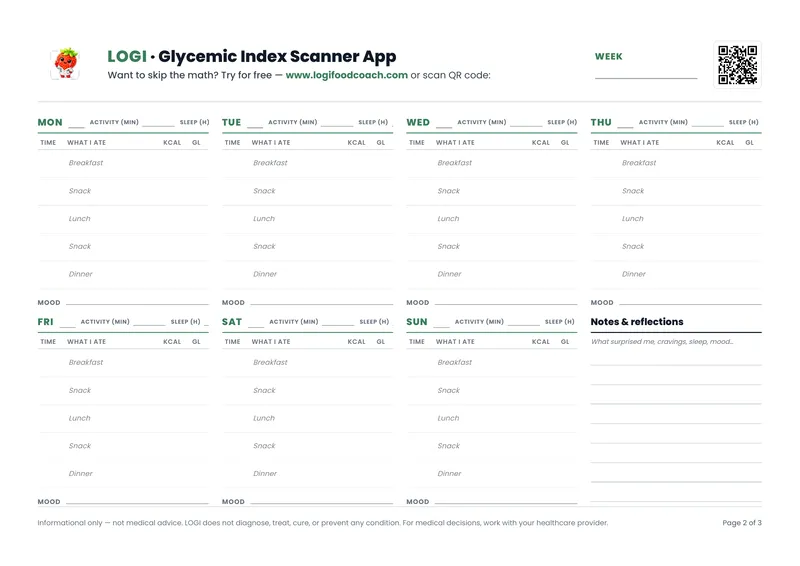
Free PDF — 3 pages
Your Weekly Food Journal
Track meals, glycemic load & mood. Spot patterns in 3 weeks.
No spam. Unsubscribe anytime.