Perfect Hard-Boiled Eggs
A protein-rich, zero-carb snack with virtually no glycemic impact—ideal for stable blood sugar and sustained energy throughout your day.
Hard-boiled eggs are a nutritional powerhouse for anyone managing blood sugar levels. With zero carbohydrates and a glycemic index of zero, eggs provide complete protein and healthy fats without causing any glucose spike whatsoever. This makes them an ideal snack between meals or a quick breakfast option that keeps you satisfied for hours.
The high-quality protein in eggs (about 6 grams per large egg) helps slow digestion and promotes stable blood sugar levels. The healthy fats, particularly in the yolk, further contribute to satiety and metabolic balance. Eggs are also rich in choline, B vitamins, and essential minerals that support overall metabolic health.
For optimal blood sugar management, enjoy hard-boiled eggs as a standalone snack, pair them with non-starchy vegetables for added fiber, or include them in a balanced meal. The protein content makes eggs particularly valuable when eaten in the morning to prevent mid-morning glucose fluctuations, or as an afternoon snack to maintain steady energy levels until dinner.
血糖影響
Virtually no blood sugar impact. Hard-boiled eggs contain only protein and fat with zero carbohydrates, resulting in stable blood sugar levels and sustained energy for 3-4 hours.
血糖小提示
- ✓ Pair with fiber-rich vegetables like spinach or bell peppers to create a more complete, satiating meal
- ✓ Add to a mixed salad with olive oil dressing for enhanced nutrient absorption and prolonged fullness
- ✓ Eat as a protein-rich snack between meals to prevent blood sugar dips and reduce cravings
🥗 食材
- 2 pcs large eggs
- 2 pcs large eggs
👨🍳 作法
- 1
Fill a medium saucepan with enough cold water to cover the eggs by about 1 inch. Gently place the eggs in the cold water in a single layer.
- 2
Place the saucepan on the stove over high heat and bring the water to a rolling boil, uncovered.
- 3
Once the water reaches a full boil, immediately remove the pan from heat and cover it with a tight-fitting lid.
- 4
Let the eggs sit in the hot water, covered, for exactly 10 minutes for fully set yolks with no green ring.
- 5
While the eggs cook, prepare an ice bath by filling a large bowl with ice cubes and cold water.
- 6
After 10 minutes, use a slotted spoon to transfer the eggs immediately to the ice bath. Let them cool for at least 5 minutes to stop the cooking process.
- 7
Gently tap each egg on a hard surface to crack the shell, then roll it gently to create cracks all around. Peel under cool running water for easiest removal.
- 8
Season the peeled eggs with a pinch of sea salt and freshly ground black pepper, or enjoy plain. Store any unpeeled eggs in the refrigerator for up to one week.
📊 每份營養資訊
| 每份 | 整道菜 | |
|---|---|---|
| 熱量 | 143 | 143 |
| 碳水化合物 | 1g | 1g |
| 糖 | 1g | 1g |
| 天然糖 | 1g | 1g |
| 蛋白質 | 13g | 13g |
| 脂肪 | 10g | 10g |
| 飽和脂肪 | 3g | 3g |
| 不飽和脂肪 | 7g | 7g |
| 膳食纖維 | 0g | 0g |
| 鈉 | 142mg | 142mg |
預測血糖反應
如果你...
估計模型 — 個人反應不同。非醫療建議。
🔄 低升糖替代品
Eggs have a glycemic index of 0 and contain no carbohydrates, making them already optimal for blood sugar management. They provide high-quality protein and healthy fats that help stabilize blood glucose levels and increase satiety without causing any blood sugar spike.
🔬 這道食譜背後的科學
Why This Works for Blood Sugar
Eggs are a metabolic superstar when it comes to blood sugar management. With a glycemic index and glycemic load of zero, eggs contain virtually no carbohydrates—meaning they won't trigger any glucose spike whatsoever. What makes eggs particularly valuable isn't just what they lack (sugar and starch), but what they provide: high-quality protein and healthy fats that actively work to stabilize your blood sugar throughout the day.
The protein in eggs (about 6 grams per egg) slows gastric emptying, meaning food moves more slowly from your stomach to your intestines. This creates a steady, sustained release of energy rather than the rapid blood sugar roller coaster you'd get from carb-heavy breakfast foods like pastries or sweetened cereals. Additionally, the fat content in egg yolks—particularly in the form of phospholipids and omega-3s if you choose pasture-raised eggs—further moderates digestion and helps you feel satisfied longer, reducing the temptation to reach for high-glycemic snacks mid-morning.
Here's a practical tip: starting your day with eggs can actually improve your glucose response to carbohydrates eaten later. Research suggests that a protein-rich breakfast primes your metabolism for better blood sugar control throughout the day. Try pairing your hard-boiled eggs with fiber-rich vegetables like cherry tomatoes or cucumber slices, or enjoy them as a portable snack between meals to prevent energy dips. When you do eat carbohydrates later in the day, consider having a hard-boiled egg first—the protein and fat will blunt the glucose spike from bread, rice, or other starches.
相關食譜
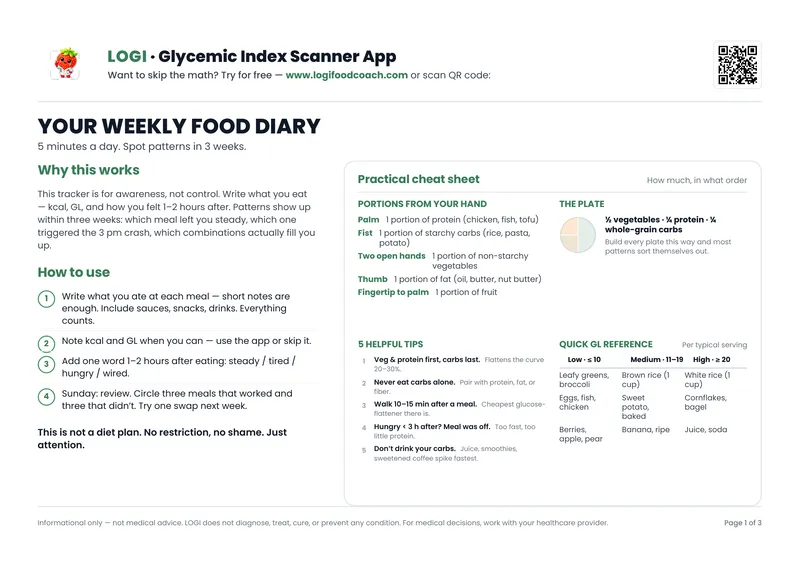
免費PDF — 3頁
每週飲食日誌
記錄飲食、升糖負荷與心情。3週內發現規律。
無垃圾郵件。隨時取消訂閱。