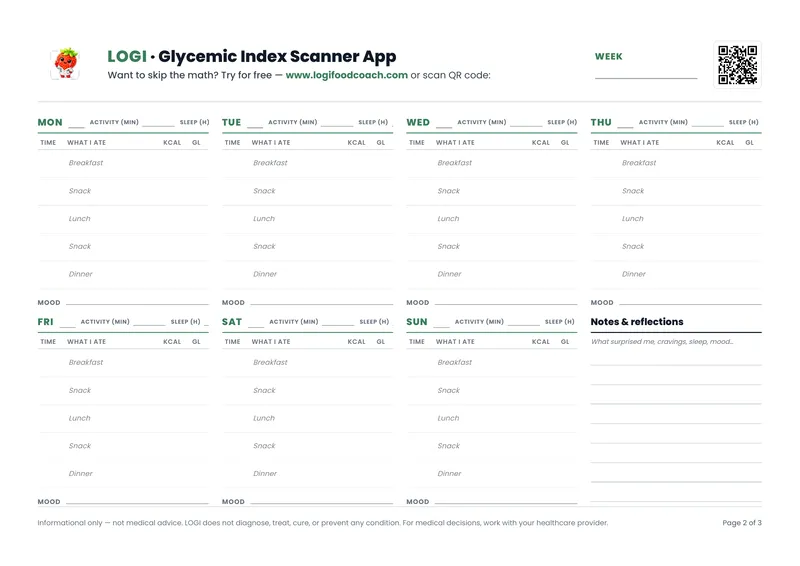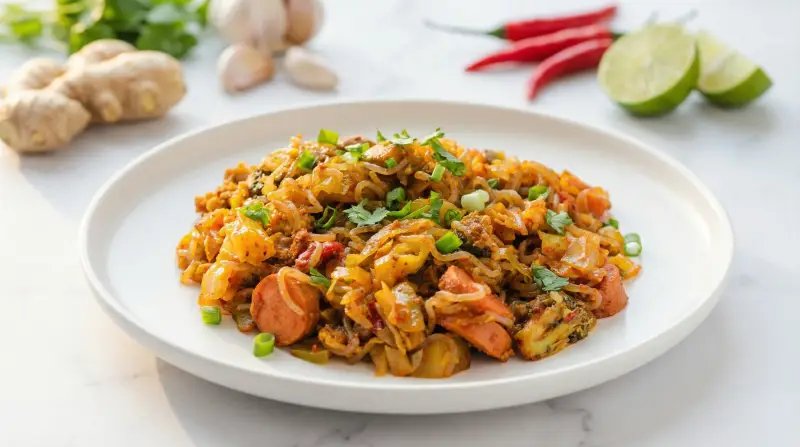
Low-Carb Shirataki Noodle Stir-Fry with Chicken and Vegetables
A blood sugar-friendly stir-fry featuring zero-glycemic shirataki noodles, lean protein, and fiber-rich vegetables—ready in 30 minutes for a satisfying low-carb meal.
This vibrant shirataki noodle stir-fry is a game-changer for anyone managing blood sugar levels while craving the comfort of noodle dishes. Shirataki noodles, made from the konjac plant, contain virtually zero digestible carbohydrates and have a glycemic index of zero, making them the perfect base for a glucose-friendly meal. Combined with lean chicken breast and an abundance of cruciferous vegetables like broccoli and cauliflower, this dish delivers satisfying volume without the blood sugar spike.
The recipe strategically incorporates low-glycemic vegetables that are rich in fiber and nutrients. Cabbage, bell peppers, broccoli, and cauliflower all rank low on the glycemic index while providing essential vitamins, minerals, and antioxidants that support metabolic health. The addition of lean chicken breast provides high-quality protein, which helps slow glucose absorption and promotes satiety. Palm oil or olive oil contributes healthy fats that further moderate the glycemic response.
For optimal blood sugar management, consider eating the vegetables and protein first before the noodles, as this eating sequence has been shown to reduce post-meal glucose spikes. This complete meal is ideal for lunch or dinner and pairs beautifully with a side of leafy greens. The African-inspired seasoning blend adds depth and warmth without added sugars, making this a flavorful choice for anyone following a low-carb, keto, or diabetic-friendly eating plan.
血糖値への影響
Minimal blood sugar impact expected due to the very low glycemic load of 5.8 and shirataki noodles which contain virtually no digestible carbohydrates. This meal should provide stable energy for 3-4 hours without significant glucose spikes.
血糖値のヒント
- ✓ Eat the vegetables and chicken first before the shirataki noodles to further slow any minimal carbohydrate absorption
- ✓ Take a 10-15 minute walk after eating to enhance insulin sensitivity and glucose uptake by muscles
- ✓ Ensure adequate protein portion from the chicken breast (4-6 oz) to promote satiety and minimize any blood sugar fluctuation
🥗 材料
- 2 pcs shirataki noodles
- 0.5 pcs cabbage, chopped
- 100 g cooked chicken breast, shredded
- 4 tbsp palm oil or olive oil
- 0.25 pcs bell pepper, chopped
- 2 cup mixed vegetables (broccoli, cauliflower, carrots)
- 2 tbsp tomato paste
- 1 tbsp bouillon powder or cube
- 1 tsp cayenne pepper
- 0.5 tsp dried thyme
- 1 tsp salt
- 2 pcs shirataki noodles
- 0.5 pcs cabbage, chopped
- 3.5 oz cooked chicken breast, shredded
- 4 tbsp palm oil or olive oil
- 0.25 pcs bell pepper, chopped
- 2 cup mixed vegetables (broccoli, cauliflower, carrots)
- 2 tbsp tomato paste
- 1 tbsp bouillon powder or cube
- 1 tsp cayenne pepper
- 0.5 tsp dried thyme
- 1 tsp salt
👨🍳 作り方
- 1
Prepare all vegetables by chopping the cabbage into thin strips, dicing the bell pepper into bite-sized pieces, and ensuring the mixed vegetables (broccoli, cauliflower, and carrots) are cut into uniform pieces for even cooking.
- 2
Drain the shirataki noodles thoroughly and rinse under cold running water for 1-2 minutes. Place the noodles in a dry skillet over low heat and cook for 3-4 minutes, stirring occasionally, to evaporate excess moisture and improve texture. Set aside.
- 3
Heat the palm oil or olive oil in a large skillet or wok over medium-high heat. Once the oil is shimmering, add the tomato paste, chopped bell pepper, and cayenne pepper. Stir continuously for 4-5 minutes until the tomato paste darkens slightly and becomes fragrant.
- 4
Add the mixed vegetables (broccoli, cauliflower, and carrots) to the skillet along with the shredded cooked chicken. Sprinkle in the bouillon powder, dried thyme, and salt. Stir well to combine all ingredients and cook over medium heat for 5-6 minutes until vegetables are tender-crisp.
- 5
Add the chopped cabbage to the skillet and stir-fry for 2-3 minutes until it begins to soften but still retains some crunch for texture and fiber content.
- 6
Incorporate the prepared shirataki noodles into the vegetable and chicken mixture. Toss everything together thoroughly and cook for an additional 5-7 minutes, stirring occasionally, to allow the noodles to absorb the flavors and heat through completely.
- 7
Taste and adjust seasoning with additional salt if needed. Serve immediately while hot, optionally garnished with fresh herbs. For optimal blood sugar control, eat the vegetables and protein portions first before finishing the noodles.
📊 1人前の栄養価
| 1人前あたり | 全量 | |
|---|---|---|
| カロリー | 245 | 980 |
| 炭水化物 | 20g | 81g |
| 糖類 | 9g | 36g |
| 天然糖 | 9g | 36g |
| タンパク質 | 10g | 40g |
| 脂質 | 15g | 60g |
| 飽和脂肪 | 7g | 28g |
| 不飽和脂肪 | 8g | 30g |
| 食物繊維 | 9g | 35g |
| 水溶性食物繊維 | 2g | 9g |
| 不溶性食物繊維 | 4g | 14g |
| ナトリウム | 686mg | 2742mg |
予測血糖応答
もしあなたが...
推定モデル — 個人差があります。医学的助言ではありません。
🔄 低GI代替品
Fresh tomatoes and roasted peppers have lower glycemic impact than concentrated tomato paste, which has concentrated natural sugars. Fresh alternatives provide flavor with minimal effect on blood sugar.
Specifying low-starch vegetables like broccoli, zucchini, and bok choy ensures minimal carbohydrate content and virtually zero glycemic load, whereas mixed vegetables may contain higher-carb options like corn or peas.
While palm oil doesn't directly affect blood sugar, olive and avocado oils contain monounsaturated fats that improve insulin sensitivity and help stabilize post-meal glucose response, making the overall meal more blood-sugar friendly.
Commercial bouillon often contains hidden sugars, maltodextrin, or dextrose that can spike blood sugar. Homemade broths or quality stocks provide flavor without added carbohydrates or glycemic impact.
🔬 このレシピの科学
# Why This Stir-Fry Keeps Your Blood Sugar Steady
This shirataki noodle stir-fry is a masterclass in blood sugar management, with a remarkably low glycemic load of just 5.8. The secret lies in shirataki noodles themselves—made from the konjac plant, these translucent noodles contain glucomannan, a soluble fiber that forms a gel-like substance in your digestive system. This slows down the entire digestion process, preventing the rapid glucose spikes you'd get from regular wheat or rice noodles. Even better, shirataki noodles are almost entirely fiber with minimal digestible carbohydrates, meaning they contribute virtually nothing to your blood sugar levels while keeping you satisfied.
The chicken breast and palm oil create a powerful blood sugar-stabilizing duo. Lean protein from chicken triggers the release of hormones that slow gastric emptying—essentially, your stomach takes longer to pass food into your intestines, which means glucose enters your bloodstream gradually rather than all at once. The healthy fats in palm oil (rich in monounsaturated fatty acids) further slow digestion and improve insulin sensitivity. When you eat protein and fat alongside any carbohydrates, you're essentially putting a brake on how quickly those carbs convert to glucose.
The cabbage and bell peppers aren't just colorful additions—they're fiber powerhouses that add bulk without adding glycemic load. Their high water and fiber content means you're getting volume and nutrients while keeping the overall carbohydrate density low. For maximum benefit, try eating your vegetables first, then the protein, and save any higher-carb components for last. This "food sequencing" strategy can reduce post-meal glucose spikes by up to 73% according to recent research.
関連レシピ
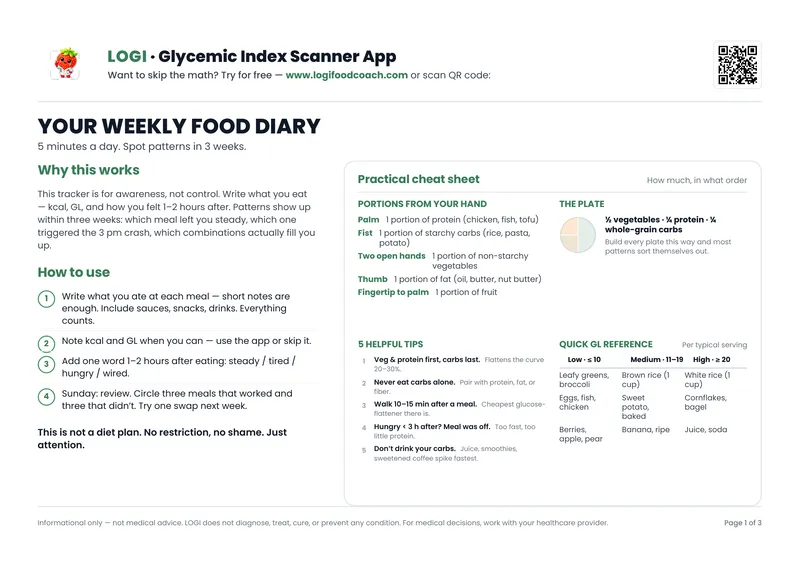
無料PDF — 3ページ
週間フードジャーナル
食事・血糖負荷・気分を記録。3週間でパターンが見えてきます。
スパムなし。いつでも解除可能。