Tarta de queso cremosa de limón baja en índice glucémico
Una tarta de queso sedosa sin hornear con un vibrante sabor a limón que no elevará tu azúcar en sangre. Hecha con requesón rico en proteínas y endulzada con eritritol o alulosa para mantener niveles estables de glucosa.
Esta refrescante tarta de queso de limón sin hornear ofrece toda la cremosidad que deseas sin las subidas y bajadas de azúcar en sangre. Al usar requesón bajo en grasa rico en proteínas como base en lugar del queso crema tradicional, hemos creado un postre que proporciona energía sostenida y ayuda a estabilizar los niveles de glucosa. La estructura de gelatina elimina la necesidad de una base alta en carbohidratos, mientras que el jugo y la ralladura de limón natural aportan un sabor vibrante sin azúcares añadidos. Lo que hace que esta tarta de queso sea realmente amigable con el azúcar en sangre es su impresionante contenido de proteínas del requesón y las claras de huevo, que ralentiza la digestión y previene los picos de glucosa. Usar eritritol o alulosa en lugar de azúcar regular significa que cada porción contiene cero impacto glucémico de los endulzantes, mucho menos que las tartas de queso convencionales que pueden contener 30-40g de azúcar por porción. La textura suave y aterciopelada rivaliza con cualquier versión alta en grasa, demostrando que los postres saludables no requieren sacrificios. Para un control glucémico óptimo, disfruta esta tarta de queso después de una comida equilibrada que contenga proteínas y grasas saludables, o acompáñala con un puñado de frutos secos. La combinación de 15g de proteína por porción, endulzante de índice glucémico cero y carbohidratos mínimos crea un postre que satisface tu antojo de dulce mientras apoya tu salud metabólica. Guarda tapada en el refrigerador hasta por 3 días, lo que la hace perfecta para preparar con anticipación y planificar porciones controladas de postre.
Impacto en el azúcar
Este cheesecake tiene un impacto glucémico bajo con una CG de 5 y un IG moderado de 55, lo que significa que debería causar un aumento gradual y modesto del azúcar en sangre en lugar de un pico. La proteína del requesón y las claras de huevo ayuda a ralentizar la absorción de azúcar, proporcionando energía estable durante 2-3 horas.
Consejos azúcar
- ✓ Come este postre después de una comida que contenga proteínas y fibra en lugar de con el estómago vacío para amortiguar aún más la respuesta del azúcar en sangre
- ✓ Acompaña con un puñado de frutos secos o semillas para añadir grasas saludables que ralentizarán la digestión y minimizarán cualquier pico de glucosa
- ✓ Considera dar un paseo de 10-15 minutos después de comer para ayudar a los músculos a absorber glucosa y mantener el azúcar en sangre estable
🥗 Ingredientes
- 2 tbsp agua fría
- 1 tbsp gelatina sin sabor en polvo
- 2 tbsp jugo de limón fresco
- 2 pcs sustituto de huevo líquido o claras de huevo
- 0.25 cup azúcar granulada
- 1 tsp extracto de vainilla puro
- 2 cup requesón bajo en grasa
- 1 tbsp ralladura de limón fresca
- 2 tbsp agua fría
- 1 tbsp gelatina sin sabor en polvo
- 2 tbsp jugo de limón fresco
- 2 pcs sustituto de huevo líquido o claras de huevo
- 0.25 cup azúcar granulada
- 1 tsp extracto de vainilla puro
- 2 cup requesón bajo en grasa
- 1 tbsp ralladura de limón fresca
👨🍳 Instrucciones
- 1
Vierte el agua fría en el vaso de la licuadora, luego espolvorea la gelatina sin sabor uniformemente sobre la superficie. Añade el jugo de limón y deja reposar durante 2 minutos para permitir que la gelatina se hidrate y ablande. Este proceso de hidratación asegura que la gelatina se disolverá completamente y creará una textura suave.
- 2
Calienta la leche descremada en una cacerola pequeña o en el microondas hasta que esté bien caliente pero sin hervir (aproximadamente 180°F o 82°C). Con la licuadora funcionando a velocidad baja, vierte cuidadosamente la leche caliente en la mezcla de gelatina en un chorro constante. Licúa durante 1-2 minutos hasta que la gelatina esté completamente disuelta y no queden gránulos.
- 3
Añade las claras de huevo (o sustituto de huevo), el eritritol o alulosa, y el extracto de vainilla a la licuadora. Pulsa 4-5 veces para incorporar los ingredientes, luego licúa a velocidad media durante 30 segundos hasta que esté bien combinado y el endulzante esté completamente disuelto.
- 4
Añade el requesón bajo en grasa a la licuadora. Licúa a velocidad alta durante 2-3 minutos, deteniéndote para raspar los lados con una espátula según sea necesario, hasta que la mezcla esté completamente suave, sedosa y cremosa sin grumos. La textura debe ser tan suave como el relleno de tarta de queso tradicional.
- 5
Vierte la mezcla de tarta de queso en un molde para tarta de 9 pulgadas o un plato redondo poco profundo, usando una espátula para extenderla uniformemente hasta los bordes. Golpea suavemente el molde sobre la encimera 3-4 veces para liberar cualquier burbuja de aire que pueda crear agujeros en la tarta de queso terminada.
- 6
Cubre el molde herméticamente con papel film, asegurándote de que el papel no toque la superficie de la tarta de queso. Refrigera durante al menos 3 horas, o hasta que la tarta de queso esté completamente cuajada y firme al tacto. Para obtener la mejor textura y sabor, refrigera durante toda la noche (8-12 horas) para permitir que los sabores se integren.
- 7
Justo antes de servir, decora con ralladura de limón fresca distribuida uniformemente sobre la superficie para darle atractivo visual y aroma cítrico extra. Corta en 8 porciones iguales usando un cuchillo afilado sumergido en agua caliente y limpiado entre cada corte para obtener rebanadas limpias y de aspecto profesional. Sirve fría.
📊 Nutrición por porción
| Por porción | Plato entero | |
|---|---|---|
| Calorías | 95 | 762 |
| Carbohidratos | 9g | 75g |
| Azúcares | 9g | 70g |
| Azúcares añadidos | 6g | 50g |
| Azúcares naturales | 3g | 20g |
| Proteína | 8g | 67g |
| Grasa | 3g | 20g |
| Grasa saturada | 1g | 8g |
| Grasas insaturadas | 2g | 12g |
| Fibra | 0g | 1g |
| Sodio | 227mg | 1816mg |
Respuesta glucémica prevista
¿Y si tú...
Modelo estimado — las respuestas individuales varían. No es consejo médico.
🔄 Alternativas de bajo IG
Todos estos endulzantes tienen un impacto glucémico cero o casi cero y no elevarán los niveles de azúcar en sangre. La fruta del monje es 150-200 veces más dulce que el azúcar, por lo que requiere menos cantidad. Las mezclas de stevia proporcionan un dulzor equilibrado sin regusto. El xilitol tiene un IG de 7 pero debe evitarse en hogares con mascotas debido a problemas de toxicidad.
El requesón entero proporciona los mismos beneficios de proteína con mayor saciedad gracias a las grasas saludables, que pueden ralentizar aún más la absorción de glucosa. El yogur griego ofrece un contenido similar de proteína con probióticos para la salud intestinal. La ricotta crea una textura aún más suave mientras mantiene un alto contenido de proteína, todo sin impactar significativamente la respuesta glucémica.
Las alternativas de leche vegetal contienen 1-2g de carbohidratos por taza en comparación con 12g en la leche descremada, reduciendo significativamente la carga glucémica total. La leche de almendras prácticamente no tiene impacto en el azúcar en sangre, mientras que la leche de coco añade triglicéridos de cadena media saludables que apoyan la energía estable sin afectar los niveles de glucosa.
🔬 La ciencia detrás de esta receta
Esta tarta de queso logra estabilizar el azúcar en sangre a través de tres mecanismos clave: el alto contenido de proteínas del requesón y las claras de huevo (15g por porción) ralentiza el vaciado gástrico y la absorción de glucosa, los endulzantes de índice glucémico cero como el eritritol o la alulosa proporcionan dulzor sin elevar el azúcar en sangre, y la ausencia de una base alta en carbohidratos elimina la fuente principal de picos rápidos de glucosa que se encuentran en las tartas de queso tradicionales. La gelatina proporciona estructura mientras añade proteína de colágeno, apoyando aún más la liberación sostenida de energía. Con solo 8g de carbohidratos netos por porción en comparación con 35-45g en una tarta de queso convencional, esta receta ofrece una carga glucémica de solo 5, categorizada como de bajo impacto para el manejo del azúcar en sangre.
Recetas relacionadas
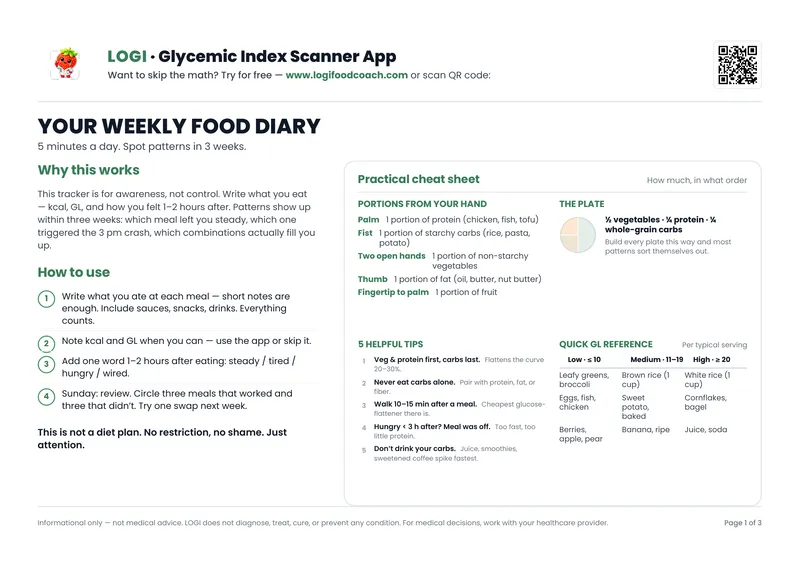
PDF gratis — 3 páginas
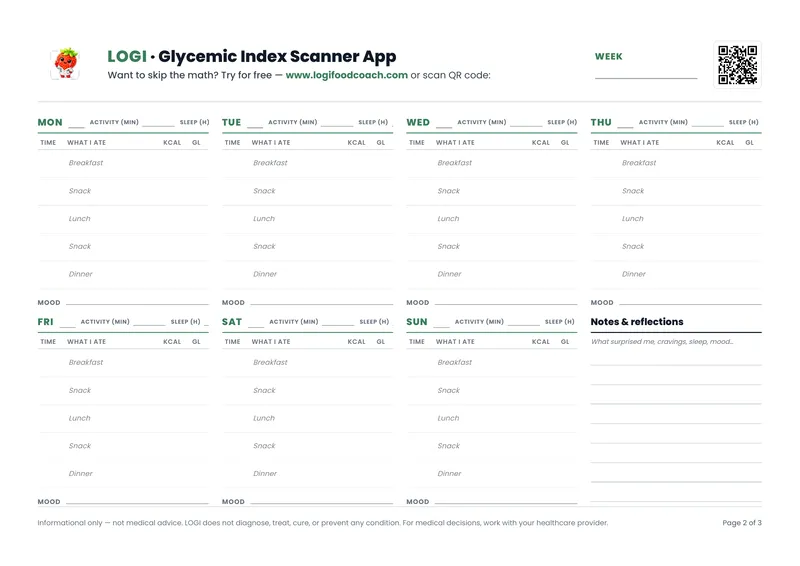
Tu diario semanal de comidas
Registra comidas, carga glucémica y estado de ánimo. Detecta patrones en 3 semanas.
Sin spam. Cancela cuando quieras.