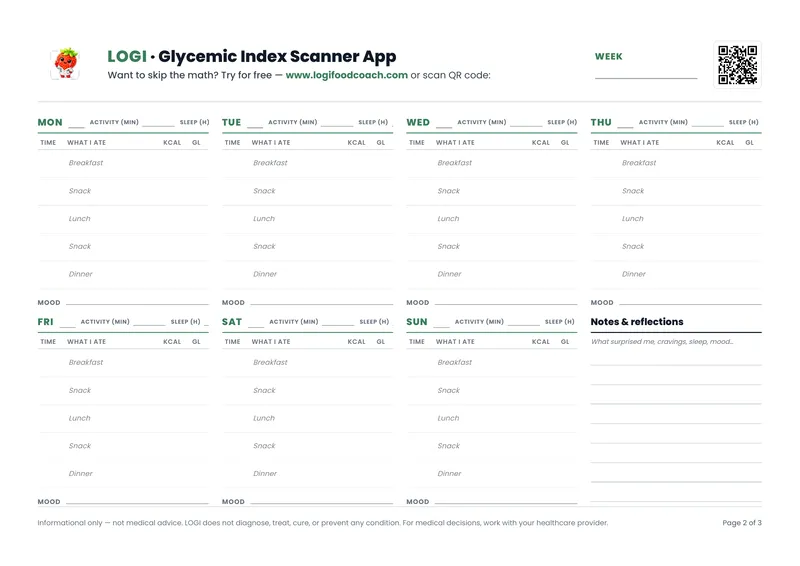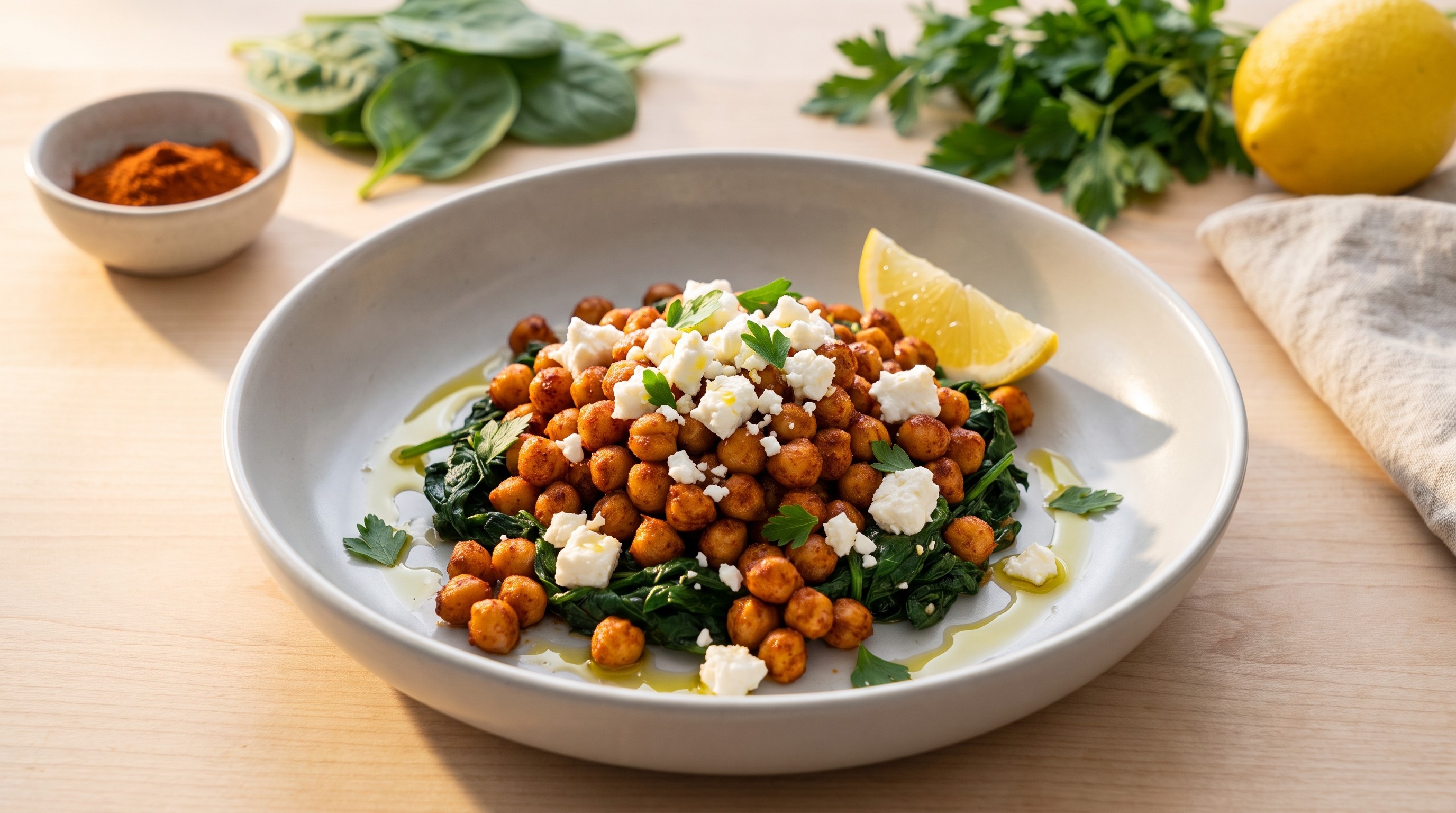
Smoked Paprika Chickpea Bowl with Spinach and Feta
Smoky, protein-packed chickpeas over wilted spinach with tangy feta — a naturally low-glycemic bowl that keeps blood sugar steady and satisfies in just 15 minutes.
This vibrant one-pan bowl is a masterclass in blood-sugar-friendly eating without sacrificing bold flavor. Chickpeas are among the lowest-glycemic legumes available, with a GI of just 28, and their combination of plant protein and soluble fiber creates a slow, sustained release of glucose that helps prevent the sharp spikes and crashes associated with refined carbohydrates. Tossed in smoked paprika and cooked until golden at the edges, they develop a deeply satisfying crunch that makes every bite feel indulgent.
The generous bed of wilted baby spinach adds virtually no glycemic load while contributing iron, magnesium, and folate — nutrients that support insulin sensitivity and overall metabolic health. Extra-virgin olive oil provides heart-healthy monounsaturated fats that further slow gastric emptying and glucose absorption, while the bright squeeze of lemon juice adds more than flavor: studies suggest that acidity consumed alongside a meal can reduce the glycemic response by up to 30 percent.
Finished with crumbled feta, this bowl delivers a satisfying balance of protein, healthy fats, and complex carbohydrates — the trifecta for stable energy throughout the afternoon. For optimal blood sugar management, consider eating the spinach first before moving on to the chickpeas, as consuming vegetables before starches has been shown to blunt postprandial glucose. This bowl pairs beautifully with a side of sliced cucumber or a small handful of walnuts for an even more complete low-glycemic meal.
Blood Sugar Impact
Very low blood sugar impact expected. The combination of chickpeas (high in fiber and protein), healthy fats from olive oil and feta, and non-starchy spinach results in a slow, gentle glucose rise with stable energy for 3-4 hours.
Blood Sugar Tips
- ✓ Eat the spinach and feta first before the chickpeas to further blunt any glucose response by front-loading fiber and fat.
- ✓ Add a splash of extra lemon juice or a side of vinegar-dressed greens — acetic acid has been shown to reduce postprandial glucose spikes.
- ✓ Take a 10-15 minute walk after eating to enhance glucose uptake by muscles and keep blood sugar even flatter.
🥗 Ingredients
- 240 g Chickpea
- 2 tbsp Extra-virgin olive oil
- 1 pcs Garlic
- 1 tsp Smoked paprika
- 150 g Baby spinach
- 50 g Feta cheese
- 1 tbsp Lemon juice
- 1 pcs Salt
- 1 pcs Black pepper
- 8.5 oz Chickpea
- 2 tbsp Extra-virgin olive oil
- 1 pcs Garlic
- 1 tsp Smoked paprika
- 5.3 oz Baby spinach
- 1.8 oz Feta cheese
- 1 tbsp Lemon juice
- 1 pcs Salt
- 1 pcs Black pepper
👨🍳 Instructions
- 1
Set a large skillet over medium heat and add the extra-virgin olive oil. Let it warm for about 30 seconds until the surface shimmers gently — avoid overheating, as this preserves the oil's beneficial polyphenols.
- 2
Drop in the minced garlic and stir it through the warm oil for 30 seconds, just until it turns fragrant and barely golden. Keeping the heat moderate prevents the garlic from burning and turning bitter.
- 3
Add the drained chickpeas to the skillet and sprinkle the smoked paprika evenly over the top. Stir well so that every chickpea is coated in the spiced oil.
- 4
Spread the chickpeas into a single layer and let them cook undisturbed for about 2 minutes. Stir, then repeat this process for a total of 5 to 6 minutes, until the chickpeas develop golden, slightly crisp edges — this caramelization deepens the smoky flavor.
- 5
Push the chickpeas to one side of the skillet. Place the baby spinach in the cleared space, adding it in two batches if needed. Turn the leaves gently with tongs for 1 to 2 minutes until just wilted but still a vibrant green.
- 6
Season the entire skillet with a pinch of salt and freshly ground black pepper. Squeeze the lemon juice over both the chickpeas and spinach — the acidity brightens the dish and helps lower the overall glycemic response of the meal.
- 7
Toss everything together gently, allowing the lemon juice to lift any flavorful bits from the bottom of the pan. Taste and adjust the seasoning if needed.
- 8
Divide the spinach between two serving bowls first, then spoon the smoky chickpeas on top. Scatter the crumbled feta generously over each bowl and serve immediately while warm.
📊 Nutrition Per Serving
| Per Serving | Whole Dish | |
|---|---|---|
| Calories | 407 | 813 |
| Carbs | 38g | 77g |
| Sugars | 7g | 15g |
| Natural Sugars | 7g | 15g |
| Protein | 17g | 33g |
| Fat | 22g | 45g |
| Saturated Fat | 6g | 12g |
| Unsaturated Fat | 16g | 33g |
| Fiber | 11g | 22g |
| Soluble Fiber | 3g | 7g |
| Insoluble Fiber | 8g | 16g |
| Sodium | 512mg | 1025mg |
Predicted Glucose Response
What if you...
Estimated model — individual responses vary. Not medical advice.
🔄 Lower GI Swaps
Chickpeas have a GI of ~28–33 and are the primary carb source driving the bowl's GL. Black soybeans (GI ~15) and lupini beans (GI ~15) have roughly half the glycemic index and significantly fewer net carbs per serving, which can reduce the overall GL by 30–50%. Green lentils (GI ~22) also score lower and offer more soluble fiber, which slows glucose absorption.
While lemon juice provides some acidity, vinegar (acetic acid) has been shown in clinical studies to reduce postprandial blood glucose response by up to 20–30% when consumed with a carbohydrate-containing meal. Swapping to apple cider vinegar or white wine vinegar as the acid component provides a stronger glucose-blunting effect while maintaining the tangy flavor profile.
While feta is already low-GI, aged hard cheeses like Parmesan and Pecorino have higher protein and fat density per gram, promoting slower gastric emptying and a more gradual glucose response from the entire meal. Halloumi adds more protein per serving, which further supports insulin modulation and helps flatten the overall postprandial blood sugar curve.
🔬 The Science Behind This Recipe
Here's the science explainer section:
---
Why This Bowl Loves Your Blood Sugar
Chickpeas are the star of this recipe for a reason — they're one of the most blood sugar-friendly legumes you can eat. Packed with both soluble fiber and plant-based protein, chickpeas slow down the rate at which your body converts food into glucose. Think of fiber as a gentle speed bump: instead of sugar rushing into your bloodstream all at once, it arrives gradually, giving your body time to respond without the sharp spike-and-crash cycle that leaves you tired and hungry an hour later. With a glycemic index of just 28, this bowl sits firmly in the "low" category, meaning the ingredients themselves are naturally gentle on your blood sugar.
But here's what makes this combination especially smart: it's not just about any single ingredient — it's about how they work together. The olive oil adds healthy fats that further slow digestion, while the protein in both the chickpeas and feta cheese helps keep your glucose response flat and steady. Spinach, meanwhile, contributes virtually no carbohydrates but loads of magnesium, a mineral that plays a key role in how your body processes insulin. When you pair fiber, protein, and fat in the same meal, you create what nutritionists call a "blunting effect" — each macronutrient reinforces the others to keep your energy stable for hours.
The glycemic load of 10.6 per serving tells you something important: it's not just *what* you eat, but *how much* that matters. Glycemic load accounts for real-world portion sizes, and anything under 10 is considered low while 11–19 is moderate — so this bowl lands right at the sweet spot. To get even more from this meal, try eating the spinach first before digging into the chickpeas, and consider a short 10–15 minute walk after eating. Both strategies have been shown to further smooth out your glucose response, helping you feel energized and satisfied well into your afternoon.
Related recipes
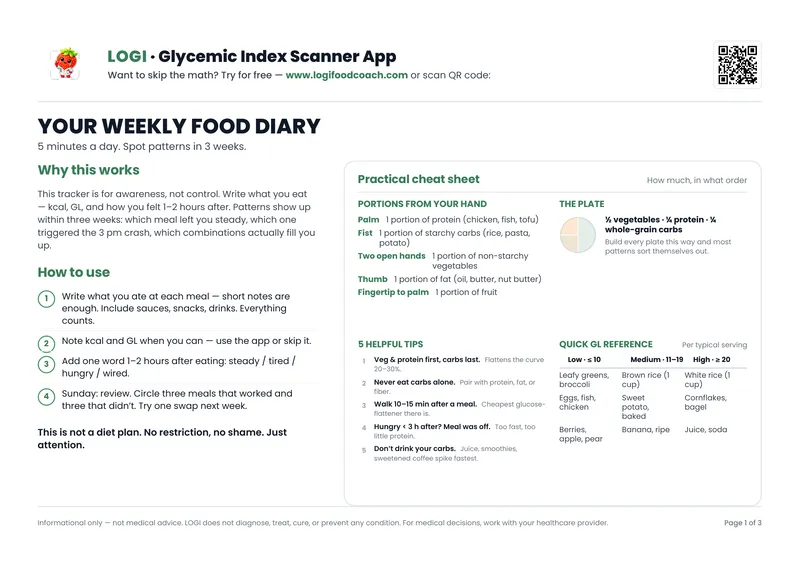
Free PDF — 3 pages
Your Weekly Food Journal
Track meals, glycemic load & mood. Spot patterns in 3 weeks.
No spam. Unsubscribe anytime.