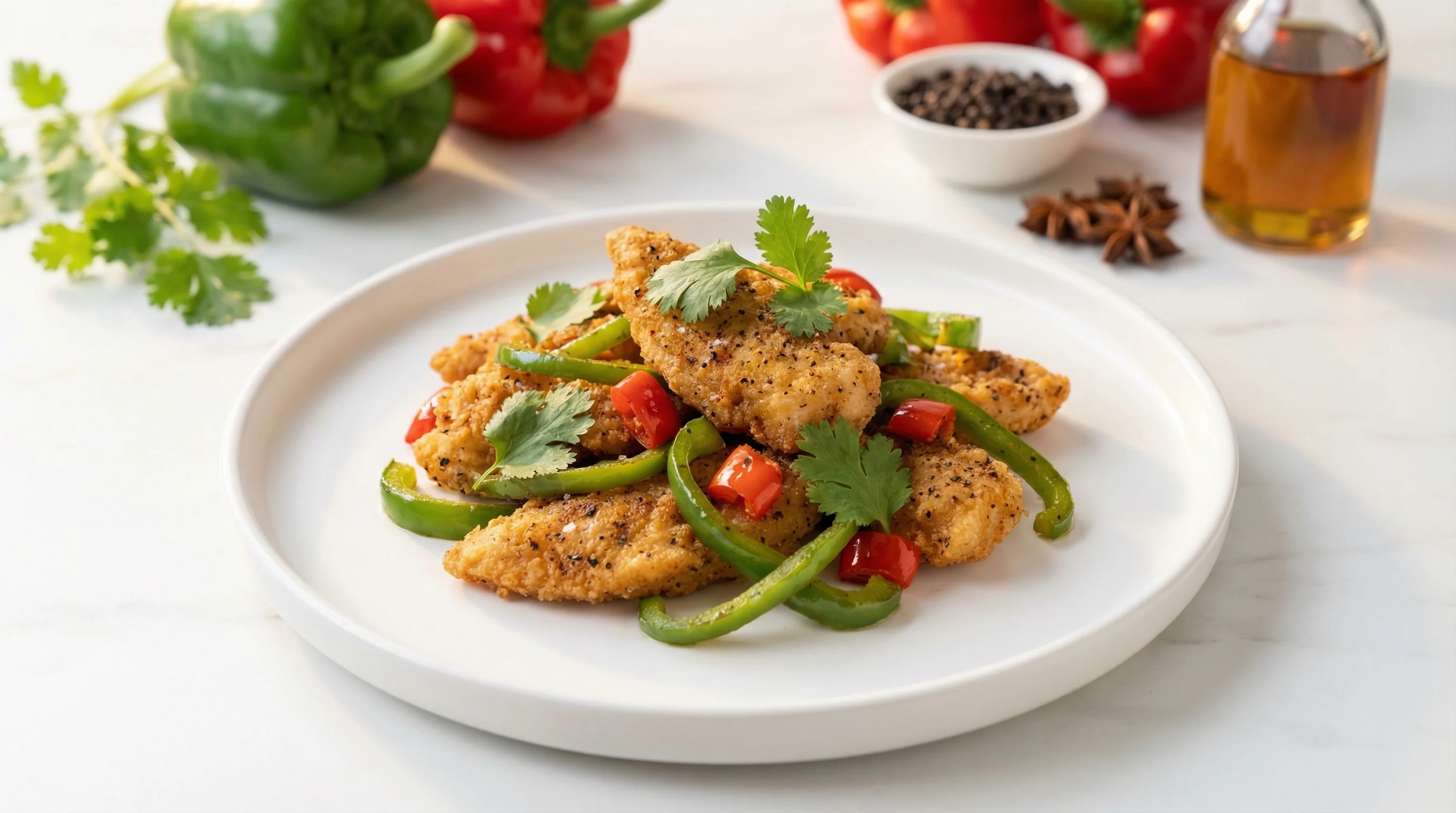
Low-GI Salt & Pepper Chicken
A blood sugar-friendly take on Chinese takeaway classic with crispy chicken, colorful peppers, and aromatic spices—minus the glucose spike.
This healthier version of the beloved Chinese takeaway favorite delivers all the flavor without the blood sugar rollercoaster. By using only a minimal amount of cornstarch (just 1 tablespoon for 2 servings, or substitute with almond flour for even lower GI) and loading up on fiber-rich bell peppers, we've created a dish that satisfies cravings while keeping your glucose levels stable.
The combination of lean chicken breast and colorful vegetables provides a perfect balance of protein and fiber, which work together to slow glucose absorption. The aromatic Chinese five spice blend adds depth and warmth without any added sugars, while the sesame oil contributes heart-healthy fats that further moderate the glycemic response. Bell peppers are particularly beneficial for blood sugar management, offering vitamin C and antioxidants with a GI of just 40.
For optimal glycemic control, eat the vegetables first before the chicken, and pair this dish with cauliflower rice instead of white rice. The high protein content (approximately 40g per serving) helps maintain steady energy levels and promotes satiety, preventing post-meal cravings that often lead to blood sugar spikes. The cornstarch coating is kept to an absolute minimum—just enough to create texture without significantly impacting blood sugar levels.
Blood Sugar Impact
Minimal blood sugar impact expected due to the low glycemic load of 4.8 and GI of 30. The high protein content from chicken breast combined with fiber-rich vegetables should provide stable energy for 3-4 hours without significant glucose spikes.
Blood Sugar Tips
- ✓ Eat the bell peppers and onions first before the chicken to benefit from the fiber and slow down overall digestion
- ✓ The corn starch coating adds some carbohydrates, so keep portion sizes moderate (palm-sized serving of chicken)
- ✓ Pair this meal with a 10-15 minute walk after eating to help muscles absorb any glucose and maintain stable blood sugar levels
🥗 Ingredients
- 320 g mini chicken fillets
- 1 tsp Chinese five spice
- 1 tsp black pepper
- 1 tsp salt
- 1 tbsp cornflour
- 1 tbsp sesame oil
- 1 pcs green bell pepper
- 1 pcs small sweet red bell pepper
- 1 pcs red onion
- 11.3 oz mini chicken fillets
- 1 tsp Chinese five spice
- 1 tsp black pepper
- 1 tsp salt
- 1 tbsp cornflour
- 1 tbsp sesame oil
- 1 pcs green bell pepper
- 1 pcs small sweet red bell pepper
- 1 pcs red onion
👨🍳 Instructions
- 1
Cut the chicken fillets into uniform bite-sized cubes, approximately 2cm each, to ensure even cooking and optimal texture.
- 2
In a medium mixing bowl, combine the Chinese five spice, black pepper, salt, and cornflour. Add the cubed chicken and toss thoroughly until each piece is evenly coated with the spice mixture.
- 3
While the chicken rests, prepare your vegetables: slice the green and red bell peppers into chunky strips about 3cm long to maintain crunch during cooking.
- 4
Heat the sesame oil in a large non-stick skillet or wok over medium-high heat until shimmering but not smoking, about 2 minutes.
- 5
Add the seasoned chicken pieces to the hot pan in a single layer, allowing space between pieces. Cook undisturbed for 3-4 minutes until the bottom develops a golden crust, then flip and cook another 3-4 minutes.
- 6
When the chicken is nearly cooked through (internal temperature reaching 165°F/74°C), add the sliced peppers to the pan. Stir-fry together for 2-3 minutes until vegetables are tender-crisp and slightly charred at the edges.
- 7
Taste and adjust seasoning if needed. Remove from heat immediately to prevent overcooking the chicken, which can make it tough and dry.
- 8
Serve immediately while hot. For optimal blood sugar control, pair with cauliflower rice or eat the vegetables first, followed by the protein. Garnish with sliced spring onions or sesame seeds if desired.
📊 Nutrition Per Serving
| Per Serving | Whole Dish | |
|---|---|---|
| Calories | 308 | 617 |
| Carbs | 16g | 32g |
| Sugars | 6g | 12g |
| Natural Sugars | 6g | 12g |
| Protein | 39g | 77g |
| Fat | 10g | 20g |
| Saturated Fat | 2g | 3g |
| Unsaturated Fat | 8g | 16g |
| Fiber | 4g | 7g |
| Sodium | 1240mg | 2481mg |
Predicted Glucose Response
What if you...
Estimated model — individual responses vary. Not medical advice.
🔄 Lower GI Swaps
Cornstarch has a high GI of 85 and can cause rapid blood sugar spikes. Almond flour provides zero glycemic impact while adding beneficial fats and protein. Coconut flour offers more fiber and a lower GI. Using spices alone eliminates all starch-based glucose impact, though the coating will be less crispy.
White rice has a GI of 73 and would add significant glycemic load to this meal. Cauliflower rice provides the same textural experience with minimal carbohydrates and a GI of just 15. Shirataki rice has zero digestible carbohydrates and no glycemic impact. A small portion of quinoa offers more protein and fiber than white rice while maintaining a moderate GI.
While sesame oil is excellent for blood sugar control, some people prefer different flavors or need a higher smoke point for high-heat cooking. Avocado oil tolerates higher temperatures without breaking down. Olive oil provides additional cardiovascular benefits. All three oils have zero glycemic impact and help slow carbohydrate absorption.
🔬 The Science Behind This Recipe
This recipe maintains low glycemic impact through strategic ingredient choices and minimal use of high-GI components. The cornstarch coating is limited to just 1 tablespoon for 2 servings (approximately 1.5 teaspoons per serving), which contributes only about 4-5g of rapidly-digesting carbohydrates. When combined with 40g of protein per serving from chicken breast and the fiber from bell peppers (GI 40), the overall glycemic response remains minimal. The sesame oil provides healthy fats that further slow carbohydrate absorption. Bell peppers are exceptionally blood sugar-friendly, containing only 6g of carbohydrates per 100g with a low glycemic load. The Chinese five spice blend adds flavor complexity without any carbohydrates or glycemic impact. For even better blood sugar control, you can substitute the cornstarch with almond flour (GI 0) or simply use the spice blend alone for a coating, though this will result in less crispy texture. The high protein-to-carbohydrate ratio ensures sustained energy release over 3-4 hours without significant glucose spikes.
Related recipes
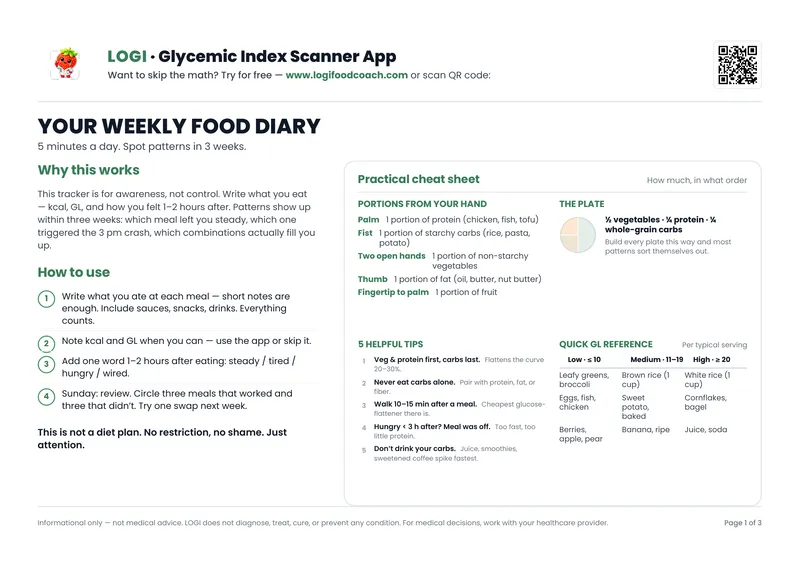
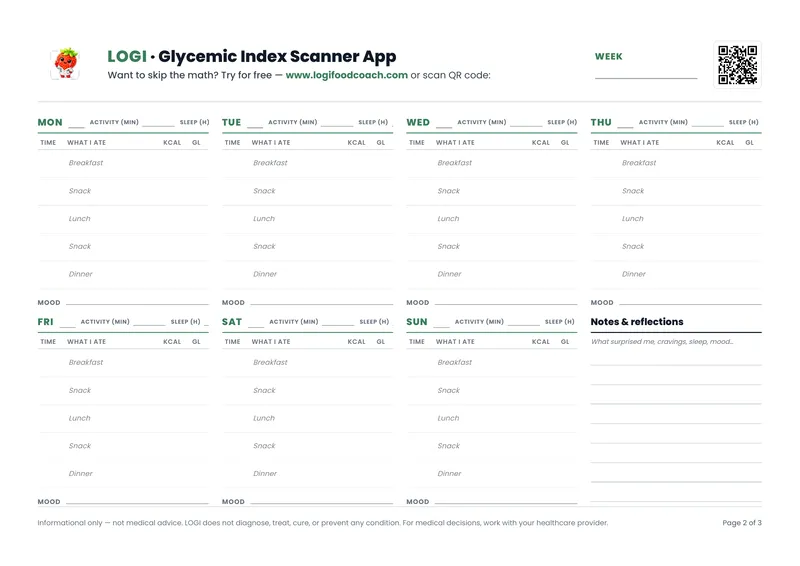
Free PDF — 3 pages
Your Weekly Food Journal
Track meals, glycemic load & mood. Spot patterns in 3 weeks.
No spam. Unsubscribe anytime.