Does the Mediterranean Diet Help with Blood Sugar? A Mechanism-First Walkthrough
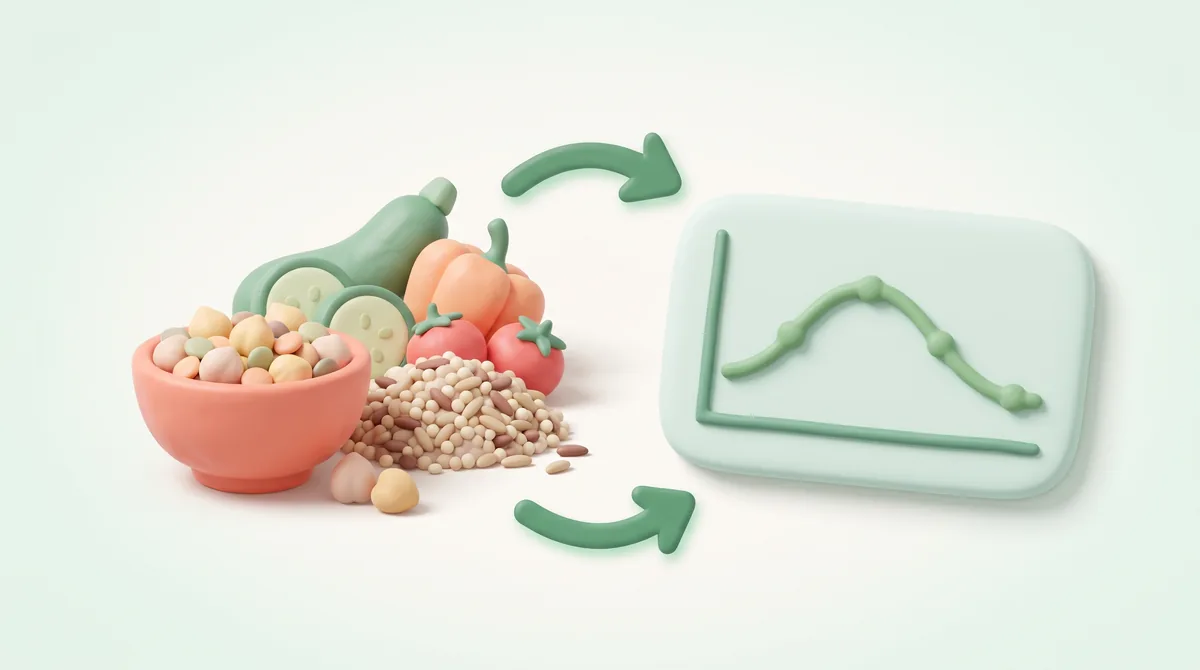
The Mediterranean diet has more evidence behind it than almost any other dietary pattern for blood sugar management, insulin resistance, and type 2 diabetes prevention — with well-designed randomized trials, decade-long cohort studies, and consistent replication across populations. It is one of the few dietary interventions that most professional bodies actually agree on.
What is usually missing from the discussion is why. “The Mediterranean diet is healthy” is not a mechanism, and it does not help anyone actually building a plate. This piece walks through the specific mechanisms that make this pattern move the glucose curve — which foods do what, why the sum is more than its parts, and how to distinguish a Mediterranean meal from a generic “healthy” meal.
The mechanism — three levers stacked, not one big one
The Mediterranean diet’s effect on blood sugar comes from several overlapping mechanisms, none of which are dramatic on their own but which stack together. This is important for expectation-setting: no single component is a magic ingredient. The pattern works because it puts several small levers in the same meal, every meal, for months.
The first lever is high fiber intake, mostly from vegetables, legumes, whole grains, fruits, and nuts. Fiber slows the rate at which carbohydrate reaches the bloodstream — a plate that includes a serving of legumes and a large serving of vegetables produces a flatter, lower glucose curve than the same protein and starch without them. This is not specific to the Mediterranean pattern, but the pattern makes it habitual.
The second lever is the substitution of refined carbohydrates with whole grains, legumes, and vegetables as the meal’s carbohydrate base. Whole-wheat sourdough behaves differently on the glucose curve than white bread; brown rice or barley behaves differently than white rice; lentils and chickpeas behave completely differently than mashed potato. The Mediterranean pattern does not eliminate carbohydrates — it changes their form.
The third lever is the extensive use of extra-virgin olive oil, which has several separate glucose effects: fat slows gastric emptying, olive oil’s specific polyphenols appear to improve insulin sensitivity over months, and olive oil replaces butter and refined seed oils that provide neither of these effects. This is the component that most distinguishes the Mediterranean pattern from a generic low-fat “vegetable-heavy” diet.
Underneath these three, moderate protein from fish, poultry, legumes, dairy, and small amounts of red meat, and moderate wine consumption with meals in adults who already drink, complete the picture. The pattern also emphasizes long, unhurried meals — a behavioral rather than nutritional variable, but one that appears in every serious Mediterranean-diet study and probably matters.
Olive oil — a lever that is bigger than it looks
Olive oil is treated as a background ingredient in most Western cooking; in the Mediterranean pattern it is a foreground one, used liberally on salads, vegetables, cooked dishes, and bread. This changes the shape of most meals.
The immediate effect is on gastric emptying. Adding a tablespoon or two of olive oil to a starchy meal slows the rate at which the starch reaches the small intestine, lowering the glucose peak and extending the curve. This is not specific to olive oil — any fat does this — but olive oil is the fat that ends up on the plate most often in the Mediterranean pattern.
The longer-run effect is the one that separates olive oil from other fats. Extra-virgin olive oil contains polyphenols — hydroxytyrosol, oleocanthal, oleuropein — that appear to improve insulin sensitivity over weeks to months of consistent intake. The effect size in the trials is meaningful, not dramatic, and it depends on the oil actually being extra-virgin rather than the refined “olive oil” or “light olive oil” grades, which lose most of their polyphenol content during processing.
The practical reading: replacing butter, corn oil, or refined seed oils with extra-virgin olive oil in daily cooking is one of the higher-leverage single changes in the pattern. The oil should be the peppery, slightly bitter kind that stings a little at the back of the throat when you taste it neat — that sting is the polyphenol content that the mechanism depends on.
The vegetable and legume base — where the fiber comes from
The Mediterranean pattern eats vegetables at nearly every meal, and legumes several times a week. This is not a suggestion in the pattern; it is a structural feature that makes several of the other pieces work.
Vegetables provide most of the fiber in the pattern. Salads with olive oil, cooked greens (spinach, kale, chard, dandelion), roasted vegetables, stewed vegetables, and vegetable-forward soups are the norm rather than the side. A large plate of vegetables at each meal is the mechanism that makes carbohydrate feel less prominent — a smaller portion of pasta or rice next to a large plate of vegetables is a smaller glucose event than the same starch alone.
Legumes — lentils, chickpeas, cannellini beans, borlotti, fava, split peas — are the pattern’s low-glycemic starch. A cup of cooked lentils produces roughly one-third the glucose response of a cup of white rice, at similar carbohydrate content. Legumes also carry protein and fiber, so they replace a portion of both the starch and the meat in many traditional Mediterranean dishes.
The realistic reading: if you cannot see vegetables covering half the plate and a legume component in most weekly meals, the pattern is missing its base.
The carbohydrate side — whole grains, minimally refined
The Mediterranean pattern is not low-carbohydrate. Bread, pasta, rice, couscous, bulgur, farro, and polenta all appear in it. What changes is the form.
The bread in a Mediterranean kitchen is typically a whole-grain sourdough or a whole-wheat country loaf — dense, slower to digest, with visible bran and often a fermented crumb that further reduces the glucose response. This bread is a different food from a supermarket white loaf, and it produces a substantially lower glucose peak per slice.
Pasta is used but in smaller portions than in most American Italian cooking, and it is typically eaten al dente. Cooking pasta al dente rather than soft reduces the glucose response of the same portion by a meaningful amount, because a firmer starch structure digests more slowly. Pasta is also often served with vegetables, olive oil, and protein rather than as a large plain-carb dish.
Rice appears in the pattern (paella, risotto, rice-based Middle Eastern dishes), typically alongside vegetables, olive oil, and protein rather than as a stand-alone carb. Bulgur, couscous, farro, and barley are common lower-glycemic substitutes that behave better than white rice on the glucose curve.
The realistic reading: the pattern does not remove starch from meals — it replaces refined starch with slower-digesting whole grains, in smaller portions relative to vegetables and protein.
The protein side — fish, legumes, moderate meat
Protein in the Mediterranean pattern comes from a mix that emphasizes fish (weekly), poultry (weekly), legumes (several times weekly), dairy (yogurt and cheese, moderate), eggs (moderate), and small amounts of red meat (once a week or less).
Fish is the protein that most distinguishes the pattern from other traditional cuisines. Oily fish — sardines, anchovies, mackerel, salmon — provides long-chain omega-3 fats that appear to improve insulin sensitivity independently of the rest of the diet. White fish is common as well and behaves as a lean protein.
The point about red meat is not that it is forbidden but that it is used sparingly, often as a flavoring ingredient rather than the plate’s centerpiece — a small amount of lamb in a vegetable stew, some cured pork in a legume dish, a small serving of beef with a large plate of vegetables. This is a different pattern from a Western meal built around a large protein portion.
What distinguishes it from “eat healthier”
“Eat more vegetables and less refined carbohydrate” is a real recommendation and it does something for blood sugar. What distinguishes the Mediterranean pattern from this generic recommendation is the specific combination and the consistency.
First, the pattern uses olive oil liberally rather than seed oils moderately. This is a specific dietary choice that most generic “healthy eating” advice glosses over.
Second, the pattern eats fish weekly at minimum, which most generic recommendations mention but do not emphasize enough to make into a habit.
Third, the pattern relies on legumes as a carbohydrate source, which is uncommon in Western diets and which produces meaningfully different glucose curves than potato- or grain-based carbohydrates.
Fourth, the pattern typically eats a smaller portion of animal protein alongside a larger portion of plant food, rather than the other way around. This is a change in plate composition, not just ingredient selection.
Fifth, the pattern includes moderate red wine with meals in adults who already drink — a component the research supports but that no one should adopt for the sake of the pattern.
Any one of these on its own is a small change. All of them together, repeated for months, is what shows up in the trial outcomes as improved HbA1c, better fasting glucose, and improved insulin sensitivity.
The practical shortlist
If you want a mental shortcut for a Mediterranean-style plate:
- Base every meal on vegetables — covering half the plate, cooked or raw, dressed with olive oil.
- Use extra-virgin olive oil as the primary cooking and finishing fat — on salads, vegetables, cooked dishes, drizzled on bread. The peppery kind, not the light-flavored kind.
- Include a legume component several times a week — as the starch, as part of the protein, in soup, in salad.
- Choose whole grains when starch is on the plate — whole-grain sourdough, al dente pasta, bulgur or farro or brown rice instead of white rice, small portions.
- Eat fish at least once a week — oily fish (sardines, mackerel, salmon) for the omega-3 benefit, white fish for a normal lean-protein meal.
- Treat red meat as an occasional flavoring rather than the plate’s centerpiece.
- Include yogurt, cheese, nuts, and fruit as regular components — small portions, everyday foods.
- If you drink, moderate wine with meals — one glass with dinner, not a bottle. If you do not drink, skip this component entirely.
The single most useful move for most people starting from a standard Western diet is to replace butter and seed oils with extra-virgin olive oil, add a legume component to two or three meals a week, and double the vegetable portion at every meal. Those three changes alone deliver most of the pattern’s glucose effect, without requiring anyone to become a home cook of a foreign cuisine.
The bigger picture
The Mediterranean diet is not one recipe or one country’s food — it is a pattern that shows up in slightly different forms across the Mediterranean basin, and its effects on blood sugar come from several small mechanisms stacked together rather than one big lever. This is why it is durable and why it is unglamorous: no single meal on this pattern is dramatic, but the trajectory over months is what changes the numbers.
For blood sugar specifically, the evidence base is strong. Randomized trials show improvements in HbA1c and fasting glucose over weeks to months, meta-analyses show reduced type 2 diabetes incidence in adherent populations, and long-term cohort studies show lower cardiovascular events — which matter because diabetes and cardiovascular disease share the same underlying insulin-resistance pathway.
The durable move is to think of the Mediterranean pattern not as a diet to start and stop but as a default way of building a plate: vegetables first, olive oil liberally, whole grains and legumes as the starch, moderate protein, small portions of red meat, and unhurried meals. Any one meal built this way is a normal-glucose meal. A year of meals built this way is what shows up in the numbers.
If you want to see how a specific Mediterranean-style meal you cooked or ordered actually behaves on the glucose curve, Logi can scan a photo of the plate or the recipe and estimate its glycemic load in seconds — useful for calibrating portion sizes as you settle into the pattern.
This article is educational. It is not medical advice. Individual responses to any food vary widely; if you have diabetes, insulin resistance, or another metabolic condition, discuss dietary choices with your doctor or a registered dietitian.
Foods in this article
Related recipes

Slow-Roasted Caramelized Leeks with Olive Oil
Tender, golden leeks roasted to buttery perfection—a low-glycemic side dish that won't spike blood sugar while delivering rich, caramelized flavor.

Mediterranean Shrimp Scampi with Whole Wheat Pasta
A blood sugar-friendly twist on classic scampi using whole wheat pasta, heart-healthy olive oil, and protein-rich shrimp for steady energy without the spike.

Mediterranean Baked Halibut with Fresh Tomato-Basil Salsa
Tender halibut fillets topped with vibrant tomato-basil salsa create a protein-rich, low-glycemic meal that supports stable blood sugar levels naturally.
Take control of your blood sugar
Scan your meals, track glycemic load, and see your patterns — all in one app.
Start Free Trial →
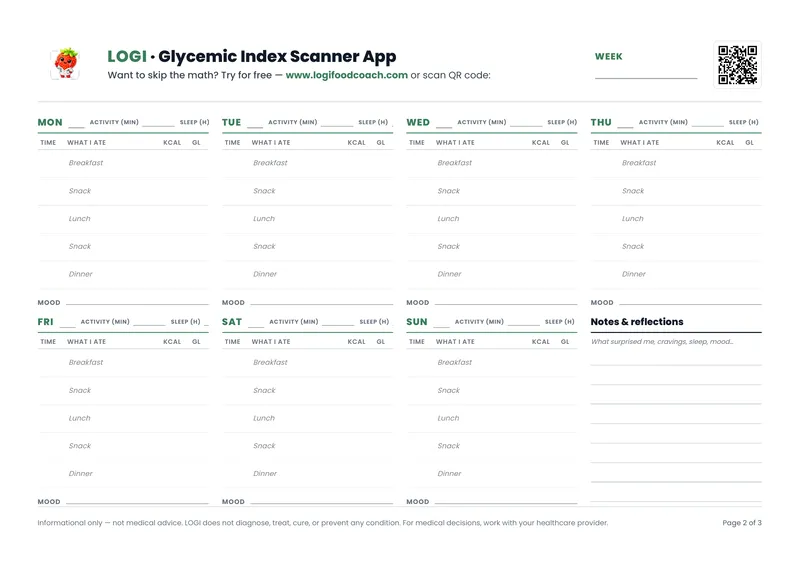
Free PDF — 3 pages
Your Weekly Food Journal
Track meals, glycemic load & mood. Spot patterns in 3 weeks.
No spam. Unsubscribe anytime.