Grape jelly
Medium GI
GL 6.5 per typical tablespoon (15 g) · GL 43 per 100 g
- Contains some natural antioxidants
- Very high glycemic load
Grape jelly has a glycemic index of 65 (Moderate). One typical tablespoon (15 g) adds a glycemic load of 6.5.
Updated Jul 13, 2026 · Sources: Logi Nutrition Team (USDA-derived composition, AI-assisted) · Not medical advice · Report an error
Instead of this
- Fresh blueberries (crushed)GL 7 per 100 g Fresh mashed blueberries offer a significantly lower glycemic load (7 vs 43) while providing a similar fruit-based sweetness and texture.
- GL 1 per 100 g This swap provides a much more stable blood sugar response with a GL of 1, while adding protein and healthy fats to keep you full longer.
 Plain greek yogurt with cinnamon and walnuts
Logi · Manage Insulin Resistance
Lower your blood sugar through smarter food choices
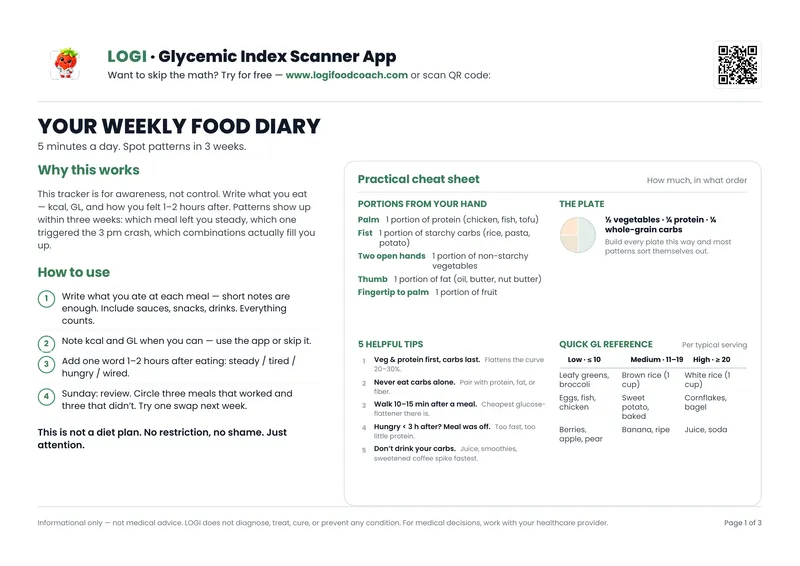
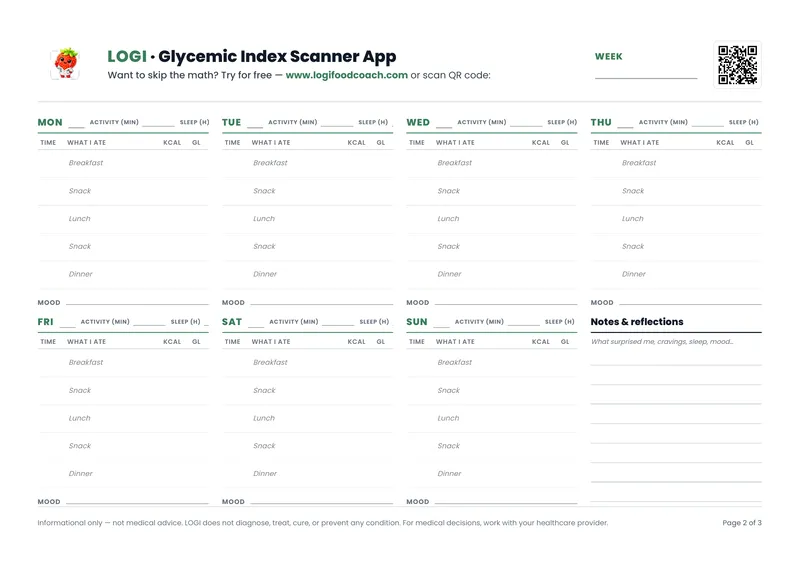
Grape jelly is one of the 11,150 foods Logi scores when you photograph a meal — with the portion.


Nutrition Facts (per 100g)
per 100g
| Calories | 260 kcal |
| Carbohydrates | 66 g |
| Sugars (Total) | 48 g |
| Natural | 8 g |
| Added | 40 g |
| Fiber | 0.3 g |
| Soluble | 0.12 g |
| Insoluble | 0.18 g |
| Protein | 0.3 g |
| Fat | 0.1 g |
| Saturated | 0 g |
| Unsaturated | 0.1 g |
| Sodium | 35 mg |
Processing Level
Why this score?
- Contains some natural antioxidants
- Low in fat
- Very high glycemic load
- Extremely high added sugar
- Low in fiber
Calculate the glycemic load of a meal with Grape jelly
Allergens
No EU-14 allergen listed
Low-GI recipes on Logi Food Coach
Frequently Asked Questions
What is the glycemic index of Grape jelly?
Grape jelly has a glycemic index of 65 (Moderate). One typical tablespoon (15 g) has a glycemic load of 6.5; per 100 g the glycemic load is 43.
Is Grape jelly good for people with insulin resistance?
Grape jelly has a medium glycemic index (65). It fits in moderation, ideally with protein or fat; a lower-load alternative is Fresh blueberries (crushed).
How does Grape jelly affect blood sugar?
Grape jelly has a glycemic load of 43 per 100g, which indicates a significant impact on blood sugar levels.
Check Grape jelly in the Logi app, with your portion.