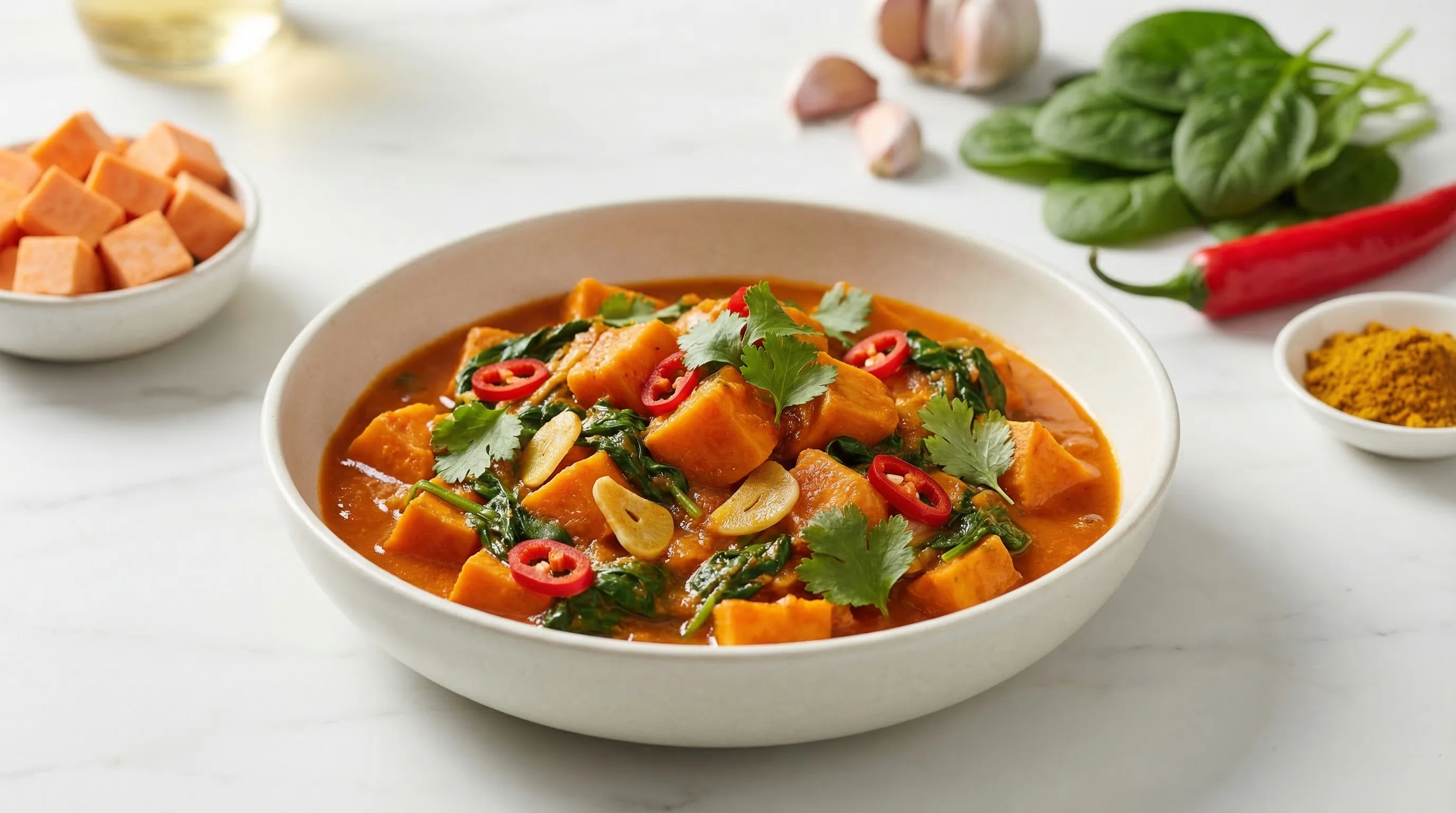
Sweet Potato and Spinach Curry
A vibrant, blood sugar-friendly curry featuring fiber-rich sweet potatoes and nutrient-dense spinach in a fragrant tomato-based sauce.
This colorful curry offers a smart approach to managing blood sugar while delivering bold, satisfying flavors. Sweet potatoes, despite their name, have a lower glycemic impact than white potatoes thanks to their fiber content and resistant starch. When combined with protein-rich spinach and served alongside cauliflower rice, this dish creates a balanced meal that won't spike glucose levels.
The recipe's secret to glycemic control lies in its thoughtful ingredient pairing. The generous amount of spinach adds both volume and fiber, which slows carbohydrate absorption. The tomato-based passata provides lycopene and acidity, further moderating the glycemic response. Aromatic spices like curry powder not only enhance flavor but may also support insulin sensitivity.
For optimal blood sugar management, consider eating the spinach and vegetables first, then the sweet potatoes. Pair this curry with a protein source like grilled chicken, tofu, or a dollop of Greek yogurt to further stabilize glucose levels. The fiber-rich vegetables and moderate portion of complex carbohydrates make this an excellent choice for a satisfying lunch or dinner that keeps energy steady for hours.
Blood Sugar Impact
Moderate blood sugar impact with a gradual rise and sustained energy for 3-4 hours. The medium glycemic load of 24 combined with fiber from sweet potato and spinach will create a steady glucose response rather than a sharp spike.
Blood Sugar Tips
- ✓ Add a protein source like chickpeas, lentils, or grilled chicken to further slow glucose absorption and increase satiety
- ✓ Eat the spinach and other vegetables first before the sweet potato to leverage the fiber for better blood sugar control
- ✓ Pair the meal with a 15-minute walk after eating to help muscles absorb glucose and reduce post-meal blood sugar elevation
🥗 Ingredients
- 300 ml hot low salt vegetable stock, suitable for vegans
- 750 g sweet potatoes, cut into bite-size chunks
- 1 pcs onion, finely chopped
- 250 g baby spinach
- 2 pcs garlic cloves, thinly sliced
- 1 pcs red chilli, deseeded and thinly sliced, plus extra slices to serve
- 1 tbsp medium or hot curry powder
- 400 g passata
- 1.3 cups hot low salt vegetable stock, suitable for vegans
- 1.7 lb sweet potatoes, cut into bite-size chunks
- 1 pcs onion, finely chopped
- 8.8 oz baby spinach
- 2 pcs garlic cloves, thinly sliced
- 1 pcs red chilli, deseeded and thinly sliced, plus extra slices to serve
- 1 tbsp medium or hot curry powder
- 14.1 oz passata
👨🍳 Instructions
- 1
Prepare your ingredients by cutting the sweet potatoes into uniform bite-sized chunks, finely chopping the onion, thinly slicing the garlic cloves, and deseeding and slicing the red chilli. Set aside extra chilli slices for garnish.
- 2
Pour the hot vegetable stock into a large saucepan or deep skillet. Add the sweet potato chunks and chopped onion to the stock.
- 3
Bring the mixture to a rolling boil over high heat, then reduce the heat to medium-low. Cover the pan with a lid and let it simmer gently for 4-5 minutes until the sweet potatoes just begin to soften.
- 4
Add the baby spinach, sliced garlic, sliced red chilli, and curry powder to the pan. Stir everything together to combine the aromatics with the vegetables.
- 5
Pour in the passata and stir well to create a rich, tomatoey sauce that coats all the vegetables evenly.
- 6
Cook uncovered over medium heat for 10 minutes, stirring occasionally, until the sweet potatoes are completely tender when pierced with a fork and the sauce has thickened slightly.
- 7
Taste and adjust seasoning as needed. For best blood sugar control, serve immediately with cauliflower rice or alongside a protein source like grilled chicken or tofu.
- 8
Garnish with the reserved red chilli slices and serve hot. Consider eating the spinach and sauce first, then the sweet potatoes, to minimize glycemic impact.
📊 Nutrition Per Serving
| Per Serving | Whole Dish | |
|---|---|---|
| Calories | 237 | 946 |
| Carbs | 51g | 204g |
| Sugars | 14g | 57g |
| Natural Sugars | 14g | 57g |
| Protein | 7g | 29g |
| Fat | 1g | 4g |
| Saturated Fat | 0g | 0g |
| Unsaturated Fat | 1g | 3g |
| Fiber | 10g | 40g |
| Soluble Fiber | 1g | 3g |
| Insoluble Fiber | 2g | 7g |
| Sodium | 438mg | 1751mg |
Predicted Glucose Response
What if you...
Estimated model — individual responses vary. Not medical advice.
🔄 Lower GI Swaps
Cauliflower, zucchini, and eggplant have significantly lower glycemic index (GI 15-20) compared to sweet potato (GI 63), reducing the overall glycemic load while maintaining the hearty texture in the curry.
Leeks and shallots have a lower glycemic index (GI 15) than onions (GI 10-15) and provide similar aromatic flavor with less impact on blood sugar when used in smaller quantities.
Fresh or canned diced tomatoes have lower sugar concentration than passata, reducing glycemic load while providing the same tomato base and acidity to the curry.
Adding extra turmeric and cinnamon to curry spices may help improve insulin sensitivity and glucose metabolism, potentially lowering the post-meal blood sugar response.
🔬 The Science Behind This Recipe
The Science Behind This Blood Sugar-Friendly Curry
This Sweet Potato and Spinach Curry is a masterclass in glycemic balance, with a moderate glycemic load of 24 and an estimated GI of 47. While sweet potatoes contain carbohydrates, they're packed with fiber—particularly when cooked with the skin on—which slows down the conversion of starch into glucose. This fiber acts like a natural brake on your blood sugar, preventing the sharp spikes you'd get from refined carbs. The spinach adds another layer of protection: its high fiber and water content further dilute the glycemic impact of the meal, while providing minerals like magnesium that support insulin sensitivity.
The real magic happens in how these ingredients work together. When you combine the sweet potato's complex carbohydrates with the protein and healthy fats you'd typically add to a curry (like coconut milk or chickpeas), you create what nutritionists call a "blunted glycemic response." The fats slow stomach emptying, meaning glucose enters your bloodstream more gradually. The onions and garlic aren't just flavor enhancers—they contain compounds that may improve insulin function, helping your cells absorb glucose more efficiently.
To maximize this recipe's benefits, try eating your spinach and other vegetables first, then move to the sweet potato. This "food sequencing" strategy can reduce post-meal glucose spikes by up to 73% according to recent research. Consider pairing this curry with a small portion of lentils or grilled chicken for additional protein, and take a 10-15 minute walk after eating. These simple habits transform a good low-GI meal into an excellent tool for steady energy and metabolic health.
Related recipes
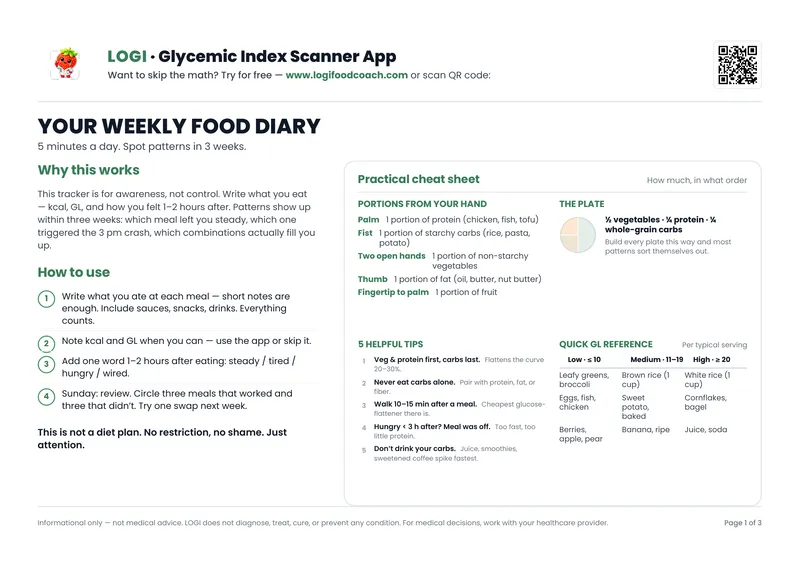
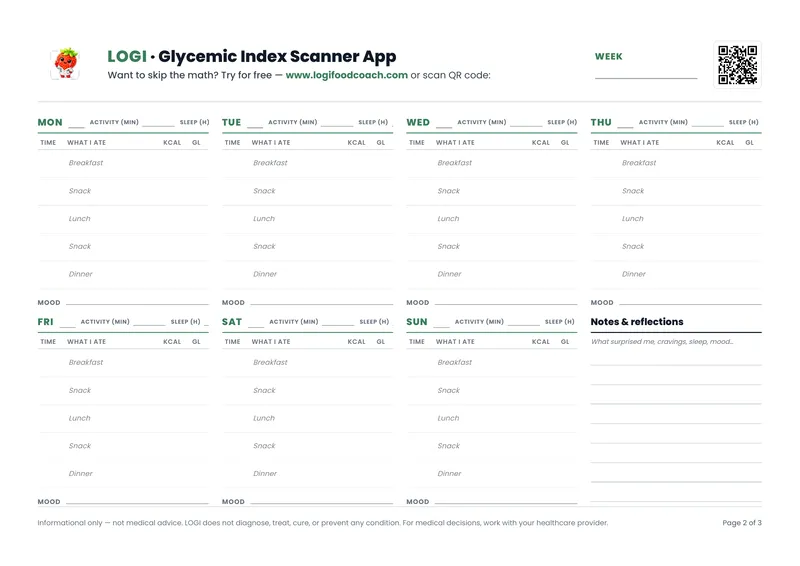
Free PDF — 3 pages
Your Weekly Food Journal
Track meals, glycemic load & mood. Spot patterns in 3 weeks.
No spam. Unsubscribe anytime.