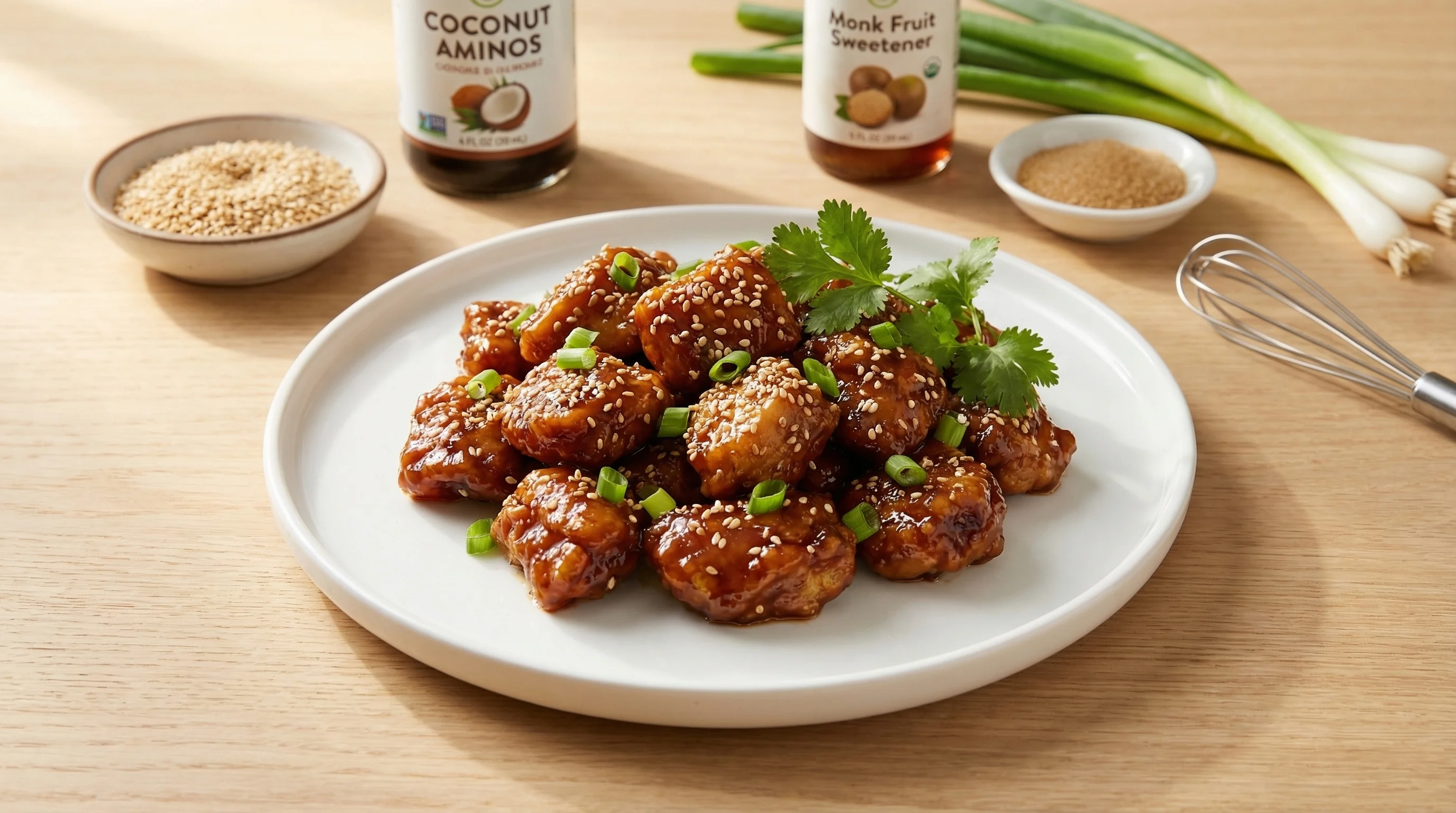
Low-Glycemic Sticky Sesame Chicken
Tender chicken in a blood sugar-friendly sesame sauce with smart swaps that keep the sticky sweetness without the glucose spike—perfect for weeknight dinners.
This Low-Glycemic Sticky Sesame Chicken transforms a takeout favorite into a blood sugar-friendly meal without sacrificing the addictive sweet-savory flavor you crave. By replacing honey with a low-GI sweetener and swapping cornflour coating for almond flour, we've dramatically reduced the glycemic load while maintaining that signature crispy texture and glossy sauce.
The key to managing blood sugar with this dish lies in the strategic ingredient swaps and cooking method. Air frying the chicken creates maximum crispiness with minimal oil, while the sauce uses coconut aminos instead of traditional soy sauce for lower sodium and a gentler glucose response. The sesame seeds provide healthy fats that slow carbohydrate absorption, and the spring onions add fiber and beneficial compounds that support insulin sensitivity.
For optimal glycemic control, serve this chicken over cauliflower rice instead of white rice, and start your meal with the suggested edamame beans or a large serving of non-starchy vegetables. This eating sequence—vegetables and protein first, then any starches—can reduce post-meal blood sugar spikes by up to 73% according to recent research. The combination of protein, healthy fats, and fiber in this meal creates a balanced plate that keeps you satisfied for hours without the energy crash that follows high-GI takeout meals.
Blood Sugar Impact
Minimal blood sugar impact expected due to the very low glycemic load of 3.2 and GI of 28. This meal should provide stable energy for 3-4 hours without significant glucose spikes, as the protein-rich chicken and almond flour coating create a slow-digesting combination.
Blood Sugar Tips
- ✓ Pair this meal with non-starchy vegetables like broccoli or bok choy to add fiber and further slow glucose absorption
- ✓ Eat this as part of a balanced meal rather than on an empty stomach to optimize blood sugar stability
- ✓ Consider taking a 10-15 minute walk after eating to help muscles utilize any glucose released and maintain steady blood sugar levels
🥗 Ingredients
- 300 g chicken breast, diced into bite-sized pieces
- 3 tbsp almond flour
- 3 pcs spring onions, chopped
- 3 tbsp coconut aminos
- 2 tbsp monk fruit sweetener or erythritol
- 1 tbsp sugar-free ketchup
- 2 tbsp toasted sesame seeds
- 1 tbsp rice vinegar, unseasoned
- 2 tsp garlic, minced
- 1 tsp fresh ginger, grated
- 1 tsp sesame oil
- 1 tsp avocado oil spray
- 10.6 oz chicken breast, diced into bite-sized pieces
- 3 tbsp almond flour
- 3 pcs spring onions, chopped
- 3 tbsp coconut aminos
- 2 tbsp monk fruit sweetener or erythritol
- 1 tbsp sugar-free ketchup
- 2 tbsp toasted sesame seeds
- 1 tbsp rice vinegar, unseasoned
- 2 tsp garlic, minced
- 1 tsp fresh ginger, grated
- 1 tsp sesame oil
- 1 tsp avocado oil spray
👨🍳 Instructions
- 1
Prepare the marinade by combining minced garlic, grated ginger, 1 tablespoon coconut aminos, and sesame oil in a medium bowl. Add the diced chicken breast and toss to coat evenly. Cover and refrigerate for 15-20 minutes to allow flavors to penetrate the meat.
- 2
While the chicken marinates, create the low-glycemic sticky sauce. In a small saucepan, whisk together the remaining 2 tablespoons coconut aminos, monk fruit sweetener, sugar-free ketchup, rice vinegar, and 1 tablespoon sesame seeds. Set aside at room temperature—do not heat yet.
- 3
Remove chicken from marinade and pat slightly dry with paper towels. Place almond flour in a shallow dish and toss each chicken piece to coat lightly but evenly. The almond flour creates a crispy coating without the blood sugar spike of cornstarch.
- 4
Preheat your air fryer to 200°C (400°F). Lightly spray the air fryer basket with avocado oil. Arrange chicken pieces in a single layer without overcrowding—work in batches if necessary. Air fry for 10-12 minutes, shaking the basket and flipping pieces halfway through, until chicken is golden, crispy, and reaches an internal temperature of 75°C (165°F).
- 5
When chicken is nearly done, place the saucepan with the sticky sauce over medium heat. Bring to a gentle simmer, stirring frequently, and cook for 2-3 minutes until the sauce thickens slightly and becomes glossy. The monk fruit sweetener will create the same sticky texture as honey without affecting blood sugar.
- 6
Transfer the crispy chicken pieces to the saucepan with the warm sauce. Add the chopped spring onions and toss everything together gently but thoroughly, ensuring each piece is coated with the sticky glaze. Cook for an additional 1-2 minutes, allowing the flavors to meld.
- 7
Serve immediately, garnished with the remaining tablespoon of toasted sesame seeds and additional chopped spring onions or chives. For optimal blood sugar control, pair with cauliflower rice and steamed edamame beans. Pro tip: eat the edamame and any vegetables first, then the chicken, to minimize glucose response.
📊 Nutrition Per Serving
| Per Serving | Whole Dish | |
|---|---|---|
| Calories | 365 | 731 |
| Carbs | 12g | 23g |
| Sugars | 6g | 11g |
| Added Sugars | 2g | 3g |
| Natural Sugars | 4g | 8g |
| Protein | 39g | 79g |
| Fat | 18g | 36g |
| Saturated Fat | 2g | 5g |
| Unsaturated Fat | 15g | 30g |
| Fiber | 3g | 6g |
| Soluble Fiber | 1g | 2g |
| Insoluble Fiber | 2g | 4g |
| Sodium | 211mg | 421mg |
Predicted Glucose Response
What if you...
Estimated model — individual responses vary. Not medical advice.
🔄 Lower GI Swaps
Standard ketchup contains added sugars that spike blood glucose. These alternatives provide the tangy-sweet flavor with minimal impact on blood sugar levels.
While rice vinegar has minimal sugar, apple cider vinegar has been shown to improve insulin sensitivity and may help lower post-meal blood sugar spikes more effectively.
While avocado oil is excellent, extra virgin olive oil contains polyphenols that may improve insulin sensitivity and help regulate blood sugar levels more effectively over time.
Coconut flour and flaxseed meal have even lower glycemic impact than almond flour due to higher fiber content, which slows glucose absorption and creates a more gradual blood sugar response.
🔬 The Science Behind This Recipe
The Science Behind This Blood Sugar-Friendly Dish
This sticky sesame chicken delivers all the satisfaction of takeout without the glucose rollercoaster, thanks to smart ingredient swaps that dramatically lower its glycemic impact. Traditional versions use wheat flour and sugar, which can spike blood sugar quickly, but this recipe uses almond flour as a coating—a game-changer for glucose control. Almond flour contains healthy fats, protein, and fiber that slow down carbohydrate digestion, meaning glucose enters your bloodstream gradually rather than all at once. With an estimated GI of just 28 (compared to wheat flour's 70+), this swap alone transforms the dish from high-glycemic to remarkably blood sugar-friendly.
The chicken breast itself plays a crucial role in this recipe's low glycemic load of 3.2 per serving. Protein-rich foods like chicken have virtually no impact on blood sugar and actually help moderate the absorption of any carbohydrates in your meal. When you combine protein with small amounts of carbs (in this case, the minimal carbs from almond flour), you create what nutritionists call "protein-carb pairing"—one of the most effective strategies for preventing glucose spikes. Meanwhile, monk fruit extract provides sweetness without any glycemic impact whatsoever, unlike the sugar or honey used in traditional recipes that would add 15-20 points to the glycemic load.
To maximize the blood sugar benefits of this meal, try eating it alongside a generous portion of non-starchy vegetables like broccoli or bok choy, and consider having those vegetables first. This "food sequencing" approach—vegetables before protein before any remaining carbs—has been shown to reduce post-meal glucose spikes by up to 73% in some studies, making an already low-glycemic meal even gentler on your blood sugar.
Related recipes
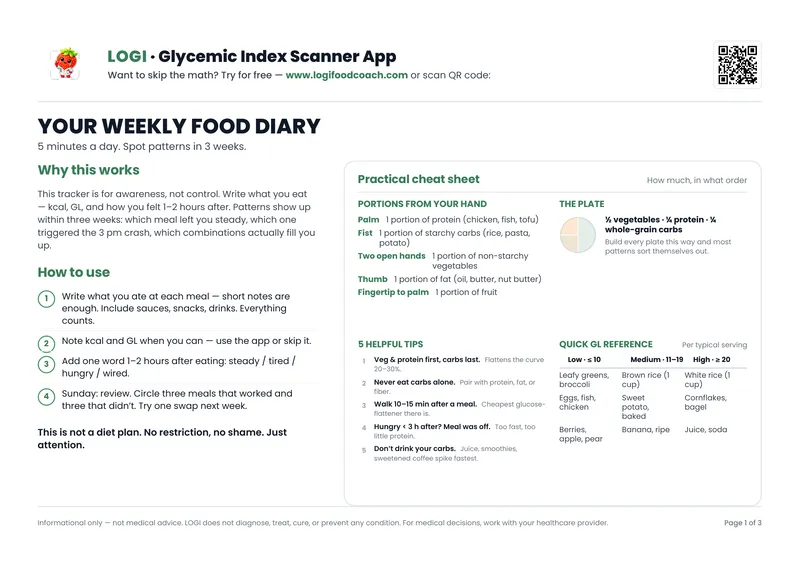
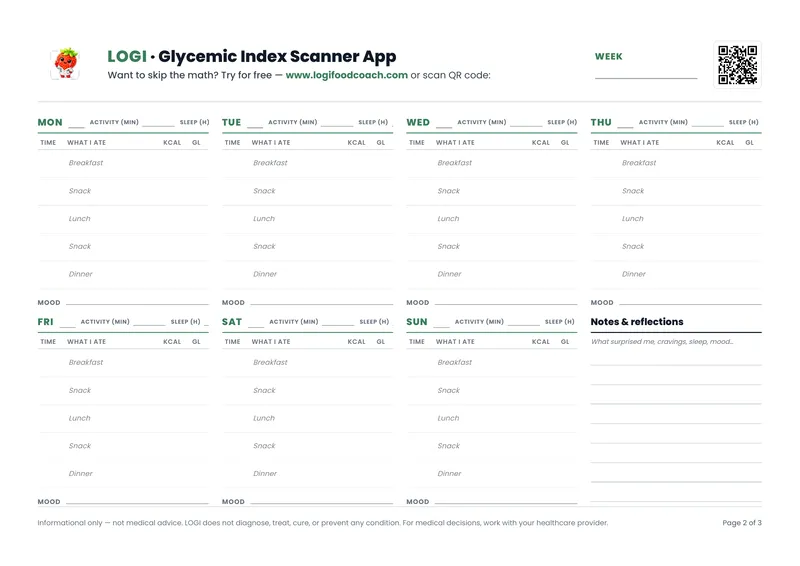
Free PDF — 3 pages
Your Weekly Food Journal
Track meals, glycemic load & mood. Spot patterns in 3 weeks.
No spam. Unsubscribe anytime.