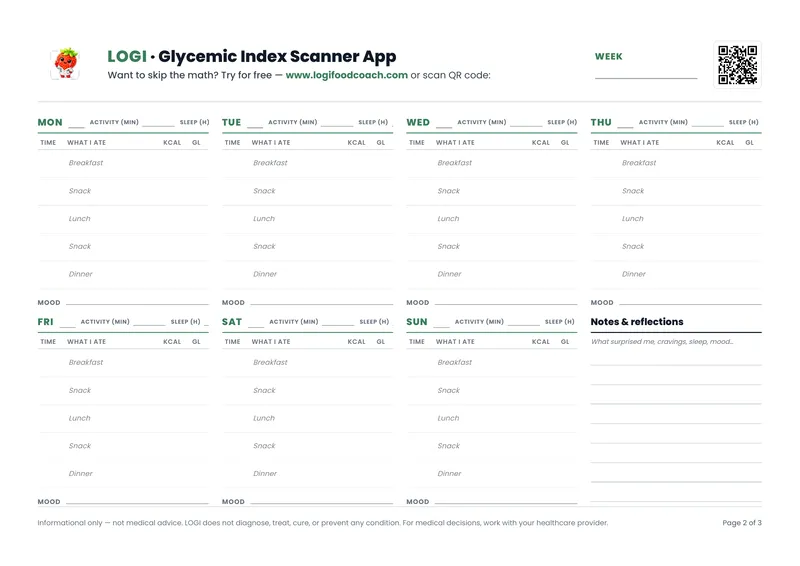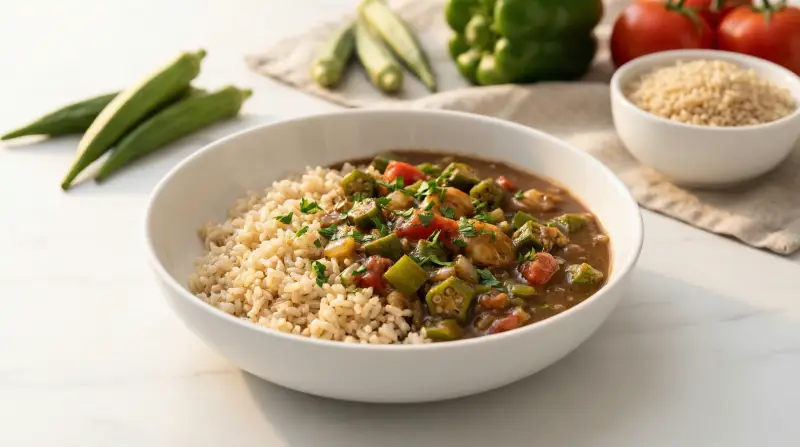
Blood Sugar-Friendly Seafood Gumbo (Serve Over Cauliflower Rice or Small Portion Brown Rice)
A Louisiana classic reimagined for glycemic control, featuring succulent shrimp and crab in a rich, vegetable-packed roux that won't spike your blood sugar when served with cauliflower rice or a.
This healthier take on Louisiana's beloved seafood gumbo proves you don't have to sacrifice flavor for blood sugar management. By using a carefully crafted whole wheat roux and loading up on fiber-rich vegetables like okra, celery, and bell peppers, this dish delivers authentic Creole taste while keeping your glucose levels steady. The combination of lean protein from shrimp and crab provides sustained energy without the glycemic rollercoaster. The gumbo itself has a remarkably low glycemic impact, making it an excellent choice for anyone managing their blood sugar.
The secret to this gumbo's blood sugar benefits lies in its thoughtful construction. The okra acts as a natural thickener while contributing soluble fiber that slows glucose absorption. The abundance of aromatic vegetables—the holy trinity of onions, celery, and bell peppers—adds volume and nutrients without adding significant carbohydrates that impact blood sugar. The whole wheat flour in the roux provides more fiber than traditional white flour while creating that essential rich, nutty base.
For optimal glycemic control, we recommend serving this gumbo over cauliflower rice, which has virtually no impact on blood sugar. If you prefer traditional brown rice, limit your portion to 1/4 cup cooked rice per serving and eat the vegetables and seafood first, then finish with the rice. This eating sequence helps moderate the glucose response. The healthy fats from canola oil and the protein from seafood further slow digestion, creating a satisfying meal that keeps you full for hours. Pair with a simple green salad to add even more fiber and make this a complete, diabetes-friendly dinner that the whole family will love.
Blood Sugar Impact
This gumbo should produce a gradual, moderate blood sugar rise due to its low glycemic load of 9.8 and balanced combination of protein, fiber-rich vegetables, and whole grain flour. Expect stable energy for 3-4 hours without significant spikes or crashes.
Blood Sugar Tips
- ✓ Eat the okra and vegetables first before the rice portion to slow glucose absorption through increased fiber intake
- ✓ Pair the meal with a 10-15 minute walk after eating to help muscles utilize glucose and blunt any blood sugar rise
- ✓ Add extra protein like shrimp or fish to the gumbo to further slow digestion and improve satiety
🥗 Ingredients
- 6 tbsp canola oil
- 0.5 cup whole wheat flour
- 1 cup yellow onions, chopped
- 1 cup celery, chopped
- 1 cup green bell pepper, chopped
- 2 pcs fresh tomatoes, chopped
- 1 cup okra, fresh or frozen
- 1 tbsp Creole seasoning blend
- 2 pcs garlic cloves, minced
- 6 cup fish stock, low-sodium
- 2 pcs bay leaves
- 1 oz large shrimp, peeled and deveined
- 0.5 tsp smoked paprika
- 12 oz lump crab meat
- 2 cup cooked brown rice
- 1 cup fresh parsley, chopped
- 6 tbsp canola oil
- 0.5 cup whole wheat flour
- 1 cup yellow onions, chopped
- 1 cup celery, chopped
- 1 cup green bell pepper, chopped
- 2 pcs fresh tomatoes, chopped
- 1 cup okra, fresh or frozen
- 1 tbsp Creole seasoning blend
- 2 pcs garlic cloves, minced
- 6 cup fish stock, low-sodium
- 2 pcs bay leaves
- 1 oz large shrimp, peeled and deveined
- 0.5 tsp smoked paprika
- 12 oz lump crab meat
- 2 cup cooked brown rice
- 1 cup fresh parsley, chopped
👨🍳 Instructions
- 1
Prepare all ingredients before beginning: chop vegetables into uniform pieces, measure seasonings, have shrimp peeled and deveined, drain crab meat, and prepare 6 cups of fish stock. This mise en place is essential since the roux requires constant attention and cannot be left unattended.
- 2
Create the roux foundation by heating 6 tablespoons canola oil in a large, heavy-bottomed pot over medium heat. Gradually whisk in 1/2 cup whole wheat flour, stirring constantly in a figure-eight motion. Continue cooking and whisking without stopping for 12-15 minutes until the mixture reaches a rich milk chocolate color. Watch carefully to prevent burning, which would require starting over.
- 3
Once the roux reaches the proper color, immediately add 1 cup chopped onions, 1 cup chopped celery, and 1 cup chopped green bell pepper (the holy trinity). Stir continuously for 5-6 minutes until vegetables soften and release their moisture. Add 4 cloves minced garlic, 1 tablespoon Creole seasoning, 2 chopped fresh tomatoes, and 1 cup okra, cooking for another 3 minutes while stirring to distribute the roux evenly.
- 4
Pour in 6 cups fish stock gradually while stirring to prevent lumps from forming. Add 2 bay leaves, 1 teaspoon salt, and 1/2 teaspoon black pepper. Increase heat to medium-high and bring the mixture to a gentle boil. Once boiling, reduce heat to low and let simmer uncovered for 30 minutes, stirring occasionally. The gumbo will thicken as the okra releases its natural mucilage and the flavors meld together.
- 5
While the gumbo base simmers, season 1 pound peeled and deveined shrimp by sprinkling them evenly with 1 teaspoon smoked paprika. Set aside. During the last 5 minutes of simmering, taste the gumbo and adjust seasoning if needed, keeping in mind that the seafood will add its own briny flavor.
- 6
Add 8 ounces lump crab meat and the paprika-seasoned shrimp to the simmering gumbo. Stir gently to avoid breaking up the crab lumps. Cook for 5-7 minutes until the shrimp turn pink and opaque throughout and are just cooked through. Remove bay leaves and discard.
- 7
To serve in a blood sugar-friendly way, ladle the seafood gumbo generously into warmed bowls, ensuring each serving gets plenty of shrimp and crab. For best glycemic control, serve over 1 cup cauliflower rice per person (recommended), or if using brown rice, limit to 1/4 cup cooked brown rice per serving. Garnish with 2 tablespoons fresh chopped parsley. For optimal blood sugar management, encourage diners to eat the seafood and vegetables first, then finish with any rice. Offer hot sauce on the side for those who prefer extra heat.
📊 Nutrition Per Serving
| Per Serving | Whole Dish | |
|---|---|---|
| Calories | 312 | 2494 |
| Carbs | 24g | 194g |
| Sugars | 3g | 22g |
| Natural Sugars | 3g | 22g |
| Protein | 28g | 221g |
| Fat | 12g | 99g |
| Saturated Fat | 1g | 9g |
| Unsaturated Fat | 11g | 87g |
| Fiber | 4g | 30g |
| Soluble Fiber | 1g | 5g |
| Insoluble Fiber | 1g | 11g |
| Sodium | 1341mg | 10727mg |
Predicted Glucose Response
What if you...
Estimated model — individual responses vary. Not medical advice.
🔄 Lower GI Swaps
Brown rice has a GI of approximately 68, which is medium-glycemic and can cause blood sugar elevation despite its whole grain status. Cauliflower rice provides the same textural base with 90% fewer carbohydrates and a negligible glycemic impact, making it the superior choice for blood sugar management. Shirataki rice offers zero glycemic impact for those seeking the strictest control. These vegetable-based alternatives allow you to enjoy the full portion of gumbo without concern for blood sugar spikes.
While whole wheat flour is better than white flour, alternative flours can further reduce the glycemic impact of the roux. Almond flour creates a rich, nutty roux with virtually no carbohydrate content. Coconut flour is highly absorbent and requires less quantity, reducing total carbs. Lupin flour provides exceptional protein and fiber content. Note that these alternatives will create slightly different textures and flavors, so experimentation may be needed to achieve your preferred consistency.
While canola oil is a healthy choice with no glycemic impact, extra virgin olive oil provides additional anti-inflammatory polyphenols that may improve insulin sensitivity. Avocado oil offers a higher smoke point for the high-heat roux preparation while maintaining a neutral flavor profile. Both alternatives provide the same blood sugar benefits as canola oil while offering additional health advantages.
🔬 The Science Behind This Recipe
This gumbo's exceptional blood sugar friendliness comes from multiple synergistic factors. The okra provides soluble fiber that forms a gel in your digestive tract, physically slowing the absorption of any carbohydrates and creating a sustained release of glucose rather than a spike. The whole wheat flour in the roux contributes additional fiber and has a lower glycemic index than white flour, while the small amount used (1/2 cup for 8 servings) means minimal carbohydrate impact per portion. The abundant protein from shrimp and crab triggers the release of incretin hormones that improve insulin sensitivity and slow gastric emptying, further moderating blood sugar response. The healthy monounsaturated fats in canola oil also slow digestion and improve the glycemic response. The holy trinity vegetables—onions, celery, and bell peppers—are extremely low in digestible carbohydrates but high in fiber and water content, adding volume and satisfaction without glucose impact. When served over cauliflower rice instead of grain-based rice, this dish has virtually no glycemic impact beyond the small amount from the roux and vegetables. Even with a controlled 1/4 cup portion of brown rice, the overall glycemic load remains moderate due to the protein, fat, and fiber buffering effects.
Related recipes
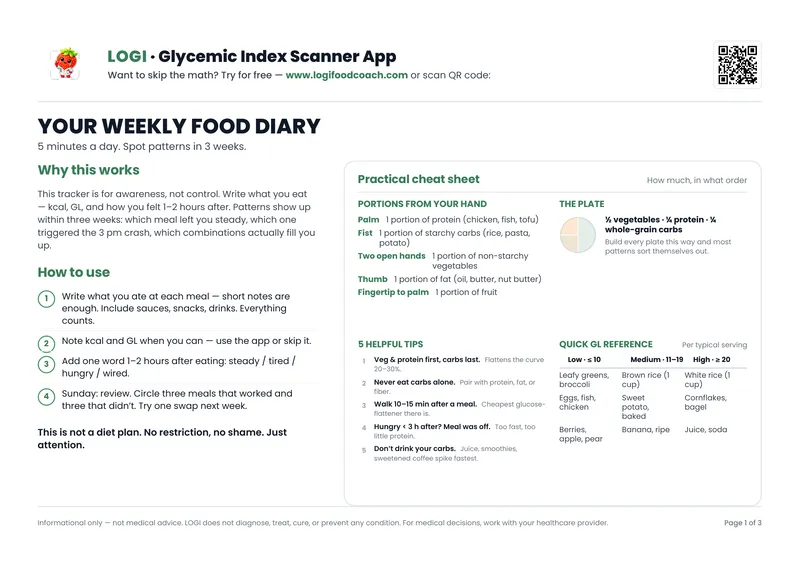
Free PDF — 3 pages
Your Weekly Food Journal
Track meals, glycemic load & mood. Spot patterns in 3 weeks.
No spam. Unsubscribe anytime.