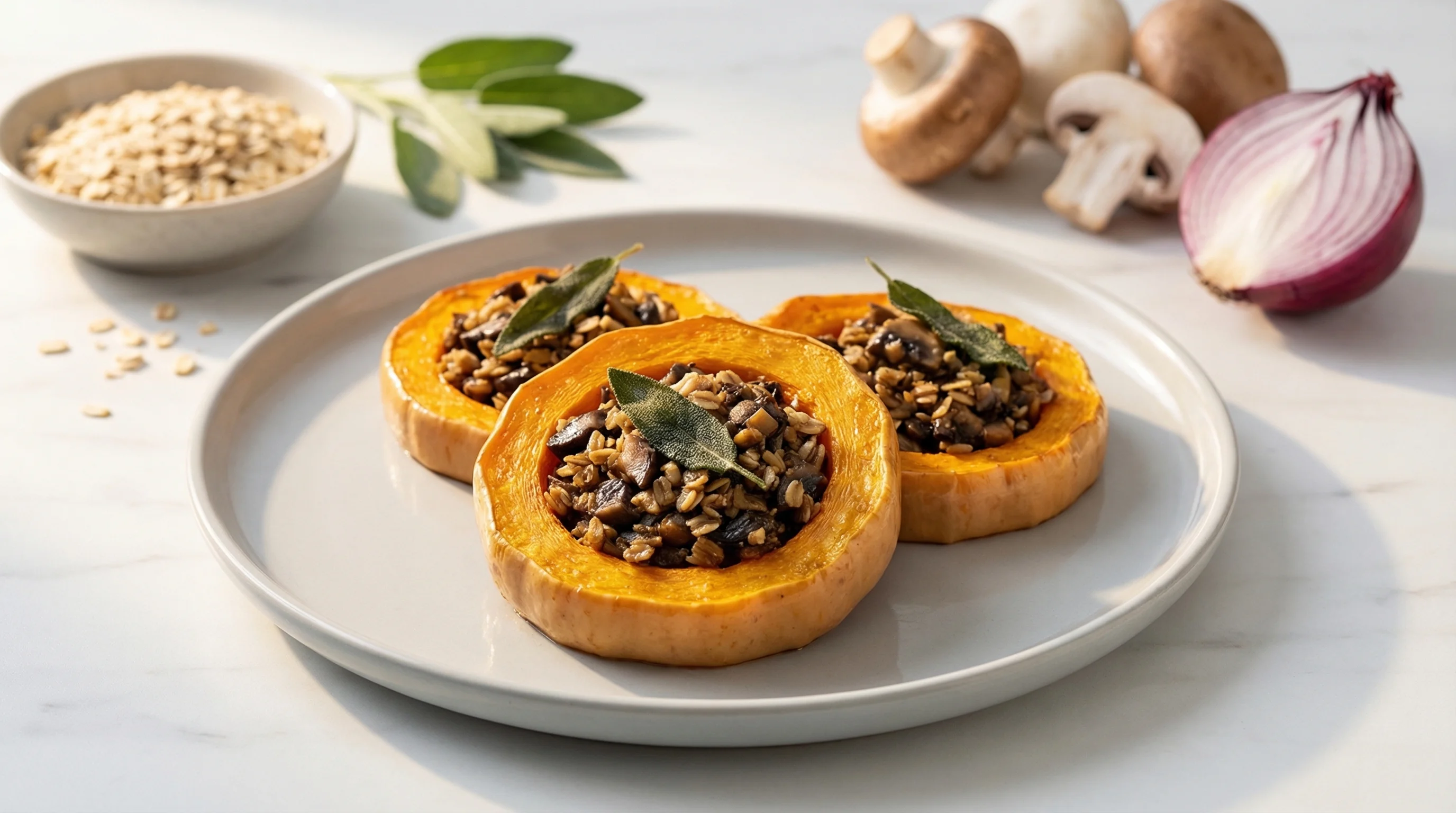
Low-Glycemic Mushroom-Stuffed Butternut Squash Rings
Elegant roasted squash rings filled with savory mushrooms and oats—a blood sugar-friendly showstopper that's naturally low-GI and packed with fiber.
These stunning butternut squash rings make an impressive centerpiece while keeping your blood sugar stable. Butternut squash has a low-to-moderate glycemic index of 51, and when paired with fiber-rich mushrooms and whole grain rolled oats, the overall glycemic load stays beautifully controlled. The mushrooms provide protein and soluble fiber that slow glucose absorption, while the old-fashioned rolled oats add beta-glucan—a special fiber proven to improve insulin sensitivity and reduce post-meal blood sugar spikes.
This recipe exemplifies smart low-GI cooking: the squash's natural sugars are balanced by the savory mushroom filling, and roasting the squash with its skin on adds extra fiber to further moderate blood sugar response. The combination of different mushroom varieties provides umami depth and keeps you satisfied longer, preventing post-meal blood sugar swings. Each serving contains approximately 35 grams of net carbohydrates with a glycemic load of 18, making it suitable for blood sugar management when portioned appropriately.
For optimal glycemic control, serve these rings as suggested with steamed green beans and peppers—eating the vegetables first helps create a fiber barrier in your digestive system that slows carbohydrate absorption. Adding a source of healthy fat like a drizzle of olive oil or a handful of nuts further reduces the glycemic impact. This dish works beautifully for lunch or dinner, and the high fiber content means sustained energy for 3-4 hours without crashes. Each serving provides complex carbohydrates, plant-based protein, and plenty of nutrients including vitamin A, potassium, and B vitamins that support metabolic health and insulin function.
Blood Sugar Impact
This meal should produce a moderate, gradual rise in blood sugar due to its medium glycemic load and low GI. The fiber from butternut squash, mushrooms, and oats will help slow glucose absorption, providing steady energy for 3-4 hours without sharp spikes.
Blood Sugar Tips
- ✓ Eat the mushroom and vegetable portions first before the squash to leverage fiber for slower carbohydrate absorption
- ✓ Pair with a protein source like Greek yogurt, nuts, or lean meat to further stabilize blood sugar response
- ✓ Take a 10-15 minute walk after eating to help muscles utilize glucose and reduce post-meal blood sugar elevation
🥗 Ingredients
- 1 pcs 1 large butternut squash, peeled or unpeeled
- 10 ml low-calorie cooking spray
- 1 pcs 1 large onion, finely chopped
- 800 g 800g mixed mushrooms, finely chopped
- 16 pcs 4 fresh sage leaves, finely chopped, plus 12 whole leaves
- 1 pcs 1 low-salt vegetable stock cube, suitable for vegans
- 25 g 25g porridge oats
- 1 pcs 1 large butternut squash, peeled or unpeeled
- 2 tsp low-calorie cooking spray
- 1 pcs 1 large onion, finely chopped
- 1.8 lb 800g mixed mushrooms, finely chopped
- 16 pcs 4 fresh sage leaves, finely chopped, plus 12 whole leaves
- 1 pcs 1 low-salt vegetable stock cube, suitable for vegans
- 0.9 oz 25g porridge oats
👨🍳 Instructions
- 1
Preheat your oven to 200°C (180°C fan/400°F/gas mark 6). Cut the butternut squash crosswise into twelve thick rounds, each approximately 1.5-2 centimeters thick. Use a spoon to scoop out and discard any seeds and fibrous pulp from the center. For any solid slices without a natural cavity, use a round cookie cutter or small sharp knife to cut out the center, creating ring shapes. Grate the squash circles you removed from the centers and set this grated squash aside for the filling.
- 2
Heat a large non-stick frying pan over low heat and coat lightly with cooking spray. Add the finely chopped onion and cook gently for five minutes until softened and translucent, stirring occasionally to prevent browning.
- 3
Add the chopped mushrooms, finely chopped sage leaves, and reserved grated squash to the pan with the onions. Season with a pinch of sea salt and freshly ground black pepper to taste. Continue cooking over low heat for five minutes, stirring frequently, until the mushrooms release their moisture and begin to soften.
- 4
Crumble the vegetable stock cube directly into the mushroom mixture, stirring thoroughly to ensure it dissolves completely and distributes evenly. Cook for ten minutes, allowing the flavors to meld and excess liquid to evaporate. Stir in the porridge oats until well combined, then transfer the entire mixture to a large bowl and set aside to cool slightly.
- 5
Arrange all twelve squash rings on one or two large non-stick baking trays lined with parchment paper, ensuring they don't overlap. Spoon the mushroom and oat filling into the center of each ring, pressing down gently and smoothing the tops to create an even, neat appearance. Spray the filled rings lightly with cooking spray and roast in the preheated oven for 30-35 minutes, until the squash is tender when pierced with a fork and the edges are lightly golden and caramelized.
- 6
When the stuffed squash rings have about five minutes remaining in the oven, heat a small frying pan over medium heat with a light coating of cooking spray. Add the twelve whole sage leaves and fry for 1-2 minutes until crispy and fragrant, watching carefully to prevent burning. Transfer to a paper towel to drain.
- 7
Remove the squash rings from the oven and divide them among four serving plates, allowing three rings per person. Scatter the crispy fried sage leaves over the top as garnish. For optimal blood sugar control, serve alongside steamed long green beans and sliced peppers, encouraging diners to eat the vegetables first before the squash rings to maximize fiber's glucose-blunting effect. Consider adding a drizzle of extra virgin olive oil or a small portion of nuts to further reduce the glycemic impact through healthy fats.
📊 Nutrition Per Serving
| Per Serving | Whole Dish | |
|---|---|---|
| Calories | 252 | 1009 |
| Carbs | 53g | 212g |
| Sugars | 12g | 49g |
| Added Sugars | 0g | 0g |
| Natural Sugars | 12g | 49g |
| Protein | 11g | 44g |
| Fat | 4g | 16g |
| Saturated Fat | 1g | 3g |
| Unsaturated Fat | 3g | 12g |
| Fiber | 10g | 40g |
| Soluble Fiber | 1g | 5g |
| Insoluble Fiber | 3g | 11g |
| Sodium | 474mg | 1897mg |
Predicted Glucose Response
What if you...
Estimated model — individual responses vary. Not medical advice.
🔄 Lower GI Swaps
While butternut squash has a moderate GI of 51, those seeking even tighter blood sugar control can use portobello mushroom caps as a nearly carb-free alternative with a GI of just 15. Acorn and kabocha squash offer similar nutritional profiles with comparable glycemic impact. Note that mushroom caps will require shorter cooking time (15-20 minutes) and provide a meatier, umami-rich base that pairs beautifully with the mushroom filling.
Steel-cut oats have a lower glycemic index than rolled oats because they are less processed and take longer to digest, resulting in a slower, more gradual rise in blood sugar. Almond meal is the lowest-GI option, adding healthy monounsaturated fats and protein that further reduce the meal's overall glycemic load while providing a nutty flavor and binding properties similar to oats.
Shiitake mushrooms contain compounds called polysaccharides that have been shown in research to improve insulin sensitivity and glucose metabolism. Adding walnuts to the mushroom mixture introduces healthy omega-3 fatty acids and plant-based protein that significantly reduce the glycemic load of the entire dish while adding satisfying texture and nutty flavor.
Miso paste provides beneficial probiotics that support gut health, and emerging research suggests that a healthy gut microbiome plays a crucial role in blood sugar regulation and insulin sensitivity. Nutritional yeast offers a sodium-free way to add savory depth while providing B vitamins that support energy metabolism and glucose utilization.
🔬 The Science Behind This Recipe
This recipe leverages multiple blood sugar management strategies to keep glucose levels stable. Butternut squash has a glycemic index of 51, which falls in the low-to-moderate range, meaning it causes a gradual rather than rapid rise in blood sugar. The key to this recipe's low glycemic impact lies in the combination of ingredients and cooking method.
The mushrooms contribute soluble fiber and protein that significantly slow the digestion and absorption of the squash's carbohydrates. When fiber and protein are consumed with carbohydrates, they form a gel-like substance in the digestive tract that delays gastric emptying and reduces the rate at which glucose enters the bloodstream. The old-fashioned rolled oats add beta-glucan, a specific type of soluble fiber that has been clinically proven to improve insulin sensitivity and reduce post-meal blood sugar spikes by up to 30 percent in some studies.
Roasting the squash rather than boiling it helps preserve more of the vegetable's fiber structure and reduces the breakdown of complex carbohydrates into simple sugars. The Maillard reaction that occurs during roasting also creates compounds that may improve insulin function. Keeping the skin on the squash adds additional insoluble fiber, which further moderates glucose absorption.
The recipe's glycemic load of approximately 18 per serving is considered moderate, but when combined with the recommended vegetable sides and healthy fats, the overall meal glycemic load drops significantly. Eating vegetables first creates a fiber barrier in the stomach that physically slows carbohydrate absorption—a technique supported by research showing that food order can reduce post-meal glucose spikes by 20-35 percent. The addition of healthy fats from olive oil or nuts triggers the release of hormones that slow digestion and improve insulin response, making this a complete blood sugar-friendly meal that provides sustained energy for 3-4 hours without causing the crashes associated with high-GI foods.
Related recipes
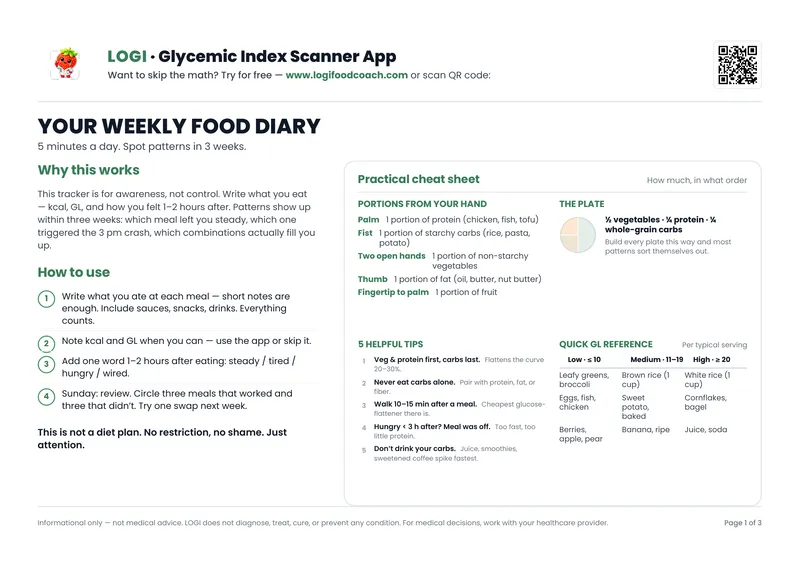
Free PDF — 3 pages
Your Weekly Food Journal
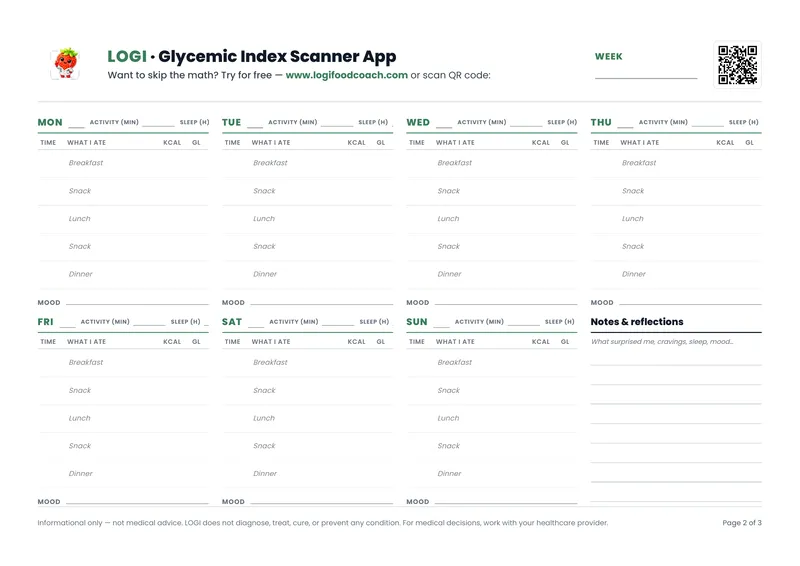
Track meals, glycemic load & mood. Spot patterns in 3 weeks.
No spam. Unsubscribe anytime.