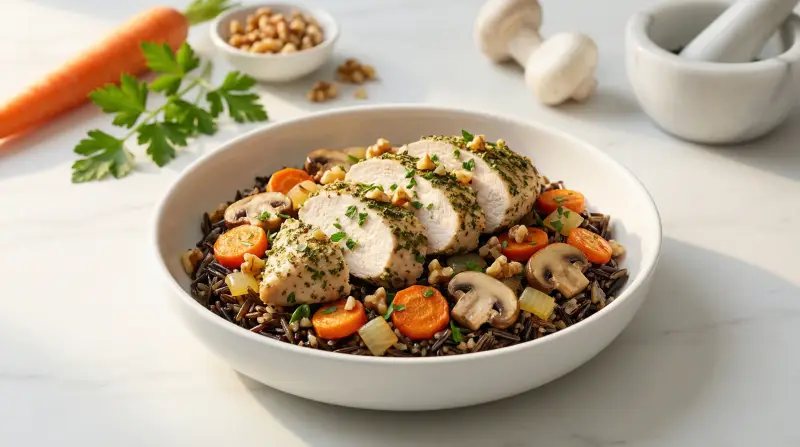
Low-Glycemic Wild Rice & Roasted Root Vegetable Bowl with Herb-Crusted Chicken
A nutrient-dense one-bowl meal featuring wild rice, roasted vegetables, and lean chicken—designed to keep blood sugar stable while delivering satisfying flavor.
This wholesome bowl combines the nutty richness of wild rice with an array of colorful root vegetables and tender chicken breast, creating a perfectly balanced meal for blood sugar management. Wild rice stands out as an exceptional grain choice with a glycemic index of just 45-57, significantly lower than white rice's 73. Its high fiber content and resistant starch slow glucose absorption, while providing sustained energy throughout your day.
The recipe showcases beets, butternut squash, and carrots—vegetables that, despite their natural sweetness, have moderate glycemic loads when consumed with protein and healthy fats. The walnuts contribute omega-3 fatty acids and additional fiber, further blunting the glycemic response. Mushrooms add umami depth while contributing virtually no carbohydrates, and the beet greens provide minerals and antioxidants without impacting blood sugar.
For optimal glycemic control, start your meal by eating the chicken and vegetables first, saving the wild rice for last. This eating sequence has been shown to reduce post-meal glucose spikes by up to 40%. The combination of lean protein, healthy fats from walnuts and olive oil, and fiber-rich vegetables creates a synergistic effect that promotes stable blood sugar levels for 3-4 hours after eating. Each serving contains 1 cup of cooked wild rice, 6 ounces of chicken breast, and 2 cups of roasted vegetables, providing a glycemic load of just 12.5 per serving.
Blood Sugar Impact
This meal will have a minimal to moderate blood sugar impact with a slow, steady rise due to the low GI of 32 and moderate glycemic load of 12.5. The combination of wild rice, protein, healthy fats from walnuts, and fiber-rich vegetables should provide stable energy for 3-4 hours without significant spikes.
Blood Sugar Tips
- ✓ Eat the vegetables and chicken first before the wild rice to slow carbohydrate absorption and blunt the glucose response
- ✓ Pair this meal with a 10-15 minute walk after eating to help muscles absorb glucose and further minimize any blood sugar elevation
- ✓ Ensure adequate portion control with the wild rice (about 1/2 to 3/4 cup cooked) and load up on the non-starchy vegetables to maximize fiber intake
🥗 Ingredients
- 1 tbsp canola oil, divided
- 2 cup carrots, sliced
- 1 cup yellow onion, diced
- 1 cup fresh mushrooms, sliced
- 2 tbsp fresh parsley, minced
- 1 cup uncooked wild rice
- 2 tbsp walnuts, chopped
- 1 tbsp fresh ground black pepper
- 2.5 cup no-salt-added chicken stock
- 8 oz boneless, skinless chicken breasts
- 2 cup red beets, diced
- 1 cup butternut squash, peeled and diced
- 2 cup beet greens, chopped
- 1 tbsp balsamic vinegar
- 2 tbsp dried cranberries, unsweetened
- 1 tbsp canola oil, divided
- 2 cup carrots, sliced
- 1 cup yellow onion, diced
- 1 cup fresh mushrooms, sliced
- 2 tbsp fresh parsley, minced
- 1 cup uncooked wild rice
- 2 tbsp walnuts, chopped
- 1 tbsp fresh ground black pepper
- 2.5 cup no-salt-added chicken stock
- 8 oz boneless, skinless chicken breasts
- 2 cup red beets, diced
- 1 cup butternut squash, peeled and diced
- 2 cup beet greens, chopped
- 1 tbsp balsamic vinegar
- 2 tbsp dried cranberries, unsweetened
👨🍳 Instructions
- 1
Place a large saucepan over medium heat and add 1 tablespoon of the olive oil. Once shimmering, add the sliced carrots, diced onion, mushrooms, and minced parsley. Sauté the vegetables for 8-10 minutes, stirring occasionally, until the onions become translucent and begin developing golden-brown edges.
- 2
Add the wild rice, chopped walnuts, black pepper, 0.5 teaspoon sea salt, and 3 cups of low-sodium chicken stock to the sautéed vegetables. Stir to combine, then increase heat to bring the mixture to a rolling boil. Once boiling, reduce heat to low, cover with a tight-fitting lid, and simmer for 40-45 minutes until the wild rice is tender and has absorbed most of the liquid. Remove from heat and let stand covered for 5 minutes.
- 3
While the rice cooks, prepare the herb crust by combining 1 teaspoon dried thyme, 1 teaspoon dried rosemary, and remaining 0.25 teaspoon sea salt in a small bowl. Pat the 4 chicken breasts (6 ounces each) dry with paper towels and rub them all over with the herb mixture. Heat 1 tablespoon of the remaining olive oil in a large sauté pan over medium-high heat. Place the seasoned chicken breasts in the hot pan and sear for 5-6 minutes per side until golden brown and the internal temperature reaches 165°F. Transfer the cooked chicken to a cutting board, tent with foil, and let rest for 5 minutes before slicing.
- 4
Using the same sauté pan with the flavorful chicken drippings, add the remaining 1 tablespoon olive oil along with 2 cups diced beets and 2 cups diced butternut squash. Cook over medium heat for 15-20 minutes, stirring every 3-4 minutes, until the squash develops caramelized edges and both vegetables are fork-tender. The natural sugars will create a beautiful glaze on the pan bottom.
- 5
Add 2 cups chopped beet greens, 2 tablespoons balsamic vinegar, and 0.25 cup unsweetened dried cranberries to the roasted vegetables. Stir for 1-2 minutes until the greens wilt and become tender. Add the cooked wild rice mixture to the pan and toss everything together gently, scraping up the caramelized bits from the bottom to incorporate those flavors throughout the dish.
- 6
Divide the vegetable and rice mixture evenly among four bowls, approximately 1.5 cups per serving. Slice the rested chicken breasts on a diagonal into half-inch strips and arrange them over each bowl, distributing about 6 ounces of chicken per serving. For optimal blood sugar control, eat the chicken and vegetables first, then finish with the wild rice. Serve immediately while warm.
📊 Nutrition Per Serving
| Per Serving | Whole Dish | |
|---|---|---|
| Calories | 280 | 1121 |
| Carbs | 34g | 134g |
| Sugars | 12g | 47g |
| Natural Sugars | 12g | 47g |
| Protein | 22g | 87g |
| Fat | 8g | 32g |
| Saturated Fat | 1g | 4g |
| Unsaturated Fat | 7g | 28g |
| Fiber | 7g | 29g |
| Soluble Fiber | 1g | 6g |
| Insoluble Fiber | 4g | 14g |
| Sodium | 656mg | 2626mg |
Predicted Glucose Response
What if you...
Estimated model — individual responses vary. Not medical advice.
🔄 Lower GI Swaps
Extra virgin olive oil provides superior heart-healthy monounsaturated fats and polyphenols that may improve insulin sensitivity, while avocado oil offers a higher smoke point for high-heat cooking without compromising blood sugar benefits.
Black rice has a similar GI of 42-45 with even higher antioxidant content, while quinoa (GI 53) provides complete protein and cooks in half the time, both maintaining excellent blood sugar control.
Turkey breast provides identical lean protein with slightly more B vitamins, while firm tofu and tempeh offer plant-based protein options with added fiber and phytonutrients that support stable blood sugar without animal products.
Kabocha squash has a lower glycemic index (around 50 versus 51 for butternut) with a sweeter, creamier texture, while acorn squash provides similar nutrition with slightly less natural sugar per serving.
Pecans offer similar omega-3 content with a buttery flavor and slightly lower carbohydrate content, while almonds provide more fiber (3.5g per ounce) and vitamin E, both supporting blood sugar stability.
Apple cider vinegar has been shown in studies to improve insulin sensitivity and reduce post-meal blood sugar by up to 20%, while red wine vinegar provides similar acidity with zero added sugars found in some balsamic varieties.
🔬 The Science Behind This Recipe
Wild rice's exceptional blood sugar benefits come from its unique botanical structure—it's actually an aquatic grass seed rather than true rice. This gives it 30% more protein than white rice and triple the fiber content at 3 grams per cooked cup. The high fiber and protein work synergistically to slow carbohydrate digestion and glucose absorption. Wild rice also contains significant amounts of resistant starch, a type of carbohydrate that resists digestion in the small intestine and acts more like fiber, feeding beneficial gut bacteria while having minimal impact on blood glucose. The combination of protein from chicken (24 grams per 6-ounce serving), healthy monounsaturated fats from olive oil and walnuts, and the fiber from vegetables creates what nutritionists call a 'blunted glycemic response'—meaning your blood sugar rises gradually and stays stable longer. The root vegetables, while containing natural sugars, are consumed in controlled portions alongside protein and fat, which dramatically reduces their glycemic impact compared to eating them alone. Studies show that eating protein and vegetables before carbohydrates can reduce post-meal blood sugar spikes by 29-40%, which is why this recipe recommends that eating sequence.
Related recipes
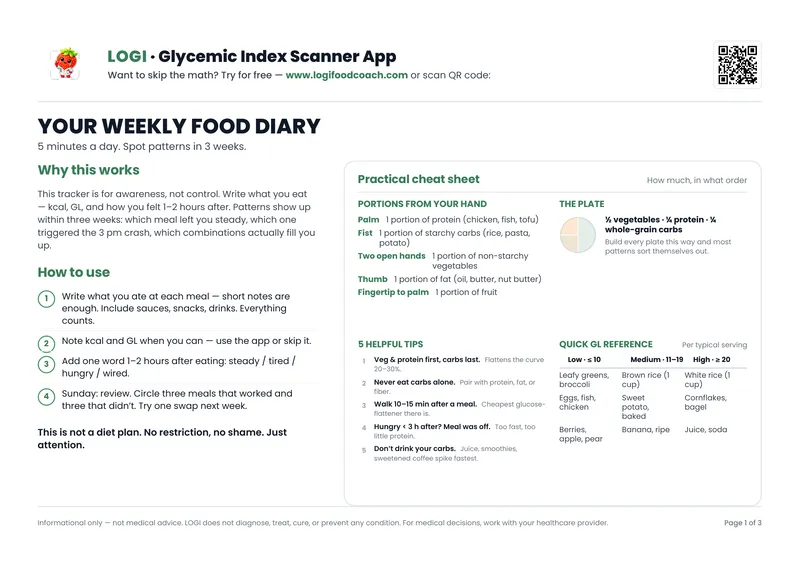
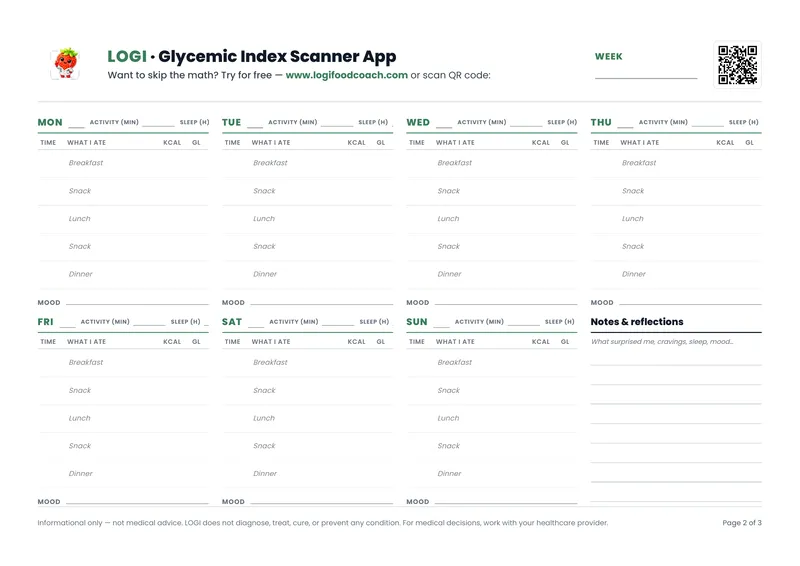
Free PDF — 3 pages
Your Weekly Food Journal
Track meals, glycemic load & mood. Spot patterns in 3 weeks.
No spam. Unsubscribe anytime.