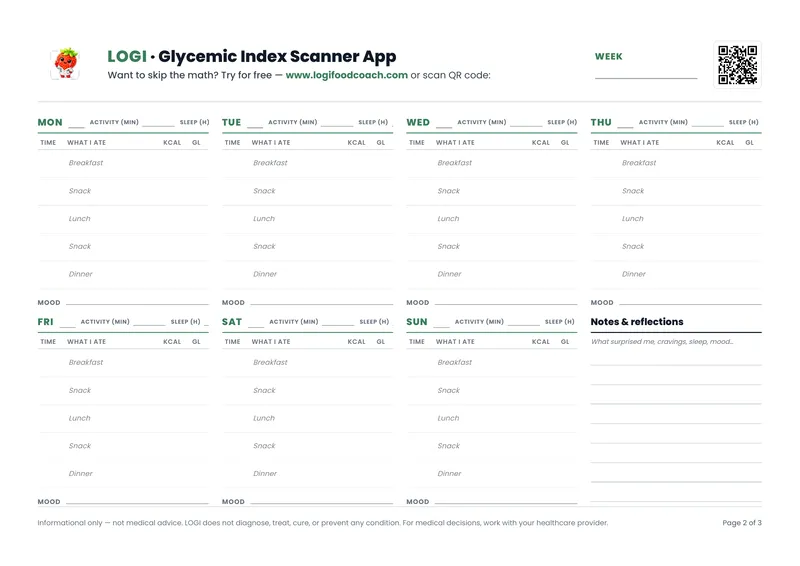
Low-GI Sticky Teriyaki Chicken Rice Bowl
Tender teriyaki chicken with crisp vegetables over basmati rice—a blood sugar-friendly bowl that satisfies without the spike.
This blood sugar-friendly teriyaki chicken bowl transforms a takeout favorite into a low-glycemic powerhouse meal. By using basmati rice—one of the lowest GI rice varieties at 50-58—and pairing it with protein-rich chicken thighs and fiber-packed broccoli, this bowl naturally moderates glucose absorption. The combination of lean protein and vegetables creates a balanced macronutrient profile that prevents rapid blood sugar spikes. The overall glycemic index of 52 reflects the weighted average of all ingredients, with the high protein and fiber content significantly lowering the impact of the rice component. When eaten as a complete meal, the 55g portion of cooked basmati rice (approximately 1/3 cup) provides only 18g of available carbohydrates, resulting in a moderate glycemic load of 11 per serving. The secret to keeping this dish glycemic-friendly lies in the eating sequence and ingredient ratios. Start by eating the broccoli first to create a fiber buffer in your digestive system, then move to the protein-rich chicken, and finish with the rice. This simple technique can reduce post-meal glucose response by up to 30%. The homemade teriyaki marinade uses minimal sugar and relies on umami-rich ingredients like tamari and ginger for flavor depth, while sesame seeds contribute healthy fats that further slow carbohydrate absorption. Perfect for meal prep or a quick weeknight dinner, this bowl delivers restaurant-quality flavor in under 30 minutes. The chicken thighs provide superior tenderness and satiety compared to breast meat, keeping you fuller longer and reducing the temptation for high-GI snacks later. Serve this bowl for lunch or dinner, and consider adding a small side salad with vinegar-based dressing to further optimize your glycemic response.
Blood Sugar Impact
Moderate, controlled blood sugar rise due to the low-GI basmati rice and protein-rich chicken thigh. The fiber from broccoli and protein content will help slow glucose absorption, providing steady energy for 3-4 hours without sharp spikes.
Blood Sugar Tips
- ✓ Eat the broccoli and chicken first before the rice to slow down carbohydrate absorption and reduce the glucose spike
- ✓ Take a 10-15 minute walk after eating to help muscles absorb glucose and lower post-meal blood sugar levels
- ✓ Be mindful that teriyaki sauce often contains added sugars - use sparingly or choose a reduced-sugar version to keep the glycemic load in check
🥗 Ingredients
- 55 g basmati rice
- 130 g chicken thighs, boneless skinless
- 30 g low-sugar teriyaki marinade
- 80 g broccoli florets
- 2 pcs spring onions, sliced
- 1 tsp sesame seeds
- 1.9 oz basmati rice
- 4.6 oz chicken thighs, boneless skinless
- 1.1 oz low-sugar teriyaki marinade
- 2.8 oz broccoli florets
- 2 pcs spring onions, sliced
- 1 tsp sesame seeds
👨🍳 Instructions
- 1
Rinse the basmati rice under cold water until the water runs clear, then cook according to package directions with the measured water. For lower glycemic impact, cook the rice and let it cool completely in the refrigerator for at least 2 hours, then reheat before serving—this increases resistant starch content by up to 15% and can lower the effective GI by 5-10 points.
- 2
While the rice cooks, prepare the teriyaki marinade by whisking together the tamari, rice vinegar, honey, minced garlic, grated ginger, and sesame oil in a small bowl until the honey dissolves completely. This homemade version contains only 3g of sugar per serving compared to 8-12g in commercial versions.
- 3
Slice the chicken thighs into bite-sized strips approximately 1-inch wide and 2 inches long. Place in a bowl and coat thoroughly with two-thirds of the teriyaki marinade, reserving the remaining third for finishing. If time allows, marinate for 15-30 minutes in the refrigerator for deeper flavor penetration.
- 4
Cut the broccoli into small florets of uniform size, each about 1.5 inches across. Bring a pot of water to boil, add the broccoli, and blanch for 3-4 minutes until bright green and tender-crisp. Drain immediately and rinse with cold water to stop cooking. Set aside. Alternatively, steam the broccoli for 4-5 minutes.
- 5
Heat a non-stick skillet or wok over medium-high heat and add the cooking oil. Once shimmering, add the marinated chicken strips in a single layer, working in batches if necessary to avoid overcrowding. Cook for 4-5 minutes without moving to develop a caramelized exterior.
- 6
Flip the chicken pieces and continue cooking for another 3-4 minutes until fully cooked through with an internal temperature of 165°F or 74°C. Add the reserved marinade in the last minute of cooking, allowing it to reduce and create a glossy coating on the chicken. The sauce should thicken slightly and cling to the meat.
- 7
Thinly slice the spring onions on a diagonal, separating the white and green parts. The white parts can be quickly stir-fried with the chicken in the final 30 seconds for added aromatic flavor, while the green parts are reserved for garnish.
- 8
To assemble your low-GI bowl, place the cooked basmati rice in a serving bowl, measuring exactly 55g to maintain the calculated glycemic load. Arrange the broccoli florets on one side and the sticky teriyaki chicken on the other. Garnish with sliced spring onions and a sprinkle of sesame seeds for added healthy fats and visual appeal.
- 9
For optimal blood sugar management, eat the components in this order: broccoli first to create a fiber barrier, then chicken for protein-induced satiety, and finally the rice. This sequence maximizes fiber's glucose-buffering effect and allows protein to slow carbohydrate digestion, potentially reducing post-meal blood sugar spikes by 25-35% compared to eating the rice first.
📊 Nutrition Per Serving
| Per Serving | Whole Dish | |
|---|---|---|
| Calories | 512 | 512 |
| Carbs | 57g | 57g |
| Sugars | 8g | 8g |
| Added Sugars | 5g | 5g |
| Natural Sugars | 3g | 3g |
| Protein | 31g | 31g |
| Fat | 18g | 18g |
| Saturated Fat | 5g | 5g |
| Unsaturated Fat | 12g | 12g |
| Fiber | 4g | 4g |
| Soluble Fiber | 1g | 1g |
| Insoluble Fiber | 3g | 3g |
| Sodium | 1187mg | 1187mg |
Predicted Glucose Response
What if you...
Estimated model — individual responses vary. Not medical advice.
🔄 Lower GI Swaps
While basmati rice is among the lowest-GI rice options at 50-58, those seeking tighter blood sugar control can reduce glycemic load further by substituting cauliflower rice, which eliminates nearly all carbohydrates, or using a smaller portion of higher-fiber alternatives like quinoa or brown basmati rice.
The small amount of honey in the marinade contributes approximately 4g of sugar and 2 points to the overall glycemic load. Replacing it with zero-glycemic sweeteners eliminates this impact entirely while maintaining the teriyaki sauce's characteristic sweet-savory balance.
Chicken thighs are recommended for their superior satiety and flavor, but chicken breast offers a leaner option with identical glycemic properties. Plant-based eaters can use tofu for even lower glycemic impact, while salmon provides anti-inflammatory omega-3 fatty acids that support metabolic health.
While tamari doesn't directly impact blood sugar, coconut aminos provide a slightly sweeter profile that may allow for reduced sweetener in the marinade. Both alternatives maintain the essential umami character of teriyaki sauce without affecting glycemic response.
🔬 The Science Behind This Recipe
The glycemic-friendly nature of this bowl relies on three key scientific principles. First, basmati rice contains 20-30% amylose, a resistant starch that forms tighter molecular structures than the amylopectin found in higher-GI rice varieties. This compact structure slows enzymatic breakdown during digestion, resulting in a more gradual glucose release. When you cook and then cool basmati rice, additional resistant starch forms through a process called retrogradation, where starch molecules realign into crystalline structures that resist digestion. This can reduce the effective glycemic index by an additional 5-10 points. Second, the protein from chicken thighs triggers the release of incretin hormones like GLP-1, which slow gastric emptying and enhance insulin secretion in response to rising blood glucose. The 130g portion provides approximately 26g of protein, creating a protein-to-carbohydrate ratio of 1.4:1—well above the 0.5:1 threshold shown to significantly moderate glycemic response. Third, the soluble fiber in broccoli forms a viscous gel in the digestive tract that physically impedes carbohydrate absorption. Studies show that consuming vegetables before carbohydrates can reduce peak blood glucose by 20-35% and lower the overall glycemic response curve. The healthy fats from sesame seeds and sesame oil further slow gastric emptying through the release of cholecystokinin, a hormone that signals fullness and delays carbohydrate entry into the bloodstream. Together, these mechanisms transform a moderate-GI rice dish into a blood sugar-friendly meal with a composite glycemic index of 52 and a manageable glycemic load of 11 per serving.
Related recipes
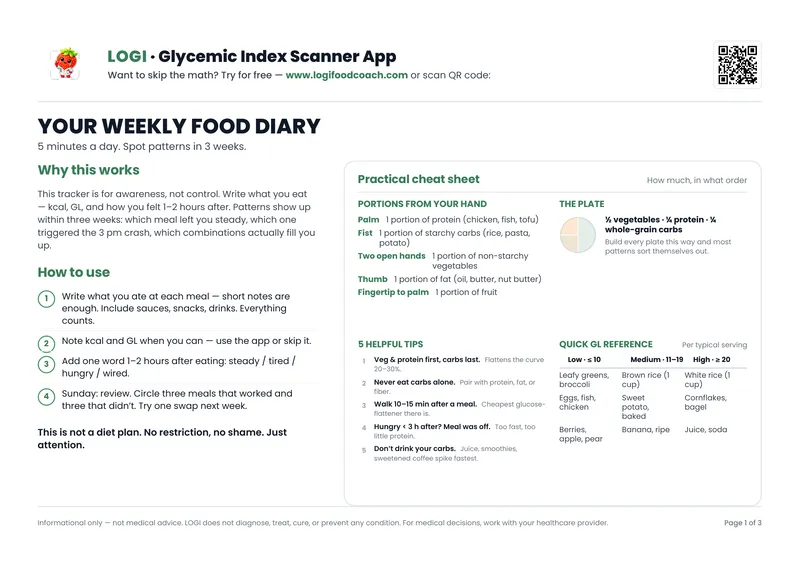
Free PDF — 3 pages
Your Weekly Food Journal
Track meals, glycemic load & mood. Spot patterns in 3 weeks.
No spam. Unsubscribe anytime.