Black Bean & Roasted Vegetable Bowl
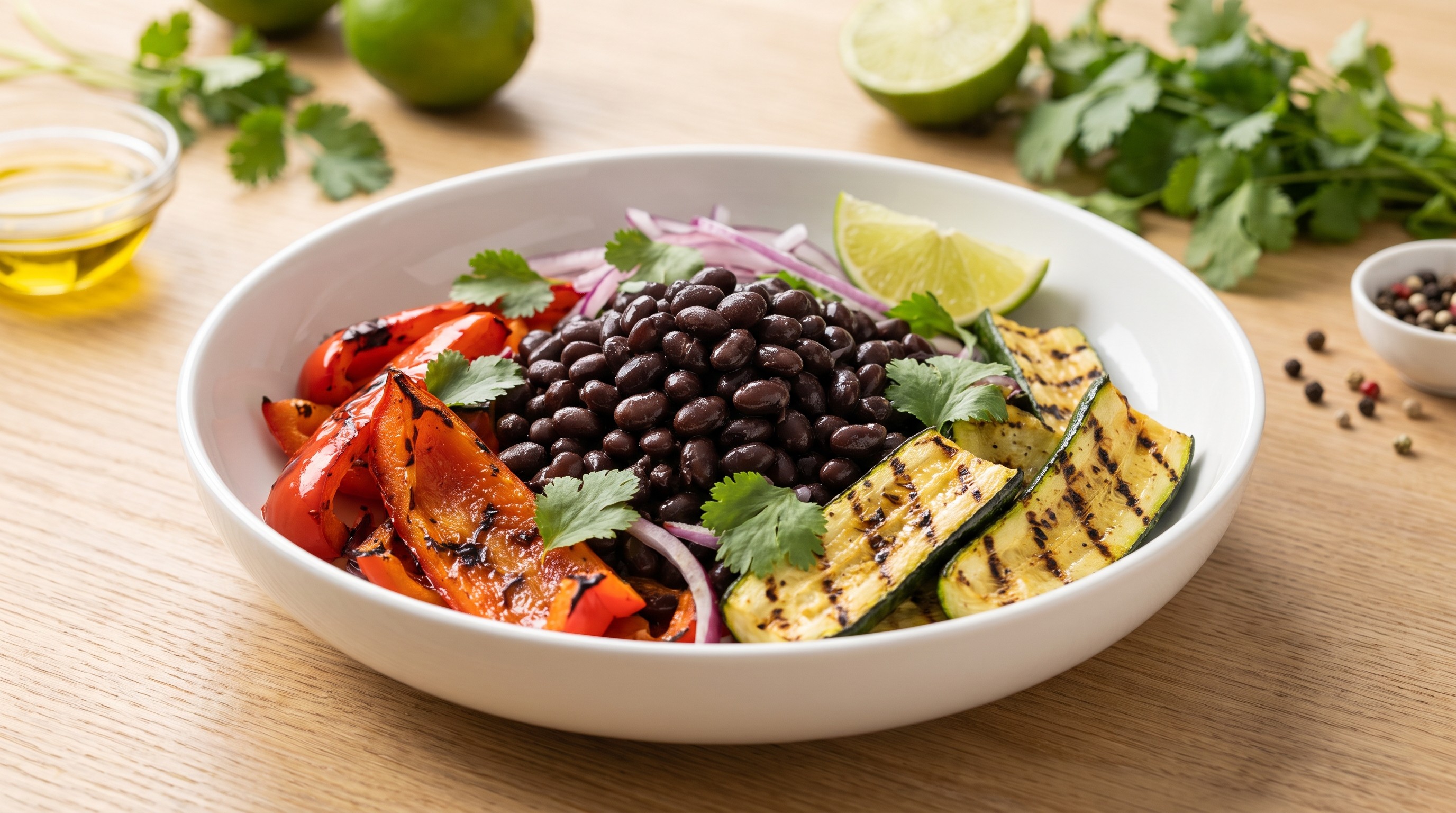
Smoky roasted peppers and zucchini crown cumin-spiced black beans in this fibre-rich bowl — low-GI ingredients keep your blood sugar steady for hours.
This vibrant Mexican-inspired bowl is a masterclass in blood-sugar-friendly eating. Black beans are one of the lowest-GI legumes available (GI ~30), delivering a powerful combination of plant protein and soluble fibre that slows glucose absorption and keeps you satisfied long after the meal is over. Paired with roasted vegetables rich in antioxidants and virtually zero glycemic impact, every bite works in your favour.
The method is beautifully simple: wedges of red bell pepper, thick rounds of zucchini, and slivers of red onion roast at high heat until their edges char, concentrating natural sweetness without any added sugar. Meanwhile, canned black beans warm on the stovetop with ground cumin, filling the kitchen with a smoky, earthy fragrance. A generous squeeze of fresh lime and a scattering of cilantro tie the whole bowl together with brightness and colour.
For the flattest possible glucose curve, eat the roasted vegetables first — their fibre creates a protective barrier in the gut that blunts the absorption of carbohydrates from the beans that follow. If you want to extend the meal, add a quarter of a sliced avocado or a tablespoon of pumpkin seeds for extra healthy fat and protein. This bowl is naturally vegan, gluten-free, and ready in under thirty minutes, making it an ideal weeknight dinner for anyone managing their blood sugar.
Blood Sugar Impact
Very low blood sugar impact expected. The combination of high-fiber black/kidney beans, non-starchy roasted vegetables, and healthy fats from olive oil will produce a gentle, sustained glucose curve with stable energy for 3-4 hours.
Blood Sugar Tips
- ✓ Eat the roasted vegetables first before the beans to further blunt any glucose response with fiber and volume.
- ✓ Squeeze the lime generously over the bowl — the acidity helps slow gastric emptying and can reduce the glycemic response by up to 20-30%.
- ✓ Add a small portion of avocado or seeds (pumpkin, sunflower) for extra healthy fats and protein to extend satiety and flatten the glucose curve even further.
🥗 Ingredients
- 1 pcs Red bell pepper
- 1 pcs Zucchini
- 1 pcs Red onion
- 1 tbsp Olive oil
- 240 g Black bean
- 1 tsp Ground cumin
- 1 pcs Lime
- 5 g Cilantro
- 1 pcs Red bell pepper
- 1 pcs Zucchini
- 1 pcs Red onion
- 1 tbsp Olive oil
- 8.5 oz Black bean
- 1 tsp Ground cumin
- 1 pcs Lime
- 0.2 oz Cilantro
👨🍳 Instructions
- 1
Preheat the oven to 220 °C (425 °F) and line a large baking sheet with parchment paper.
- 2
Slice the red bell pepper into thick wedges, cut the zucchini in half lengthways and then crosswise into 1 cm thick half-moons, and peel the red onion and cut it into thin half-moon slivers.
- 3
Spread the prepared vegetables across the lined baking sheet, drizzle with the olive oil, season with a pinch of salt, and toss everything together until evenly coated. Arrange in a single layer with space between pieces so the edges can char properly.
- 4
Place the sheet on the centre rack and roast for 8 to 9 minutes. Remove, flip each piece with tongs, and return to the oven for another 8 to 9 minutes until the vegetables are tender and the edges are lightly charred.
- 5
While the vegetables roast, drain and rinse the black beans under cold running water. Transfer them to a small saucepan, add the ground cumin and two tablespoons of water, and set over medium heat.
- 6
Stir the beans occasionally and warm them through for about 4 minutes until the liquid has mostly been absorbed and the cumin is fragrant. Remove from the heat and season with a small pinch of salt if desired.
- 7
Divide the cumin-spiced black beans between two serving bowls, mounding them in the centre. Arrange the roasted vegetables generously over the top.
- 8
Cut the lime in half and squeeze one half over each bowl. Tear the fresh cilantro leaves over the top, and serve immediately while the vegetables are still warm.
📊 Nutrition Per Serving
| Per Serving | Whole Dish | |
|---|---|---|
| Calories | 224 | 448 |
| Carbs | 32g | 64g |
| Sugars | 8g | 17g |
| Natural Sugars | 8g | 17g |
| Protein | 9g | 18g |
| Fat | 8g | 17g |
| Saturated Fat | 1g | 2g |
| Unsaturated Fat | 7g | 13g |
| Fiber | 11g | 21g |
| Soluble Fiber | 3g | 6g |
| Insoluble Fiber | 8g | 15g |
| Sodium | 301mg | 602mg |
Predicted Glucose Response
What if you...
Estimated model — individual responses vary. Not medical advice.
🔄 Lower GI Swaps
Home-cooked dried black beans have a slightly lower GI than canned versions because the canning process softens the starch structure, making it more rapidly digestible. Cooking dried beans from scratch preserves more resistant starch, resulting in an even gentler blood sugar response.
Extra virgin olive oil retains more polyphenols that may improve insulin sensitivity. Avocado oil is another excellent option with a high smoke point suited to roasting, and its monounsaturated fats similarly help slow glucose absorption.
🔬 The Science Behind This Recipe
Black beans have a GI of approximately 30, making them one of the lowest-glycemic legumes. Their high soluble fibre content forms a gel-like matrix during digestion that physically slows the rate at which glucose enters the bloodstream, producing a gradual and sustained energy release rather than a sharp spike. The resistant starch in black beans further supports this effect — a portion of the starch passes through the small intestine undigested, reducing the total glycemic load of the meal. Pairing the beans with non-starchy roasted vegetables and olive oil amplifies the blood-sugar benefit: the vegetable fibre adds bulk that delays gastric emptying, while the monounsaturated fat in olive oil slows carbohydrate absorption. Together, these mechanisms keep the estimated glycemic load of this bowl at just 7 per serving, well within the low range.
Related recipes
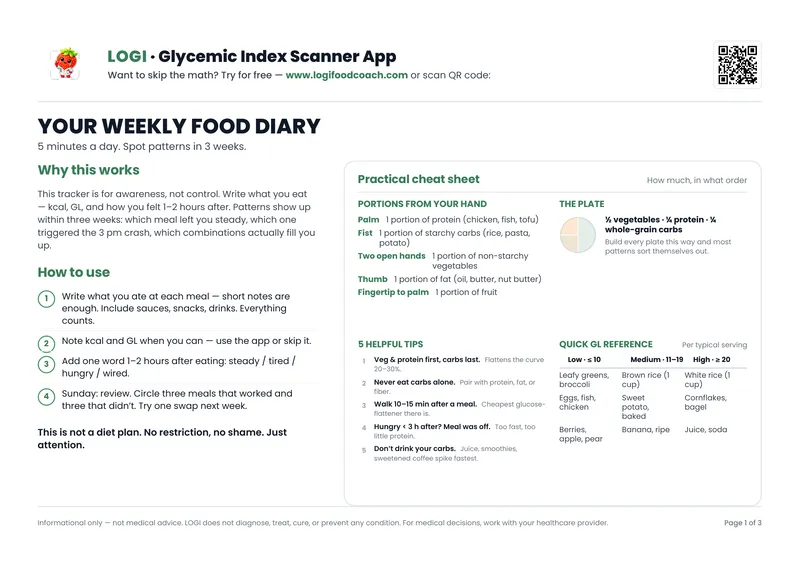
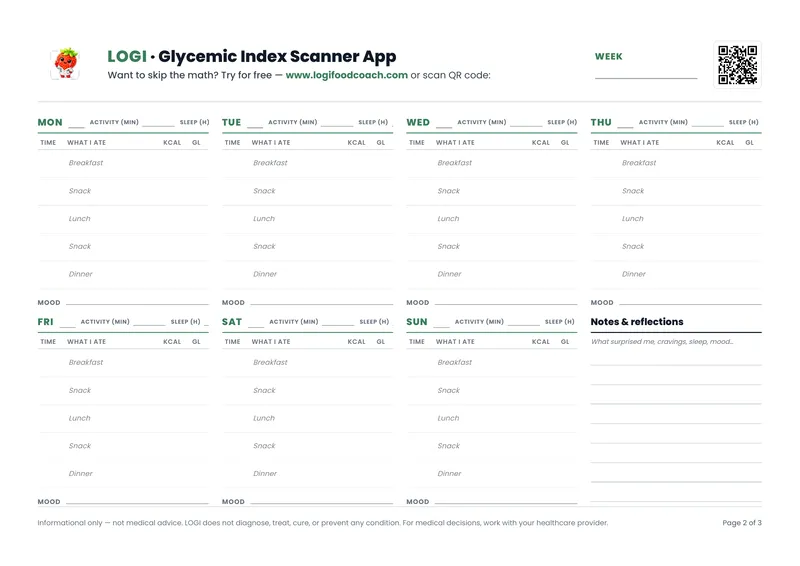
Free PDF — 3 pages
Your Weekly Food Journal
Track meals, glycemic load & mood. Spot patterns in 3 weeks.
No spam. Unsubscribe anytime.