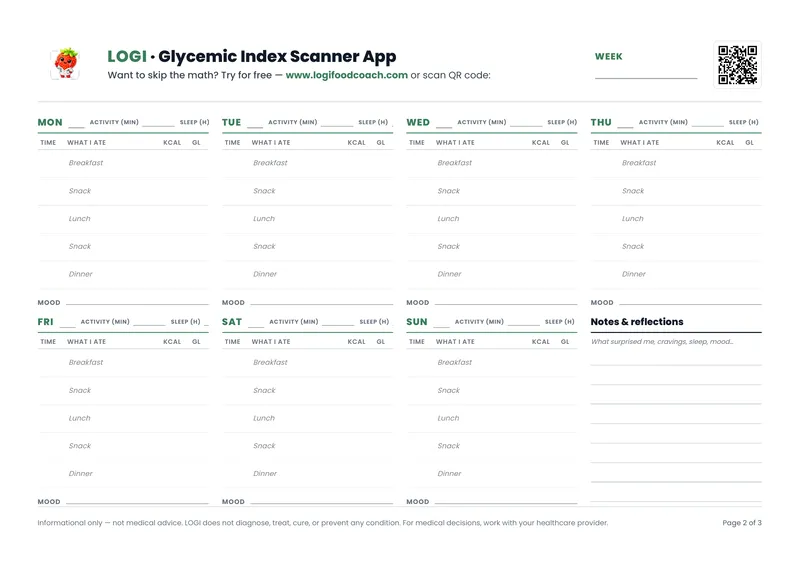
Basmati Rice Glycemic Index: Why One Variety of Rice Behaves Differently From the Rest
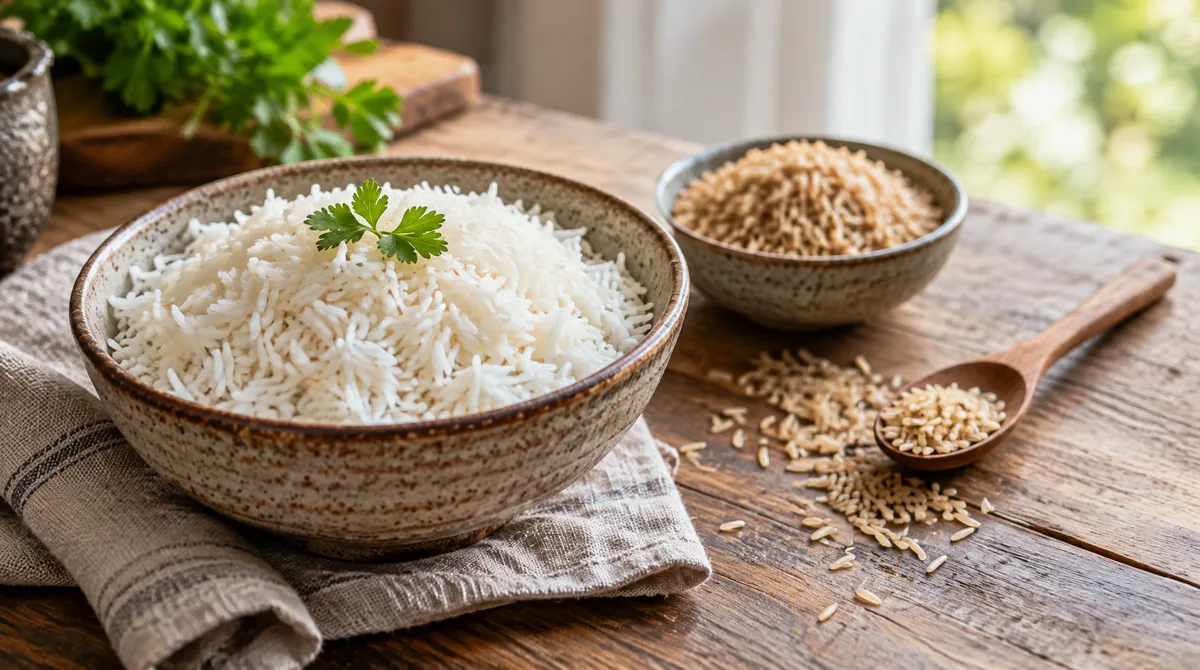
Most advice about rice and blood sugar stops at the colour of the grain: white bad, brown better. It is a tidy rule, and it is wrong often enough to be worth replacing.
Basmati is the clearest counterexample. It is a white rice, it is polished like other white rice, and it still tends to land meaningfully below other white varieties on published glycemic index tables — sometimes below brown rices of other varieties. The reason has nothing to do with the bran and everything to do with which starch the plant happens to make.
The number, honestly stated
Published glycemic index values for white basmati rice mostly fall in the low-to-high 50s, with individual studies reporting values from the high 40s up into the high 60s. That is a wide spread, and it is genuine rather than sloppy measurement — more on why below.
Brown basmati typically measures a little lower again, usually in the high 40s to mid 50s. The gap between brown and white basmati is real but modest; it is smaller than most people expect, and considerably smaller than the gap between basmati and a low-amylose white rice.
For context, other common rices are usually reported higher: ordinary short and medium-grain white rices commonly land in the high 60s to 80s, and jasmine rice is one of the highest-scoring rices measured, frequently reported in the high 60s to 80s as well.
Two cautions belong with those numbers rather than in a footnote. First, rice is one of the most variable foods on any glycemic index table, so treat every figure here as a band rather than a value. Second, the glycemic load of a portion depends mostly on how much rice is on the plate — and rice portions vary by more than the index does.
Amylose: the actual mechanism
Rice starch comes in two forms, and the ratio between them is the single best predictor of how a rice behaves.
- Amylose is a long, straight molecule. Straight chains pack together tightly, resist swelling during cooking, and present less surface for digestive enzymes to work on. High-amylose rice cooks up dry and separate.
- Amylopectin is heavily branched. Branches trap water, gelatinise readily, and offer enzymes far more to grip. High-amylopectin rice cooks up soft and sticky.
Basmati is a high-amylose rice. Jasmine, most short-grain and sticky rices, and the risotto varieties are comparatively low in amylose. That is the whole story in one line: the rices that stay separate on the plate generally digest more slowly than the rices that clump.
This is also why the white-versus-brown framing underperforms. Bran adds fibre, slows things somewhat, and brings nutrients worth having — but it is a coating on the outside of the grain. Amylose content is a property of the starch itself, and it turns out to matter more. A high-amylose white rice can behave better than a low-amylose brown one.
It is worth knowing that “basmati” on a package is not a strictly controlled description everywhere, and amylose content varies between basmati cultivars and growing seasons. That variability is a large part of why the published range is as wide as it is.
Brown basmati: a smaller upgrade than you would guess
The question people search for most after the plain index is whether brown basmati is worth the switch. The honest answer is a qualified yes, with realistic expectations.
Brown basmati keeps the bran layer, which adds fibre, some minerals, and a physical barrier that slows water and enzyme access to the starch. It usually measures a few points below white basmati. It also takes considerably longer to cook, which matters for a practical reason covered in the next section: longer cooking of a high-amylose grain does not soften it the way it softens a sticky rice.
What brown basmati does not do is transform the food. If you are switching from a low-amylose white rice, most of the benefit you are about to get comes from moving to basmati at all — the brown layer is the smaller half of the improvement. If you dislike brown basmati enough that you eat rice less often as a result, white basmati with a sensible portion and something alongside it is the better real-world choice.
Cooking, cooling, and reheating
How rice is cooked changes it, and basmati responds to this differently from softer varieties.
- Doneness matters. Rice cooked to a firm, separate grain digests more slowly than the same rice boiled soft. Overcooking gelatinises more of the starch and gives enzymes easier access. Basmati is forgiving here because its amylose resists this — but it is not immune to it.
- Water and rinsing. Rinsing removes loose surface starch and helps the grains stay separate. The effect on glucose response is modest, but it works with the grain rather than against it.
- Cooling produces resistant starch. When cooked rice cools, some gelatinised starch recrystallises into a form that digestive enzymes handle poorly — retrograded resistant starch. This is a real, measured phenomenon, and cooled rice generally produces a somewhat flatter response than the same rice eaten hot. Reheating does not undo all of it.
- Keep the size of that effect in proportion. The cooling trick has been reported enthusiastically enough to sound like a hack. In practice the change is a useful nudge, not a category shift: cooled rice is still rice, and portion size will matter more than temperature history. There is also a food-safety limit on the idea — cooked rice must be cooled quickly and refrigerated promptly rather than left standing at room temperature.
Parboiled rice deserves a mention here because it comes up constantly in the same searches, particularly in Italian and Polish. Parboiling steams the grain in its husk before milling, which drives nutrients inward and alters the starch structure. Parboiled rices generally measure lower than the same variety processed conventionally. It is a different route to a similar destination, and a reasonable option if basmati is not to hand.
Basmati versus jasmine, since they sit side by side
These two are usually shelved together and priced similarly, which makes the comparison a practical one rather than an academic one.
They sit at opposite ends of the amylose scale. Jasmine is soft, faintly sticky, aromatic, low in amylose, and one of the highest-scoring rices on published tables. Basmati is dry, separate, aromatic in a different register, and high in amylose. On glycemic index they are usually separated by a wide margin — often twenty points or more, though as always the ranges overlap at the edges.
If you cook rice regularly and want one change that requires no new habit, swapping jasmine for basmati is probably the largest single improvement available in the rice aisle. The cooking method is the same; only the bag changes.
Practical guidance
- Portion first, variety second. A large serving of basmati will produce a bigger glucose response than a small serving of a worse rice. The index tells you about a fixed amount of carbohydrate; the plate decides how much there is.
- Cook it firm and separate. That is how basmati is meant to be eaten anyway, and it happens to be the version that digests more slowly.
- Do not eat rice alone. Protein, fat, vegetables and acidity all slow gastric emptying. Rice with dal, or with fish and greens, is a different meal from a bowl of rice on its own — and the mixed version is what almost every traditional cuisine that eats rice daily actually serves.
- Cool leftovers deliberately. If you cook rice ahead, refrigerate it promptly and use it cold or reheated. You get a small free improvement and lose nothing.
- Brown basmati if you like it, white basmati if you do not. The difference between them is smaller than the difference between basmati and a sticky white rice.
- If you use a continuous glucose monitor, rice is worth testing personally. Individual responses to rice vary more than to almost any other staple, and the published averages hide a lot of that. Your own two-hour curve after your usual portion, cooked your usual way, is better information than any table.
The bigger picture
Rice is the food where the standard glycemic-index shorthand breaks down most clearly, and it is a useful place to see why the shorthand was never quite right.
“White versus brown” is a proxy. It is a proxy for fibre, which is a proxy for digestion speed, which is what actually matters. Basmati shows what happens when the proxy and the reality come apart: a polished white grain that behaves better than the rule predicts, because the property doing the real work — the shape of the starch molecule — was never the thing being measured by the colour of the grain.
The same logic explains a great deal of confusing nutrition advice. Categories such as “white carbs”, “sweet fruit”, or “processed food” bundle together items that behave very differently, then get defended as though the category were the mechanism. When a food surprises you, the useful question is not which category it belongs to but what is physically happening to its carbohydrate on the way through.
For rice specifically, the practical version is short: choose a high-amylose variety, cook it firm, keep the portion honest, and eat it with something else.
Rice is the food where portion estimates go wrong most reliably, because cooked volume hides how much dry grain went in. Logi scans a photo of the plate and estimates the glycemic load of the whole meal — the rice, the curry beside it, and everything else — so the portion question gets answered at the table rather than from a chart.
This article is educational. It is not medical advice. Individual responses to any food vary widely; if you have diabetes, insulin resistance, or another metabolic condition, discuss dietary choices with your doctor or a registered dietitian.
Foods in this article
Related recipes
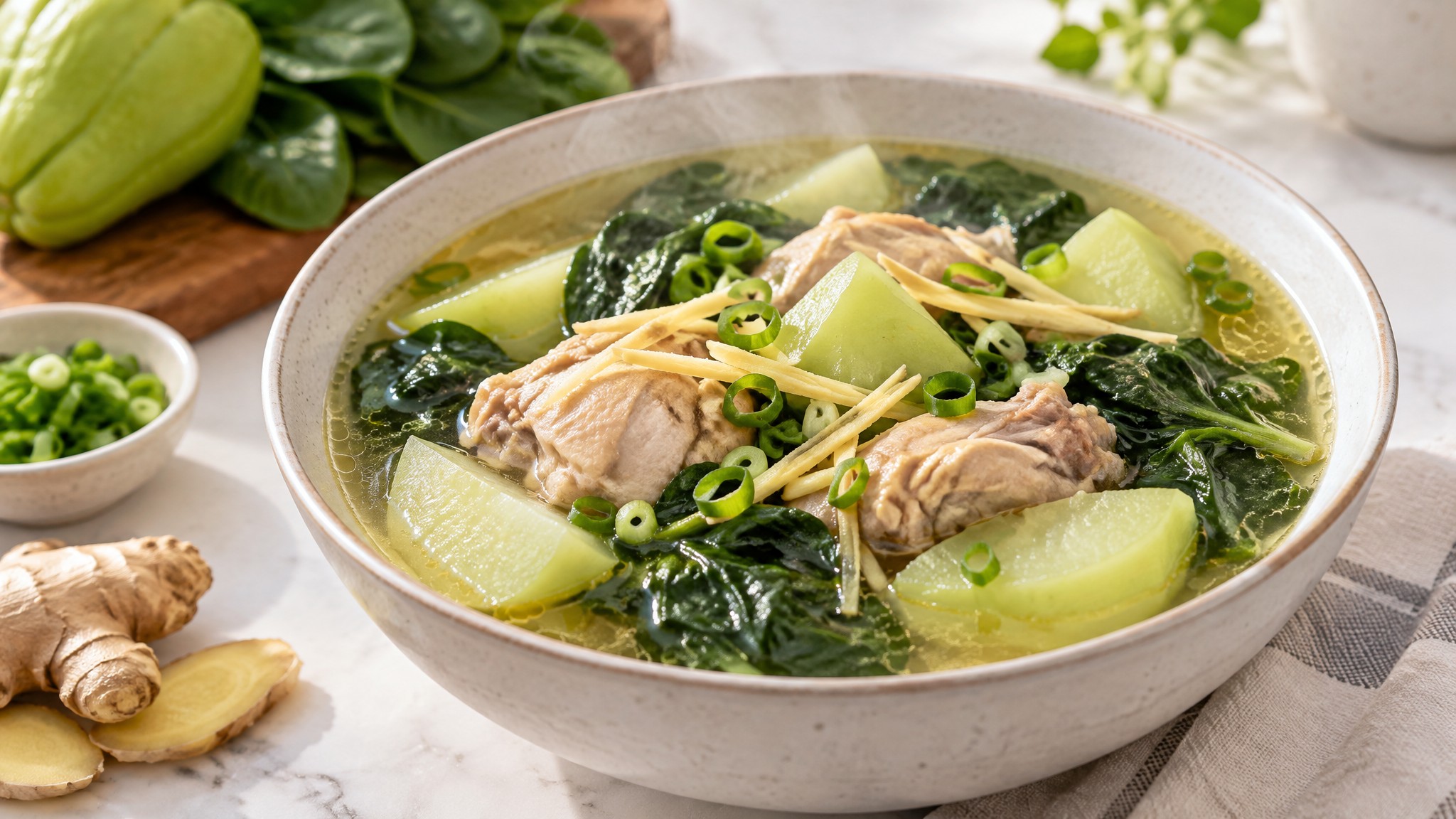
Tinolang Manok with Chayote and Spinach (No Rice)
Filipino ginger chicken soup with tender chayote and wilted spinach in a garlicky fish sauce broth, served without rice for a steady, protein-led meal bowl.

Low-Glycemic Spanish-Style Cauliflower Rice
A vibrant, blood sugar-friendly side dish that delivers authentic Spanish flavors without the glucose spike. Ready in just 15 minutes with nutrient-dense vegetables.

Grilled Sirloin and Vegetable Skewers with Nutty Brown Rice
Tender marinated beef cubes paired with colorful vegetables on skewers, served over fiber-rich brown rice for steady energy and balanced blood sugar levels.
Take control of your blood sugar
Scan your meals, track glycemic load, and see your patterns — all in one app.
Start Free Trial →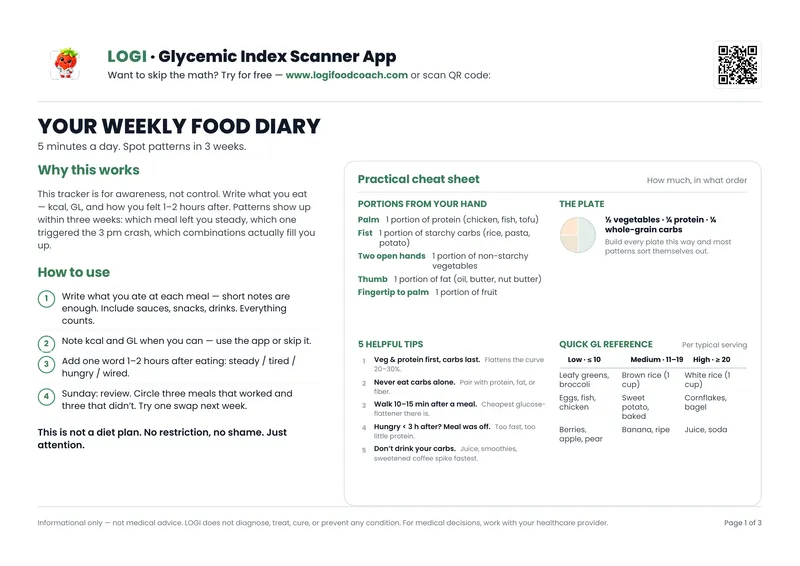
Free PDF — 3 pages
Your Weekly Food Journal
Track meals, glycemic load & mood. Spot patterns in 3 weeks.
No spam. Unsubscribe anytime.