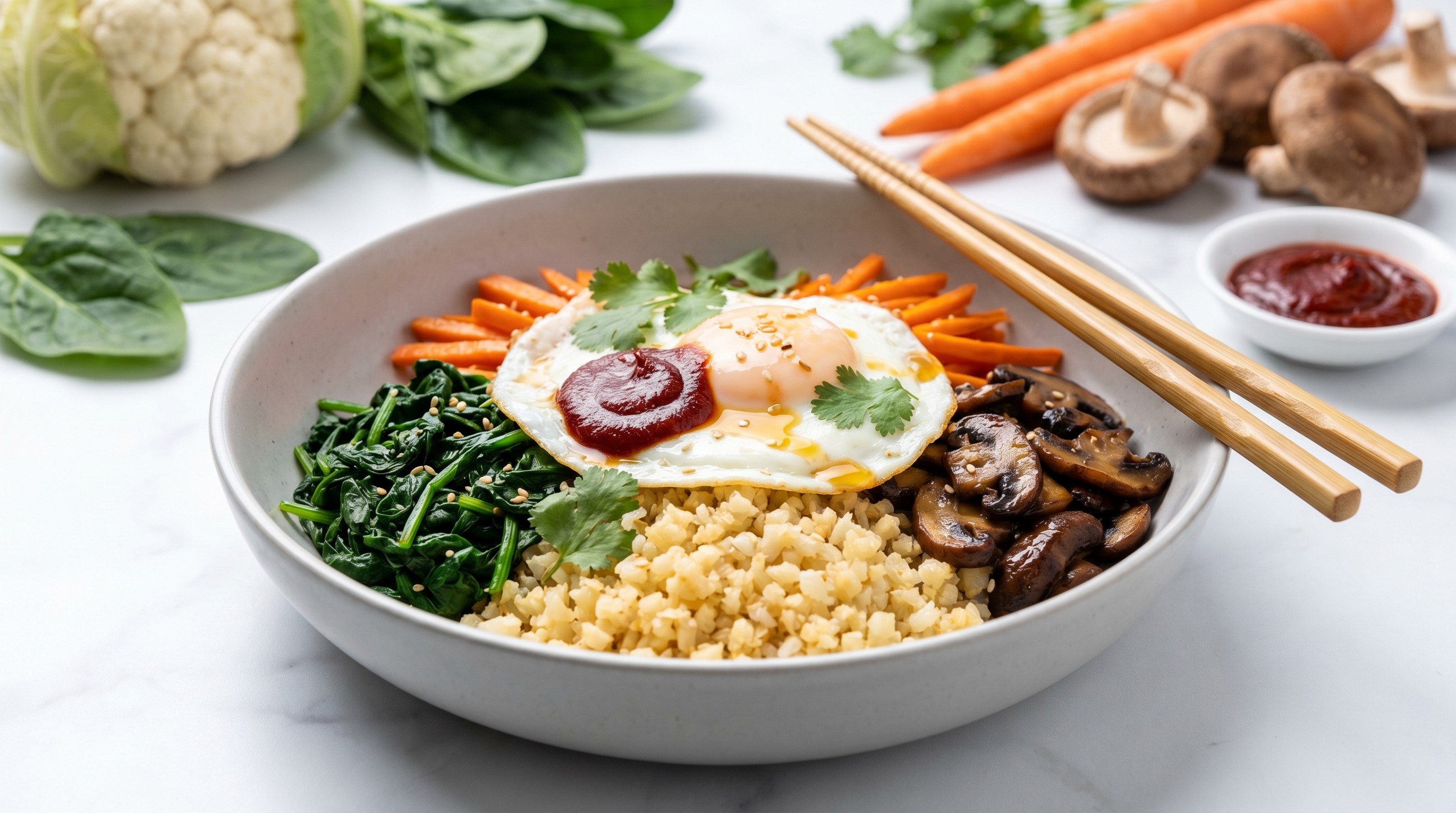
Karnabahar Pilavlı ve Gochujang Yumurtalı Bibimbap Kasesi
Sotelenmiş sebzeler ve akışkan yumurta ile karnabahar pilavı üzerinde tahılsız bir Kore bibimbap'ı — her renkli, lezzetli lokmada düşük glisemik konfor.
Bu düşük glisemik bibimbap, geleneksel beyaz pirinci (GI ~73) kızarmış karnabahar pilavıyla değiştirerek, bibimbap'ı bu kadar doyurucu yapan o sıcak, fındıksı tabanı korurken karbonhidrat içeriğini %80'den fazla azaltıyor. Karnabahar, iri taneli bir doku elde edene kadar rondodan geçirilir ve hafifçe kızarana kadar tavada kavrulur, bu da ona soslarla harika uyum sağlayan kızarmış bir lezzet verir.
Her kase, sotelenmiş shiitake mantarları, solmuş bebek ıspanak ve hafif diri jülyen havuçlarla hazırlanır — hepsi lif açısından zengin, düşük GI'li sebzelerdir ve glikoz emilimini daha da yavaşlatır. Yemeğin yıldızı, akışkan sarısı doğal bir sos haline gelen, kan şekeri tepkisini dengeleyen protein ve sağlıklı yağlar ekleyen az pişmiş bir yumurtadır. Susam yağı ve pirinç sirkesi ile inceltilmiş küçük bir miktar gochujang, kullanılan miktar toplam şekeri minimumda tuttuğu için ilave şeker yükü olmadan karakteristik Kore acısını sağlar.
Kan şekeri yönetimi için, yumurtayı karıştırmadan ve her şeyi bir araya getirmeden önce sebzeleri yiyin. Ispanak ve havuçtan gelen lif, yumurta ve susam yağından gelen protein ve yağ ile birleşerek, sabit glikoz seviyelerini destekleyen ideal bir makro besin dengesi oluşturur. Bu kase yaklaşık 35 dakikada hazır olur ve düşük glisemik bölgede kalırken şımartıcı hissettiren, oldukça doyurucu bir öğle veya akşam yemeği sunar.
Kan şekeri etkisi
6.2 glisemik yük ve tahmini 23 GI değeri ile çok düşük kan şekeri etkisi bekleniyor. Karnabahar pilavı tabanı, lif açısından zengin sebzeler ve yumurtadan gelen protein, 3-4 saat boyunca sabit kan şekerini ve sürekli enerjiyi destekleyecektir.
Kan şekeri ipuçları
- ✓ Glikoz emilimini yavaşlatmak için yumurta ve gochujang'ı karıştırmadan önce ıspanak, havuç ve mantarları yiyin.
- ✓ Gochujang'ı az kullanın çünkü ilave şeker içerir — glisemik yükü önemli ölçüde artırmadan lezzet için ince bir gezdirme yeterlidir.
- ✓ Az miktardaki karbonhidratlardan kaynaklanan küçük kan şekeri yükselişini daha da dengelemek için yemekten sonra 10-15 dakikalık bir yürüyüş yapın.
🥗 Malzemeler
- 400 g karnabahar çiçekleri
- 2 pcs Yumurta
- 150 g bebek ıspanak
- 140 g Havuç
- 150 g shiitake mantarı
- 1 tbsp Soya sosu
- 1 tsp Susam yağı
- 1 tsp Gochujang
- 1 tsp Pirinç sirkesi
- 2 tsp Kanola yağı
- 1 tsp Susam
- 14.1 oz karnabahar çiçekleri
- 2 pcs Yumurta
- 5.3 oz bebek ıspanak
- 4.9 oz Havuç
- 5.3 oz shiitake mantarı
- 1 tbsp Soya sosu
- 1 tsp Susam yağı
- 1 tsp Gochujang
- 1 tsp Pirinç sirkesi
- 2 tsp Kanola yağı
- 1 tsp Susam
👨🍳 Talimatlar
- 1
Karnabaharı çiçeklerine ayırın ve mutfak robotunda kısa aralıklarla çekerek parçaların pirinç tanesi büyüklüğünde, iri taneli bir yapıya gelmesini sağlayın. Gerekirse iki parti halinde yapın ve çok fazla çekmekten kaçının; dokusu hafif pütürlü olmalı, pürüzsüz değil.
- 2
Geniş bir yapışmaz tavayı orta-yüksek ateşte ısıtın ve 1 çay kaşığı kanola yağı ekleyin. Yağ ısınınca karnabahar pilavını tavaya boşaltın ve hafifçe tuzla tatlandırın. Ara sıra karıştırarak 6 ila 8 dakika soteleyin; taneler hafifçe altın rengini alana ve fazla suyu buharlaşana kadar pişirin. İki servis kasesine eşit şekilde paylaştırın.
- 3
Tavayı temiz bir bezle silin ve birkaç damla yağ ile orta-yüksek ateşe geri koyun. Dilimlenmiş shiitake mantarlarını tek bir kat halinde tavaya dizin ve renk alması için 2 dakika hiç karıştırmadan pişirin. Ardından karıştırın ve iyice kızarana kadar 2 ila 3 dakika daha pişirin. Soya sosunun yarısını üzerine gezdirin, kısaca karıştırın ve bir tabağa aktarın.
- 4
Aynı tavada bebek ıspanağı 1 yemek kaşığı su ile birlikte ekleyin. Bir veya iki kez karıştırarak yaklaşık 30 saniye kadar solmasını bekleyin, ardından bir süzgece aktarın ve fazla suyunu sıkmak için hafifçe bastırın. Küçük bir miktar soya sosuyla tatlandırın.
- 5
Tavayı kalan 1 çay kaşığı kanola yağı ile yüksek ateşe geri koyun. Jelyen doğranmış havuçları ekleyin ve yaklaşık 2 dakika kadar hızlıca soteleyin. Hafifçe yumuşamalı ama hoş bir diriliklerini korumalılar. Kalan soya sosuyla tatlandırın ve bir kenara alın.
- 6
Küçük bir yapışmaz tavada, orta ateşte, her bir yumurtayı ayrı ayrı kızartın. Beyazları tamamen katılaşana ama sarısı yumuşak ve akışkan kalana kadar, her yumurta için yaklaşık 3 dakika pişirin. Yumurtalar pişerken, küçük bir kapta gochujang, susam yağı ve pirinç sirkesini karıştırarak ince, parlak bir sos hazırlayın.
- 7
Mantarları, ıspanağı ve havuçları her bir karnabahar pilavı kasesinin kenarlarına düzenli bölümler halinde yerleştirin. Ortasına kızarmış yumurtayı koyun, üzerine gochujang sosunu gezdirin ve susam serpin. Hemen servis yapın; masada yumurtanın sarısını patlatın ve yemeden önce her şeyi karıştırın.
📊 Porsiyon başına besin
| Porsiyon başına | Tüm yemek | |
|---|---|---|
| Kalori | 288 | 576 |
| Karbonhidrat | 27g | 54g |
| Şeker | 10g | 20g |
| Eklenen şekerler | 0g | 1g |
| Doğal şekerler | 10g | 20g |
| Protein | 17g | 34g |
| Yağ | 15g | 30g |
| Doymuş yağ | 3g | 6g |
| Doymamış yağ | 12g | 24g |
| Lif | 10g | 20g |
| Çözünür lif | 3g | 6g |
| Çözünmez lif | 7g | 14g |
| Sodyum | 782mg | 1563mg |
Tahmini glukoz yanıtı
Ya sen...
Tahmini model — bireysel yanıtlar değişir. Tıbbi tavsiye değildir.
🔄 Düşük GI alternatifleri
Gochujang ilave şeker ve pirinç unu içerir, bu da ona orta düzeyde bir glisemik indeks verir. Doenjang veya şekersiz acı biber ezmeleri, kan şekerini yükselten nişasta ve şekerler olmadan benzer umami ve acılık sağlar.
Havuçların glisemik indeksi (GI) orta ila yüksek seviyededir (özellikle pişirildiğinde yaklaşık 39-47 civarında). Kabak (GI ~15), beyaz turp (GI ~18) ve kapya biber (GI ~15) hem renk hem de çıtırlık katarken çok daha düşük glisemik etkiye sahiptir.
Bazı soya sosları, glisemik yükü bir miktar artırabilecek ilave şeker veya buğday içerebilir. Hindistan cevizi aminosu ve şekersiz tamari, minimum karbonhidrat içeriği ve sıfıra yakın glisemik etkiyle aynı lezzetli derinliği sunar.
Pirinç sirkesi, pirinç fermantasyonundan kalan şekerleri içerebilir. Elma sirkesinin yemek sonrası kan şekeri yükselişlerini dengelemeye yardımcı olduğu gösterilmiştir, beyaz şarap sirkesi ve limon suyu ise asitlik katarken neredeyse sıfır glisemik yüke sahiptir.
🔬 Bu tarifin arkasındaki bilim
Bu Kase Kan Şekerinizi Neden Sever?
Bu Bibimbap Kasesi sadece 6.2 glisemik yüke ve tahmini 23 GI değerine sahip — her ikisi de oldukça düşük. Buradaki ana hamle, geleneksel beyaz pirinci karnabahar pilavıyla değiştirmek. Bir fincan beyaz pirinç kan şekerinizi bir hız trenine bindirebilirken, karnabahar benzer şekilde doyurucu bir taban sağlar; hem de çok daha az karbonhidrat ve bol miktarda lifle. Bu lif, sindirim sisteminizde bir hız tümseği gibi davranarak glikozun kan dolaşımınıza girme hızını yavaşlatır. Sonuç mu? Ani bir yükseliş ve düşüş yerine nazik, sabit bir enerji eğrisi.
Yumurta ve shiitake mantarları sofraya protein ve sağlıklı yağlar getirir ve bu düşündüğünüzden daha önemlidir. Karbonhidratlarla birlikte protein ve yağ tükettiğinizde, mide boşalmasını yavaşlatırlar — aslında midenize acele etmemesini söylerler. Bu, havuç ve ıspanaktaki karbonhidratların hepsinin bir kerede değil, yavaş yavaş emildiği anlamına gelir. Bu tür dengeli kaselerin sizi saatlerce tok ve enerjik tutmasının nedenlerinden biri de budur. Ispanaktan bahsetmişken, içerdiği magnezyum, vücudunuzun glikozu verimli bir şekilde işlemesinde destekleyici bir rol oynar.
Faydaları en üst düzeye çıkarmak için pratik bir ipucu: sebzelerinizi ve yumurtanızı önce yemeye çalışın, karnabahar pilavını son birkaç lokmaya saklayın. Araştırmalar, bu "yemek sırası" yaklaşımının glikoz tepkinizi daha da düzleştirebileceğini gösteriyor. Yemekten sonra kısa bir 10-15 dakikalık yürüyüş de harikalar yaratır. Ve unutmayın, glisemik yük bir porsiyondaki karbonhidratların hem kalitesini *hem de* miktarını hesaba katar — bu yüzden havuçların tek başına orta düzeyde bir glisemik indeksi olsa bile, burada kullanılan küçük miktar etkilerini minimumda tutar. Önemli olan bütün resimdir ve bu kase, sabit enerji için güzel bir tablo çizer.
İlgili tarifler
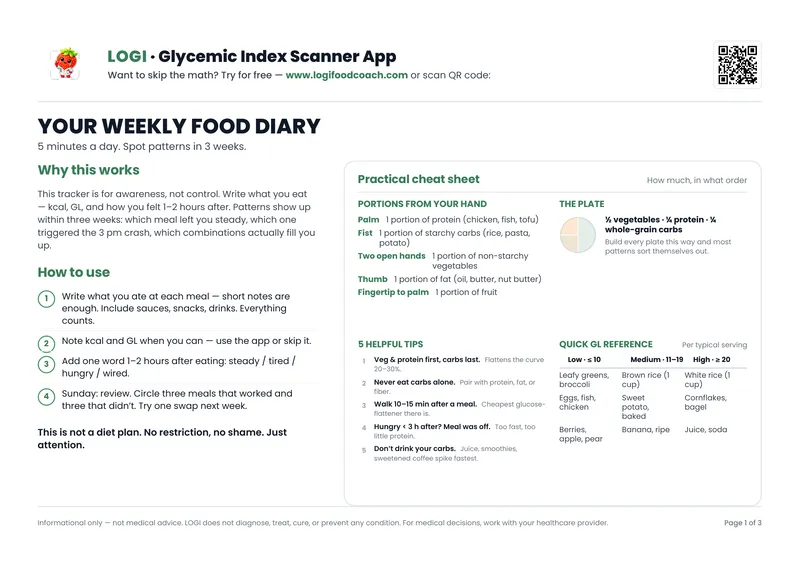
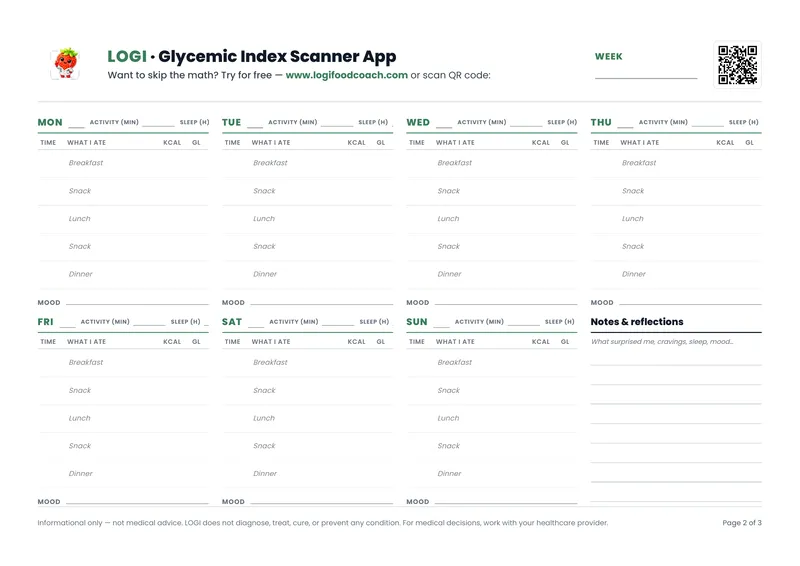
Ücretsiz PDF — 3 sayfa
Haftalık besin günlüğün
Öğünleri, glisemik yükü ve ruh halini takip et. 3 haftada örüntüleri keşfet.
Spam yok. İstediğin zaman çık.