De ce nu pot scăpa de grăsimea de pe burtă? Legătura cu rezistența la insulină

Reduci caloriile. Faci mișcare. Cântarul arată mai puțin — dar burta nu dispare. Sau mai rău, nu se întâmplă absolut nimic.
Dacă treci prin asta, problema probabil că nu e lipsa de voință, antrenamentul greșit sau o dietă nepotrivită. Problema este insulina ta.
Grăsimea abdominală — mai exact, grăsimea viscerală care înconjoară organele — răspunde la un set complet diferit de reguli față de grăsimea de pe coapse sau brațe. Este mult mai activă metabolic, mai sensibilă la hormoni și mult mai rezistentă la restricția calorică atunci când insulina ta este cronic crescută. Acest articol îți explică mecanismul, enumeră testele care îl confirmă și îți arată abordarea alimentară care chiar te scapă de grăsimea viscerală.
Cele două tipuri de grăsime abdominală
Nu toată grăsimea abdominală este la fel.
Grăsimea subcutanată se află chiar sub piele. Este cea pe care o poți prinde cu degetele. Răspunde la deficitul caloric și la exerciții fizice într-un mod destul de previzibil — mănânci mai puțin, te miști mai mult, scapi de o parte din ea.
Grăsimea viscerală este situată mai profund, înfășurată în jurul ficatului, pancreasului și intestinelor. Pe aceasta nu o poți prinde. O persoană poate părea slabă, dar să aibă totuși niveluri periculoase de grăsime viscerală (fenotipul „TOFI” — slab la exterior, gras la interior). Aceasta este grăsimea asociată cu diabetul de tip 2, bolile cardiovasculare și inflamația cronică.
Grăsimea viscerală nu răspunde doar la restricția calorică. Ea reacționează la semnalele hormonale — în principal, la insulină.
De ce insulina protejează grăsimea abdominală
Insulina are două sarcini principale. Extrage glucoza din fluxul sanguin și o transportă în celule pentru a fi folosită ca energie, și le transmite celulelor adipoase să păstreze grăsimea pe care o au deja stocată.
Când insulina este ridicată, celulele adipoase sunt „blocate”. Semnalul de a elibera grăsimea stocată pentru energie (lipoliza) este oprit. Poți fi în deficit caloric și să nu ai totuși acces la grăsimea stocată, pentru că poarta hormonală este închisă.
Grăsimea viscerală este deosebit de sensibilă la semnalele insulinei. Celulele adipoase din abdomen au o densitate mai mare de receptori de insulină comparativ cu celulele grase din alte zone. Atunci când nivelul de insulină rămâne ridicat — din cauza meselor frecvente, a alimentelor cu IG (indice glicemic) ridicat sau a rezistenței la insulină — grăsimea viscerală este ultima care se mobilizează și prima care se acumulează.
Acesta este motivul pentru care o persoană cu rezistență la insulină poate avea o dietă curată, cu un număr moderat de calorii, se poate antrena constant, și totuși să observe cum burta refuză să scadă.
Rezistența la insulină: multiplicatorul ascuns
Rezistența la insulină este starea în care celulele nu mai răspund la nivelurile normale de insulină. Pancreasul compensează producând și mai multă. Insulina din sânge rămâne cronic crescută. Glicemia poate părea normală ani la rând, în timp ce insulina tot crește.
Simptomele care sugerează că rezistența la insulină îți menține grăsimea abdominală pe loc:
- Creșterea în greutate concentrată în jurul taliei, nu distribuită uniform
- Foame intensă la 2-3 ore după o masă, în special după carbohidrați
- Scăderi bruște de energie după-amiaza
- Pofte de dulciuri sau alimente bogate în amidon seara
- Pete închise la culoare pe pielea gâtului, axilelor sau vintre (acanthosis nigricans)
- Papiloame (excrecențe pe piele)
- Oboseală după masă
- Menstruații neregulate sau SOP (sindromul ovarelor polichistice) la femei
- Istoric familial de diabet de tip 2
Niciunul dintre aceste simptome nu reprezintă un diagnostic în sine. Dar trei sau mai multe, combinate cu o greutate abdominală încăpățânată, sunt un semnal clar că ar trebui să îți faci analizele.
Ce analize să îți faci
Analizele de sânge standard ratează de multe ori rezistența la insulină, deoarece verifică doar glicemia pe nemâncate (a jeun) și HbA1c — ambele putând rămâne normale timp de un deceniu în timp ce insulina continuă să crească.
Pentru a vedea cu adevărat ce se întâmplă, cere aceste analize:
Insulinemia a jeun (insulina pe nemâncate). Acesta este cel mai util indicator. Majoritatea medicilor de familie nu o testează decât dacă le ceri acest lucru. Laboratoarele consideră normale valorile de până la 25 μIU/mL, dar cercetătorii în sănătate metabolică privesc orice valoare de peste 7 μIU/mL ca pe un semnal de alarmă. O valoare de peste 10 μIU/mL sugerează o probabilitate mare de rezistență la insulină.
Indicele HOMA (HOMA-IR). Se calculează pe baza insulinemiei și a glicemiei a jeun: (insulina a jeun × glicemia a jeun) / 405. Un indice HOMA-IR peste 2.0 indică rezistență la insulină. Peste 2.5 situația este clară, iar o valoare de peste 3.0 este considerată semnificativă.
Raportul Trigliceride/HDL. Obținut dintr-un profil lipidic standard. Un raport de peste 2.0 este strâns corelat cu rezistența la insulină, în special la persoanele cu origini europene.
Raportul talie-înălțime. Împarte circumferința taliei la înălțime. O valoare peste 0.5 este un marker de risc independent de IMC. Acesta este un predictor mai bun al bolilor metabolice decât greutatea în sine.
Dacă insulina a jeun este crescută, indicele HOMA-IR trece de 2.5 sau raportul trigliceride/HDL este peste 3.0, grăsimea abdominală de care nu poți scăpa are de acum un nume și un mecanism clar.
Ce nu funcționează
Înainte de a afla abordarea care dă rezultate, hai să le eliminăm pe cele care nu funcționează.
Restricția calorică severă. Reducerea aportului la 1200 kcal sau mai puțin împinge corpul în termogeneză adaptativă: metabolismul încetinește, activitatea tiroidei scade, cortizolul crește, iar senzația de foame devine extremă. Scazi în greutate — uneori destul de repede —, dar grăsimea viscerală este de multe ori ultima care dispare, iar efectul de yo-yo (rebound-ul) este aproape garantat. La final, te alegi cu mai puțină masă musculară, un procent mai mare de grăsime corporală și aceeași burtă.
Sesiuni nesfârșite de cardio. Orele întregi de antrenament cardio în ritm constant ard calorii, dar cresc și nivelul de cortizol, ceea ce favorizează stocarea de grăsime viscerală. Cortizolul este al doilea hormon care direcționează specific grăsimea către abdomen. Sesiunile cronice de cardio de lungă durată pot înrăutăți problema la persoanele care sunt deja stresate.
Dietele sărace în grăsimi (low-fat). Înlocuirea grăsimilor cu carbohidrați crește expunerea la insulină pe parcursul întregii zile. Abordarea „low-fat, high-carb” (săracă în grăsimi, bogată în carbohidrați) din anii ‘90 se corelează istoric cu creșterea incidenței bolilor metabolice, nu cu combaterea acestora.
Exercițiile cu focus pe o singură zonă. Abdomenele îți construiesc musculatura de sub stratul de grăsime, dar nu reduc grăsimea în sine. Grăsimea este mobilizată la nivel sistemic în funcție de hormoni, nu la nivel local, în funcție de mușchiul pe care îl antrenezi.
Doar postul intermitent. Mesele într-un interval de timp restrâns te pot ajuta — comprimarea orelor în care mănânci scade expunerea totală la insulină. Dar dacă îți întrerupi postul cu o masă cu IG crescut, forțezi un vârf de insulină mult mai brusc decât ai fi făcut-o altfel. Postul fără alimente cu o încărcătură glicemică scăzută nu rezolvă problema rezistenței la insulină.
Ce funcționează cu adevărat: încărcătură glicemică scăzută + proteine + momentul potrivit
Abordarea susținută de cele mai solide dovezi științifice pentru reducerea grăsimii viscerale — nu doar a greutății în general — combină trei elemente.
O încărcătură glicemică mai scăzută de-a lungul zilei. Încărcătura glicemică (ÎG) măsoară atât impactul unui aliment asupra zahărului din sânge, cât și dimensiunea porției. Alimentele cu o ÎG sub 10 per porție mențin nivelurile de insulină scăzute pe tot parcursul zilei. Să menții un total zilnic sub 80-100 ÎG reprezintă un obiectiv practic.
Aceasta nu este același lucru cu o dietă low-carb. Poți mânca orez, cartofi și fructe — însă trebuie să alegi variantele cu un impact mai redus (orez basmati în loc de jasmine, cartof dulce în loc de alb, fructe de pădure în loc de mango) și să păstrezi mărimile porțiilor rezonabile. Majoritatea oamenilor consideră că acest tip de alimentație este sustenabil, lucru mult mai important pe termen lung decât atingerea unui ideal teoretic.
Proteine la fiecare masă, mai ales la micul dejun. Un aport de 25-40 de grame de proteine la micul dejun temperează ciclul matinal cortizol-insulină, reduce poftele alimentare de la prânz și menține masa musculară în timpul procesului de slăbire. Proteinele au cel mai mare efect termic dintre toți macronutrienții — aproximativ 25% din caloriile lor sunt arse chiar în timpul procesului de digestie.
Organizarea orelor de masă. Trei mese, fără gustări, sau două mese într-un interval orar comprimat. De fiecare dată când mănânci, nivelul insulinei crește. Mai puține astfel de evenimente pe zi înseamnă o expunere totală mai mică la insulină, adică mai mult timp în care celulele adipoase rămân deblocate.
Această combinație reduce vizibil grăsimea viscerală în 8-12 săptămâni, chiar și în absența unei restricții calorice dramatice. Studiile pe dieta mediteraneană — care în mare este cu o ÎG scăzută, bogată în proteine și cu mese structurate — arată în mod constant o reducere preferențială a grăsimii viscerale în raport cu alte tipuri de grăsime corporală.
Mișcarea care țintește sensibilitatea la insulină
Când vine vorba de grăsimea de pe burtă, nu orice tip de mișcare e la fel de util.
Antrenamentul de rezistență. Dezvoltarea masei musculare îmbunătățește sensibilitatea la insulină în tot corpul. Mușchii reprezintă cel mai mare consumator al glucozei din sânge. Mai mulți mușchi înseamnă că e nevoie de mai puțină insulină pentru a procesa aceeași masă. Două până la trei sesiuni pe săptămână de exerciții cu greutăți pentru tot corpul aduc îmbunătățiri măsurabile ale HOMA-IR în doar 6-8 săptămâni.
Plimbările după masă. O plimbare de zece până la cincisprezece minute după ce ai mâncat reduce cu 20-30% picul de glucoză și, în mod corespunzător, scade și nivelul de insulină. Acest simplu obicei, dacă este pus în practică constant după cea mai consistentă masă a zilei, are un efect extraordinar asupra grăsimii viscerale pe parcursul mai multor luni.
Antrenamentele pe intervale de mare intensitate (HIIT). Seriile scurte de efort intens (30-60 de secunde), urmate de pauze de recuperare, cresc sensibilitatea la insulină mult mai eficient decât exercițiile cardio constante raportat la timpul petrecut. Două antrenamente pe săptămână de câte 15-20 de minute sunt arhisuficiente.
Somnul. Nu e chiar o formă de exercițiu, dar intră în aceeași categorie. O singură noapte de somn prost crește vizibil rezistența la insulină în ziua următoare. Deficitul cronic de somn este un factor puternic de creștere a greutății abdominale, independent de dieta pe care o urmezi.
Cum te ajută Logi
Cei mai mulți oameni cunosc în principiu informațiile de mai sus, dar dau greș la partea practică. E o diferență enormă între a ști că trebuie să mănânci „cu IG scăzut” și a cunoaște de fapt indicele glicemic al mesei specifice pe care o ai în farfurie. Să cauți pe internet informații despre fiecare aliment este un proces obositor și probabil vei renunța în mai puțin de o săptămână.
Logi elimină acest obstacol. Doar fotografiezi masa sau o descrii în cuvinte, iar aplicația îți oferă:
- O estimare a încărcăturii glicemice (ÎG) a mesei, cu o clasificare simplă: scăzută / medie / ridicată
- O predicție a glicemiei pe o durată de 3 ore, arătându-ți dacă masa îți va provoca un vârf glicemic
- Sugestii simple de înlocuire atunci când ÎG este prea mare (înlocuiește acest ingredient cu altul, modifică mărimile porțiilor, adaugă o sursă de proteine sau fibre)
- Totalul de macronutrienți, fibre și proteine
În timp, Logi urmărește evoluția încărcăturii glicemice de-a lungul săptămânilor și lunilor, alături de greutate, HOMA-IR (dacă îți înregistrezi analizele de sânge), somn și activitate fizică. Vei putea vedea cu claritate dacă schimbările pe care le faci reduc cu adevărat expunerea la insulină sau nu — fără să te mai bazezi exclusiv pe cântar, care este oricum un indicator întârziat și imprecis.
Pentru cineva cu rezistență la insulină și grăsime abdominală de care nu poate scăpa, sistemul constant de feedback contează mai mult decât micile decizii de moment. Orice abordare rezonabilă cu încărcătură glicemică scăzută funcționează, în principiu. Întrebarea este dacă poți fi consecvent timp de 12 săptămâni fără un semnal clar că ceea ce faci chiar are efect. Iar acel semnal este exact ceea ce îți oferă aplicația.
Ce e de făcut săptămâna aceasta
Dacă grăsimea de pe burtă rezistă în ciuda eforturilor tale, iar o posibilă rezistență la insulină pare plauzibilă:
- Cere medicului tău o analiză pentru insulina a jeun și un profil lipidic. Calculează HOMA-IR și raportul trigliceride/HDL. Astfel, obții un punct de plecare clar și un motiv bun pentru a lua atitudine.
- Pentru următoarele șapte zile, încearcă să ai doar trei mese principale, fără gustări, cu cel puțin 30 de grame de proteine la micul dejun și cu o încărcătură glicemică (ÎG) sub 15 la fiecare masă.
- Fă o plimbare de 10 minute în fiecare zi, după cea mai consistentă masă.
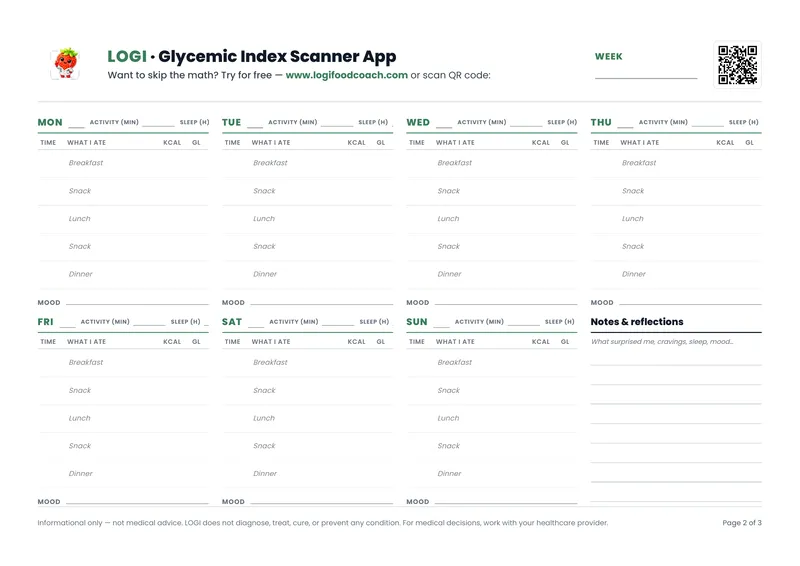
- Descarcă aplicația Logi și înregistrează-ți absolut fiecare masă timp de o săptămână. Obiectivul nu este să fii perfect — ci să vezi unde se situează cu adevărat ÎG din meniul tău comparativ cu ce credeai tu.
- Refă analizele după 12 săptămâni. Indicele HOMA-IR măsoară mult mai precis progresul tău comparativ cu un cântar, mai ales în prima lună, când retenția de apă poate ascunde pierderea reală de grăsime.
Grăsimea abdominală care rezistă oricărei diete și exercițiilor fizice nu este o problemă de lipsă de voință. Este un blocaj hormonal, iar cheia rezolvării este menținerea nivelurilor de insulină la un prag mai redus pentru un timp mai îndelungat. Pentru a reuși acest lucru e nevoie de o abordare specifică, de determinările corecte și de un instrument care să-ți spună dacă fiecare masă pe care o consumi te ajută sau nu.
Articole similare:
- De ce nu slăbesc deși mănânc mai puțin? (în curând)
- De ce mă simt obosit după masă? (în curând)
- Dieta pentru rezistența la insulină: Ce să mănânci și ce să eviți în 2026 (blog.logifoodcoach.com)
Declinarea responsabilității: Acest articol are rol pur informativ și nu înlocuiește sfatul medicului. Dacă bănuiești că suferi de rezistență la insulină, consultă un medic pentru a-ți face analizele corecte și pentru a primi un diagnostic avizat.
Rețete similare
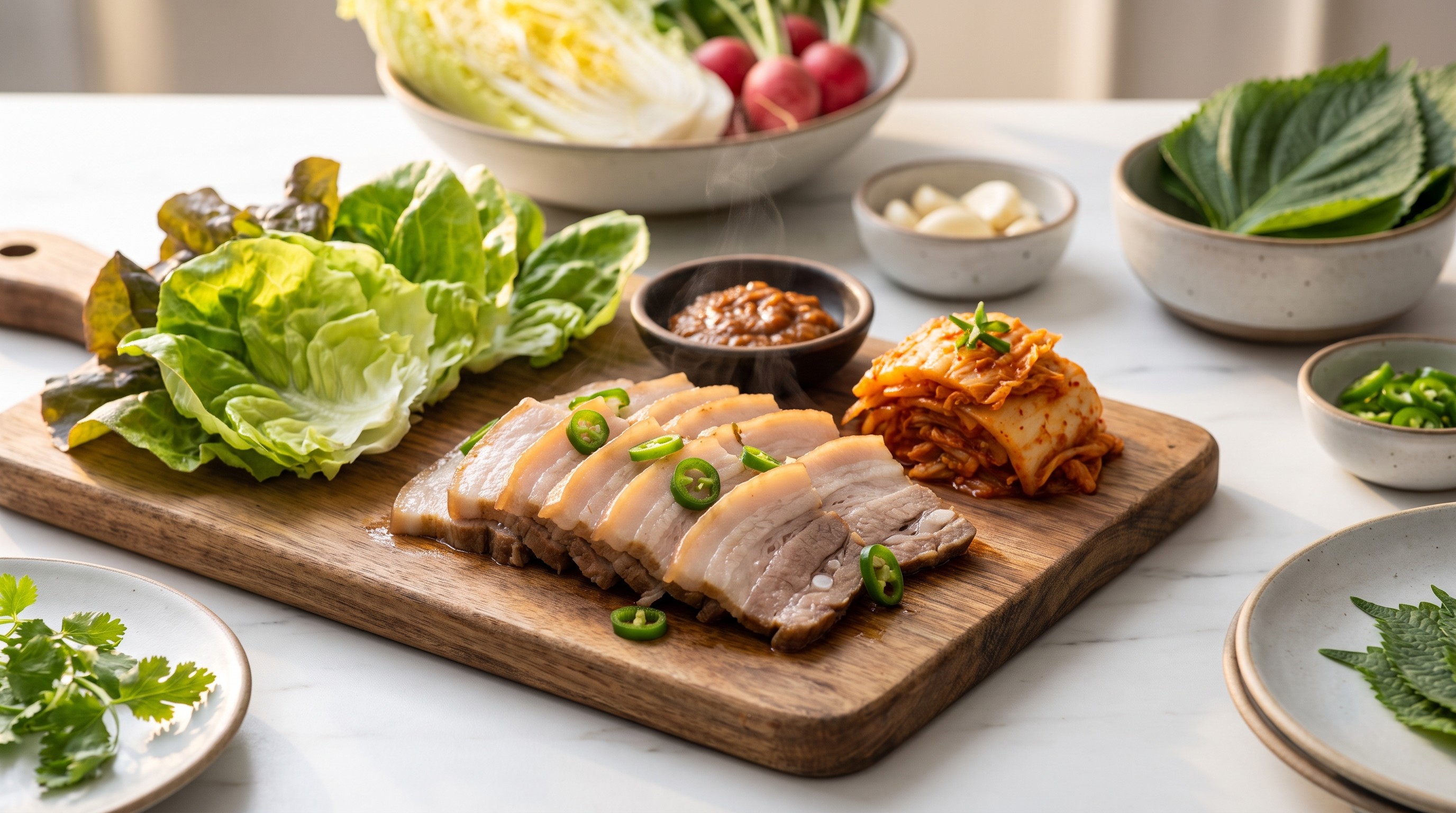
Bossam — Burtă de porc coreeană fiartă înăbușit, împachetată în salată
Burtă de porc fragedă, gătită lent într-un bulion cu doenjang, tăiată felii subțiri și împachetată în frunze crocante de salată unt, alături de ssamjang și kimchi acrișor — un preparat coreean reconfortant, natural cu indice glicemic scăzut.

Ouă fierte tari perfecte
O gustare bogată în proteine, fără carbohidrați și cu impact glicemic aproape zero — ideală pentru menținerea glicemiei stabile și pentru energie pe tot parcursul zilei.

Păstăi crocante cu migdale, lămâie și usturoi
Păstăile fragede și crocante, amestecate cu migdale prăjite, șalotă aromată și lămâie proaspătă, formează o garnitură elegantă și ușor de făcut, ideală pentru menținerea glicemiei sub control.
Preia controlul asupra glicemiei tale
Scanează-ți mesele, urmărește încărcătura glicemică și observă-ți tiparele — totul într-o singură aplicație.
Începe perioada de probă gratuită →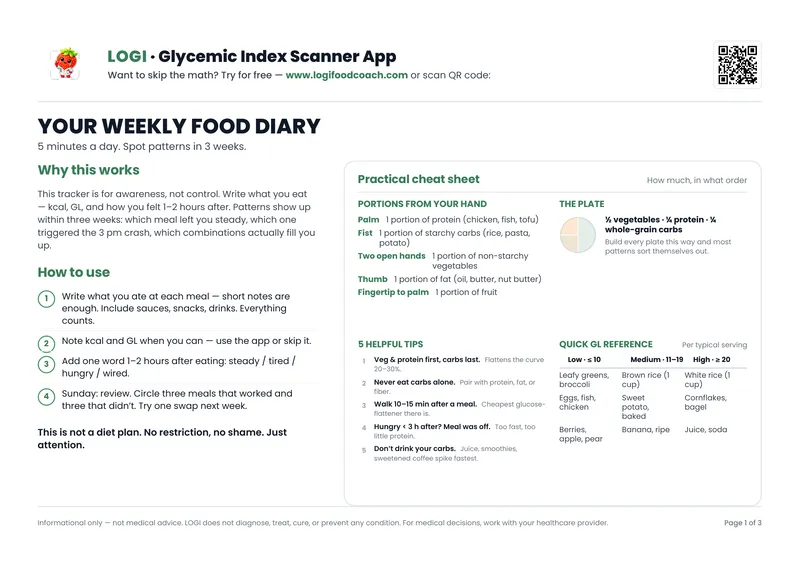
PDF gratuit — 3 pagini
Jurnalul tău alimentar săptămânal
Notează mesele, sarcina glicemică și starea de spirit. Descoperă tipare în 3 săptămâni.
Fără spam. Dezabonare oricând.