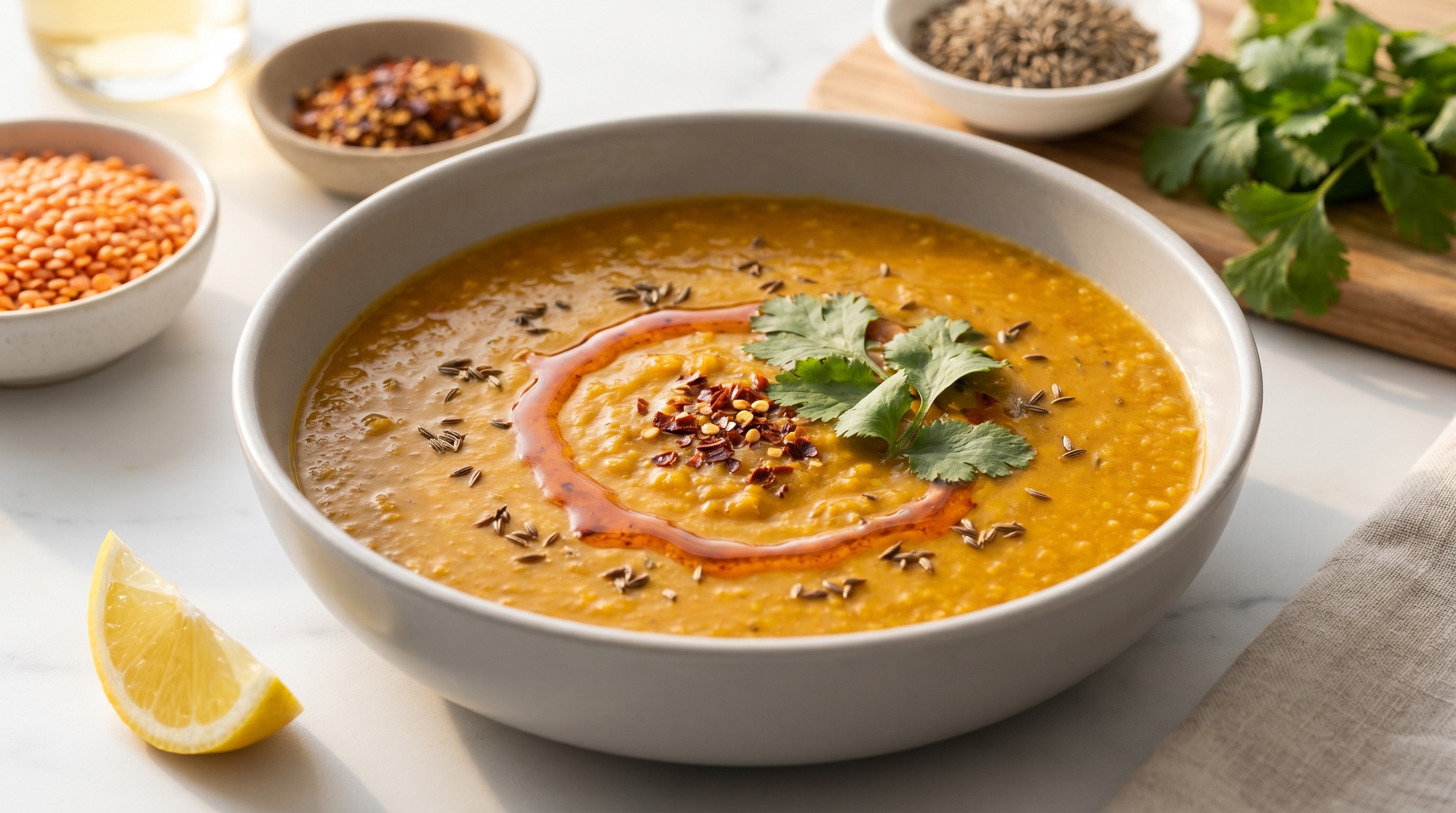
Tarka Dal with Red Lentils and Cumin
Creamy red lentils finished with a sizzling cumin-garlic tarka — a naturally low-GI comfort bowl that keeps blood sugar steady for hours.
Red lentils are one of the most blood-sugar-friendly pantry staples you can keep on hand. With a glycemic index around 26, they deliver slow-release energy alongside generous amounts of plant protein and soluble fiber — both of which blunt post-meal glucose spikes. As the lentils break down during cooking, they form a naturally thick, creamy dal without any need for cream or flour-based thickeners.
The tarka — a brief tempering of cumin seeds, sliced garlic, and ground cumin fried in oil or ghee — does more than add flavor. The fat from the tarka slows gastric emptying, which further flattens the glycemic curve of the entire meal. Turmeric, present both in the dal and enhanced by the fat in the tarka (which improves curcumin absorption), adds anti-inflammatory benefits that support metabolic health.
For optimal blood sugar management, serve this dal over a bed of leafy greens or alongside non-starchy vegetables rather than white rice. If you want a grain pairing, choose intact whole grains like barley (GI 28) or quinoa (GI 53). Eating the vegetables first, then the protein-rich dal, helps minimize glucose response. A squeeze of lemon at the table adds brightness and vitamin C, which may further support glucose metabolism. This is a genuinely effortless weeknight meal — ten minutes of prep, twenty-five minutes of mostly hands-off simmering, and you have two generous, deeply satisfying bowls.
Blood Sugar Impact
Very low blood sugar impact with a glycemic load of 7.8 and estimated GI of 13. Red lentils are rich in protein and soluble fiber, which slow glucose absorption and promote stable energy levels for 3-4 hours.
Blood Sugar Tips
- ✓ Pair with a side of non-starchy vegetables or a green salad to add extra fiber and further slow digestion.
- ✓ Allow the dal to cool slightly before eating, as cooled lentils form resistant starch which lowers the glycemic response.
- ✓ Enjoy with a small portion of whole grain rice or roti rather than refined white rice to keep the overall meal's glycemic load low.
🥗 Ingredients
- 180 g Red lentil
- 700 ml Water
- 1 pcs Tomato
- 1 tsp Ground turmeric
- 1 tsp Salt
- 2 tbsp Neutral oil
- 1 tsp Cumin seed
- 3 pcs Garlic
- 1 tsp Ground cumin
- 0.5 tsp Chili flake
- 1 tbsp Cilantro
- 1 pcs Lemon
- 6.3 oz Red lentil
- 3.0 cups Water
- 1 pcs Tomato
- 1 tsp Ground turmeric
- 1 tsp Salt
- 2 tbsp Neutral oil
- 1 tsp Cumin seed
- 3 pcs Garlic
- 1 tsp Ground cumin
- 0.5 tsp Chili flake
- 1 tbsp Cilantro
- 1 pcs Lemon
👨🍳 Instructions
- 1
Rinse the red lentils under cold running water until the water runs mostly clear. This removes surface starch and any debris.
- 2
Place the rinsed lentils in a medium saucepan with the water, roughly chopped tomato, ground turmeric, and salt. Set over high heat and bring to a boil.
- 3
Once boiling, reduce the heat to maintain a steady, gentle simmer. Cook uncovered for 18 to 22 minutes, stirring every few minutes to prevent sticking. The lentils should break down completely into a thick, porridge-like consistency.
- 4
If the dal thickens too quickly before the lentils are fully soft, add a small splash of water and continue simmering. The final texture should be creamy and pourable, not stiff.
- 5
While the dal simmers, prepare the tarka. Heat the oil or ghee in a small skillet over medium-high heat until the surface shimmers.
- 6
Add the cumin seeds to the hot oil — they should sizzle on contact. Fry for about 30 seconds until they darken slightly and become fragrant.
- 7
Drop in the sliced garlic, ground cumin, and chili flakes if using. Stir constantly for 60 to 90 seconds until the garlic turns golden at the edges. Remove from heat immediately — garlic burns quickly and turns bitter.
- 8
Pour the sizzling tarka directly over the cooked dal. Stir once to combine, then ladle into bowls. Top with fresh cilantro leaves and serve with a lemon wedge for squeezing over at the table.
📊 Nutrition Per Serving
| Per Serving | Whole Dish | |
|---|---|---|
| Calories | 465 | 929 |
| Carbs | 62g | 125g |
| Sugars | 4g | 8g |
| Natural Sugars | 4g | 8g |
| Protein | 25g | 50g |
| Fat | 14g | 28g |
| Saturated Fat | 2g | 3g |
| Unsaturated Fat | 13g | 25g |
| Fiber | 30g | 60g |
| Soluble Fiber | 9g | 18g |
| Insoluble Fiber | 21g | 42g |
| Sodium | 1176mg | 2352mg |
Predicted Glucose Response
What if you...
Estimated model — individual responses vary. Not medical advice.
🔄 Lower GI Swaps
Red lentils have a moderate GI (~26–30) and break down quickly into a purée, accelerating digestion. Black beluga and Puy lentils hold their shape, slowing gastric emptying and producing a lower glycemic response. Split mung beans have one of the lowest GIs among legumes (~25) and add more fiber per serving.
Replacing a refined neutral oil with extra-virgin olive oil or avocado oil adds monounsaturated fats and polyphenols that have been shown to slow carbohydrate absorption and blunt post-meal blood-sugar spikes.
Canned or peeled tomatoes can have a slightly higher GI due to processing. Using fresh tomatoes with their skin retains more fiber and pectin, which slows sugar absorption. Green tomatoes have even less sugar and a lower glycemic impact.
Adding vinegar-based acidity (2–3 tsp) before or during a carbohydrate-rich meal has been clinically shown to reduce the post-meal glycemic response by up to 20–30%. Lime offers similar citric acid content with marginally less fructose than lemon.
🔬 The Science Behind This Recipe
Here's the science explainer section:
---
Why This Dal Loves Your Blood Sugar
Red lentils are one of nature's best-kept secrets for steady energy. Unlike refined carbs that rush into your bloodstream, lentils come packed with both soluble and insoluble fiber, which acts like a traffic controller — slowing down the rate at which glucose enters your blood. They're also surprisingly rich in plant protein (about 9g per cooked half-cup), and that protein works alongside the fiber to create a gentle, sustained rise in blood sugar rather than a sharp spike and crash. This is why lentils consistently rank among the lowest-GI legumes, and it's a big reason this dish scores an estimated GI of just 13.
Tomatoes and turmeric aren't just here for flavor — they're doing real metabolic work. Tomatoes are low in carbohydrates and rich in fiber relative to their size, which means they add bulk and nutrition without meaningfully raising the glycemic load. Turmeric contains curcumin, a compound that research suggests may support healthy blood sugar metabolism by improving how your body responds to insulin. Together, these ingredients complement the lentils beautifully.
Here's the most empowering number on this recipe: a glycemic load of 7.8 per serving. While GI tells you how fast a food raises blood sugar, glycemic load factors in how much carbohydrate you're actually eating — and that's what really matters on your plate. Anything under 10 is considered low. To get even more out of this meal, try eating any vegetable side dish first before diving into the dal, and consider a 10-15 minute walk after eating. These simple habits can further smooth out your blood sugar response, turning a delicious dinner into a genuinely supportive one.
Related recipes
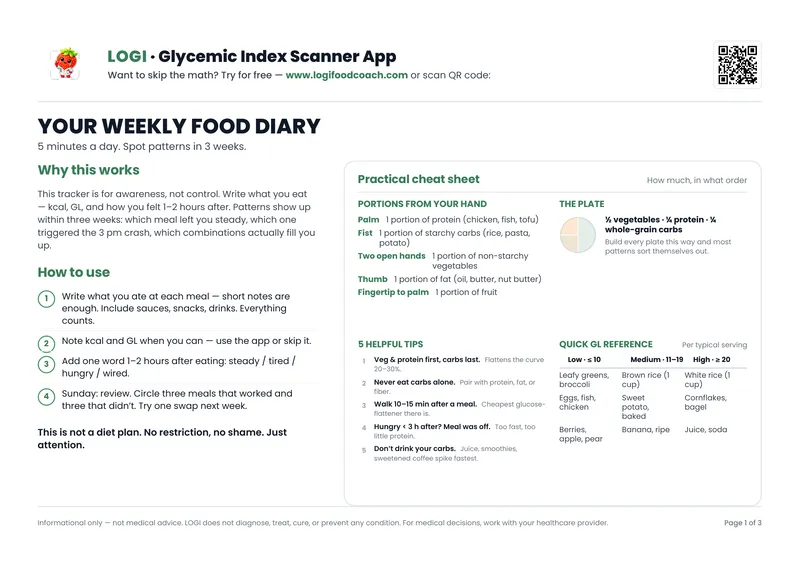
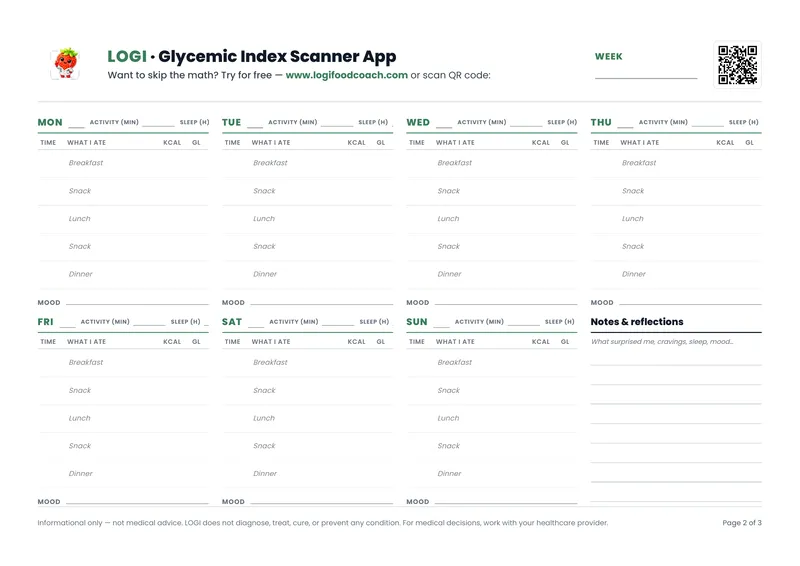
Free PDF — 3 pages
Your Weekly Food Journal
Track meals, glycemic load & mood. Spot patterns in 3 weeks.
No spam. Unsubscribe anytime.