Low-Glycemic Mexican Black Bean Casserole
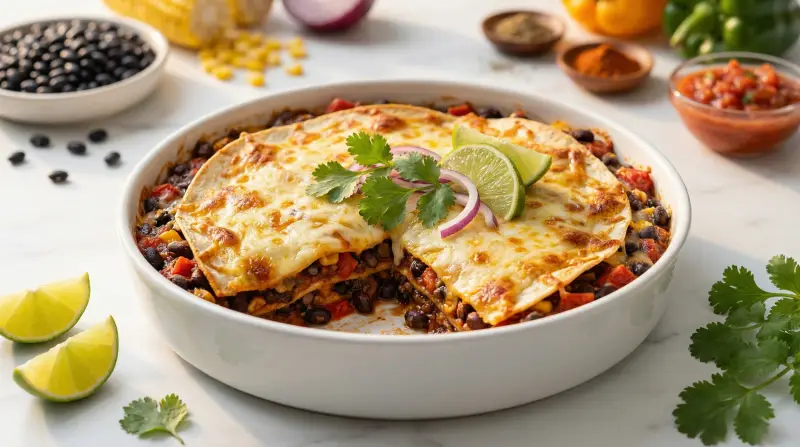
A blood sugar-friendly twist on Mexican comfort food, layering fiber-rich black beans with spiced tomatoes and cheese for steady energy without the spike.
This hearty Mexican-inspired casserole transforms pantry staples into a glycemic-friendly meal that won't send your blood sugar soaring. Black beans are a nutritional powerhouse with a low glycemic index of around 30, thanks to their exceptional fiber and resistant starch content that slows glucose absorption. Combined with protein-rich cheese and lycopene-packed tomatoes, this dish provides sustained energy without the crash. We've reimagined the traditional layered format by using whole grain or low-carb tortillas in moderation, focusing instead on the protein and fiber from beans as the star. The fajita spices not only add authentic Mexican flavor but contain compounds like cumin and chili that may help improve insulin sensitivity. Each serving delivers approximately 15g of fiber and 20g of protein, creating a balanced macronutrient profile that promotes stable blood sugar levels. For optimal glycemic control, pair this casserole with a large side salad eaten first, and consider topping with avocado, Greek yogurt, or fresh cilantro. The combination of soluble fiber from beans and healthy fats helps further moderate the glycemic response, making this an ideal dinner option for anyone managing their blood sugar. Each portion is approximately 350g, providing a satisfying meal that keeps blood glucose stable for 3-4 hours.
Blood Sugar Impact
Moderate blood sugar impact with a gradual rise due to the medium glycemic load. The fiber from black beans and protein from cheese will help slow glucose absorption, providing sustained energy for 3-4 hours without sharp spikes.
Blood Sugar Tips
- ✓ Eat a small salad or raw vegetables before the casserole to increase fiber intake and slow carbohydrate absorption
- ✓ Limit portion size to one serving and pair with additional non-starchy vegetables like lettuce, peppers, or cucumber
- ✓ Take a 10-15 minute walk after eating to help muscles absorb glucose and reduce post-meal blood sugar elevation
🥗 Ingredients
- 800 g black beans, drained and rinsed
- 35 g fajita seasoning mix
- 800 g chopped tomatoes with chili
- 6 pcs whole grain or low-carb tortillas
- 140 g Monterey Jack or cheddar cheese, grated
- 1.8 lb black beans, drained and rinsed
- 1.2 oz fajita seasoning mix
- 1.8 lb chopped tomatoes with chili
- 6 pcs whole grain or low-carb tortillas
- 4.9 oz Monterey Jack or cheddar cheese, grated
👨🍳 Instructions
- 1
Preheat your oven to 180°C (160°C fan/350°F/gas mark 4). Lightly coat a 2-liter baking dish with cooking spray or a small amount of olive oil to prevent sticking.
- 2
Place a large non-stick skillet over medium heat. Add the drained black beans and sugar-free fajita seasoning, stirring to coat the beans evenly with the spices. Cook for 1-2 minutes until fragrant, allowing the spices to bloom and release their aromatic compounds.
- 3
Pour the no-sugar-added canned tomatoes with chili into the skillet with the seasoned beans. Stir well to combine, then reduce heat to low. Let the mixture simmer gently for 10 minutes, stirring occasionally, until the sauce thickens slightly and the flavors meld together.
- 4
While the bean mixture simmers, cut each tortilla in half to create semi-circles. This makes layering easier and helps distribute the tortillas more evenly throughout the casserole.
- 5
Begin assembling the casserole: spread one-third of the bean and tomato mixture across the bottom of your prepared baking dish. Sprinkle approximately 45g of grated cheese over the beans, then arrange tortilla halves in a single layer on top, slightly overlapping if needed.
- 6
Repeat the layering process twice more: bean mixture, cheese (45g per layer), and tortillas. For the final layer, place tortilla halves on top and sprinkle with the remaining cheese (approximately 50g), ensuring even coverage for a golden, bubbly finish.
- 7
Transfer the assembled casserole to the preheated oven and bake for 15 minutes, until the cheese is melted, golden, and bubbling around the edges.
- 8
Remove from oven and let rest for 5 minutes before serving. This allows the layers to set slightly for easier portioning. Serve with a large green salad on the side, and top with avocado slices, Greek yogurt, or fresh cilantro for added nutrition and blood sugar stability.
📊 Nutrition Per Serving
| Per Serving | Whole Dish | |
|---|---|---|
| Calories | 665 | 2661 |
| Carbs | 97g | 387g |
| Sugars | 9g | 36g |
| Added Sugars | 1g | 3g |
| Natural Sugars | 8g | 34g |
| Protein | 35g | 140g |
| Fat | 16g | 64g |
| Saturated Fat | 8g | 31g |
| Unsaturated Fat | 8g | 31g |
| Fiber | 23g | 92g |
| Soluble Fiber | 2g | 7g |
| Insoluble Fiber | 4g | 15g |
| Sodium | 1912mg | 7648mg |
Predicted Glucose Response
What if you...
Estimated model — individual responses vary. Not medical advice.
🔄 Lower GI Swaps
Eliminating or reducing tortillas significantly lowers the glycemic load from 38.3 to approximately 18-22, making this an even better choice for tight blood sugar control. Lettuce wraps provide virtually no carbohydrates while adding extra fiber and micronutrients. Zucchini ribbons contribute additional water-soluble fiber that further slows glucose absorption. Cauliflower tortillas contain only 3-4g net carbs compared to 15-20g in whole grain tortillas, cutting the glycemic impact by more than half while maintaining the layered casserole structure.
While full-fat cheese has minimal glycemic impact, reducing saturated fat can improve insulin sensitivity over time. Part-skim mozzarella provides the same protein content with 30% less saturated fat. Queso fresco offers authentic flavor with a crumbly texture that distributes well throughout the casserole while containing less fat than aged cheeses. Nutritional yeast adds a cheesy, umami flavor with B-vitamins and only trace amounts of fat, allowing you to use less actual cheese while maintaining flavor satisfaction. These swaps maintain the protein content that helps stabilize blood sugar while supporting overall metabolic health.
Many canned tomato products contain added sugars that can increase the glycemic load by 5-8 points per serving. Using no-sugar-added varieties or fresh tomatoes eliminates this hidden source of fast-acting carbohydrates. Fresh jalapeños provide capsaicin, which has been shown to improve insulin sensitivity and increase thermogenesis. Fire-roasted tomatoes offer deeper flavor without added sugars, while fresh chili peppers contribute additional capsaicin and vitamin C. These swaps maintain the authentic Mexican flavor profile while ensuring the glycemic load stays in the moderate range and preventing unexpected blood sugar spikes from hidden sugars.
Commercial fajita seasoning mixes often contain added sugars, maltodextrin, or cornstarch as fillers, which can add 3-5g of fast-acting carbohydrates per serving and raise the glycemic load unexpectedly. Making your own blend ensures complete control over ingredients and eliminates these hidden sugars. Cumin contains compounds that may improve glucose metabolism and insulin sensitivity. Paprika provides antioxidants without impacting blood sugar. Garlic and onion powders add flavor complexity while contributing beneficial organosulfur compounds. This swap maintains the authentic Mexican flavor profile while keeping the glycemic impact predictable and eliminating unnecessary carbohydrate sources that could cause blood sugar variability.
🔬 The Science Behind This Recipe
Black beans are exceptional for blood sugar management due to their low glycemic index of 43 and high resistant starch content, which resists digestion in the small intestine and ferments in the colon, producing beneficial short-chain fatty acids. The 15g of fiber per serving slows gastric emptying and glucose absorption, while the 20g of protein triggers incretin hormone release that enhances insulin secretion. The fajita spices contain bioactive compounds like capsaicin from chili peppers and curcumin-related compounds from cumin that have been shown in studies to improve insulin sensitivity and reduce post-meal glucose spikes. The cheese provides casein protein that further moderates the glycemic response through delayed gastric emptying. When combined with the recommended side salad eaten first, the additional fiber creates a protective barrier in the digestive tract that blunts carbohydrate absorption. The moderate glycemic load of 38.3 per serving means this meal will raise blood sugar gradually over 3-4 hours rather than causing a sharp spike, making it suitable for people managing diabetes or insulin resistance when consumed as part of a balanced meal pattern.
Related recipes
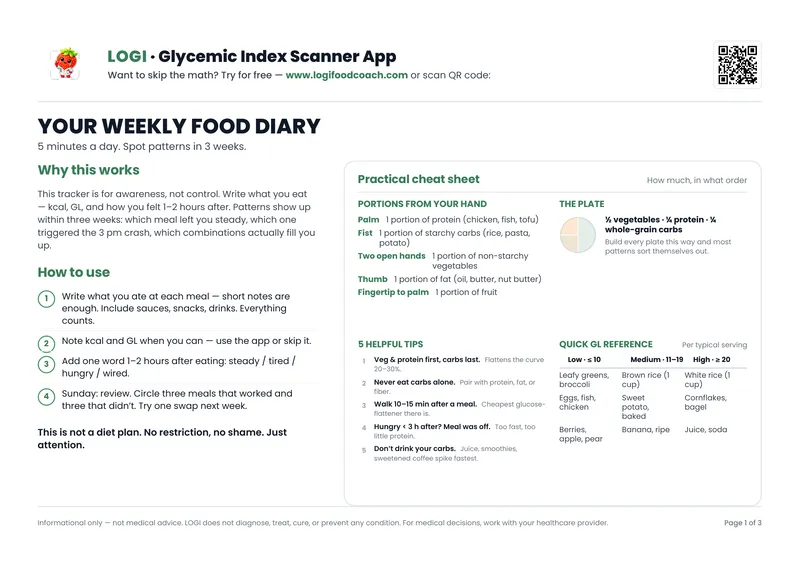
Free PDF — 3 pages
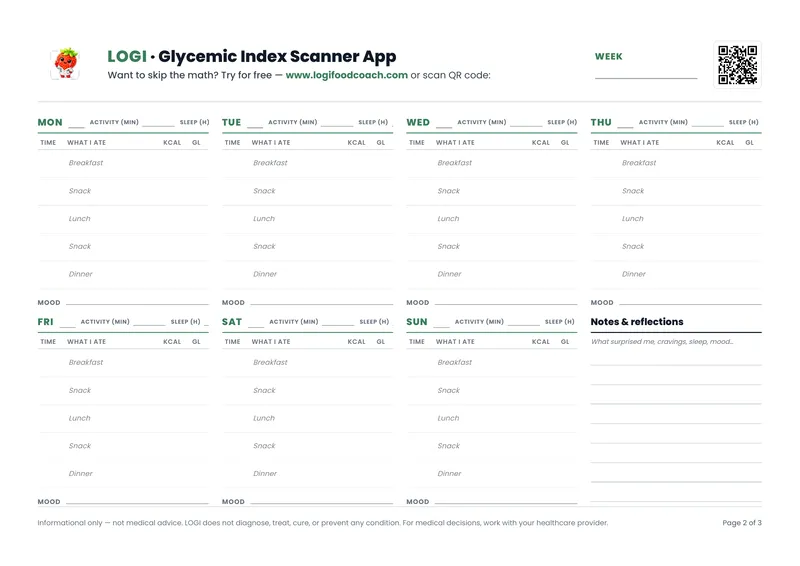
Your Weekly Food Journal
Track meals, glycemic load & mood. Spot patterns in 3 weeks.
No spam. Unsubscribe anytime.