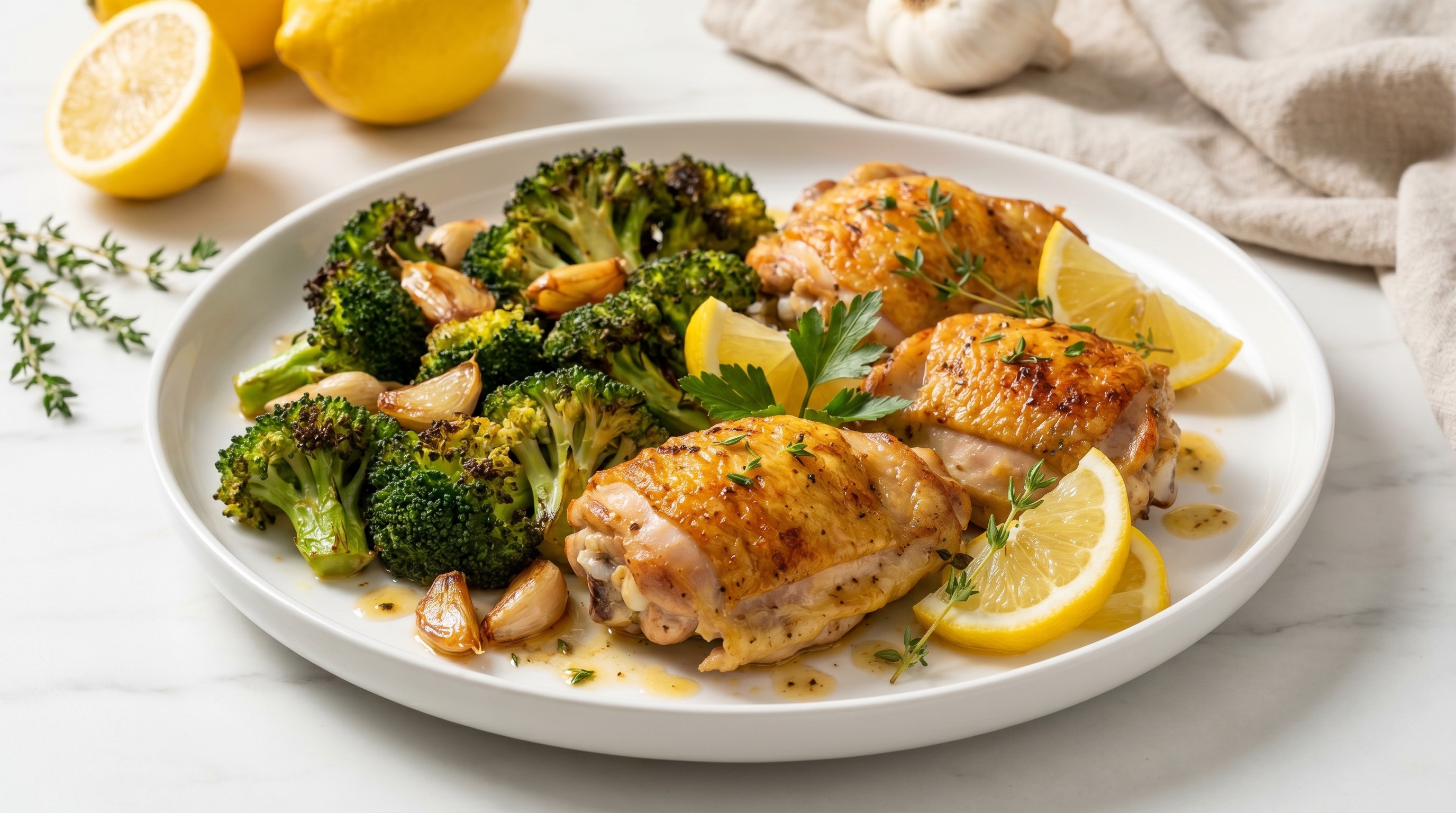
Lemon Garlic Chicken with Roasted Broccoli
Sheet-pan chicken and broccoli in bright lemon-garlic oil. Low-carb, protein-rich, and perfectly balanced for steady blood sugar with minimal prep.
This sheet-pan dinner is a blood sugar champion disguised as weeknight comfort food. Boneless chicken thighs deliver satisfying protein and healthy fats that slow glucose absorption, while broccoli—a non-starchy vegetable with virtually zero glycemic impact—adds fiber and volume without spiking insulin. The combination creates a perfectly balanced low-GI meal that keeps you full for hours.
The magic happens in the roasting process. As the chicken renders its fat, the broccoli florets drink up those savory juices while their edges caramelize and crisp. Fresh garlic and lemon zest create aromatic complexity, and olive oil provides heart-healthy monounsaturated fats that further moderate blood sugar response. Unlike grain-based meals that trigger rapid glucose spikes, this protein-and-vegetable pairing promotes stable energy levels throughout the evening.
For optimal glycemic control, eat the broccoli first—starting your meal with non-starchy vegetables primes your digestive system and blunts the glucose response from the protein that follows. This dish reheats beautifully, making it ideal for meal prep. Pair with a small portion of quinoa or cauliflower rice if desired, but the recipe stands perfectly complete on its own as a satisfying, blood-sugar-friendly dinner that proves healthy eating never has to feel like deprivation.
Blood Sugar Impact
Minimal blood sugar impact expected. This meal combines lean protein and fiber-rich vegetables with healthy fats, resulting in very slow glucose absorption and stable energy for 3-4 hours.
Blood Sugar Tips
- ✓ Eat the broccoli first to leverage fiber's blood sugar-blunting effect before consuming the chicken
- ✓ Take a 10-15 minute walk after eating to enhance glucose uptake by muscles
- ✓ Avoid adding high-glycemic sides like white rice or bread to maintain the meal's low glycemic profile
🥗 Ingredients
👨🍳 Instructions
- 1
Position your oven rack in the center and preheat to 210°C (410°F) fan-forced or 220°C (425°F) conventional. Prepare a large rimmed baking sheet by lining it with parchment paper.
- 2
In a large mixing bowl, whisk together the olive oil, minced garlic, lemon zest, and half of the fresh lemon juice. Season the mixture generously with salt and freshly ground black pepper, creating an aromatic marinade base.
- 3
Cut the chicken thighs into roughly equal 5-centimeter pieces to ensure even cooking. If using chicken breasts instead, you may leave them whole or halve them depending on thickness.
- 4
Add the chicken pieces and broccoli florets to the bowl with the lemon-garlic mixture. Toss everything thoroughly with your hands or tongs until every piece is evenly coated with the seasoned oil.
- 5
Arrange the chicken and broccoli in a single layer on your prepared baking sheet, ensuring pieces don't overlap or pile on top of each other. Proper spacing allows for browning and crisping—use a second tray if necessary.
- 6
Roast for 22 to 25 minutes, flipping the chicken and broccoli halfway through cooking. The chicken should reach an internal temperature of 74°C (165°F) and develop golden-brown edges, while the broccoli florets should have darkened, crispy tips.
- 7
Remove from the oven and immediately squeeze the remaining fresh lemon juice over the entire tray. Serve hot, eating the broccoli first for optimal blood sugar control, followed by the protein-rich chicken.
📊 Nutrition Per Serving
| Per Serving | Whole Dish | |
|---|---|---|
| Calories | 554 | 1108 |
| Carbs | 14g | 29g |
| Sugars | 3g | 7g |
| Natural Sugars | 3g | 7g |
| Protein | 40g | 80g |
| Fat | 40g | 79g |
| Saturated Fat | 9g | 18g |
| Unsaturated Fat | 28g | 57g |
| Fiber | 5g | 10g |
| Soluble Fiber | 2g | 3g |
| Insoluble Fiber | 3g | 7g |
| Sodium | 1374mg | 2748mg |
Predicted Glucose Response
What if you...
Estimated model — individual responses vary. Not medical advice.
🔄 Lower GI Swaps
Chicken breast has slightly less fat and more protein per serving, which can help slow glucose absorption and provide better satiety without adding carbohydrates.
While olive oil is excellent, avocado and macadamia oils have higher smoke points for roasting and similar blood sugar benefits, while coconut oil's MCTs may support more stable energy levels.
These alternatives have even lower glycemic loads than broccoli (GL of 1-2 vs 3) and provide similar fiber content to further minimize blood sugar impact.
🔬 The Science Behind This Recipe
Why This Recipe Keeps Your Blood Sugar Steady
This lemon garlic chicken with roasted broccoli is a blood sugar champion because it combines three powerful elements: lean protein, fiber-rich vegetables, and healthy fats. Chicken thighs provide high-quality protein that slows digestion and prevents the rapid glucose spikes you'd get from eating carbohydrates alone. When protein enters your digestive system, it triggers a slower, more gradual release of sugar into your bloodstream. The broccoli adds crucial fiber—about 5 grams per cup—which further slows carbohydrate absorption and helps your body process glucose more efficiently. Meanwhile, olive oil contributes healthy monounsaturated fats that not only delay stomach emptying but also improve insulin sensitivity over time.
The remarkably low glycemic load of 2.5 means this meal will have minimal impact on your blood sugar, even if you're managing diabetes or prediabetes. Glycemic load takes into account both the quality and quantity of carbohydrates in a meal, and since this recipe is primarily protein and non-starchy vegetables, it contains very few digestible carbs. The broccoli's carbohydrates are mostly fiber, which your body doesn't convert to glucose, keeping the overall glycemic response incredibly gentle.
To maximize the blood sugar benefits, eat your broccoli first, then the chicken. This "veggie-first" approach has been shown to reduce post-meal glucose spikes by up to 73% compared to eating carbs first. If you're adding a small portion of whole grains or sweet potato to round out the meal, save them for last and pair them with the remaining protein and fat. A 10-minute walk after eating can further enhance glucose uptake by your muscles, making this already blood-sugar-friendly meal even more effective.
Related recipes
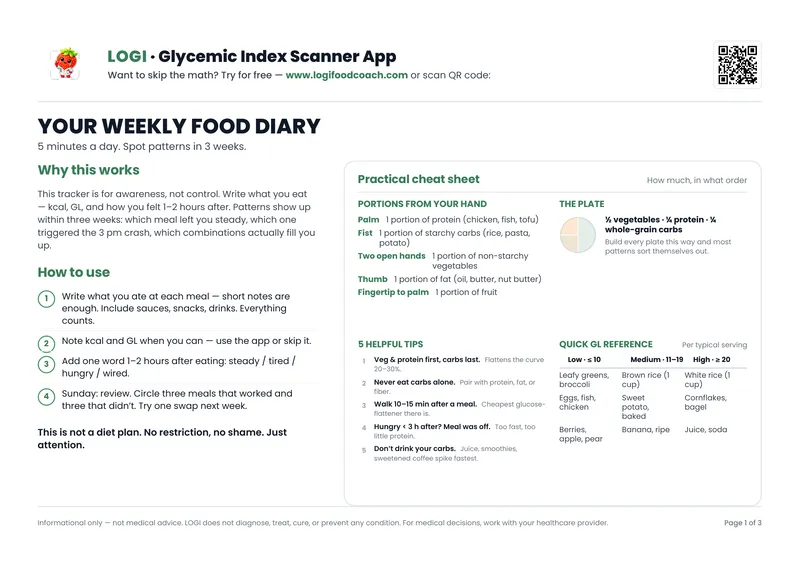
Free PDF — 3 pages
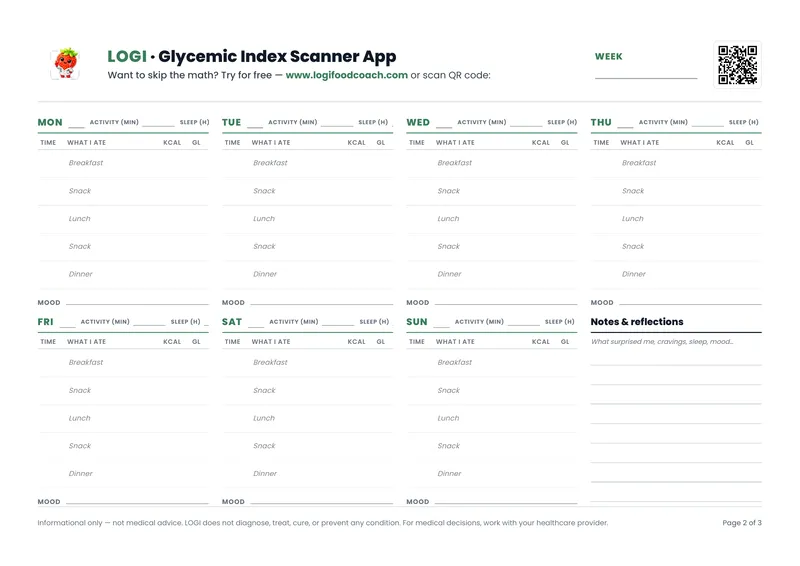
Your Weekly Food Journal
Track meals, glycemic load & mood. Spot patterns in 3 weeks.
No spam. Unsubscribe anytime.