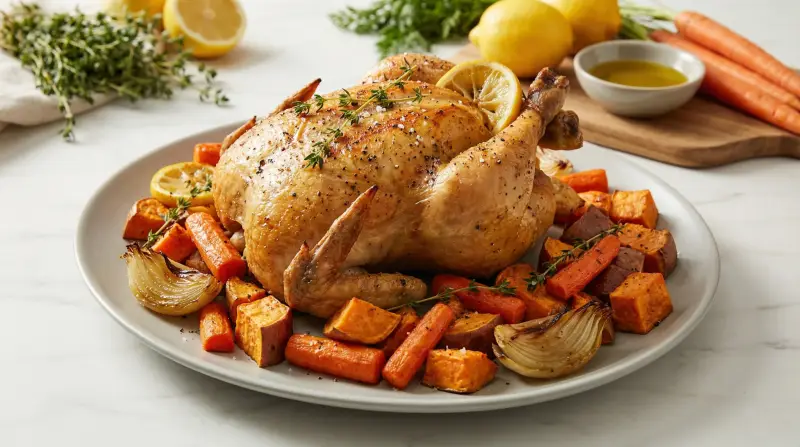
Herb-Roasted Chicken with Low-Glycemic Root Vegetables
Succulent roasted chicken paired with fiber-rich vegetables creates a blood sugar-friendly meal that's both satisfying and nutritious for diabetes management.
This wholesome one-pan roasted chicken dinner exemplifies how traditional comfort food can support stable blood sugar levels. By combining lean protein with low-glycemic vegetables like carrots and pumpkin, this recipe provides sustained energy without causing glucose spikes. The chicken offers high-quality protein that helps slow carbohydrate absorption, while the colorful array of roasted vegetables delivers essential fiber, vitamins, and antioxidants.
The strategic vegetable selection makes this dish particularly diabetes-friendly. While sweet potato has a moderate glycemic index, using controlled portions (50g per serving) alongside lower-GI vegetables like carrots, onions, and pumpkin creates a balanced plate. The addition of green peas provides plant-based protein and resistant starch, further moderating the meal's overall glycemic impact. Olive oil contributes heart-healthy monounsaturated fats that slow digestion and improve insulin sensitivity.
For optimal blood sugar management, serve the vegetables first or alongside the chicken rather than saving them for last. The fiber and volume from the roasted vegetables will help you feel satisfied with appropriate portions. Remove the chicken skin before eating to reduce saturated fat intake, and pair this meal with a large green salad to add even more fiber and nutrients. This recipe proves that eating for glycemic health doesn't mean sacrificing flavor or satisfaction.
Blood Sugar Impact
This meal will have a low to moderate blood sugar impact due to its low glycemic load (10.9) and moderate GI (43). Expect steady, sustained energy for 3-4 hours without significant spikes, as the protein and healthy fats from chicken and olive oil help slow carbohydrate absorption from the root vegetables.
Blood Sugar Tips
- ✓ Eat the chicken and non-starchy vegetables first before consuming the sweet potato and carrot to further slow glucose absorption
- ✓ Keep portion sizes of the root vegetables moderate (about 1/2 to 3/4 cup combined) to maintain the low glycemic load
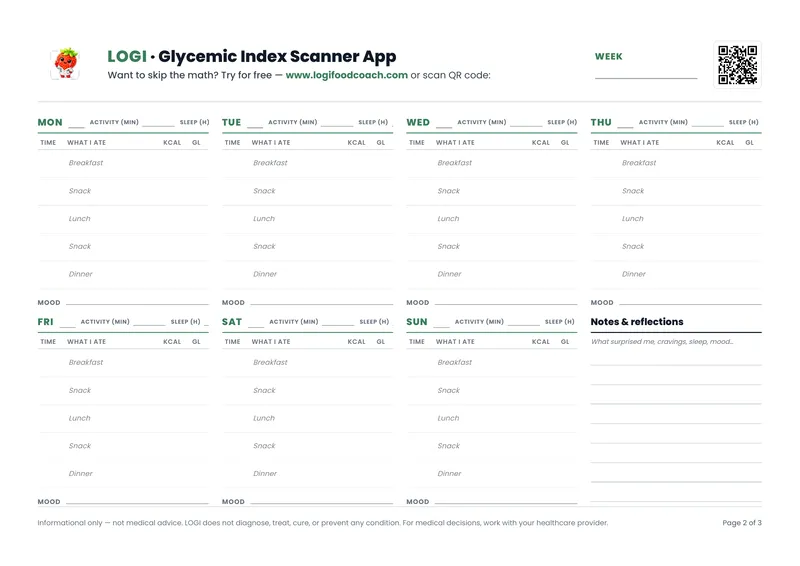
- ✓ Pair this meal with a 10-15 minute walk after eating to help muscles absorb glucose and prevent any minor blood sugar elevation
🥗 Ingredients
- 1.2 g whole chicken
- 1 tbsp olive oil for chicken
- 1 tsp dried thyme
- 1 tsp sea salt and black pepper
- 1 pcs lemon
- 200 g sweet potato, peeled and chopped
- 2 pcs carrots, peeled and chopped
- 1 pcs large onion, cut into wedges
- 1 cup pumpkin, chopped
- 1 tbsp olive oil for vegetables
- 1 cup frozen peas
- 2.6 lb whole chicken
- 1 tbsp olive oil for chicken
- 1 tsp dried thyme
- 1 tsp sea salt and black pepper
- 1 pcs lemon
- 7.1 oz sweet potato, peeled and chopped
- 2 pcs carrots, peeled and chopped
- 1 pcs large onion, cut into wedges
- 1 cup pumpkin, chopped
- 1 tbsp olive oil for vegetables
- 1 cup frozen peas
👨🍳 Instructions
- 1
Position your oven rack in the center and preheat to 180°C (350°F) fan-forced. Prepare a large non-stick roasting pan or line a regular roasting pan with parchment paper.
- 2
Remove the chicken from packaging and pat completely dry using paper towels, including the cavity. Place the chicken breast-side up in your prepared roasting pan.
- 3
Drizzle one tablespoon of olive oil over the chicken and massage it into the skin. Season generously with dried thyme, sea salt, and freshly ground black pepper. Squeeze the lemon halves slightly to release oils, then tuck both halves into the chicken cavity for aromatic flavor.
- 4
In a large mixing bowl, combine the chopped sweet potato, carrots, onion wedges, and pumpkin pieces. Drizzle with the remaining tablespoon of olive oil and toss until evenly coated. Season lightly with salt and pepper. Arrange the vegetables around the chicken in a single layer for even roasting.
- 5
Cover the entire roasting pan loosely with aluminum foil, creating a tent to trap moisture. Roast for 60 minutes, removing the pan halfway through to baste the chicken with its own juices using a spoon or baster.
- 6
After 60 minutes, carefully remove and discard the foil. Return the pan to the oven and continue roasting uncovered for an additional 30 minutes, until the chicken skin is golden brown and crispy, and the vegetables are tender and caramelized. The chicken is done when a meat thermometer inserted into the thickest part of the thigh reads 75°C (165°F), or when juices run clear.
- 7
Remove from the oven and tent the chicken loosely with foil. Allow it to rest for 10 minutes before carving—this redistributes the juices for more tender, flavorful meat.
- 8
While the chicken rests, steam or boil the frozen peas according to package directions, approximately 3-4 minutes until tender but still bright green. Drain well.
- 9
Carve the chicken into portions, removing the skin if desired for lower saturated fat content. Serve each portion with a generous helping of roasted vegetables (ensuring each serving contains approximately 50g sweet potato, 75g carrots, 75g pumpkin, and onion to taste) and steamed peas. For optimal blood sugar control, eat the vegetables first or simultaneously with the protein.
📊 Nutrition Per Serving
| Per Serving | Whole Dish | |
|---|---|---|
| Calories | 502 | 2009 |
| Carbs | 25g | 99g |
| Sugars | 8g | 33g |
| Natural Sugars | 8g | 33g |
| Protein | 73g | 291g |
| Fat | 12g | 48g |
| Saturated Fat | 2g | 9g |
| Unsaturated Fat | 10g | 38g |
| Fiber | 5g | 22g |
| Soluble Fiber | 1g | 5g |
| Insoluble Fiber | 3g | 11g |
| Sodium | 769mg | 3077mg |
Predicted Glucose Response
What if you...
Estimated model — individual responses vary. Not medical advice.
🔄 Lower GI Swaps
Sweet potato has a moderate glycemic index of 63-70. Cauliflower, turnip, and radish have negligible glycemic impact (GI near 0-15), dramatically reducing the overall glycemic load while maintaining the roasted root vegetable texture.
Cooked carrots have a higher glycemic index (around 39-47) due to their natural sugars. Zucchini and bell peppers have minimal glycemic impact (GI under 15), while celery root provides a similar earthy flavor with a much lower glycemic response.
Pumpkin has a moderate to high glycemic index (65-75 depending on variety). Eggplant, mushrooms, and Brussels sprouts have very low glycemic indices (under 15), providing substantial fiber and volume without raising blood sugar.
Green peas have a moderate glycemic index of 48-51 and higher carbohydrate content. Green beans, asparagus, and broccoli have minimal glycemic impact (GI 15 or below) with more fiber per carbohydrate, resulting in better blood sugar stability.
🔬 The Science Behind This Recipe
The Science Behind This Blood Sugar-Friendly Meal
This herb-roasted chicken dish exemplifies how combining the right ingredients creates a naturally low-glycemic meal that keeps your blood sugar steady. With a glycemic load of just 10.9 and an estimated GI of 43, this recipe demonstrates that satisfying, flavorful food can also be metabolically supportive. The secret lies in the synergy between lean protein, healthy fats, and the minimal carbohydrate content from low-glycemic root vegetables.
Chicken provides high-quality protein without any carbohydrates, which means it has virtually no impact on blood glucose levels. When you eat protein alongside any carbs in your meal, it slows down digestion and the release of glucose into your bloodstream, preventing those sharp spikes and crashes that leave you tired and hungry. The olive oil adds heart-healthy monounsaturated fats that further slow gastric emptying—essentially, your stomach takes longer to process the meal, resulting in a gradual, gentle rise in blood sugar rather than a sudden surge. This fat-protein combination is one of the most effective strategies for blood sugar management.
The beauty of this recipe is that it's naturally low in carbohydrates while being rich in nutrients and flavor. The herbs and lemon add antioxidants and flavor without adding sugar or starch. For optimal glucose control, pair this dish with non-starchy vegetables like roasted Brussels sprouts or a leafy green salad served first. Starting your meal with vegetables and then moving to the protein creates an even more favorable glucose response. A 10-15 minute walk after eating can further help your muscles absorb glucose, keeping levels stable and supporting your metabolic health throughout the day.
Related recipes
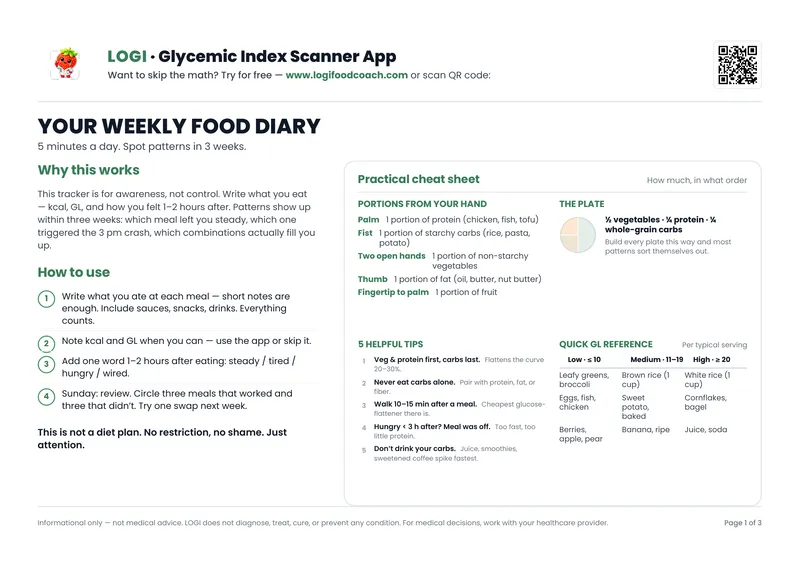
Free PDF — 3 pages
Your Weekly Food Journal
Track meals, glycemic load & mood. Spot patterns in 3 weeks.
No spam. Unsubscribe anytime.