Low-Glycemic Mexican Chicken Stew
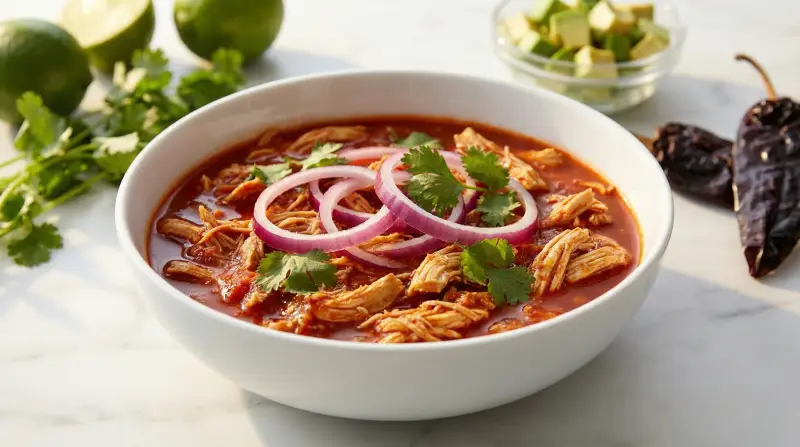
A blood sugar-friendly Mexican-inspired chicken stew with smoky chipotle, rich tomatoes, and tender shredded chicken that won't spike your glucose levels.
This vibrant Mexican-inspired chicken stew delivers bold, smoky flavors while keeping your blood sugar stable. Unlike traditional versions served over white rice, this recipe focuses on lean protein and fiber-rich vegetables that digest slowly, preventing glucose spikes. The chipotle paste adds depth without excess carbohydrates, while the tomato-based sauce provides lycopene and vitamin C.
Chicken breast is an excellent choice for glycemic control—it's pure protein with virtually no impact on blood sugar. The onions and garlic contain prebiotic fibers that support gut health and improve insulin sensitivity. This recipe uses a minimal amount of low-glycemic sweetener (erythritol or stevia) to balance the acidity of the tomatoes without affecting blood sugar. By skipping high-GI sides like white rice, this dish becomes a diabetes-friendly powerhouse.
For optimal blood sugar management, serve this stew with cauliflower rice instead of corn tortillas, or pair it with a large green salad eaten first. The protein-rich chicken will slow glucose absorption, and eating vegetables before the main dish has been shown to reduce post-meal blood sugar spikes by up to 30%. This one-pan wonder proves that managing your glycemic load doesn't mean sacrificing the bold, satisfying flavors you crave.
Blood Sugar Impact
This meal will have minimal blood sugar impact due to its low glycemic load of 3.5 and moderate GI of 47. Expect stable, sustained energy for 3-4 hours with no significant spike, thanks to the protein from chicken and fiber from vegetables.
Blood Sugar Tips
- ✓ Eat the cauliflower and vegetables first before the chicken to further slow glucose absorption through increased fiber intake
- ✓ Pair this meal with a 10-15 minute walk after eating to help muscles absorb glucose and maintain stable blood sugar levels
- ✓ Add extra non-starchy vegetables like bell peppers or zucchini to increase volume and fiber content without affecting the glycemic load
🥗 Ingredients
- 1 tbsp vegetable oil
- 1 pcs medium yellow onion, finely chopped
- 3 pcs garlic cloves, finely chopped
- 0.5 tsp dark brown sugar
- 1 tsp chipotle paste
- 400 g canned chopped tomatoes
- 4 pcs skinless, boneless chicken breasts
- 1 pcs small red onion, sliced into rings
- 0.25 cup fresh coriander leaves
- 400 g cauliflower rice, for serving
- 1 tbsp vegetable oil
- 1 pcs medium yellow onion, finely chopped
- 3 pcs garlic cloves, finely chopped
- 0.5 tsp dark brown sugar
- 1 tsp chipotle paste
- 14.1 oz canned chopped tomatoes
- 4 pcs skinless, boneless chicken breasts
- 1 pcs small red onion, sliced into rings
- 0.25 cup fresh coriander leaves
- 14.1 oz cauliflower rice, for serving
👨🍳 Instructions
- 1
Heat the vegetable oil in a medium-sized saucepan or deep skillet over medium heat until shimmering, about 2 minutes.
- 2
Add the finely chopped yellow onion to the pan and sauté for 5 minutes, stirring occasionally, until softened and beginning to turn golden at the edges.
- 3
Stir in the chopped garlic and cook for 1 additional minute until fragrant, being careful not to let it burn.
- 4
Add the erythritol or stevia, chipotle paste, and canned chopped tomatoes to the pan. Stir everything together until well combined, scraping up any browned bits from the bottom of the pan. The small amount of low-glycemic sweetener balances the acidity without impacting blood sugar.
- 5
Nestle the chicken breasts into the tomato sauce, spooning some of the sauce over the top of each piece. Bring to a gentle simmer, then reduce heat to low, cover, and cook for 20 minutes until the chicken is cooked through and reaches an internal temperature of 165°F (74°C). Add a splash of water if the sauce becomes too thick.
- 6
Remove the cooked chicken breasts from the pan and transfer to a cutting board. Using two forks, shred the chicken into bite-sized pieces by pulling the meat apart along the grain.
- 7
Return the shredded chicken to the sauce and stir well to coat every piece. Taste and adjust seasoning with salt and pepper if needed.
- 8
Serve the stew over cauliflower rice (prepared according to package directions), topped with sliced red onion rings and fresh coriander leaves. For best blood sugar control, eat a side salad first, then enjoy the protein-rich stew.
📊 Nutrition Per Serving
| Per Serving | Whole Dish | |
|---|---|---|
| Calories | 272 | 1087 |
| Carbs | 16g | 65g |
| Sugars | 8g | 31g |
| Added Sugars | 1g | 2g |
| Natural Sugars | 7g | 29g |
| Protein | 38g | 153g |
| Fat | 7g | 26g |
| Saturated Fat | 1g | 5g |
| Unsaturated Fat | 5g | 20g |
| Fiber | 4g | 18g |
| Soluble Fiber | 1g | 5g |
| Insoluble Fiber | 3g | 11g |
| Sodium | 129mg | 514mg |
Predicted Glucose Response
What if you...
Estimated model — individual responses vary. Not medical advice.
🔄 Lower GI Swaps
Brown sugar has a high glycemic index of 64 and causes rapid blood sugar spikes. These zero-calorie sweeteners have no impact on blood glucose levels while providing sweetness.
While oils don't directly affect blood sugar, extra virgin olive oil and avocado oil contain monounsaturated fats that improve insulin sensitivity and help stabilize post-meal glucose response better than refined vegetable oils.
Canned tomatoes sometimes contain added sugars that increase glycemic load. Using fire-roasted varieties without sugar or fresh tomatoes keeps the GL minimal while maintaining flavor.
While onions have a moderate glycemic index around 10-15, using leeks or reducing onion quantity slightly can lower the overall carbohydrate content without sacrificing the aromatic base of the stew.
🔬 The Science Behind This Recipe
Why This Stew Keeps Your Blood Sugar Steady
This Mexican Chicken Stew is a masterclass in blood sugar management, with a remarkably low glycemic load of just 3.5 per serving. The secret lies in its protein-forward foundation: chicken provides substantial protein that slows digestion and prevents the rapid glucose spikes associated with carb-heavy meals. When you eat protein alongside any carbohydrates, your body releases glucose into the bloodstream more gradually, creating a gentle rise rather than a sharp peak. The small amount of brown sugar (likely just a teaspoon or two for the entire pot) is diluted across multiple servings and buffered by all that protein, rendering its impact on blood sugar minimal.
The aromatics—onion and garlic—contribute fiber and beneficial compounds without adding significant carbohydrates. Fiber is your blood sugar's best friend because it forms a gel-like substance in your digestive tract that physically slows the absorption of glucose. The vegetable oil adds healthy fats that further delay stomach emptying, extending the time it takes for nutrients to enter your bloodstream. This combination of protein, fiber, and fat creates what nutritionists call a "balanced meal" that promotes stable energy levels for hours.
To maximize the blood sugar benefits of this stew, serve it over cauliflower rice instead of regular rice, or pair it with a side of leafy greens. If you do include traditional rice or tortillas, eat your stew first—consuming protein and vegetables before starches can reduce the glucose response by up to 40%. A short 10-15 minute walk after eating will help your muscles absorb glucose more efficiently, further smoothing out your blood sugar curve.
Related recipes
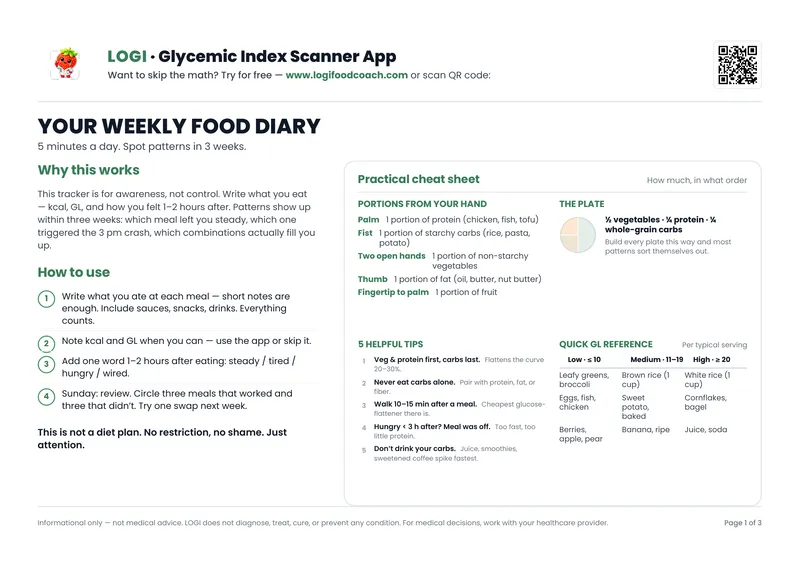
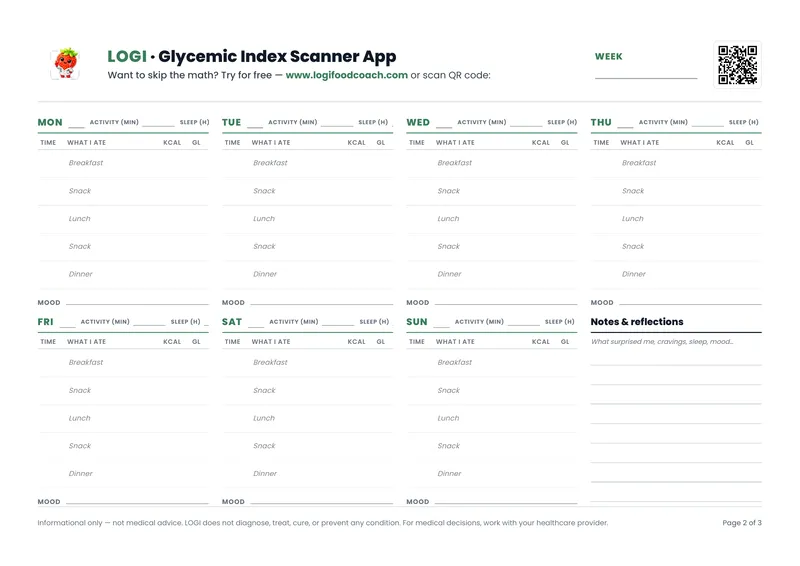
Free PDF — 3 pages
Your Weekly Food Journal
Track meals, glycemic load & mood. Spot patterns in 3 weeks.
No spam. Unsubscribe anytime.