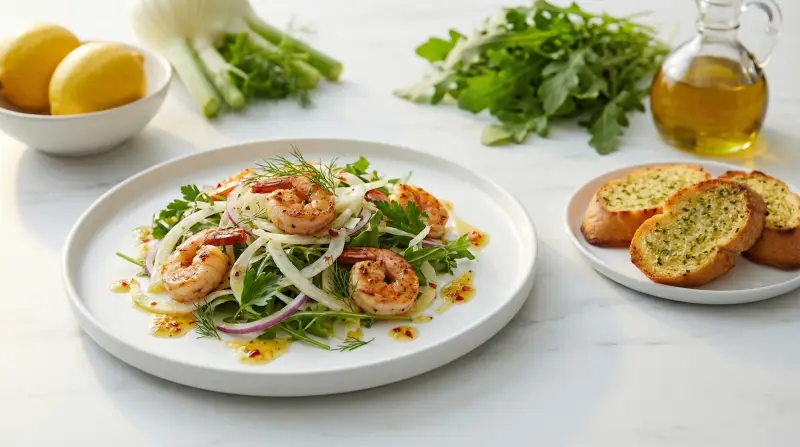
Mediterranean Prawn Salad with Lemon-Chili Dressing
A vibrant, blood sugar-friendly seafood salad featuring succulent prawns, crisp fennel, and peppery rocket tossed in a zesty lemon dressing—ready in just 15 minutes.
This Mediterranean-inspired prawn salad is a masterclass in low-glycemic eating that doesn't compromise on flavor. Prawns provide lean protein with virtually zero impact on blood sugar, while the generous serving of rocket and fennel delivers fiber and phytonutrients that help moderate glucose absorption. The fennel adds a delightful aniseed crunch and contains compounds that may support healthy insulin function.
The beauty of this dish lies in its simplicity and glycemic wisdom. By building your meal around protein-rich prawns and non-starchy vegetables, you create a satisfying plate that keeps blood sugar stable for hours. The extra-virgin olive oil provides healthy monounsaturated fats that further slow digestion and enhance nutrient absorption. Red onions, while adding a sharp bite, contain quercetin—a flavonoid that has been studied in research for its potential role in glucose metabolism.
For optimal glycemic control, enjoy this salad as your main course. The lemon juice not only brightens the flavors but may also help blunt the glycemic response of any carbohydrates in your meal through its acidity. This is the kind of nourishing, Mediterranean-style eating that supports stable energy and long-term metabolic health. If you want to make this more substantial, pair it with a small portion of quinoa or chickpeas rather than bread to maintain the low-glycemic profile, or add toasted almonds for extra crunch and healthy fats.
Blood Sugar Impact
Low to moderate impact with a gradual, controlled rise in blood sugar. The combination of protein from shrimp, healthy fats from olive oil, and fiber from vegetables should provide stable energy for 3-4 hours, though the garlic bread will cause a modest glucose elevation.
Blood Sugar Tips
- ✓ Eat the shrimp and vegetable salad first before consuming the garlic bread to slow glucose absorption
- ✓ Limit the garlic bread to one small piece or skip it entirely to keep the meal very low glycemic
- ✓ Take a 10-15 minute walk after eating to help muscles absorb glucose and blunt any spike from the bread
🥗 Ingredients
- 45 ml juice of 1 lemon
- 60 ml extra-virgin olive oil
- 0.5 g dried chilli flakes
- 1 pcs red onion, thinly sliced
- 1 pcs fennel bulb, thinly sliced
- 40 g rocket (arugula)
- 200 g cooked prawns (shrimp)
- 2 pcs garlic bread, to serve (optional)
- 3 tbsp juice of 1 lemon
- 4 tbsp extra-virgin olive oil
- 0.0 oz dried chilli flakes
- 1 pcs red onion, thinly sliced
- 1 pcs fennel bulb, thinly sliced
- 1.4 oz rocket (arugula)
- 7.1 oz cooked prawns (shrimp)
- 2 pcs garlic bread, to serve (optional)
👨🍳 Instructions
- 1
Squeeze the lemon juice into a large mixing bowl, removing any seeds.
- 2
Whisk in the extra-virgin olive oil and add a generous pinch of dried chilli flakes to create an emulsified dressing.
- 3
Add the thinly sliced red onion and fennel to the dressing, tossing well to coat. Let this mixture sit for 7-8 minutes to allow the vegetables to soften slightly and absorb the flavors while the acidity mellows their sharpness.
- 4
While the vegetables marinate, pat the cooked prawns dry with paper towels if they seem wet, ensuring they will absorb the dressing properly.
- 5
Add the rocket leaves to the bowl with the marinated vegetables and toss gently to combine.
- 6
Fold in the prawns, distributing them evenly throughout the salad.
- 7
Season with sea salt and freshly ground black pepper to taste, adjusting the flavors as needed.
- 8
Divide the salad between two serving plates and serve immediately. For optimal blood sugar control, enjoy the salad on its own as a complete meal, or pair with a small portion of cooked quinoa or chickpeas if you need additional substance. Alternatively, sprinkle with toasted almonds or serve with seed crackers for added texture and healthy fats.
📊 Nutrition Per Serving
| Per Serving | Whole Dish | |
|---|---|---|
| Calories | 608 | 1215 |
| Carbs | 36g | 73g |
| Sugars | 9g | 17g |
| Added Sugars | 1g | 1g |
| Natural Sugars | 8g | 16g |
| Protein | 30g | 60g |
| Fat | 40g | 79g |
| Saturated Fat | 8g | 16g |
| Unsaturated Fat | 31g | 61g |
| Fiber | 6g | 12g |
| Soluble Fiber | 0g | 1g |
| Insoluble Fiber | 1g | 2g |
| Sodium | 491mg | 981mg |
Predicted Glucose Response
What if you...
Estimated model — individual responses vary. Not medical advice.
🔄 Lower GI Swaps
Garlic bread is made from refined white flour with a high glycemic index (approximately 75) that causes rapid blood sugar spikes. The suggested alternatives provide satisfying crunch and substance while maintaining low glycemic impact: almonds offer healthy fats and protein with virtually no effect on blood sugar, seed crackers provide fiber and omega-3 fatty acids, and quinoa is a complete protein with a moderate GI of 53 that won't destabilize glucose levels.
While red onion adds excellent flavor and contains beneficial quercetin, it can be problematic for those with sensitive digestion. Scallions provide a milder onion flavor with less impact on digestion, shallots offer a sweet and subtle taste, and chives deliver onion essence without the intensity. All alternatives maintain the low glycemic profile of the original recipe.
If fennel is unavailable or you dislike the anise flavor, these alternatives provide similar crunch and freshness. Celery offers a mild, slightly peppery taste with excellent fiber content, cucumber adds cooling freshness and hydration, and radishes provide a peppery bite with compounds that may support healthy glucose metabolism. All options are extremely low in carbohydrates and have minimal impact on blood sugar.
Any leafy green works beautifully in this salad while maintaining the low glycemic profile. Baby spinach offers a milder flavor with excellent nutrient density, watercress provides a peppery bite similar to rocket with additional vitamin C, and mixed greens offer variety in texture and taste. All options are virtually carbohydrate-free and rich in fiber and micronutrients that support metabolic health.
🔬 The Science Behind This Recipe
This prawn salad is designed for exceptional blood sugar control through strategic ingredient selection. Prawns are pure protein with a glycemic index of zero, meaning they have no direct impact on blood glucose levels while providing satiety and supporting stable energy. The combination of rocket and fennel delivers both soluble and insoluble fiber, which slows the absorption of any carbohydrates in the meal and promotes a gradual, controlled glucose response. Fennel contains anethole and other bioactive compounds that have been investigated in scientific literature for their potential effects on insulin signaling pathways, though more research is needed to confirm these benefits in humans. The extra-virgin olive oil provides oleic acid and polyphenols that support insulin sensitivity and reduce post-meal glucose spikes by slowing gastric emptying. Red onions contribute quercetin, a flavonoid antioxidant that has demonstrated promising effects on glucose metabolism in laboratory studies, though portion control is important as onions do contain natural sugars. The lemon juice adds acetic acid, which research suggests may help reduce the glycemic impact of meals by improving insulin sensitivity and slowing carbohydrate digestion. This recipe achieves a low glycemic load by eliminating refined carbohydrates entirely and focusing on protein, healthy fats, and non-starchy vegetables—the foundation of sustainable blood sugar management.
Related recipes
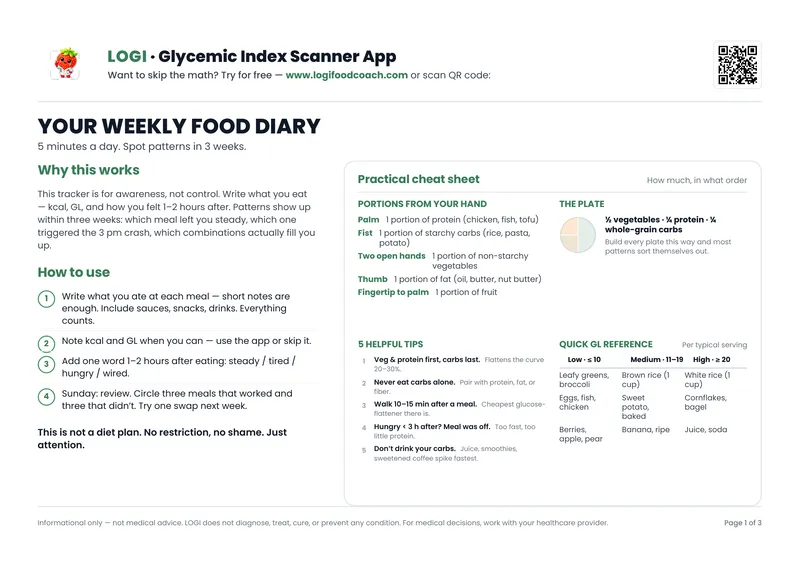
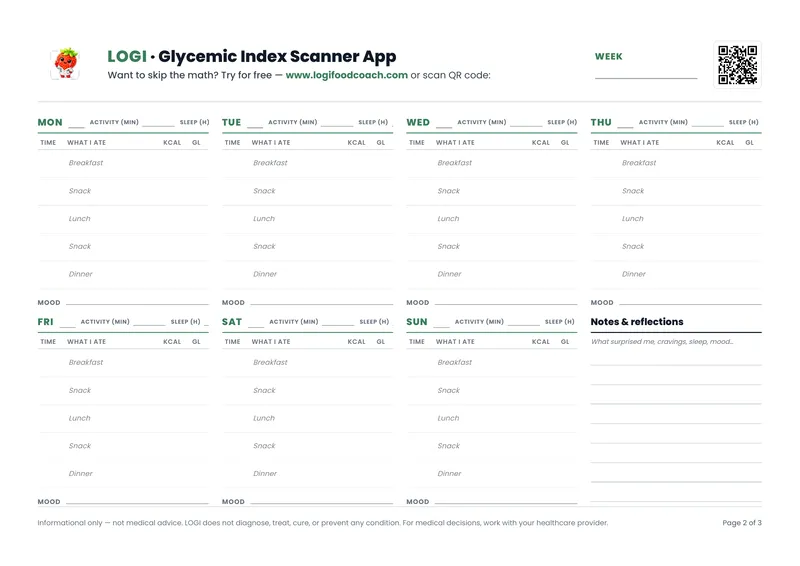
Free PDF — 3 pages
Your Weekly Food Journal
Track meals, glycemic load & mood. Spot patterns in 3 weeks.
No spam. Unsubscribe anytime.