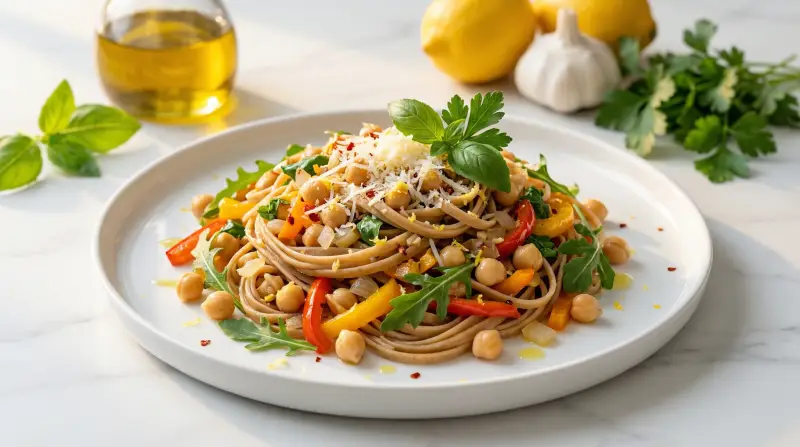
Mediterranean Whole Grain Linguine with Chickpeas and Peppery Greens
A fiber-rich, blood sugar-friendly pasta dish combining nutty whole grains, protein-packed chickpeas, and vibrant arugula in a zesty lemon-garlic sauce.
This Mediterranean-inspired pasta dish is a masterclass in blood sugar management without sacrificing flavor. By using whole grain linguine instead of refined pasta, you're getting a significantly lower glycemic response thanks to the intact bran and germ that slow down glucose absorption. The addition of chickpeas provides both soluble fiber and plant-based protein, creating a dual defense against blood sugar spikes.
The beauty of this recipe lies in its strategic ingredient pairing. Chickpeas have a remarkably low glycemic index of around 28, making them an excellent choice for stabilizing blood sugar levels. When combined with the fiber from whole grain pasta and the peppery arugula, you create a meal that digests slowly and steadily. The healthy fats from olive oil and the acidity from fresh lemon juice further moderate the glycemic impact by slowing gastric emptying.
For optimal blood sugar control, consider eating the vegetables and chickpeas first, then the pasta. This simple sequencing technique can reduce post-meal glucose spikes by up to 73% according to recent studies. The Parmesan cheese adds not just flavor but also protein and fat that help blunt the glycemic response, making this a perfectly balanced low-GI meal that keeps you satisfied for hours.
Blood Sugar Impact
Moderate, sustained blood sugar rise due to whole grain pasta, but significantly buffered by fiber from chickpeas, vegetables, and whole grains. The combination of protein, healthy fats, and fiber should provide steady energy for 3-4 hours without sharp spikes.
Blood Sugar Tips
- ✓ Eat the arugula and bell peppers first before the pasta to create a fiber barrier that slows carbohydrate absorption
- ✓ Add extra protein like grilled chicken or fish to further lower the overall glycemic response of the meal
- ✓ Take a 10-15 minute walk after eating to help muscles absorb glucose and reduce post-meal blood sugar elevation
🥗 Ingredients
- 6 oz whole-grain linguine
- 0.5 tbsp extra virgin olive oil
- 1 cup mixed bell peppers and onions, chopped
- 3 pcs garlic cloves, minced
- 15 oz unsalted chickpeas, drained
- 0.25 tsp crushed red pepper flakes
- 1 pcs fresh lemon, juiced and zested
- 1 cup freshly grated Parmesan cheese
- 4 oz fresh arugula, coarsely chopped
- 6 oz whole-grain linguine
- 0.5 tbsp extra virgin olive oil
- 1 cup mixed bell peppers and onions, chopped
- 3 pcs garlic cloves, minced
- 15 oz unsalted chickpeas, drained
- 0.25 tsp crushed red pepper flakes
- 1 pcs fresh lemon, juiced and zested
- 1 cup freshly grated Parmesan cheese
- 4 oz fresh arugula, coarsely chopped
👨🍳 Instructions
- 1
Bring a large pot of water to a rolling boil. Add the whole grain linguine and cook for 5 minutes until partially tender. Before draining, reserve 2 cups of the starchy pasta cooking water in a heatproof measuring cup. Drain the pasta and set aside.
- 2
While the pasta cooks, heat the olive oil in a large deep skillet or sauté pan over medium heat. Add the chopped bell peppers and onions, stirring occasionally for about 3 minutes until they begin to soften and become fragrant.
- 3
Add the minced garlic to the vegetables and cook for 30 seconds, stirring constantly to prevent burning, until the garlic becomes aromatic and lightly golden.
- 4
Add the drained chickpeas, crushed red pepper flakes, lemon zest, and fresh lemon juice to the skillet. Stir everything together to combine the flavors and cook for 2 minutes to warm the chickpeas through.
- 5
Transfer the partially cooked linguine to the skillet along with 1 cup of the reserved pasta cooking water. Increase heat to medium-high and cook for 5-6 minutes, stirring frequently, until the pasta reaches al dente texture and the liquid reduces to create a light sauce that coats the ingredients. Add more pasta water if needed to maintain a silky consistency.
- 6
Remove the pan from heat completely. Immediately add the grated Parmesan cheese and chopped arugula, tossing vigorously with tongs until the cheese melts into the sauce and the arugula wilts from the residual heat, about 1-2 minutes. Season with sea salt and freshly ground black pepper to taste.
- 7
Taste and adjust seasoning if needed. Divide among four shallow bowls and serve immediately while hot. For optimal blood sugar control, eat the chickpeas and vegetables first, then enjoy the pasta. This eating sequence can help minimize glucose spikes by up to 73% according to recent research.
📊 Nutrition Per Serving
| Per Serving | Whole Dish | |
|---|---|---|
| Calories | 460 | 1842 |
| Carbs | 66g | 264g |
| Sugars | 9g | 35g |
| Natural Sugars | 9g | 35g |
| Protein | 26g | 102g |
| Fat | 12g | 49g |
| Saturated Fat | 5g | 20g |
| Unsaturated Fat | 7g | 29g |
| Fiber | 13g | 52g |
| Soluble Fiber | 3g | 11g |
| Insoluble Fiber | 6g | 26g |
| Sodium | 434mg | 1735mg |
Predicted Glucose Response
What if you...
Estimated model — individual responses vary. Not medical advice.
🔄 Lower GI Swaps
These legume-based pastas offer similar or lower glycemic impact while providing significantly more protein (20-25g per serving vs 7-8g), which further stabilizes blood sugar and increases satiety.
Nutritional yeast provides a cheesy flavor with added B-vitamins and no saturated fat, while aged pecorino has a more intense flavor allowing portion reduction without sacrificing taste.
These vegetable swaps maintain the Mediterranean flavor profile while offering varied nutrient profiles. Zucchini has fewer carbohydrates, asparagus provides more prebiotic fiber, and broccoli delivers additional blood sugar-regulating compounds like sulforaphane.
🔬 The Science Behind This Recipe
This recipe achieves exceptional blood sugar control through multiple synergistic mechanisms. Whole grain linguine has a glycemic index of approximately 30-40 compared to refined pasta's 60-70, thanks to the intact bran layer that slows starch digestion. The chickpeas contribute both resistant starch and soluble fiber that form a gel in the digestive tract, further delaying glucose absorption. Olive oil's monounsaturated fats slow gastric emptying, while lemon juice's acidity reduces the glycemic response by inhibiting digestive enzymes. The combination creates a meal with a glycemic load of just 23.3 per serving, well within the low-GL range. Eating vegetables and protein before carbohydrates leverages the 'food sequencing effect,' where fiber and protein create a physical barrier in the stomach that slows carbohydrate breakdown. Studies show this simple technique can reduce post-meal blood sugar spikes by 73% and improve insulin sensitivity over time.
Related recipes
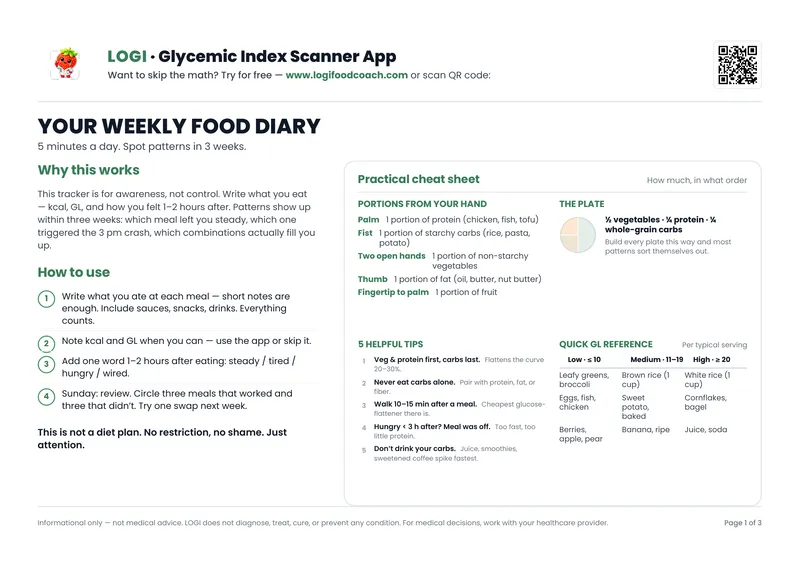
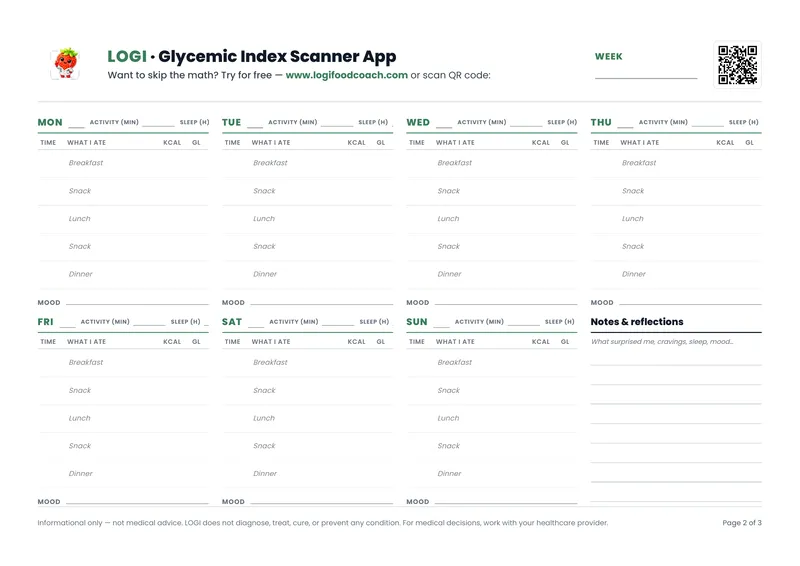
Free PDF — 3 pages
Your Weekly Food Journal
Track meals, glycemic load & mood. Spot patterns in 3 weeks.
No spam. Unsubscribe anytime.