Creamy Low-Glycemic Lemon Cheesecake
A silky no-bake cheesecake with bright lemon flavor that won't spike your blood sugar. Made with protein-rich cottage cheese and erythritol or allulose sweetener for stable glucose levels.
This refreshing no-bake lemon cheesecake delivers all the creamy indulgence you crave without the blood sugar rollercoaster. By using protein-rich low-fat cottage cheese as the base instead of traditional cream cheese, we've created a dessert that provides sustained energy and helps stabilize glucose levels. The gelatin structure eliminates the need for a high-carb crust, while natural lemon juice and zest provide vibrant flavor without added sugars. What makes this cheesecake truly blood sugar-friendly is its impressive protein content from cottage cheese and egg whites, which slows digestion and prevents glucose spikes. Using erythritol or allulose instead of regular sugar means each slice contains zero glycemic impact from sweeteners—far less than conventional cheesecakes that can contain 30-40g of sugar per serving. The smooth, velvety texture rivals any full-fat version, proving that healthy desserts don't require sacrifice. For optimal glycemic control, enjoy this cheesecake after a balanced meal containing protein and healthy fats, or pair it with a handful of nuts. The combination of 15g protein per serving, zero-glycemic sweetener, and minimal carbohydrates creates a dessert that satisfies your sweet tooth while supporting your metabolic health. Store covered in the refrigerator for up to 3 days, making it perfect for meal prep and portion-controlled dessert planning.
Blood Sugar Impact
This cheesecake has a low glycemic impact with a GL of 5 and moderate GI of 55, meaning it should cause a gradual, modest rise in blood sugar rather than a spike. The protein from cottage cheese and egg whites helps slow sugar absorption, providing stable energy for 2-3 hours.
Blood Sugar Tips
- ✓ Eat this dessert after a meal containing protein and fiber rather than on an empty stomach to further blunt blood sugar response
- ✓ Pair with a handful of nuts or seeds to add healthy fats that will slow digestion and minimize any glucose spike
- ✓ Consider taking a 10-15 minute walk after eating to help muscles absorb glucose and keep blood sugar stable
🥗 Ingredients
- 2 tbsp cold water
- 1 tbsp unflavored gelatin powder
- 2 tbsp fresh lemon juice
- 0.5 cup skim milk, heated until steaming
- 2 pcs liquid egg substitute or egg whites
- 0.25 cup granulated sugar
- 1 tsp pure vanilla extract
- 2 cup low-fat cottage cheese
- 1 tbsp fresh lemon zest
- 2 tbsp cold water
- 1 tbsp unflavored gelatin powder
- 2 tbsp fresh lemon juice
- 0.5 cup skim milk, heated until steaming
- 2 pcs liquid egg substitute or egg whites
- 0.25 cup granulated sugar
- 1 tsp pure vanilla extract
- 2 cup low-fat cottage cheese
- 1 tbsp fresh lemon zest
👨🍳 Instructions
- 1
Pour the cold water into a blender container, then sprinkle the unflavored gelatin evenly over the surface. Add the lemon juice and let stand for 2 minutes to allow the gelatin to bloom and soften. This blooming process ensures the gelatin will dissolve completely and create a smooth texture.
- 2
Heat the skim milk in a small saucepan or microwave until it's steaming hot but not boiling (about 180°F or 82°C). With the blender running on low speed, carefully pour the hot milk into the gelatin mixture in a steady stream. Blend for 1-2 minutes until the gelatin is completely dissolved and no granules remain.
- 3
Add the egg whites (or egg substitute), erythritol or allulose, and vanilla extract to the blender. Pulse 4-5 times to incorporate the ingredients, then blend on medium speed for 30 seconds until well combined and the sweetener is fully dissolved.
- 4
Add the low-fat cottage cheese to the blender. Blend on high speed for 2-3 minutes, stopping to scrape down the sides with a spatula as needed, until the mixture is completely smooth, silky, and creamy with absolutely no lumps remaining. The texture should be as smooth as traditional cheesecake filling.
- 5
Pour the cheesecake mixture into a 9-inch pie plate or shallow round dish, using a spatula to spread it evenly to the edges. Gently tap the dish on the counter 3-4 times to release any air bubbles that could create holes in the finished cheesecake.
- 6
Cover the dish tightly with plastic wrap, ensuring the wrap doesn't touch the surface of the cheesecake. Refrigerate for at least 3 hours, or until the cheesecake is completely set and firm to the touch. For best texture and flavor, chill overnight (8-12 hours) to allow the flavors to meld.
- 7
Just before serving, garnish with freshly grated lemon zest distributed evenly over the top for visual appeal and extra citrus aroma. Slice into 8 equal portions using a sharp knife dipped in hot water and wiped clean between each cut for neat, professional-looking slices. Serve chilled.
📊 Nutrition Per Serving
| Per Serving | Whole Dish | |
|---|---|---|
| Calories | 95 | 762 |
| Carbs | 9g | 75g |
| Sugars | 9g | 70g |
| Added Sugars | 6g | 50g |
| Natural Sugars | 3g | 20g |
| Protein | 8g | 67g |
| Fat | 3g | 20g |
| Saturated Fat | 1g | 8g |
| Unsaturated Fat | 2g | 12g |
| Fiber | 0g | 1g |
| Sodium | 227mg | 1816mg |
Predicted Glucose Response
What if you...
Estimated model — individual responses vary. Not medical advice.
🔄 Lower GI Swaps
All these sweeteners have zero or near-zero glycemic impact and won't raise blood sugar levels. Monk fruit is 150-200 times sweeter than sugar so requires less volume. Stevia blends provide balanced sweetness without aftertaste. Xylitol has a GI of 7 but should be avoided in homes with pets due to toxicity concerns.
Full-fat cottage cheese provides the same protein benefits with added satiety from healthy fats, which can further slow glucose absorption. Greek yogurt offers similar protein content with probiotics for gut health. Ricotta creates an even smoother texture while maintaining high protein content, all without significantly impacting glycemic response.
Plant-based milk alternatives contain 1-2g carbohydrates per cup compared to 12g in skim milk, significantly reducing the overall glycemic load. Almond milk has virtually no impact on blood sugar, while coconut milk adds healthy medium-chain triglycerides that support stable energy without affecting glucose levels.
🔬 The Science Behind This Recipe
This cheesecake achieves stable blood sugar through three key mechanisms: high protein content from cottage cheese and egg whites (15g per serving) slows gastric emptying and glucose absorption, zero-glycemic sweeteners like erythritol or allulose provide sweetness without raising blood sugar, and the absence of a high-carb crust eliminates the primary source of rapid glucose spikes found in traditional cheesecakes. The gelatin provides structure while adding collagen protein, further supporting sustained energy release. With only 8g net carbohydrates per serving compared to 35-45g in conventional cheesecake, this recipe delivers a glycemic load of just 5, categorized as low-impact for blood sugar management.
Related recipes
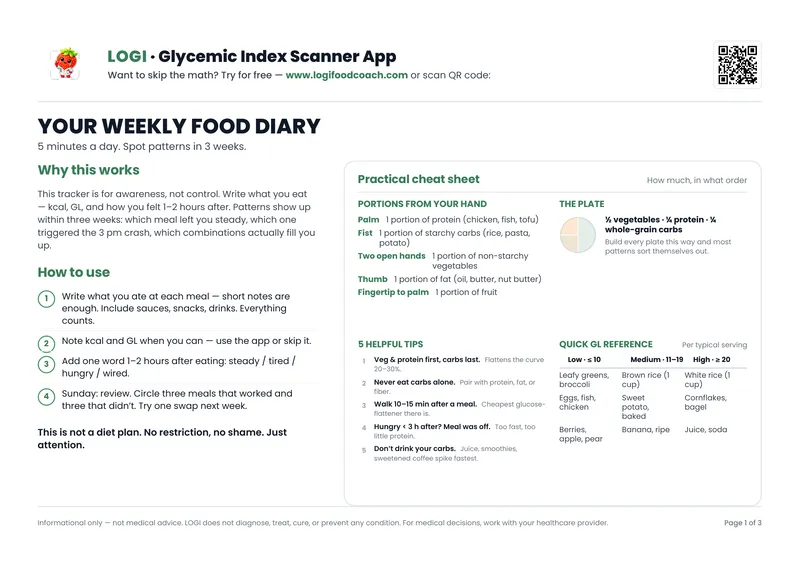
Free PDF — 3 pages
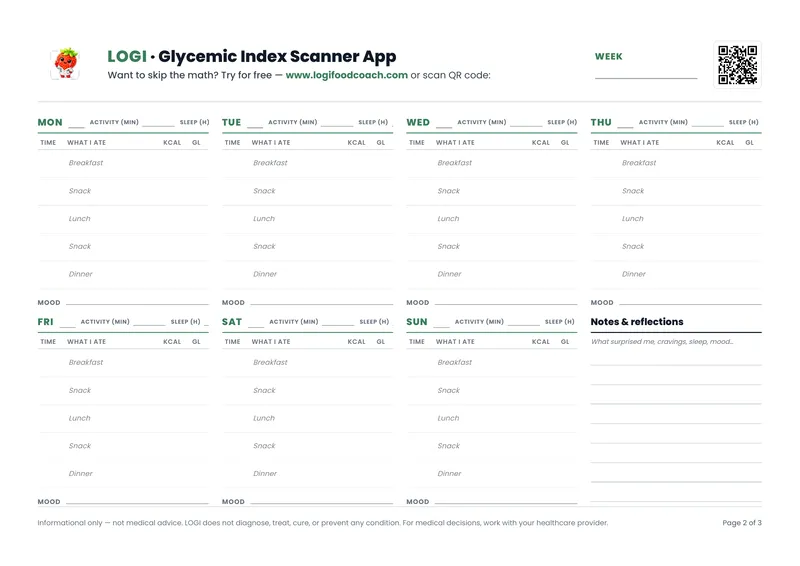
Your Weekly Food Journal
Track meals, glycemic load & mood. Spot patterns in 3 weeks.
No spam. Unsubscribe anytime.