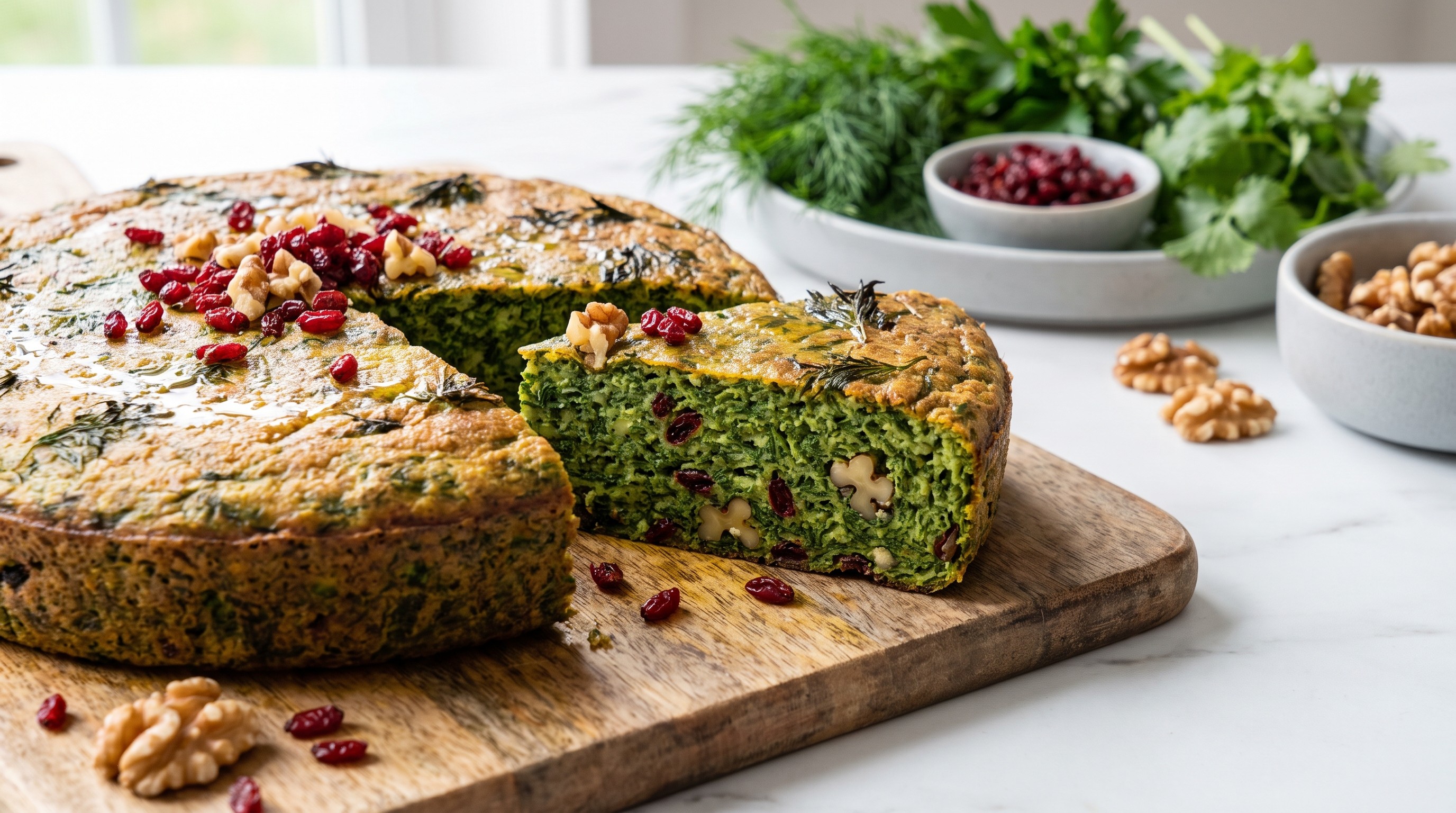
Kuku Sabzi (Persian Herb Egg Cake)
A vibrant Persian herb cake that's naturally low-glycemic — packed with parsley, cilantro, dill, and walnuts for steady energy and a flat glucose curve.
Kuku sabzi is one of the great naturally blood-sugar-friendly dishes of the Persian kitchen. Almost entirely composed of fresh herbs bound by egg, it delivers a remarkable density of micronutrients — iron and vitamin K from the parsley, antioxidants from the cilantro, and anti-inflammatory compounds from the dill and turmeric — with virtually no starch to trigger a glucose spike. Each wedge is a masterclass in satiety: the protein from six eggs and the healthy fats from walnuts and olive oil slow gastric emptying, keeping blood sugar stable for hours after eating.
The tart pop of barberries is the signature Persian touch. These tiny dried berries are unusually low in sugar compared to raisins or cranberries, and their anthocyanin content has been studied for potential benefits to insulin sensitivity. Combined with the fiber from the enormous volume of fresh herbs, this dish has a glycemic load so low it barely registers — making it an ideal centrepiece for anyone managing blood sugar.
Serve kuku sabzi at room temperature alongside a dollop of full-fat Greek yoghurt and a simple cucumber-tomato salad dressed in lemon juice. Eating the salad vegetables first, followed by the protein-rich wedge, mirrors the research-backed "veggie-first" meal sequencing strategy that blunts postprandial glucose. It works beautifully as a weekend brunch, a light dinner, or sliced into smaller portions as part of a mezze spread. Leftovers keep well in the fridge for two days and taste even better cold the next morning.
Blood Sugar Impact
Low to moderate blood sugar impact expected. The combination of eggs, walnuts, and abundant fresh herbs provides protein, healthy fats, and fiber that slow glucose absorption, resulting in a gentle, gradual rise with stable energy for 3-4 hours.
Blood Sugar Tips
- ✓ Pair with a side salad dressed in olive oil and vinegar — the acidity and extra fiber will further blunt any glucose response.
- ✓ Enjoy the walnuts generously, as their healthy fats and protein slow gastric emptying and reduce the overall glycemic effect.
- ✓ Take a 10-15 minute walk after eating to help your muscles absorb blood glucose more efficiently.
🥗 Ingredients
- 80 g Flat-leaf parsley
- 60 g Cilantro
- 40 g Dill
- 100 g Spring onion
- 50 g Walnut
- 25 g Dried barberry
- 6 pcs Egg
- 1 tsp Ground turmeric
- 1 tsp Salt
- 0.5 tsp Black pepper
- 2 tbsp Olive oil
- 2.8 oz Flat-leaf parsley
- 2.1 oz Cilantro
- 1.4 oz Dill
- 3.5 oz Spring onion
- 1.8 oz Walnut
- 0.9 oz Dried barberry
- 6 pcs Egg
- 1 tsp Ground turmeric
- 1 tsp Salt
- 0.5 tsp Black pepper
- 2 tbsp Olive oil
👨🍳 Instructions
- 1
Set the oven to 180 °C (350 °F) and position a rack in the centre. Wash all the herbs and spring onions under cold running water, then dry them as thoroughly as possible using a salad spinner — spin at least twice to remove excess moisture, as wet herbs will steam rather than set properly in the oven.
- 2
Trim any thick stems from the parsley and cilantro and roughly chop both. Pick the dill fronds from the stems and chop them. Slice the spring onions thinly, using both the white and green parts for maximum flavour and fibre.
- 3
Combine all the chopped herbs and spring onions in a large mixing bowl. Add the roughly chopped walnuts and the barberries, picking through the barberries first to remove any small stones or grit. Toss everything together until evenly distributed.
- 4
Crack the eggs into a separate bowl and add the turmeric, salt, and black pepper. Beat with a fork or whisk until the mixture is uniform in colour — the turmeric should be fully incorporated with no streaks remaining.
- 5
Pour the seasoned egg mixture over the herbs and fold gently with a spatula until every leaf and stem is coated. The ratio of herbs to egg should feel generous — the eggs act as a binder, not a base.
- 6
Place a 20 cm (8-inch) oven-safe skillet over medium heat and add the olive oil, swirling to coat the base and sides. Pour in the herb-egg mixture and press it flat with the spatula into an even layer. Cook undisturbed for about 2 minutes until you can see the bottom edge just beginning to set and turn golden.
- 7
Transfer the skillet directly to the preheated oven and bake for 20 to 22 minutes. The kuku is ready when the top feels firm and springy to a light touch and the edges have turned a deep golden colour.
- 8
Remove the skillet from the oven and let the kuku rest in the pan for 5 minutes — this allows it to pull away from the sides and firm up for clean slicing. Run a spatula around the edge, place a cutting board over the pan, and confidently invert. Cut into wedges and serve warm or at room temperature.
📊 Nutrition Per Serving
| Per Serving | Whole Dish | |
|---|---|---|
| Calories | 654 | 1309 |
| Carbs | 36g | 72g |
| Sugars | 6g | 13g |
| Added Sugars | 2g | 3g |
| Natural Sugars | 5g | 10g |
| Protein | 26g | 53g |
| Fat | 46g | 92g |
| Saturated Fat | 8g | 16g |
| Unsaturated Fat | 37g | 74g |
| Fiber | 6g | 13g |
| Soluble Fiber | 2g | 4g |
| Insoluble Fiber | 4g | 9g |
| Sodium | 2676mg | 5351mg |
Predicted Glucose Response
What if you...
Estimated model — individual responses vary. Not medical advice.
🔄 Lower GI Swaps
Chives and garlic chives deliver a similar mild allium flavor with virtually zero digestible carbohydrate, contributing less to the overall glycemic load than spring onion.
Dried barberries concentrate natural sugars and have a moderate glycemic impact. Lemon zest and sumac provide the same tart contrast with negligible effect on blood sugar, keeping the GL lower.
While walnuts are already low-GI, almonds and pecans have slightly higher fiber and healthy fat content per serving, which can further blunt the postprandial glucose response of the overall dish. Hemp seeds add protein and fat with essentially zero glycemic impact.
🔬 The Science Behind This Recipe
Why This Recipe Works for Your Blood Sugar
Kuku Sabzi is a naturally blood sugar-friendly dish, and the science behind it is straightforward. With a glycemic index (GI) of 44 — well within the "low" category — and a moderate glycemic load of 15.9 per serving, this Persian herb cake delivers steady, gentle energy rather than the sharp spikes and crashes that come from refined carbs. The key difference between GI and glycemic load is that GI measures how fast a food raises blood sugar, while glycemic load factors in how much you're actually eating. A food can have a moderate GI but still be perfectly manageable in real-world portions — and that's exactly the case here.
The hero ingredients are the generous handfuls of fresh herbs — parsley, cilantro, and dill — paired with eggs and walnuts. The herbs are rich in fiber, which physically slows digestion and creates a gentler rise in blood sugar after eating. Eggs contribute high-quality protein and healthy fats, both of which delay gastric emptying — meaning your stomach takes longer to process the meal, so glucose trickles into your bloodstream gradually instead of flooding it all at once. Walnuts amplify this effect with their combination of omega-3 fats, protein, and additional fiber, making them one of the best nuts for metabolic health.
To get even more out of this dish, try a few simple strategies: pair it with a fresh salad and eat the greens first before the kuku — vegetables eaten at the start of a meal have been shown to blunt glucose responses. A short 10–15 minute walk after eating can also help your muscles absorb blood sugar more efficiently. Since this recipe is already built around protein, fat, and fiber with minimal starchy carbs, you're starting from an excellent foundation for keeping your energy steady all afternoon.
Related recipes
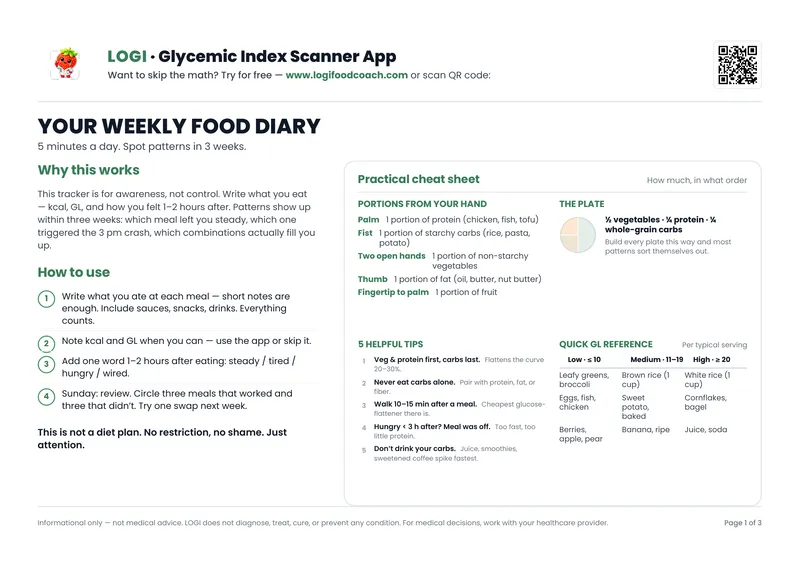
Free PDF — 3 pages
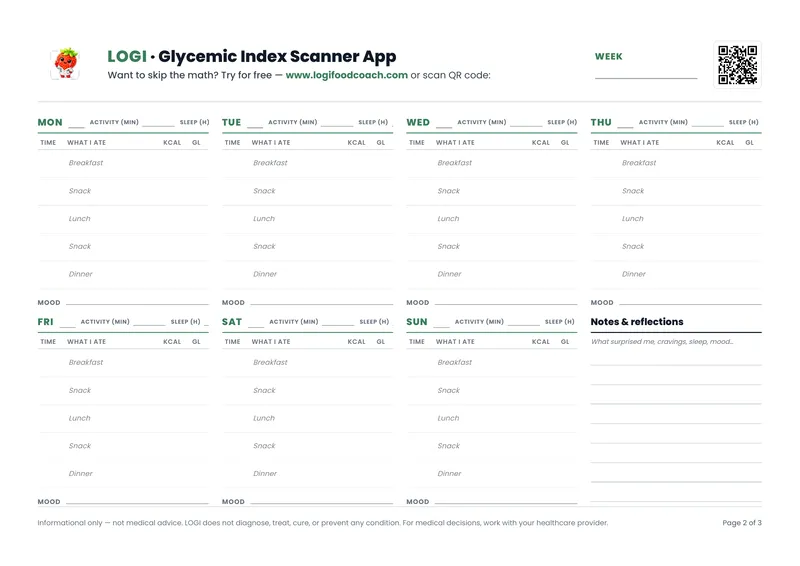
Your Weekly Food Journal
Track meals, glycemic load & mood. Spot patterns in 3 weeks.
No spam. Unsubscribe anytime.