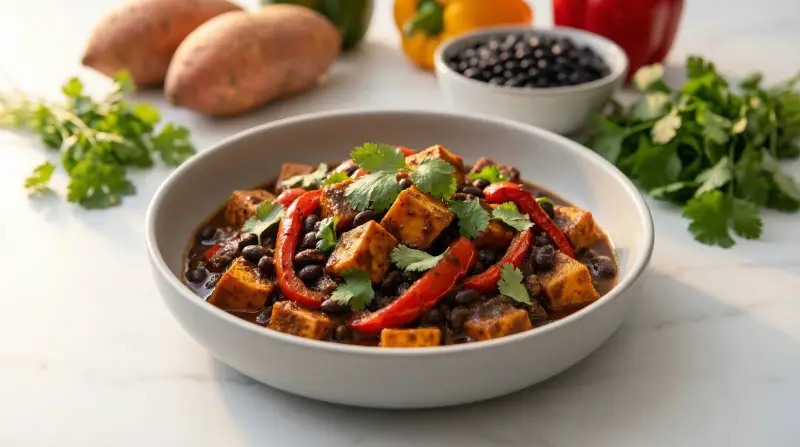
Caribbean Jerk Sweet Potato and Black Bean Curry
A vibrant Caribbean-inspired curry featuring sweet potatoes and black beans in aromatic jerk spices—naturally low-GI and perfect for steady blood sugar.
This Caribbean-inspired curry showcases the perfect marriage of sweet potatoes and black beans, two nutritional powerhouses that work together to maintain stable blood sugar levels. Sweet potatoes, despite their name, have a lower glycemic impact than regular potatoes, especially when cooked in chunks and paired with protein-rich black beans and fiber from vegetables. The combination creates a satisfying meal that releases energy slowly throughout the day.
The aromatic jerk seasoning blend, fresh ginger, and thyme not only deliver authentic Caribbean flavor but also provide anti-inflammatory benefits that support metabolic health. Black beans are particularly valuable for blood sugar management, offering resistant starch and soluble fiber that slow glucose absorption. The roasted red peppers add vitamin C and antioxidants without spiking blood sugar.
This recipe uses a minimal amount of demerara sugar (just 1 tablespoon for the entire pot serving 10 people) to balance the heat and acidity, contributing less than 1g per serving with negligible blood sugar impact. For even tighter glucose control, you can substitute with erythritol or allulose, or simply omit it entirely—the natural sweetness from the sweet potatoes and roasted peppers provides plenty of flavor balance. The sweet potatoes are simmered rather than roasted, which keeps their glycemic index lower (around 63 versus 94 for baked), making this an excellent choice for blood sugar management.
For optimal glycemic control, serve this curry with cauliflower rice instead of white rice, or choose properly cooked basmati rice which has a lower GI than other rice varieties. Start your meal with a small salad to further blunt the glucose response. This dish actually improves when made ahead, as the resistant starch content increases when cooled and reheated, making it even better for blood sugar management.
Blood Sugar Impact
This meal has a moderate glycemic load of 22.2 with a low-medium GI of 45, suggesting a gradual blood sugar rise rather than a sharp spike. The combination of fiber-rich sweet potatoes and black beans, along with healthy fats from oil, should provide steady energy for 3-4 hours with minimal blood sugar volatility.
Blood Sugar Tips
- ✓ Add a source of lean protein like grilled chicken or tofu to further slow carbohydrate absorption and improve satiety
- ✓ Eat a small handful of nuts or a side salad with olive oil dressing before the curry to create a fiber and fat buffer
- ✓ Take a 10-15 minute walk after eating to help muscles absorb glucose and blunt the post-meal blood sugar rise
🥗 Ingredients
- 2 pcs onions, 1 diced and 1 roughly chopped
- 2 tbsp sunflower oil
- 50 g fresh ginger, roughly chopped
- 30 g fresh coriander, leaves and stalks separated
- 3 tbsp jerk seasoning blend
- 2 pcs fresh thyme sprigs
- 400 g canned chopped tomatoes
- 4 tbsp red wine vinegar
- 3 tbsp demerara sugar
- 2 pcs vegetable stock cubes, crumbled
- 1000 g sweet potatoes, peeled and cut into chunks
- 800 g canned black beans, rinsed and drained
- 450 g jarred roasted red peppers, cut into thick slices
- 2 pcs onions, 1 diced and 1 roughly chopped
- 2 tbsp sunflower oil
- 1.8 oz fresh ginger, roughly chopped
- 1.1 oz fresh coriander, leaves and stalks separated
- 3 tbsp jerk seasoning blend
- 2 pcs fresh thyme sprigs
- 14.1 oz canned chopped tomatoes
- 4 tbsp red wine vinegar
- 3 tbsp demerara sugar
- 2 pcs vegetable stock cubes, crumbled
- 2.2 lb sweet potatoes, peeled and cut into chunks
- 1.8 lb canned black beans, rinsed and drained
- 15.9 oz jarred roasted red peppers, cut into thick slices
👨🍳 Instructions
- 1
Heat the sunflower oil in a large heavy-bottomed pot or Dutch oven over medium heat. Add the diced onion and cook gently for 8-10 minutes, stirring occasionally, until softened and translucent but not browned.
- 2
While the onion softens, prepare the jerk paste by combining the roughly chopped onion, ginger, coriander stalks, and jerk seasoning in a blender or food processor. Pulse until you have a fragrant, chunky paste.
- 3
Add the jerk paste to the softened onions and cook for 3-4 minutes, stirring frequently, until the mixture becomes very aromatic and the raw smell dissipates. The paste should darken slightly and release its essential oils.
- 4
Stir in the thyme sprigs, chopped tomatoes, red wine vinegar, demerara sugar, crumbled stock cubes, and 600ml of water. Bring the mixture to a gentle simmer, then reduce heat and let it bubble gently for 10 minutes to develop the flavors.
- 5
Add the sweet potato chunks to the simmering sauce, ensuring they're mostly submerged. Continue simmering for 10 minutes, stirring occasionally, until the sweet potatoes just begin to soften around the edges but still hold their shape.
- 6
Fold in the drained black beans and sliced roasted red peppers. Season with salt and black pepper to taste. Simmer for an additional 5-7 minutes until the sweet potatoes are tender when pierced with a fork but not falling apart, and the beans are heated through.
- 7
Remove from heat and roughly chop most of the coriander leaves, stirring them through the curry. Let the curry rest for 5 minutes before serving to allow flavors to meld. Garnish with the remaining whole coriander leaves and serve with cauliflower rice or a small portion of basmati rice cooked al dente for optimal blood sugar control.
📊 Nutrition Per Serving
| Per Serving | Whole Dish | |
|---|---|---|
| Calories | 280 | 2797 |
| Carbs | 53g | 525g |
| Sugars | 13g | 126g |
| Added Sugars | 4g | 36g |
| Natural Sugars | 9g | 90g |
| Protein | 10g | 104g |
| Fat | 4g | 38g |
| Saturated Fat | 1g | 5g |
| Unsaturated Fat | 3g | 31g |
| Fiber | 13g | 125g |
| Soluble Fiber | 1g | 5g |
| Insoluble Fiber | 1g | 11g |
| Sodium | 613mg | 6127mg |
Predicted Glucose Response
What if you...
Estimated model — individual responses vary. Not medical advice.
🔄 Lower GI Swaps
Sweet potatoes have a high glycemic index (63-70). Butternut squash has a lower GI of around 51, while cauliflower and zucchini are non-starchy vegetables with minimal impact on blood sugar, helping reduce the overall glycemic load significantly.
Demerara sugar has a GI of 65 and causes rapid blood sugar spikes. Sugar alternatives like erythritol (GI of 0) and allulose (GI of 0) provide sweetness without affecting blood glucose levels, dramatically lowering the recipe's glycemic impact.
While black beans are relatively low-GI, lentils have an even lower glycemic index (around 32 vs 40 for black beans). Using dried legumes that you soak and cook yourself also results in lower glycemic impact than canned versions due to resistant starch formation.
Many commercial stock cubes contain added sugars, maltodextrin, or cornstarch as fillers, which can raise the glycemic load. Homemade stock or quality broths without these additives eliminate hidden sugars and starches that impact blood glucose.
🔬 The Science Behind This Recipe
Why This Works for Your Blood Sugar
This Caribbean-inspired curry is a masterclass in blood sugar management, with a moderate glycemic load of 22.2 and an estimated GI of 45—both solidly in the low-to-medium range. The magic lies in how sweet potatoes and black beans work together as a metabolic power couple. Sweet potatoes, despite their natural sweetness, contain resistant starch and fiber that slow digestion, while black beans bring an impressive protein-fiber combination (about 15g protein and 15g fiber per cup) that creates a sustained energy release rather than a glucose spike. When you combine these two ingredients, you're essentially building a natural time-release system for carbohydrates, keeping your blood sugar steady for hours.
The supporting cast of ingredients amplifies these benefits beautifully. Ginger contains compounds called gingerols that may improve insulin sensitivity, helping your cells respond more effectively to the carbohydrates you're eating. The healthy fats from sunflower oil slow gastric emptying—meaning food moves more gradually from your stomach to your intestines, which translates to a gentler rise in blood sugar. Fresh cilantro and aromatic jerk seasoning (typically featuring cinnamon, allspice, and cayenne) don't just add flavor; these spices have been studied for their potential to support glucose metabolism.
To maximize the blood sugar benefits of this dish, try eating your vegetables first, then the protein-rich beans, and save any additional carbs for last. A 10-minute walk after your meal can help your muscles absorb glucose more efficiently, further smoothing out any post-meal blood sugar curve. Remember, glycemic load accounts for portion size, so this recipe's moderate GL reflects a satisfying, real-world serving that won't leave you hungry an hour later.
Related recipes
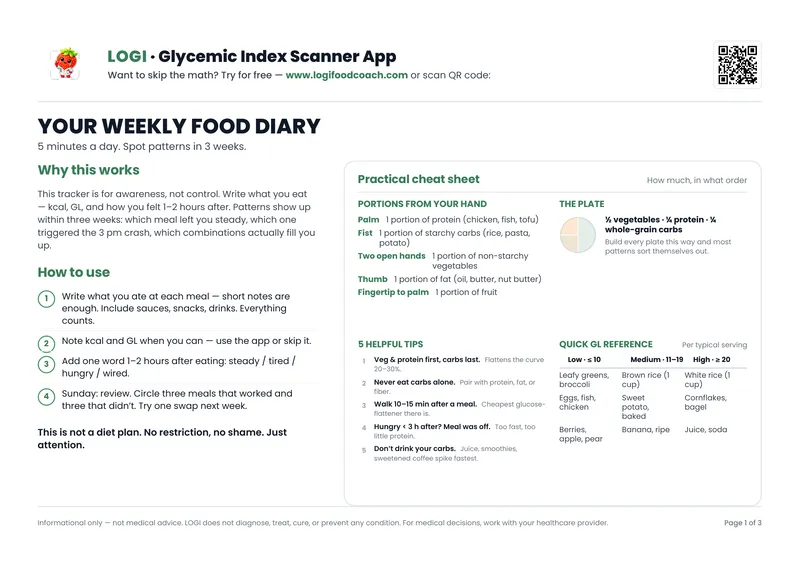
Free PDF — 3 pages
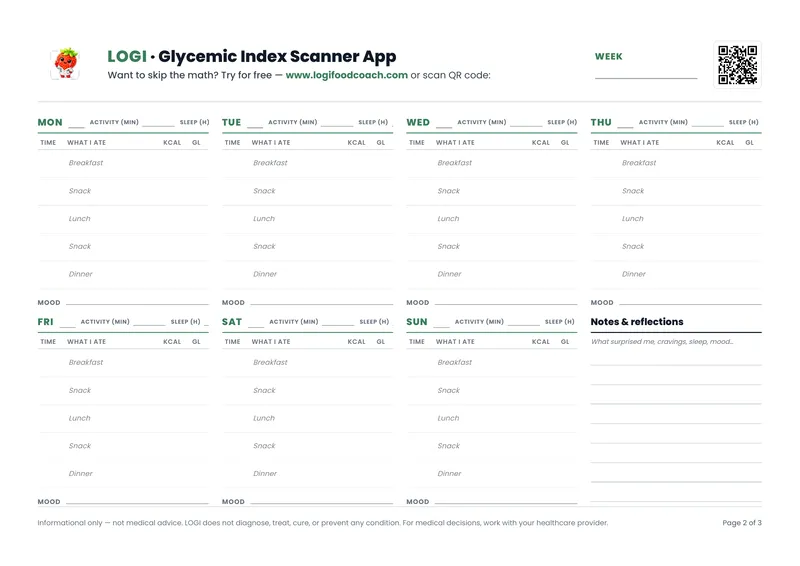
Your Weekly Food Journal
Track meals, glycemic load & mood. Spot patterns in 3 weeks.
No spam. Unsubscribe anytime.