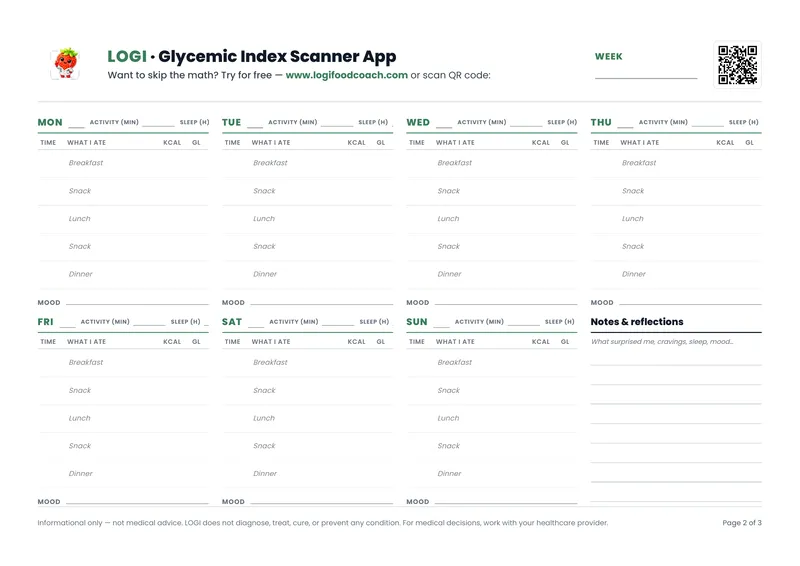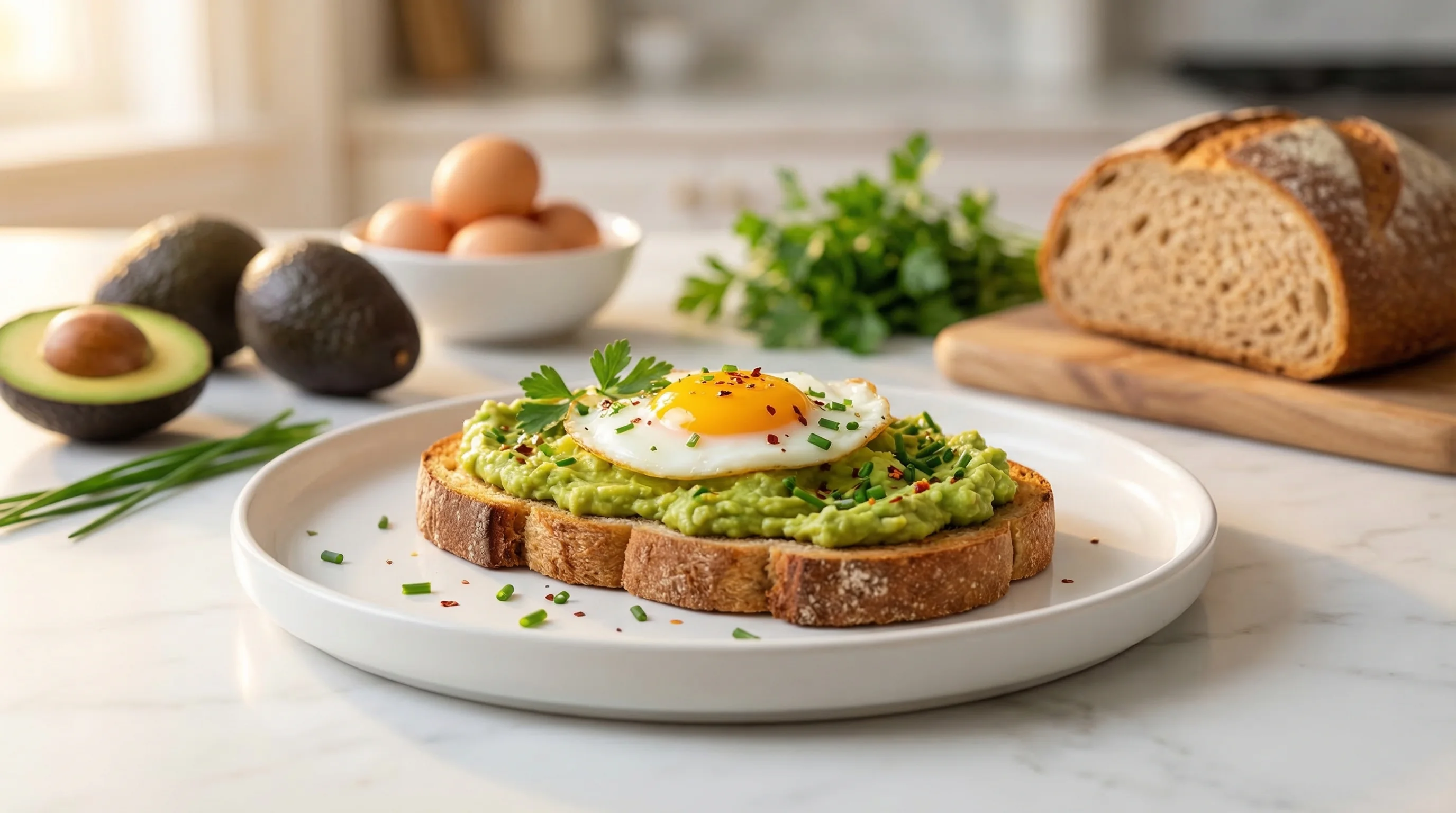
Low-Glycemic Avocado Toast with Egg
A blood sugar-friendly breakfast combining fiber-rich whole grain bread, healthy fats from avocado, and protein-packed eggs for sustained energy.
This nutrient-dense breakfast is specifically designed to support stable blood sugar levels throughout your morning. The combination of whole wheat bread with intact bran and germ provides complex carbohydrates that digest slowly, while the creamy avocado delivers heart-healthy monounsaturated fats that further slow glucose absorption. Topping it with a perfectly cooked egg adds high-quality protein, creating a balanced macronutrient profile that prevents blood sugar spikes.
The glycemic benefits of this meal are significant. Whole wheat bread with bran has a moderate GI of around 50-60, much lower than white bread's 75+. When paired with avocado's healthy fats and the egg's protein, the overall glycemic load of the meal drops even further. The fiber from both the bread and avocado slows digestion, while the fat and protein trigger hormones that promote satiety and steady energy release.
For optimal blood sugar management, eat the avocado and egg first, then the toast. This "food sequencing" technique can reduce post-meal glucose spikes by up to 40%. This breakfast provides sustained energy for 3-4 hours without the mid-morning crash associated with high-glycemic options. It's an ideal choice for anyone managing diabetes, pre-diabetes, or simply seeking better metabolic health.
Blood Sugar Impact
This meal should produce a gradual, moderate rise in blood sugar with sustained energy for 3-4 hours. The healthy fats from avocado, protein from egg, and fiber from whole wheat bread work together to slow glucose absorption and prevent sharp spikes.
Blood Sugar Tips
- ✓ Eat the avocado and egg first before the bread to further slow carbohydrate absorption
- ✓ Choose sprouted or stone-ground whole wheat bread for even lower glycemic impact
- ✓ Add a handful of leafy greens or tomatoes on top to increase fiber and reduce the overall glycemic load of the meal
🥗 Ingredients
- 2 pcs whole wheat bread with bran and germ
- 0.5 pcs ripe avocado
- 2 pcs large eggs
- 2 pcs whole wheat bread with bran and germ
- 0.5 pcs ripe avocado
- 2 pcs large eggs
👨🍳 Instructions
- 1
Remove the avocado from the refrigerator and cut it in half lengthwise around the pit. Twist the halves apart, remove the pit, and scoop out half of the flesh into a small bowl.
- 2
Using a fork, mash the avocado until it reaches your desired consistency - either smooth or slightly chunky. Season with a pinch of salt and pepper if desired.
- 3
Place the whole wheat bread slices in a toaster and toast until golden brown and crispy, about 3-4 minutes depending on your toaster setting.
- 4
While the bread is toasting, heat a non-stick skillet over medium heat. Crack the eggs into the pan and cook to your preference - fry sunny-side up for 3-4 minutes, or flip for over-easy, or poach in simmering water for 3 minutes.
- 5
Once the toast is ready, spread the mashed avocado evenly across both slices, covering them completely from edge to edge.
- 6
Carefully place the cooked eggs on top of the avocado-covered toast. For best blood sugar control, eat the eggs and avocado first, then finish with the toast.
- 7
Serve immediately while warm. Optional: garnish with red pepper flakes, everything bagel seasoning, or fresh herbs like cilantro or chives for added flavor without affecting glycemic response.
📊 Nutrition Per Serving
| Per Serving | Whole Dish | |
|---|---|---|
| Calories | 411 | 411 |
| Carbs | 32g | 32g |
| Sugars | 4g | 4g |
| Added Sugars | 1g | 1g |
| Natural Sugars | 3g | 3g |
| Protein | 21g | 21g |
| Fat | 23g | 23g |
| Saturated Fat | 5g | 5g |
| Unsaturated Fat | 18g | 18g |
| Fiber | 9g | 9g |
| Soluble Fiber | 2g | 2g |
| Insoluble Fiber | 4g | 4g |
| Sodium | 387mg | 387mg |
Predicted Glucose Response
What if you...
Estimated model — individual responses vary. Not medical advice.
🔄 Lower GI Swaps
These breads have a lower glycemic index (GI 48-54) compared to whole wheat bread (GI 69-74). The fermentation process in sourdough and the dense structure of pumpernickel slow down carbohydrate digestion, resulting in a more gradual blood sugar rise and lower glycemic load.
While avocado is already excellent for blood sugar, these alternatives provide similar creaminess with added protein and fiber. The higher protein content further slows glucose absorption and helps maintain stable blood sugar levels throughout the morning.
Increasing the protein-to-fat ratio or using plant-based proteins can enhance satiety and provide sustained energy without blood sugar spikes. These options maintain the protein benefit while offering variety and potentially extending the blood sugar stabilizing effect of the meal.
🔬 The Science Behind This Recipe
Why This Recipe Works for Blood Sugar Balance
This avocado toast with egg is a masterclass in blood sugar management, combining three ingredients that work synergistically to keep your glucose levels steady. The whole wheat bread provides complex carbohydrates with a moderate glycemic index of 40, meaning it releases glucose more slowly than white bread. But the real magic happens when you add the avocado and egg on top. Avocados are packed with healthy monounsaturated fats and fiber—about 7 grams per half avocado—which significantly slow down carbohydrate digestion and absorption. The egg contributes high-quality protein and additional fats, creating a trifecta of nutrients that blunts the blood sugar spike you'd normally get from bread alone.
The glycemic load of 12.8 tells us that despite containing carbohydrates, this meal has a relatively small impact on your blood sugar when you consider the actual portion size. This is where the concept of Glycemic Load becomes crucial: it's not just about how quickly a food raises blood sugar (GI), but also how much carbohydrate you're actually eating. The fat from the avocado and protein from the egg create what nutritionists call the "second meal effect"—they can even help stabilize blood sugar at your next meal.
For optimal blood sugar control, try eating the avocado and egg first, then the bread. This simple strategy of eating protein and fat before carbohydrates has been shown to reduce post-meal glucose spikes by up to 40%. Adding a short 10-15 minute walk after eating can further help your muscles absorb glucose without requiring as much insulin, making this already blood-sugar-friendly meal even more effective.
Related recipes
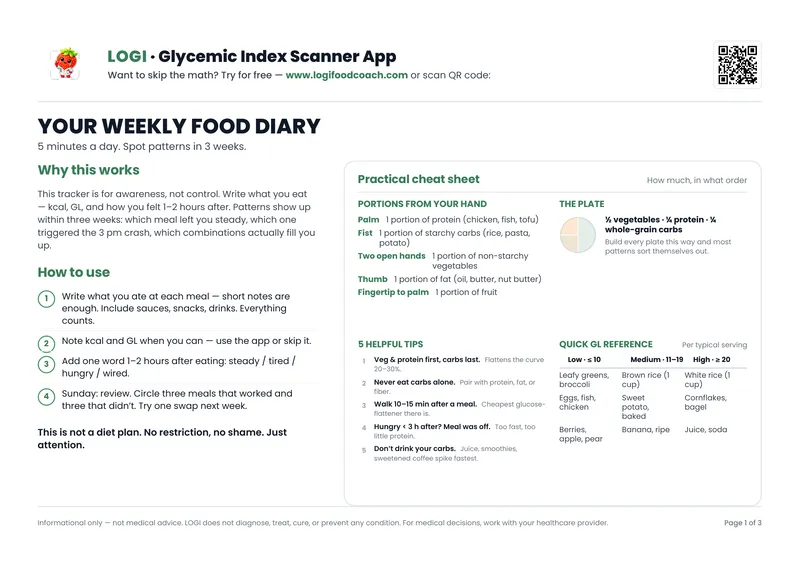
Free PDF — 3 pages
Your Weekly Food Journal
Track meals, glycemic load & mood. Spot patterns in 3 weeks.
No spam. Unsubscribe anytime.