Préparation de Repas à Faible IG : Plan de 3 Jours pour Débutants
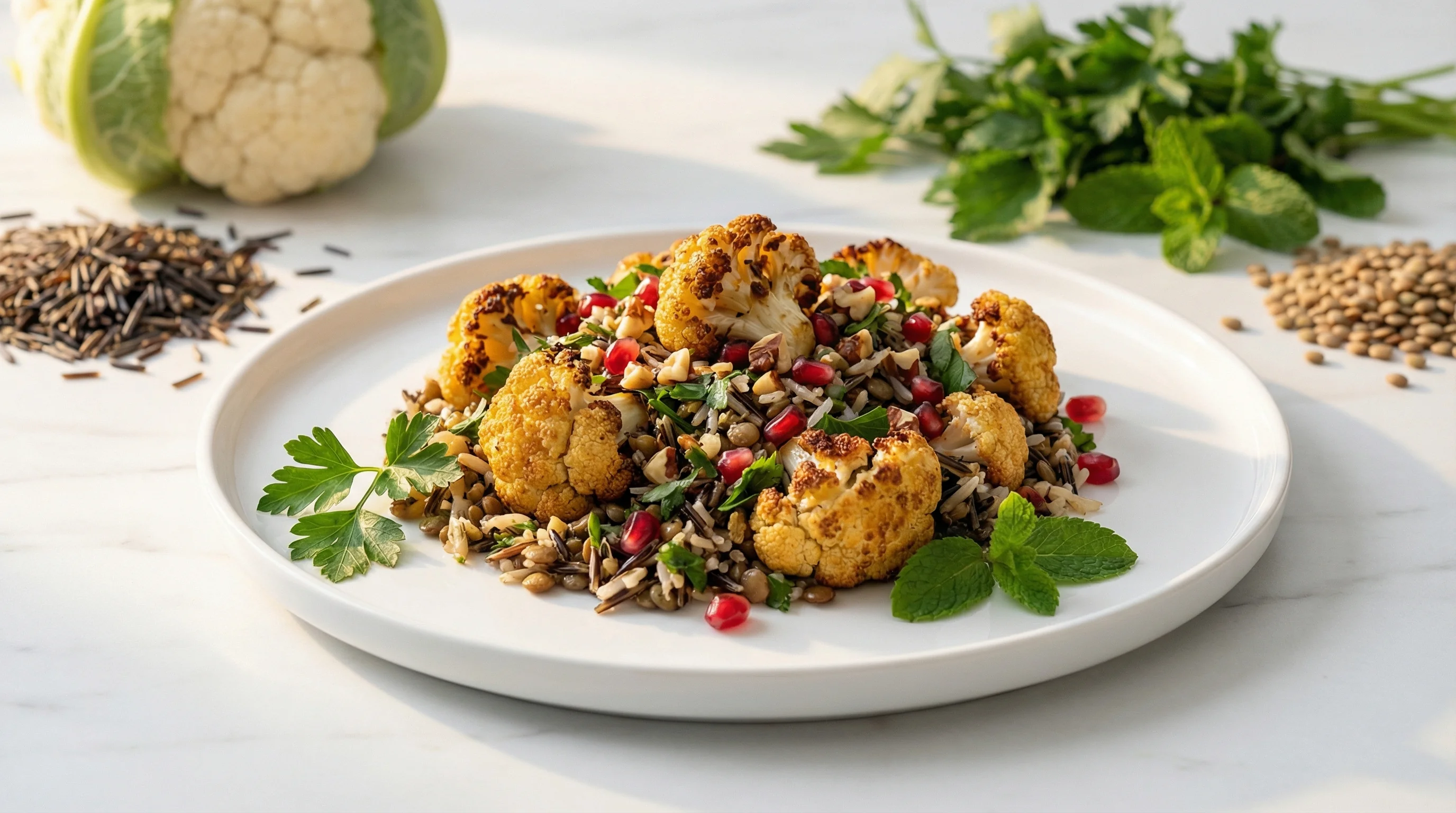
What is LOGI?
LOGI stands for Low Glycemic and Insulinemic Diet. The LOGI method aims to keep blood sugar and insulin levels stable by strategically selecting foods with a low glycemic index (GI) and a low glycemic load (GL).
What is the Glycemic Index (GI)?
The glycemic index (GI) is a ranking system for carbohydrates based on their immediate effect on blood sugar levels. It measures how quickly a food causes a rise in blood glucose levels after consumption. Foods with a high GI are rapidly digested and absorbed, resulting in a significant spike in blood sugar. Conversely, foods with a low GI are digested and absorbed more slowly, leading to a more gradual and moderate rise in blood sugar.
What is the Glycemic Load (GL)?
The glycemic load (GL) takes into account both the glycemic index (GI) of a food and the amount of carbohydrate it contains in a typical serving. It provides a more complete picture of a food’s impact on blood sugar levels than GI alone.
Formula for calculating the Glycemic Load: GL = (GI x grams of carbohydrate) / 100
The Benefits of the LOGI Method
- Weight Management: By promoting stable blood sugar levels and reducing insulin spikes, the LOGI method can help control hunger, reduce cravings, and promote fat burning, making it an effective approach for weight management.
- Improved Insulin Sensitivity: The LOGI diet can enhance insulin sensitivity, which is crucial for individuals with insulin resistance or type 2 diabetes.
- Reduced Risk of Chronic Diseases: By stabilizing blood sugar and insulin levels, the LOGI method may reduce the risk of chronic diseases such as type 2 diabetes, heart disease, and certain types of cancer.
- Increased Energy Levels: By avoiding blood sugar crashes and maintaining stable energy levels, the LOGI diet can improve overall energy and vitality.
LOGI Food Choices
The LOGI method emphasizes the consumption of whole, unprocessed foods that are naturally low in glycemic index and glycemic load.
Here’s a general guide to LOGI-friendly food choices:
- Non-starchy Vegetables: Broccoli, spinach, lettuce, cauliflower, asparagus, peppers, etc.
- Fruits: Berries, apples, pears, peaches, etc. (in moderation)
- Lean Proteins: Chicken, turkey, fish, tofu, eggs, legumes.
- Healthy Fats: Avocados, nuts, seeds, olive oil.
- Whole Grains (in moderation): Quinoa, brown rice, oats.
Foods to Limit or Avoid on LOGI
- Refined Grains: White bread, white rice, pastries, sugary cereals.
- Sugary Drinks: Soda, juice, sweetened beverages.
- Processed Foods: Fast food, packaged snacks, convenience foods.
- Starchy Vegetables (in large quantities): Potatoes, corn, white rice.
Getting Started with LOGI
- Educate Yourself: Learn about the glycemic index and glycemic load of different foods.
- Plan Your Meals: Focus on incorporating LOGI-friendly foods into your daily diet.
- Read Food Labels: Pay attention to the carbohydrate content and ingredient list of packaged foods.
- Monitor Your Blood Sugar: If you have diabetes or insulin resistance, monitor your blood sugar levels regularly to assess how different foods affect you.
- Consult with a Healthcare Professional: Seek guidance from a registered dietitian or healthcare provider to personalize the LOGI method to your individual needs and health conditions.
LOGI Food Coach App
To simplify your LOGI journey, consider using the LOGI Food Coach app. It’s available on the App Store and Google Play. This app helps you track your meals, calculate your glycemic load, and discover LOGI-friendly recipes.
Example Meal Plan
| Meal | Food | Glycemic Load (GL) |
|---|---|---|
| Breakfast | Oatmeal with berries and nuts | 15 |
| Lunch | Salad with grilled chicken and avocado | 10 |
| Dinner | Salmon with steamed broccoli and quinoa | 12 |
| Snack | A handful of almonds | 3 |
Disclaimer: The LOGI method may not be suitable for everyone. Consult with a healthcare professional before making significant changes to your diet, especially if you have underlying health conditions.
Prenez le contrôle de votre glycémie
Scannez vos repas, suivez la charge glycémique et découvrez vos habitudes — tout en une app.
Essai gratuit →