¿Por qué el índice glucémico no aparece en la mayoría de las etiquetas?
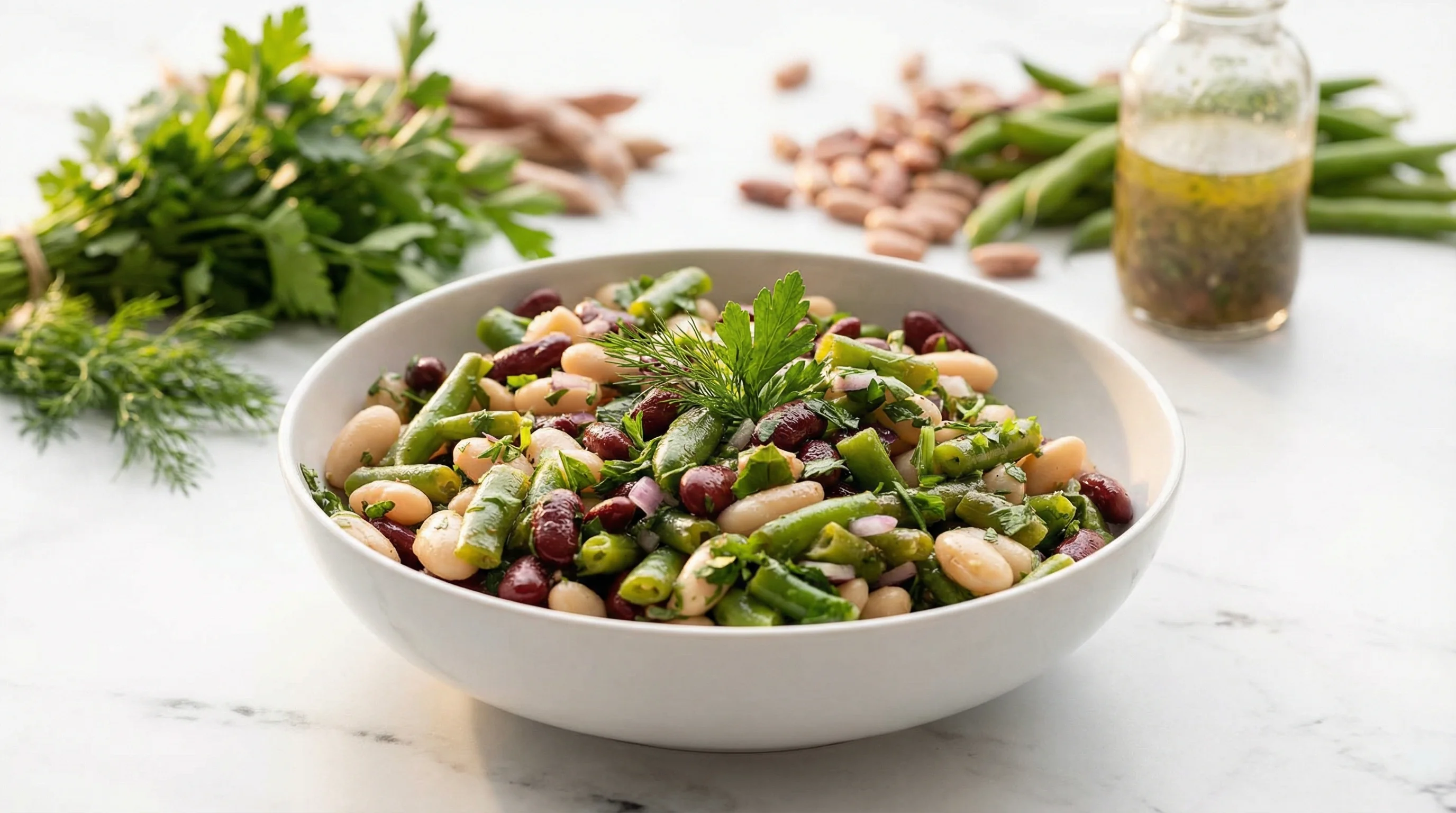
Understanding Glycemic Index: A Comprehensive Guide
The Glycemic Index (GI) is a ranking system for carbohydrates based on their immediate effect on blood glucose (sugar) levels. It measures how quickly a carbohydrate-containing food raises blood glucose compared to a reference food, typically pure glucose or white bread. Understanding GI can be particularly useful for individuals managing diabetes, insulin resistance, or those aiming for better weight control.
How Does the Glycemic Index Work?
The GI scale ranges from 0 to 100. Foods are categorized as low, medium, or high GI based on the following ranges:
- Low GI: 55 or less
- Medium GI: 56 - 69
- High GI: 70 or more
Foods with a low GI are digested and absorbed more slowly, resulting in a gradual rise in blood glucose levels. Conversely, high GI foods cause a rapid spike in blood glucose.
Factors Affecting a Food’s Glycemic Index
Several factors can influence the GI of a particular food:
- Type of Sugar: Different sugars (glucose, fructose, sucrose) have varying effects on blood glucose.
- Starch Structure: The structure of starch molecules can affect the rate of digestion.
- Fiber Content: High-fiber foods tend to have a lower GI.
- Processing: Highly processed foods often have a higher GI due to the breakdown of complex carbohydrates.
- Cooking Method: Cooking methods can alter the GI of foods. For example, boiling potatoes can result in a higher GI compared to eating them cold.
- Ripeness: Ripe fruits generally have a higher GI than unripe fruits.
- Combination with Other Foods: Eating foods with fat, protein, or fiber can lower the overall GI of a meal.
Glycemic Load (GL) vs. Glycemic Index
While the Glycemic Index provides valuable information, it doesn’t tell the whole story. The Glycemic Load (GL) takes into account both the GI of a food and the amount of carbohydrate per serving. GL provides a more complete picture of how a food will affect blood glucose levels.
The formula for calculating Glycemic Load is:
GL = (GI x grams of carbohydrate per serving) / 100
GL is categorized as follows:
- Low GL: 10 or less
- Medium GL: 11 - 19
- High GL: 20 or more
Benefits of a Low Glycemic Diet
Adopting a diet based on low glycemic foods can offer several health benefits:
- Improved Blood Sugar Control: Helps maintain stable blood glucose levels, which is crucial for individuals with diabetes or insulin resistance.
- Weight Management: Promotes satiety and reduces cravings, which can aid in weight loss or maintenance.
- Reduced Risk of Chronic Diseases: May lower the risk of developing type 2 diabetes, heart disease, and certain types of cancer.
- Increased Energy Levels: Provides a steady release of energy, avoiding the energy crashes associated with high GI foods.
Incorporating Low Glycemic Foods into Your Diet
Here are some tips for incorporating low glycemic foods into your diet:
- Choose Whole Grains: Opt for whole grain bread, brown rice, and oats instead of refined grains.
- Increase Fiber Intake: Eat plenty of fruits, vegetables, and legumes.
- Include Lean Protein and Healthy Fats: These can help slow down the absorption of carbohydrates.
- Limit Processed Foods and Sugary Drinks: These tend to have a high GI and offer little nutritional value.
- Monitor Portion Sizes: Even low GI foods can raise blood glucose if consumed in large quantities.
Sample Glycemic Index Values for Common Foods
| Food | Glycemic Index (GI) |
|---|---|
| White Bread | 75 |
| Brown Rice | 68 |
| White Rice | 73 |
| Sweet Potato | 63 |
| Potato (Boiled) | 78 |
| Apple | 36 |
| Banana | 51 |
| Carrots (Raw) | 35 |
| Watermelon | 76 |
| Kidney Beans | 24 |
| Chickpeas | 10 |
| Milk (Full Fat) | 39 |
| Yogurt (Plain, Low Fat) | 14 |
Note: GI values can vary based on factors such as preparation methods and variety.
The LOGI Food Coach App
For more personalized guidance on managing your diet with the Glycemic Index and Glycemic Load, consider using the LOGI Food Coach app. Available on the App Store and Google Play, this app can help you track your meals, understand the GI and GL of different foods, and make informed choices for better health.
Conclusion
Understanding the Glycemic Index and Glycemic Load can be a valuable tool for managing blood glucose levels, weight, and overall health. By choosing low glycemic foods and being mindful of portion sizes, you can create a balanced and nutritious diet that supports your well-being.
Toma el control de tu azúcar en sangre
Escanea tus comidas, rastrea la carga glucémica y observa tus patrones — todo en una app.
Prueba gratuita →