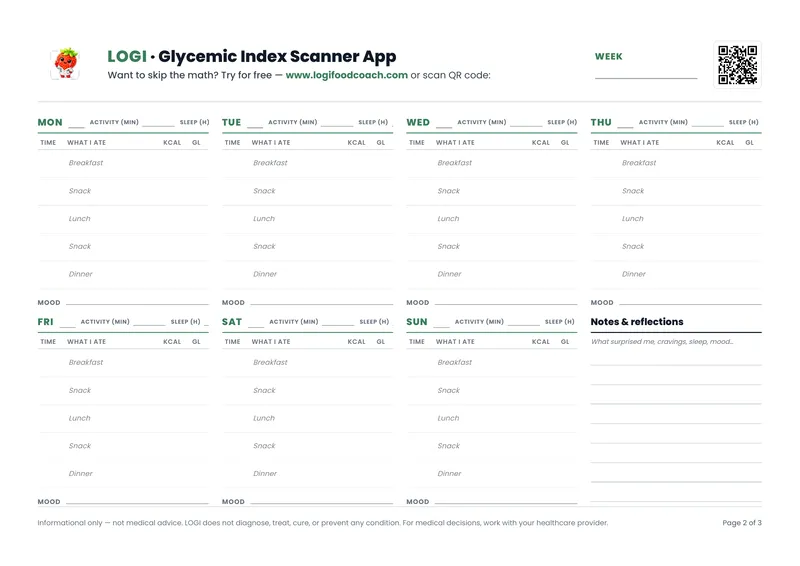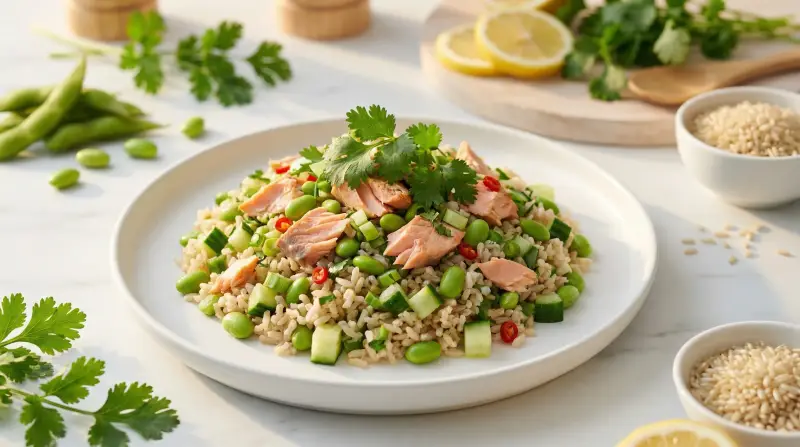
Low-GI Salmon & Brown Rice Power Bowl
A nutrient-dense meal combining omega-3 rich salmon with fiber-packed brown rice and edamame for sustained energy and stable blood sugar levels.
This vibrant power bowl is specifically designed to support healthy blood sugar management while delivering exceptional flavor and nutrition. Brown basmati rice serves as the foundation, offering a lower glycemic response than white rice varieties thanks to its intact bran layer and higher fiber content. The addition of protein-rich salmon and edamame creates a balanced macronutrient profile that slows glucose absorption and promotes satiety.
The beauty of this recipe lies in its strategic ingredient pairing. Salmon provides omega-3 fatty acids that support insulin sensitivity, while edamame contributes plant-based protein and additional fiber. Fresh vegetables like cucumber and spring onions add volume and nutrients without impacting blood sugar, making this an ideal meal for anyone focused on glycemic control.
For optimal blood sugar management, consider eating the cucumber and edamame first, followed by the salmon, and finishing with the rice. This "veggie-first" approach has been shown to reduce post-meal glucose spikes by up to 30%. The lime juice and chili not only brighten the flavors but may also help moderate the glycemic response through their natural compounds.
Blood Sugar Impact
This meal will have minimal blood sugar impact due to its low glycemic load of 8.3 and estimated GI of 28. Expect steady, sustained energy for 3-4 hours without significant spikes or crashes, thanks to the combination of protein-rich salmon, fiber from brown rice and edamame, and healthy fats.
Blood Sugar Tips
- ✓ Eat the edamame and cucumber first to create a fiber buffer that will slow glucose absorption from the brown rice
- ✓ Pair this meal with a 10-15 minute walk after eating to help muscles absorb glucose and further blunt any blood sugar rise
- ✓ Add a tablespoon of healthy fat like avocado or extra olive oil to further slow digestion and extend satiety
🥗 Ingredients
- 200 g brown basmati rice
- 200 g frozen edamame (soya beans), defrosted
- 2 pcs skinless salmon fillets
- 1 pcs cucumber, diced
- 4 pcs spring onions, sliced
- 15 g fresh coriander, roughly chopped
- 1 pcs lime, zest and juice
- 1 pcs red chilli, diced and deseeded
- 4 tsp low-sodium soy sauce
- 7.1 oz brown basmati rice
- 7.1 oz frozen edamame (soya beans), defrosted
- 2 pcs skinless salmon fillets
- 1 pcs cucumber, diced
- 4 pcs spring onions, sliced
- 0.5 oz fresh coriander, roughly chopped
- 1 pcs lime, zest and juice
- 1 pcs red chilli, diced and deseeded
- 4 tsp low-sodium soy sauce
👨🍳 Instructions
- 1
Rinse the brown basmati rice thoroughly under cold water until the water runs clear. This removes excess starch and helps achieve a fluffier texture.
- 2
Cook the rice according to package directions in a medium saucepan with the appropriate amount of water. Set a timer for 3 minutes before the rice is fully cooked.
- 3
When the timer sounds, add the defrosted edamame directly to the rice pot and continue cooking for the final 3 minutes. This ensures both components are perfectly tender.
- 4
While the rice cooks, place the salmon fillets on a microwave-safe plate. Cover loosely and microwave on high power for 3 minutes, or until the fish flakes easily and reaches an internal temperature of 145°F (63°C). Alternatively, you can pan-sear or bake the salmon if preferred.
- 5
Drain the rice and edamame mixture in a fine-mesh strainer, then rinse under cold running water to stop the cooking process and cool it quickly. Shake off excess water and transfer to a large mixing bowl.
- 6
Allow the cooked salmon to cool for 2-3 minutes, then use a fork to gently remove any skin and flake the fish into bite-sized pieces.
- 7
Add the diced cucumber, sliced spring onions, chopped coriander, and flaked salmon to the bowl with the rice and edamame. Gently fold everything together using a large spoon, being careful not to break up the salmon too much.
- 8
In a small bowl, whisk together the lime zest, lime juice, diced chilli, and low-sodium soy sauce until well combined. Taste and adjust seasoning if needed.
- 9
Drizzle the zingy dressing over the salad and gently toss to coat evenly. Serve immediately at room temperature, or refrigerate for up to 2 hours for a chilled version. This dish also makes excellent meal prep for the next day.
📊 Nutrition Per Serving
| Per Serving | Whole Dish | |
|---|---|---|
| Calories | 295 | 1179 |
| Carbs | 23g | 92g |
| Sugars | 3g | 14g |
| Natural Sugars | 3g | 14g |
| Protein | 24g | 97g |
| Fat | 13g | 52g |
| Saturated Fat | 3g | 11g |
| Unsaturated Fat | 10g | 41g |
| Fiber | 5g | 19g |
| Soluble Fiber | 1g | 5g |
| Insoluble Fiber | 3g | 10g |
| Sodium | 456mg | 1824mg |
Predicted Glucose Response
What if you...
Estimated model — individual responses vary. Not medical advice.
🔄 Lower GI Swaps
Cauliflower rice has virtually zero glycemic load, shirataki rice is made from konjac fiber with no digestible carbs, and quinoa has a lower GI (53) compared to brown rice (68), all resulting in significantly less blood sugar impact.
Tempeh and tofu are fermented soy products with even lower glycemic impact than edamame, while mung bean sprouts provide protein and fiber with minimal carbohydrates and a negligible effect on blood glucose.
Coconut aminos contains 65% less sodium and fewer carbohydrates than soy sauce, while liquid aminos and diluted tamari reduce the overall carbohydrate content per serving, minimizing blood sugar elevation.
While lime is already low-GI, lemon and vinegars (especially apple cider vinegar) have been shown to improve insulin sensitivity and slow gastric emptying, which helps blunt post-meal blood sugar spikes even further.
🔬 The Science Behind This Recipe
Why This Power Bowl Keeps Your Blood Sugar Steady
This salmon and brown rice bowl is a masterclass in blood sugar management, with a remarkably low glycemic load of just 8.3. The secret lies in how its ingredients work together to slow glucose absorption. Brown basmati rice, while still a carbohydrate, contains significantly more fiber than white rice—this fiber acts like a protective barrier, slowing down how quickly the rice breaks down into sugar in your bloodstream. The edamame adds another layer of protection with both fiber and plant-based protein, creating a double defense against glucose spikes.
The real star for blood sugar control is the salmon. This fatty fish is rich in omega-3 fats and protein, both of which dramatically slow digestion and glucose release. When you eat protein and healthy fats alongside carbohydrates, your body takes much longer to break down the meal, resulting in a gentle, gradual rise in blood sugar rather than a sharp spike. The cucumber adds volume and additional fiber with virtually no impact on glucose, while the spring onions contribute beneficial compounds that may even improve insulin sensitivity.
Here's a pro tip to maximize this bowl's benefits: eat your ingredients in order. Start with the cucumber and edamame, then move to the salmon, and save the rice for last. This "food sequencing" strategy can reduce glucose spikes by up to 73% according to recent research. Also, consider taking a 10-15 minute walk after eating—this simple habit helps your muscles absorb glucose more efficiently, keeping your blood sugar even more stable.
Related recipes
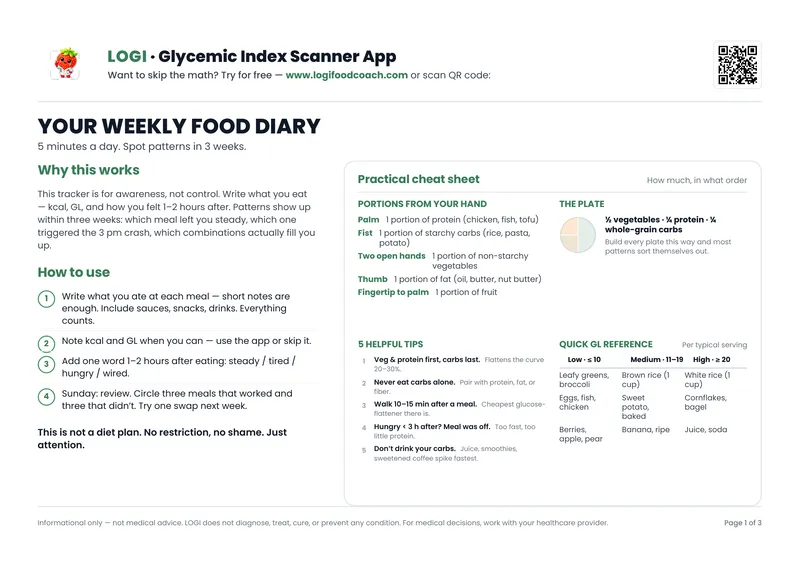
Free PDF — 3 pages
Your Weekly Food Journal
Track meals, glycemic load & mood. Spot patterns in 3 weeks.
No spam. Unsubscribe anytime.