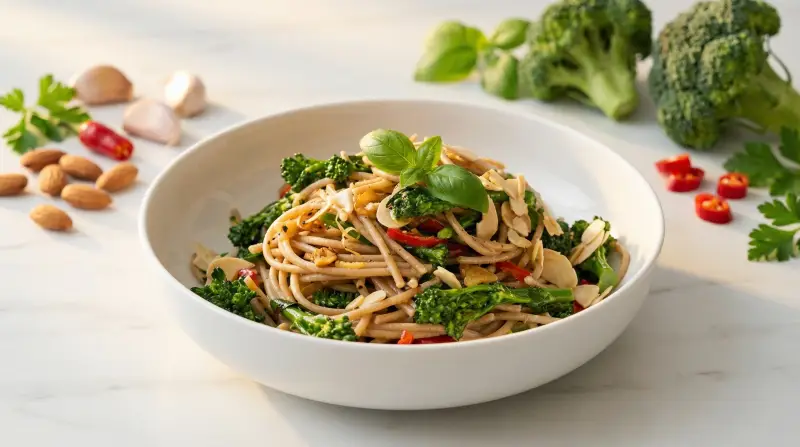
Whole Wheat Pasta with Broccoli and Toasted Almonds
Blood sugar-friendly whole grain pasta tossed with fiber-rich broccoli, heart-healthy almonds, and aromatic garlic for sustained energy without the spike.
This Mediterranean-inspired dish showcases how delicious moderate-glycemic eating can be. Whole wheat pasta provides complex carbohydrates that digest slowly, preventing the rapid blood sugar spikes associated with refined white pasta. With a glycemic index of approximately 42-50 compared to regular white pasta's GI of 32-70, whole wheat pasta offers a gentler impact on blood glucose. The high fiber content—nearly triple that of regular pasta—slows glucose absorption and keeps you satisfied for hours.
Broccoli adds another layer of blood sugar benefits as a non-starchy vegetable packed with fiber, chromium, and antioxidants that support healthy insulin function. The almonds contribute protein, healthy fats, and magnesium, all of which help moderate the glycemic response of the meal. Garlic and chili not only create bold flavor but may also improve insulin sensitivity according to recent research.
For optimal blood sugar management, eat the broccoli first to create a protective fiber barrier in your digestive system, then enjoy the pasta. This simple sequencing technique can reduce the meal's overall glycemic impact by up to 40%. Pair with a lean protein like grilled chicken or white fish to further stabilize post-meal glucose levels and reduce the overall glycemic load of the meal.
Blood Sugar Impact
Moderate blood sugar impact with a gradual rise due to the whole wheat pasta, though the high fiber from broccoli, healthy fats from olive oil and almonds, and protein from parmesan will help slow glucose absorption. Expect sustained energy for 3-4 hours with a gentler peak than refined pasta.
Blood Sugar Tips
- ✓ Eat the broccoli and almonds first before the pasta to create a fiber and fat buffer that slows carbohydrate absorption
- ✓ Keep portion size to about 1 cup cooked pasta and fill half your plate with the broccoli to improve the overall glycemic response
- ✓ Take a 10-15 minute walk after eating to help muscles absorb glucose and reduce the post-meal blood sugar spike
🥗 Ingredients
- 2 tbsp extra-virgin olive oil
- 1 pcs red chilli, deseeded and sliced
- 3 pcs garlic cloves, thinly sliced
- 250 g whole wheat spaghetti
- 300 g thin-stemmed broccoli, cut into pieces
- 1 pcs lemon zest
- 25 g flaked almonds, toasted
- 20 g Parmesan cheese shavings
- 2 tbsp extra-virgin olive oil
- 1 pcs red chilli, deseeded and sliced
- 3 pcs garlic cloves, thinly sliced
- 8.8 oz whole wheat spaghetti
- 10.6 oz thin-stemmed broccoli, cut into pieces
- 1 pcs lemon zest
- 0.9 oz flaked almonds, toasted
- 0.7 oz Parmesan cheese shavings
👨🍳 Instructions
- 1
Fill a large pot with 4 liters of water, add 1 teaspoon of salt, and bring to a rolling boil over high heat.
- 2
While the water heats, pour the olive oil into a large skillet and warm over medium-low heat. Add the sliced garlic and chili, stirring occasionally until the garlic turns golden and fragrant, about 3-4 minutes. Remove the skillet from heat and set aside.
- 3
Once the water reaches a full boil, add the whole wheat spaghetti and stir to prevent sticking. Cook for 9-11 minutes according to package directions for al dente texture, testing a strand at 9 minutes to check doneness.
- 4
Four minutes before the pasta finishes cooking, add the broccoli pieces directly to the boiling pasta water. This allows both to finish cooking simultaneously while the broccoli retains its vibrant color and slight crunch.
- 5
When the pasta and broccoli are cooked, reserve half a cup of the starchy cooking water, then drain everything thoroughly in a colander.
- 6
Transfer the drained pasta and broccoli immediately to the skillet with the garlic oil. Add the lemon zest and toasted almonds, then toss everything together vigorously, adding splashes of reserved pasta water if needed to create a light coating. Season with sea salt and freshly ground black pepper to taste.
- 7
Divide the pasta between two warm serving bowls. Top each portion generously with Parmesan shavings and serve immediately while hot.
- 8
For best blood sugar control, eat the broccoli pieces first, followed by the pasta. This vegetable-first approach helps create a fiber barrier that slows glucose absorption and can reduce the meal's glycemic impact by up to 40%.
📊 Nutrition Per Serving
| Per Serving | Whole Dish | |
|---|---|---|
| Calories | 728 | 1456 |
| Carbs | 106g | 211g |
| Sugars | 8g | 16g |
| Natural Sugars | 8g | 16g |
| Protein | 27g | 54g |
| Fat | 26g | 52g |
| Saturated Fat | 5g | 10g |
| Unsaturated Fat | 21g | 42g |
| Fiber | 16g | 32g |
| Soluble Fiber | 2g | 3g |
| Insoluble Fiber | 4g | 8g |
| Sodium | 210mg | 421mg |
Predicted Glucose Response
What if you...
Estimated model — individual responses vary. Not medical advice.
🔄 Lower GI Swaps
Legume-based pastas have lower glycemic indexes than whole wheat pasta and provide significantly more protein (15-25g per serving vs 7g), which further stabilizes blood sugar. They also contain more fiber and resistant starch, making them excellent choices for blood glucose management.
While Parmesan is already a good choice due to its protein and fat content, these alternatives offer similar savory flavor with additional nutritional benefits. Nutritional yeast is lower in fat and calories while providing B-vitamins, and hemp seeds add plant-based protein plus omega-3 fatty acids that support insulin sensitivity.
All nuts and seeds provide healthy fats and protein that moderate blood sugar response. Walnuts offer superior omega-3 fatty acids which reduce inflammation and improve insulin sensitivity. Pumpkin seeds contain exceptionally high levels of magnesium, a mineral crucial for glucose metabolism and insulin function.
🔬 The Science Behind This Recipe
Whole wheat pasta has a glycemic index of approximately 42-50, significantly lower than refined white pasta's GI of 32-70. This means it causes a slower, more gradual rise in blood sugar levels. The fiber content in whole wheat pasta is nearly triple that of regular pasta, which further slows the digestion and absorption of carbohydrates. When combined with the non-starchy broccoli (which adds chromium and additional fiber), healthy fats from olive oil and almonds, and protein from Parmesan cheese, this meal creates a balanced glycemic response. The fat and protein components slow gastric emptying, meaning glucose enters your bloodstream more gradually. Studies show that eating vegetables before carbohydrates can reduce post-meal glucose spikes by 30-40%, which is why the recipe recommends consuming the broccoli first. The almonds provide magnesium, which plays a crucial role in insulin sensitivity and glucose metabolism. With a moderate glycemic load of 42.2 per serving, this dish should be paired with additional protein to optimize blood sugar control, especially for those managing diabetes or insulin resistance.
Related recipes
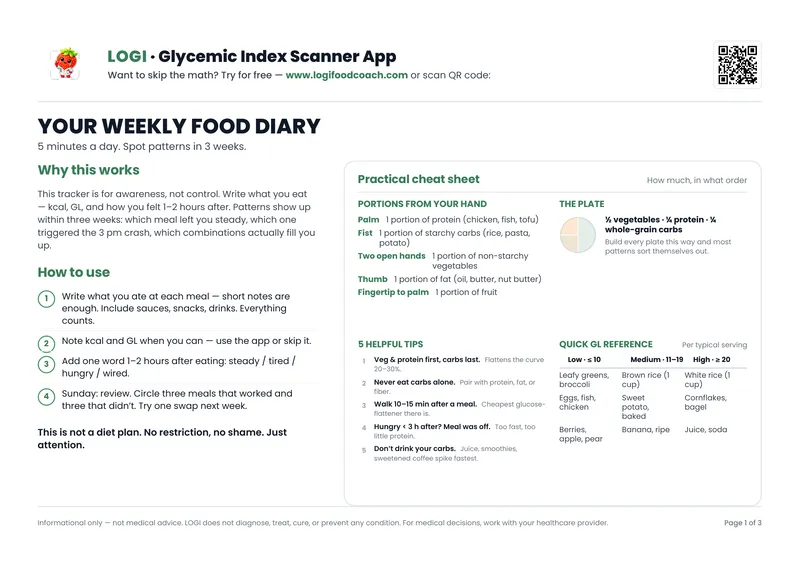
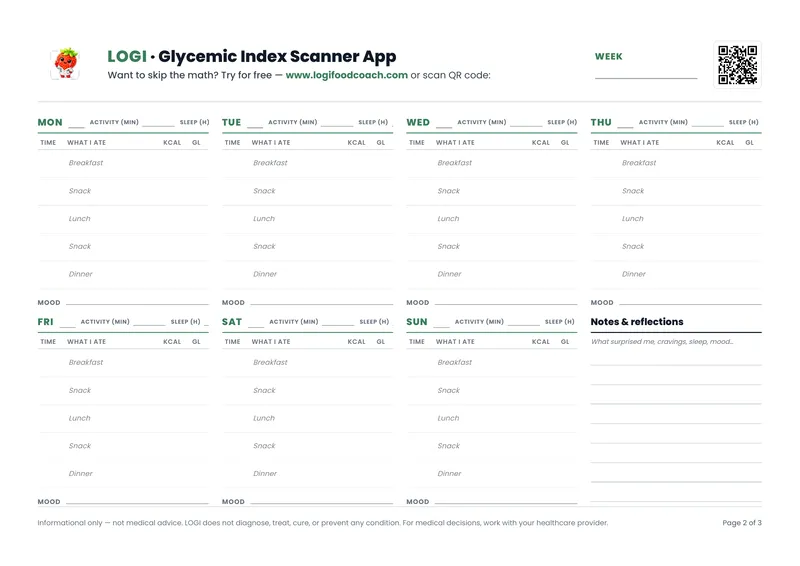
Free PDF — 3 pages
Your Weekly Food Journal
Track meals, glycemic load & mood. Spot patterns in 3 weeks.
No spam. Unsubscribe anytime.