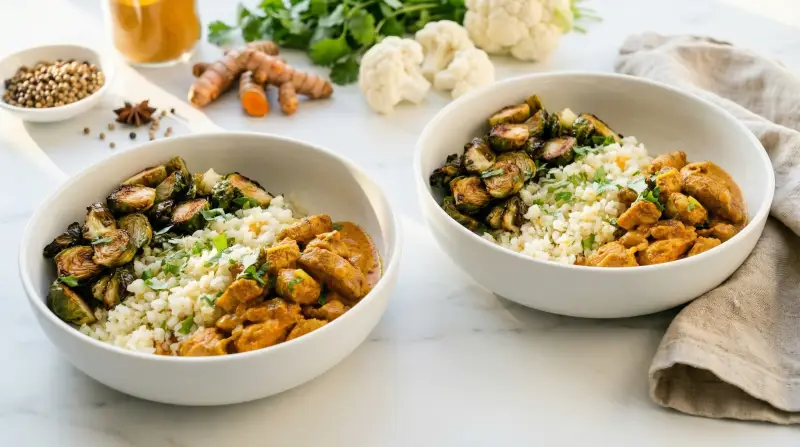
Low-Glycemic Butter Chicken with Aromatic Spices
Creamy coconut-based Indian curry with tender chicken and warming spices. This blood sugar-friendly version uses whole foods and healthy fats for sustained energy.
This nourishing butter chicken delivers all the rich, aromatic flavors of the classic Indian dish while supporting stable blood sugar levels. By using full-fat coconut milk instead of cream and sugar-laden sauces, we create a naturally low-glycemic meal that won't cause glucose spikes. The combination of protein-rich chicken and healthy fats from ghee and coconut milk slows digestion and promotes gradual nutrient absorption.
The anti-inflammatory spice blend featuring turmeric, ginger, and cinnamon not only adds incredible depth of flavor but also supports metabolic health. Turmeric contains curcumin, which may improve insulin sensitivity, while cinnamon has been shown to help regulate blood sugar levels. The moderate use of arrowroot starch as a thickener provides a lower-glycemic alternative to cornstarch or flour.
For optimal blood sugar management, serve this curry over cauliflower rice instead of white rice, or pair it with fiber-rich vegetables like roasted broccoli or sautéed spinach. Eating the vegetables first, followed by the protein-rich curry, can further minimize glucose response. This meal is ideal for lunch or dinner and provides sustained energy for 4-6 hours without the post-meal crash associated with high-carb curries.
Blood Sugar Impact
Minimal blood sugar impact expected due to the very low glycemic load of 2.8 and GI of 29. This meal should provide stable, sustained energy for 3-4 hours without significant glucose spikes, thanks to the protein-rich chicken and healthy fats from ghee and coconut milk.
Blood Sugar Tips
- ✓ Pair this dish with high-fiber vegetables like cauliflower rice, broccoli, or spinach to further slow digestion and enhance satiety
- ✓ Eat the protein and fat-rich curry first before any carbohydrate sides to leverage the gastroprotective effect and minimize glucose response
- ✓ Take a 10-15 minute walk after eating to help muscles absorb glucose and maintain stable blood sugar levels
🥗 Ingredients
- 2 pcs boneless skinless chicken breasts
- 2 tbsp ghee
- 13.5 fl_oz full-fat coconut milk
- 2 tbsp tomato paste
- 1 pcs small yellow onion, diced
- 2 pcs garlic cloves
- 1.5 tsp turmeric powder
- 1 tsp ground ginger
- 1 tsp chili powder
- 0.5 tsp ground cinnamon
- 1 tsp sea salt
- 0.5 tbsp arrowroot starch
- 0.25 cup filtered water
- 2 pcs boneless skinless chicken breasts
- 2 tbsp ghee
- 13.5 fl_oz full-fat coconut milk
- 2 tbsp tomato paste
- 1 pcs small yellow onion, diced
- 2 pcs garlic cloves
- 1.5 tsp turmeric powder
- 1 tsp ground ginger
- 1 tsp chili powder
- 0.5 tsp ground cinnamon
- 1 tsp sea salt
- 0.5 tbsp arrowroot starch
- 0.25 cup filtered water
👨🍳 Instructions
- 1
Prepare your ingredients by dicing the yellow onion into small pieces and mincing the garlic cloves finely. Cut the chicken breasts into uniform bite-sized cubes, approximately 1-inch pieces, to ensure even cooking.
- 2
Create your spice blend by mixing together the turmeric powder, ground ginger, chili powder, ground cinnamon, and salt in a small bowl. Sprinkle this aromatic mixture over the chicken cubes and toss thoroughly until every piece is evenly coated with the golden spices.
- 3
Melt the ghee in a large frying pan or skillet over medium-low heat. Add the diced onion and minced garlic, stirring occasionally for about 3 minutes until the onion becomes translucent and the garlic releases its fragrant aroma.
- 4
Increase the heat to medium and add the spice-coated chicken pieces to the pan. Cook for 6 minutes, tossing frequently to brown the chicken on all sides and allow the spices to bloom in the hot ghee, creating a flavorful base for your curry.
- 5
While the chicken cooks, whisk together the coconut milk and tomato paste in a bowl until smooth and well combined. Pour this creamy mixture into the pan with the chicken and increase heat to high until the sauce begins to bubble actively.
- 6
Reduce the heat to medium-low and let the curry simmer gently for 10 minutes, allowing the flavors to meld and the chicken to cook through completely. The sauce will reduce slightly and the chicken will become tender and infused with the aromatic spices.
- 7
To create a thicker, more luxurious sauce, whisk together the arrowroot starch and water in a small bowl to form a smooth slurry. Increase heat to medium-high, push the chicken to one side of the pan, and pour in the slurry while stirring vigorously. Mix the thickened sauce with the chicken, remove from heat, and serve immediately over cauliflower rice with a side of fiber-rich vegetables for optimal blood sugar control.
📊 Nutrition Per Serving
| Per Serving | Whole Dish | |
|---|---|---|
| Calories | 680 | 2039 |
| Carbs | 17g | 51g |
| Sugars | 8g | 23g |
| Natural Sugars | 8g | 23g |
| Protein | 57g | 170g |
| Fat | 44g | 131g |
| Saturated Fat | 35g | 104g |
| Unsaturated Fat | 9g | 27g |
| Fiber | 5g | 14g |
| Soluble Fiber | 1g | 3g |
| Insoluble Fiber | 2g | 7g |
| Sodium | 908mg | 2723mg |
Predicted Glucose Response
What if you...
Estimated model — individual responses vary. Not medical advice.
🔄 Lower GI Swaps
Shallots, leeks, and scallions have a lower glycemic impact than yellow onions and provide similar aromatic flavor with less effect on blood sugar levels.
Fresh tomatoes have a lower glycemic index (38) compared to concentrated tomato paste (45-50), reducing the overall glycemic load while maintaining rich tomato flavor.
These alternative thickeners contain virtually no digestible carbohydrates and have zero glycemic impact, whereas arrowroot powder has a moderate GI of 85 and adds carbohydrates to the dish.
Full-fat coconut cream and heavy cream have higher fat content and lower carbohydrate content than standard coconut milk, resulting in minimal blood sugar impact and better satiety.
🔬 The Science Behind This Recipe
Why This Recipe Supports Healthy Blood Sugar
This butter chicken delivers rich, satisfying flavor while keeping your blood sugar remarkably stable, thanks to its smart combination of protein, healthy fats, and minimal carbohydrates. With a glycemic load of just 2.8 and an estimated GI of 29, this dish causes minimal glucose elevation—compare that to a serving of white rice, which can have a glycemic load of 2.8 or higher. The chicken breast provides lean protein that slows digestion and triggers a gentler insulin response, while the absence of flour-based thickeners (common in traditional versions) eliminates the primary source of blood sugar spikes.
The real magic happens with the fat combination of ghee and coconut milk. These healthy fats dramatically slow the rate at which your stomach empties, meaning any carbohydrates from the tomato paste and onions enter your bloodstream gradually rather than all at once. This is called "fat-mediated glucose dampening," and it's one of the most effective strategies for preventing post-meal blood sugar spikes. The medium-chain triglycerides in coconut milk are particularly beneficial, as they're metabolized differently than other fats and may even support improved insulin sensitivity over time.
To maximize the blood sugar benefits, serve this butter chicken over cauliflower rice instead of regular rice, or pair it with a large portion of roasted vegetables eaten first. Starting your meal with fiber-rich vegetables creates an additional barrier that slows carbohydrate absorption. A 10-15 minute walk after eating can further blunt any glucose response by helping your muscles absorb sugar from your bloodstream without requiring extra insulin.
Related recipes
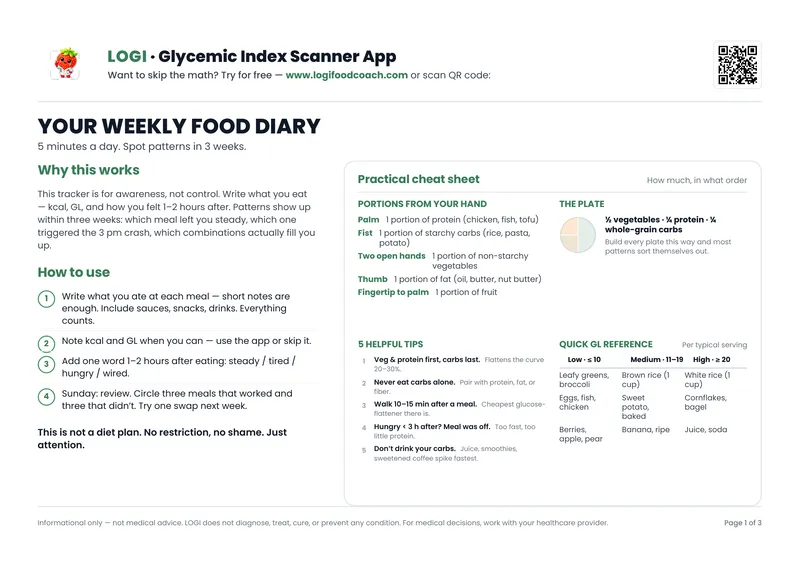
Free PDF — 3 pages
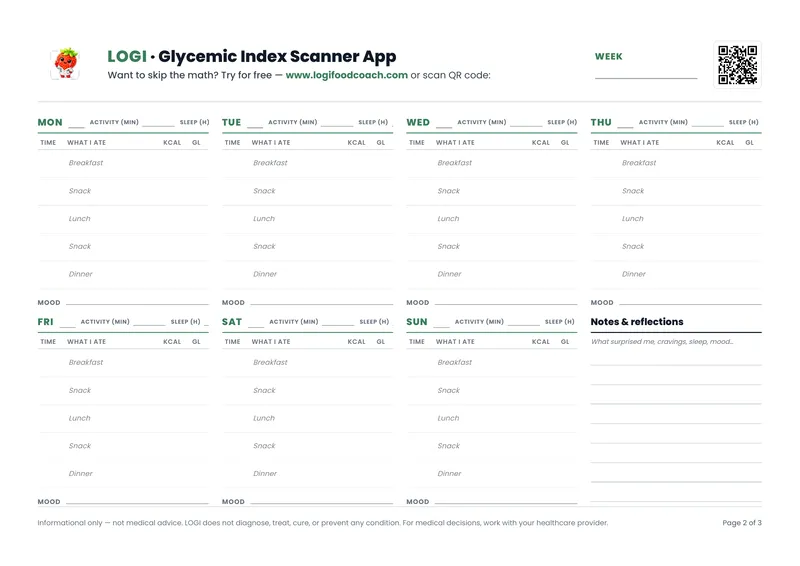
Your Weekly Food Journal
Track meals, glycemic load & mood. Spot patterns in 3 weeks.
No spam. Unsubscribe anytime.