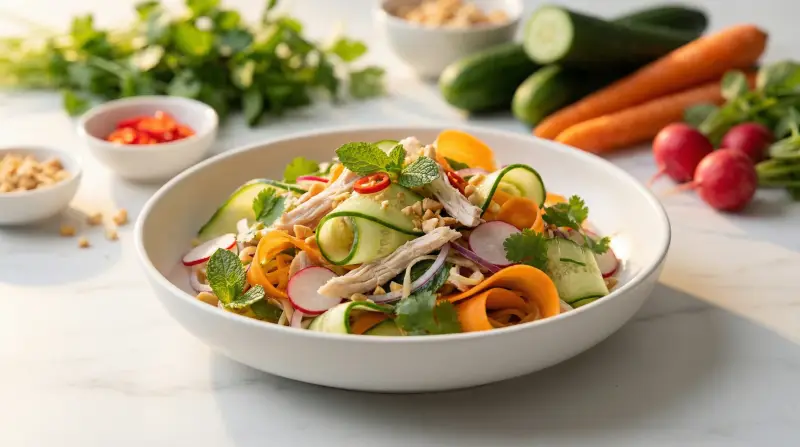
Low-Glycemic Vietnamese Chicken & Vegetable Noodle Bowl
A vibrant, blood sugar-friendly noodle bowl featuring shirataki noodles, lean chicken, and crisp vegetables tossed in a zesty lime-sesame dressing with fresh herbs.
This refreshing Vietnamese-inspired bowl transforms a traditional recipe into a blood sugar-friendly masterpiece by swapping high-GI rice noodles for shirataki noodles, which have virtually no impact on glucose levels. The combination of lean protein from chicken breast, healthy fats from sesame oil and peanuts, and abundant fiber-rich vegetables creates a perfectly balanced meal that keeps blood sugar stable while delivering authentic Southeast Asian flavors.
The secret to this dish's glycemic benefits lies in its thoughtful composition. Shirataki noodles, made from konjac root, contain glucomannan fiber that actually helps slow glucose absorption. The generous portions of raw vegetables—carrot, cucumber, and radish—provide additional fiber and nutrients while their crisp texture satisfies without spiking blood sugar. Fresh mint and chili add metabolism-boosting compounds, while the lime juice provides vitamin C and helps moderate the glycemic response.
For optimal blood sugar management, eat the vegetables first, then the protein, and finish with the noodles. This eating sequence has been shown to reduce post-meal glucose spikes by up to 40%. The healthy fats from peanuts and sesame oil further slow digestion, creating a sustained energy release that keeps you satisfied for hours without the blood sugar rollercoaster of traditional noodle dishes.
Blood Sugar Impact
Minimal blood sugar impact expected due to the extremely low glycemic load of 2.3 and shirataki noodles which contain virtually no digestible carbohydrates. This meal should provide stable energy for 4-5 hours without causing significant glucose spikes.
Blood Sugar Tips
- ✓ Eat the vegetables and protein first before the noodles to further slow any minimal carbohydrate absorption
- ✓ Add extra healthy fats like avocado or increase the peanuts to enhance satiety and extend stable energy
- ✓ Take a 10-15 minute walk after eating to support optimal glucose metabolism, though the impact will be minimal given the low glycemic load
🥗 Ingredients
- 200 g shirataki noodles (konjac noodles)
- 1 pcs medium carrot, peeled into ribbons
- 0.5 pcs cucumber, peeled into ribbons
- 2 pcs cooked chicken breasts, shredded
- 50 g radishes, thinly sliced
- 0.5 pcs red onion, finely sliced
- 15 g fresh mint leaves, picked
- 25 g natural roasted peanuts, roughly chopped
- 1 pcs small red chili, deseeded and finely chopped
- 1 pcs lime, zest and juice
- 1.5 tbsp fish sauce
- 1.5 tbsp low-sodium soy sauce
- 1.5 tbsp toasted sesame oil
- 7.1 oz shirataki noodles (konjac noodles)
- 1 pcs medium carrot, peeled into ribbons
- 0.5 pcs cucumber, peeled into ribbons
- 2 pcs cooked chicken breasts, shredded
- 1.8 oz radishes, thinly sliced
- 0.5 pcs red onion, finely sliced
- 0.5 oz fresh mint leaves, picked
- 0.9 oz natural roasted peanuts, roughly chopped
- 1 pcs small red chili, deseeded and finely chopped
- 1 pcs lime, zest and juice
- 1.5 tbsp fish sauce
- 1.5 tbsp low-sodium soy sauce
- 1.5 tbsp toasted sesame oil
👨🍳 Instructions
- 1
Prepare the shirataki noodles by draining them thoroughly and rinsing under cold water for 2 minutes to remove any residual odor. Pat dry with paper towels, then briefly blanch in boiling water for 2-3 minutes. Drain completely and set aside to cool.
- 2
While the noodles cool, prepare the dressing in a large serving bowl. Zest the lime directly into the bowl, then cut and squeeze out all the juice. Add the fish sauce, low-sodium soy sauce, and toasted sesame oil. Whisk vigorously until the dressing is well emulsified and slightly thickened.
- 3
Using a sharp vegetable peeler, create long ribbons from the carrot by peeling from top to bottom in smooth strokes. Continue until you reach the core. For the cucumber, peel ribbons in the same manner, stopping when you reach the seedy center. Discard the cucumber core as the seeds add excess moisture.
- 4
Add the cooled shirataki noodles to the bowl with the dressing and toss thoroughly to coat every strand. The noodles will absorb the flavors beautifully. Add the carrot ribbons, cucumber ribbons, thinly sliced radishes, and finely sliced red onion to the bowl.
- 5
Shred the cooked chicken breasts into bite-sized pieces using two forks or your hands, pulling along the grain of the meat. Add the shredded chicken to the bowl along with the picked mint leaves. Reserve a few mint leaves for garnish if desired.
- 6
Using your hands or salad tongs, gently but thoroughly toss all ingredients together, ensuring the dressing coats everything evenly. The vegetables should glisten and the colors should be vibrant and well distributed throughout the bowl.
- 7
Just before serving, roughly chop the roasted peanuts and finely chop the deseeded red chili. Scatter the peanuts and chili over the top of the salad. For optimal blood sugar control, serve immediately and encourage diners to eat the vegetables first, followed by the protein, then the noodles. This eating sequence helps minimize glucose spikes.
📊 Nutrition Per Serving
| Per Serving | Whole Dish | |
|---|---|---|
| Calories | 263 | 790 |
| Carbs | 13g | 40g |
| Sugars | 4g | 12g |
| Natural Sugars | 4g | 12g |
| Protein | 27g | 80g |
| Fat | 13g | 38g |
| Saturated Fat | 2g | 6g |
| Unsaturated Fat | 10g | 31g |
| Fiber | 5g | 15g |
| Soluble Fiber | 2g | 5g |
| Insoluble Fiber | 3g | 9g |
| Sodium | 1014mg | 3041mg |
Predicted Glucose Response
What if you...
Estimated model — individual responses vary. Not medical advice.
🔄 Lower GI Swaps
Raw carrots have a moderate GI of 35-40, while daikon, zucchini, and bean sprouts have negligible glycemic impact (GI <15), further reducing the already low glycemic load
While peanuts have a low GI of 14, macadamias (GI 10), pecans (GI 10), and almonds (GI 15) are slightly lower and contain more monounsaturated fats which help stabilize blood sugar response
Regular soy sauce may contain added sugars or wheat starches; coconut aminos and pure tamari have virtually zero carbohydrates and no glycemic impact while providing similar umami flavor
While red onion is relatively low-GI, using scallion greens, chives, or smaller amounts of shallots provides onion flavor with even less carbohydrate content and minimal blood sugar impact
🔬 The Science Behind This Recipe
Why This Bowl Keeps Your Blood Sugar Steady
This Vietnamese-inspired noodle bowl is a masterclass in blood sugar management, with a remarkably low glycemic load of just 2.3. The secret lies in shirataki noodles, made from konjac yam fiber, which contain virtually zero digestible carbohydrates. Unlike rice noodles or wheat pasta that can spike glucose levels, shirataki noodles pass through your digestive system almost unchanged, providing satisfying bulk without the blood sugar roller coaster. This means you get the comfort of a noodle dish without the metabolic consequences.
The supporting ingredients work synergistically to further stabilize your glucose response. Lean chicken breast provides high-quality protein that slows digestion and triggers the release of hormones that help regulate blood sugar. The fresh vegetables—carrots, cucumber, and radish—contribute fiber, water content, and beneficial plant compounds. While carrots contain some natural sugars, the small amount used here is offset by their fiber content and the overall composition of the meal. This combination of protein and fiber creates a "metabolic buffer" that prevents rapid glucose absorption.
To maximize the blood sugar benefits of this bowl, eat your vegetables and protein first, saving any higher-carb additions for last. The fiber and protein create a protective layer in your digestive tract that slows carbohydrate absorption. Consider taking a 10-15 minute walk after eating—muscle activity helps shuttle glucose into cells without requiring extra insulin. Remember, glycemic load accounts for both the quality and quantity of carbohydrates, which is why this generous, satisfying bowl scores so remarkably low while keeping you full for hours.
Related recipes
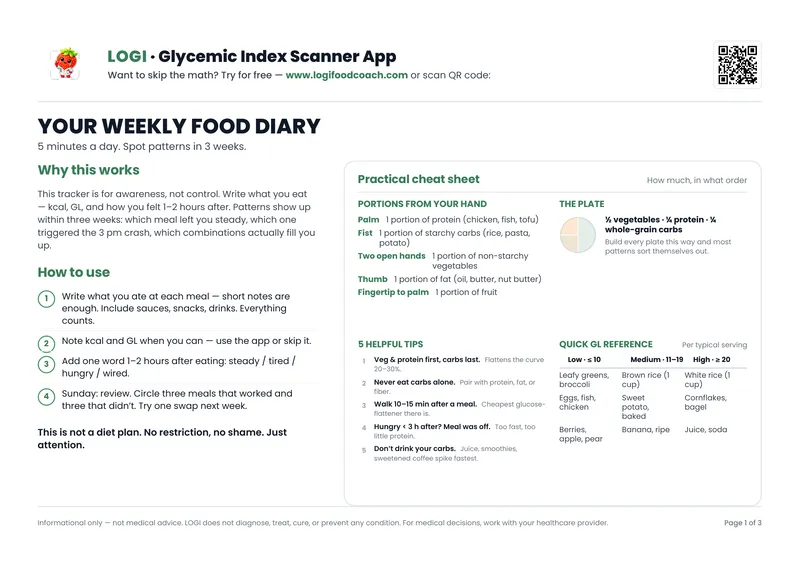
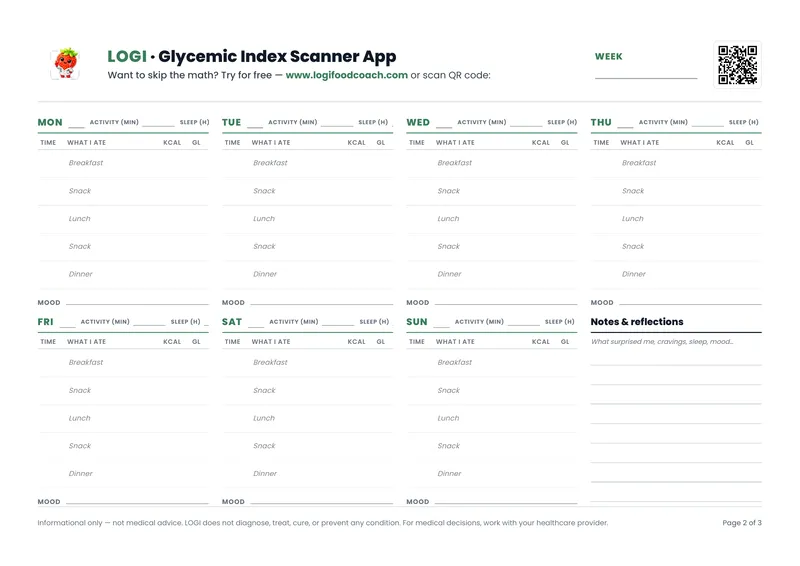
Free PDF — 3 pages
Your Weekly Food Journal
Track meals, glycemic load & mood. Spot patterns in 3 weeks.
No spam. Unsubscribe anytime.