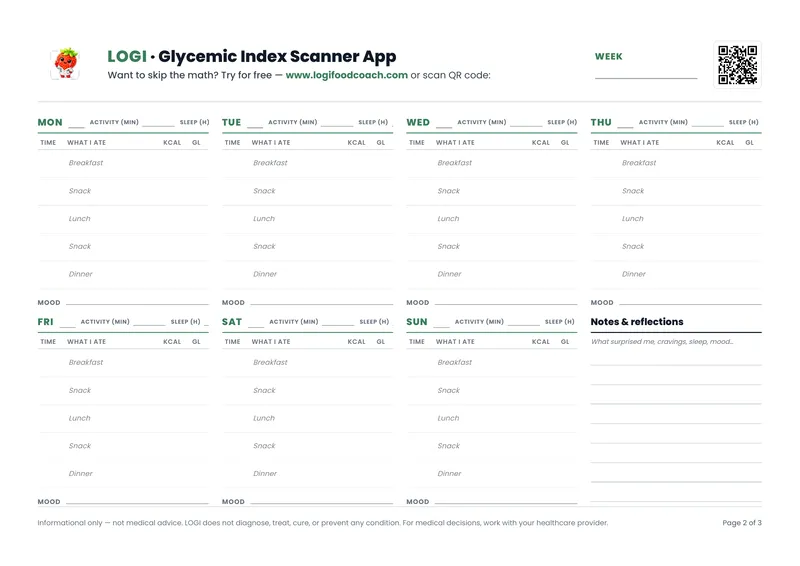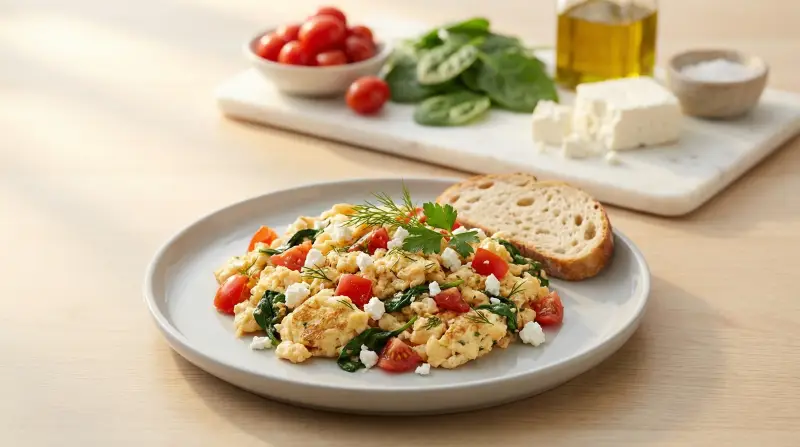
Mediterranean Veggie Feta Scramble
A protein-rich, low-GI breakfast featuring fluffy eggs, fresh vegetables, and tangy feta—perfect for stable blood sugar levels throughout your morning.
Start your day with this nutrient-dense Mediterranean-inspired scramble that keeps your blood sugar steady while delivering exceptional flavor. This recipe combines high-quality protein from eggs with fiber-rich vegetables and healthy fats from olive oil and feta cheese—a combination that slows glucose absorption and promotes sustained energy.
Eggs are a glycemic superstar with a GI of 26, providing complete protein that helps moderate blood sugar spikes from other foods. The spinach and tomato add essential vitamins, minerals, and fiber without raising glucose levels. Feta cheese contributes additional protein and healthy fats while adding a delicious tangy note. Paired with low-carb bread (typically 5-8g net carbs per slice), this meal keeps total carbohydrates minimal.
For optimal blood sugar management, eat the vegetables and eggs first, then finish with the toast. This eating sequence has been shown to reduce post-meal glucose spikes by up to 40%. The healthy fats from olive oil and cheese further slow digestion, creating a gentle, sustained release of energy that will carry you through your morning without the crash associated with high-GI breakfast options like sugary cereals or white toast.
Blood Sugar Impact
Minimal blood sugar impact expected due to the low glycemic load of 1.9 and GI of 26. The high protein from eggs and feta, combined with fiber from vegetables and low-carb bread, should provide stable energy for 3-4 hours without significant glucose spikes.
Blood Sugar Tips
- ✓ Eat the vegetables and eggs first before the low-carb bread to slow carbohydrate absorption and maximize the protein's blood sugar stabilizing effect
- ✓ Pair this meal with a 10-15 minute walk after eating to help muscles absorb glucose and further blunt any minor blood sugar rise
- ✓ Consider adding extra olive oil or a small handful of nuts to increase healthy fats, which will further slow digestion and promote sustained energy
🥗 Ingredients
- 3 pcs large eggs, lightly whisked
- 1 pcs small tomato, chopped
- 0.5 cup baby spinach, finely chopped
- 1 tbsp feta cheese, crumbled
- 1 tsp extra virgin olive oil
- 1 pcs salt and black pepper
- 1 pcs low-carb bread slice
- 3 pcs large eggs, lightly whisked
- 1 pcs small tomato, chopped
- 0.5 cup baby spinach, finely chopped
- 1 tbsp feta cheese, crumbled
- 1 tsp extra virgin olive oil
- 1 pcs salt and black pepper
- 1 pcs low-carb bread slice
👨🍳 Instructions
- 1
Crack the eggs into a small bowl and whisk lightly with a fork until the yolks and whites are just combined. Season with a pinch of salt and freshly ground black pepper.
- 2
Wash and finely chop the baby spinach leaves. Dice the tomato into small, bite-sized pieces, removing excess seeds if desired to prevent excess moisture.
- 3
Place the low-carb bread slice in the toaster and set it to your preferred darkness level. Start toasting now so it's ready when your scramble is complete.
- 4
Heat the olive oil in a non-stick frying pan over medium heat. Once the oil shimmers, add the chopped tomatoes and sauté for 2 minutes, stirring occasionally, until they begin to soften and release their juices.
- 5
Add the chopped spinach to the pan and stir for 30 seconds until it wilts and reduces in volume. The residual heat will cook it perfectly without overcooking.
- 6
Pour the whisked eggs over the vegetables, reducing the heat to medium-low. Let the eggs sit undisturbed for 20 seconds, then gently fold and stir with a spatula, creating soft curds. Continue cooking for 2-3 minutes until the eggs are softly set but still slightly creamy.
- 7
Remove the pan from heat immediately to prevent overcooking. Crumble the feta cheese over the top of the scramble and let it soften slightly from the residual heat. Transfer to a plate alongside your toasted low-carb bread and serve immediately for best texture and blood sugar benefits.
📊 Nutrition Per Serving
| Per Serving | Whole Dish | |
|---|---|---|
| Calories | 384 | 384 |
| Carbs | 9g | 9g |
| Sugars | 5g | 5g |
| Natural Sugars | 5g | 5g |
| Protein | 27g | 27g |
| Fat | 26g | 26g |
| Saturated Fat | 8g | 8g |
| Unsaturated Fat | 18g | 18g |
| Fiber | 4g | 4g |
| Soluble Fiber | 1g | 1g |
| Insoluble Fiber | 1g | 1g |
| Sodium | 875mg | 875mg |
Predicted Glucose Response
What if you...
Estimated model — individual responses vary. Not medical advice.
🔄 Lower GI Swaps
While tomatoes have a low GI, zucchini and bell peppers have even lower carbohydrate content and virtually zero glycemic impact, while mushrooms add bulk and nutrients with negligible effect on blood sugar
These cheeses have slightly lower lactose content than feta, resulting in an even more minimal impact on blood glucose levels while maintaining protein and fat content
Cloud bread (made from eggs and cream cheese) has zero net carbs, while almond flour and flaxseed options contain more fiber and healthy fats, resulting in virtually no glycemic response compared to even low-carb bread
While olive oil has no glycemic impact, avocado oil and grass-fed butter provide additional fat-soluble vitamins and may improve satiety, helping to further stabilize blood sugar levels throughout the morning
🔬 The Science Behind This Recipe
# Why This Recipe Keeps Your Blood Sugar Steady
This Mediterranean scramble is a blood sugar champion, and here's why: eggs are your metabolic best friend. With virtually zero carbohydrates and packed with high-quality protein and healthy fats, eggs create a powerful buffer against glucose spikes. When you eat protein and fat together, they slow down digestion dramatically—meaning any carbohydrates in your meal enter your bloodstream gradually rather than flooding it all at once. The feta cheese adds another layer of protein and fat, while the olive oil provides heart-healthy monounsaturated fats that further extend digestion time. This combination is why the glycemic load clocks in at an impressively low 1.9.
The vegetables play a supporting but crucial role. Spinach is loaded with fiber and magnesium, both of which help your cells respond better to insulin. Tomatoes, while containing some natural sugars, are also fiber-rich and provide minimal carbohydrates overall. The fiber in both vegetables slows the absorption of any glucose and helps you feel satisfied longer. This is a perfect example of how glycemic load matters more than glycemic index alone—even though tomatoes have some sugar, the total amount of carbohydrates in this dish is so low that the overall impact on blood sugar is negligible.
For maximum benefit, pair this scramble with a slice of whole-grain toast eaten last, after you've finished most of your eggs and vegetables. This "food sequencing" strategy can reduce the glucose spike from bread by up to 40%. A short 10-minute walk after eating will help your muscles absorb glucose even more efficiently, keeping your energy stable all morning.
Related recipes
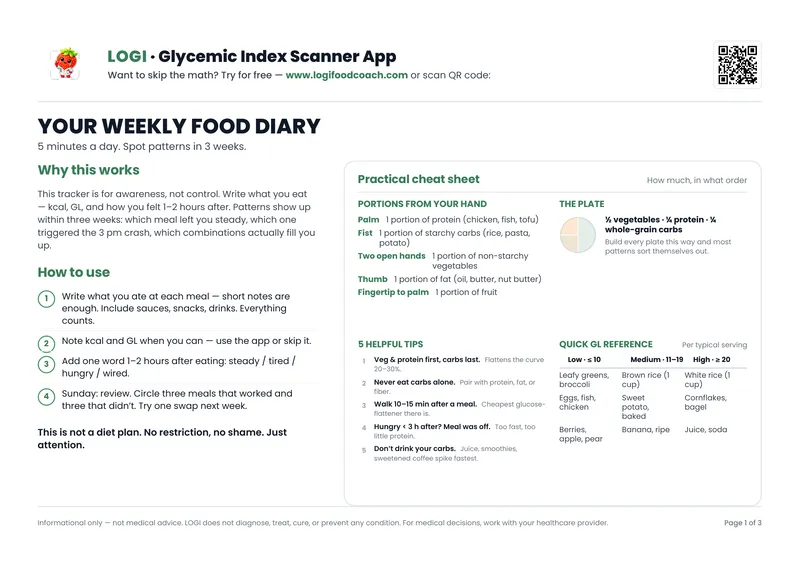
Free PDF — 3 pages
Your Weekly Food Journal
Track meals, glycemic load & mood. Spot patterns in 3 weeks.
No spam. Unsubscribe anytime.