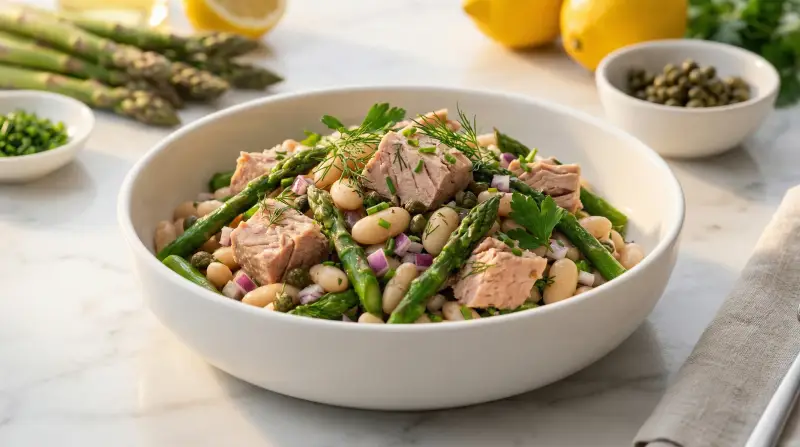
Mediterranean Tuna and White Bean Salad with Spring Asparagus
A protein-rich, low-glycemic Mediterranean salad combining tender asparagus, creamy cannellini beans, and omega-3 packed tuna for stable blood sugar.
This vibrant Mediterranean-inspired salad is a masterclass in blood sugar-friendly eating, combining lean protein from tuna with fiber-rich cannellini beans and crisp asparagus. The cannellini beans provide resistant starch and soluble fiber that slow glucose absorption, while the tuna delivers protein and omega-3 fatty acids that help stabilize insulin response. Asparagus adds chromium, a mineral that enhances insulin sensitivity, plus additional fiber to further moderate blood sugar impact.
The beauty of this dish lies in its simplicity and glycemic wisdom. By pairing protein-dense tuna with high-fiber beans, you create a meal that keeps blood sugar steady for hours. The red wine vinegar in the dressing contains acetic acid, which research shows can reduce post-meal glucose spikes by up to 20%. Fresh tarragon and capers add bold flavor without any glycemic load, while the modest amount of olive oil provides healthy monounsaturated fats that slow digestion.
This salad is ideal for lunch or a light dinner, especially when you need sustained energy without blood sugar fluctuations. The combination of protein, fiber, and healthy fats creates a low-glycemic powerhouse with an estimated glycemic load under 10 per serving. For optimal blood sugar control, eat the asparagus and beans first, then the tuna—this "vegetable-first" approach can reduce glucose response by 30%. Pair with a handful of nuts or serve over mixed greens for even more fiber and blood sugar benefits. Each serving provides approximately 1.5 cups of salad, making portion control easy for consistent blood sugar management.
Blood Sugar Impact
Minimal blood sugar impact expected due to the low glycemic index (22) and low glycemic load (6.2). The combination of protein from tuna, fiber from beans and asparagus, and healthy fats from olive oil will promote stable, sustained energy for 3-4 hours without significant glucose spikes.
Blood Sugar Tips
- ✓ Eat the asparagus and vegetables first before the beans to maximize fiber's blood sugar-blunting effect
- ✓ Add a tablespoon of extra virgin olive oil or a handful of nuts to further slow digestion and glucose absorption
- ✓ Consider pairing this meal with a 10-15 minute walk afterward to enhance insulin sensitivity and glucose uptake by muscles
🥗 Ingredients
- 400 g large bunch asparagus
- 320 g canned tuna steaks in water, drained
- 480 g canned cannellini beans in water, drained
- 1 pcs red onion, very finely chopped
- 2 tbsp capers, drained
- 1 tbsp extra virgin olive oil
- 1 tbsp red wine vinegar
- 2 tbsp fresh tarragon, finely chopped
- 14.1 oz large bunch asparagus
- 11.3 oz canned tuna steaks in water, drained
- 1.1 lb canned cannellini beans in water, drained
- 1 pcs red onion, very finely chopped
- 2 tbsp capers, drained
- 1 tbsp extra virgin olive oil
- 1 tbsp red wine vinegar
- 2 tbsp fresh tarragon, finely chopped
👨🍳 Instructions
- 1
Bring a large pot of water to a rolling boil over high heat. While waiting, trim the woody ends from the asparagus spears by snapping or cutting off the bottom 1-2 inches.
- 2
Add the trimmed asparagus to the boiling water and cook for 4-5 minutes until the spears are tender-crisp and bright green. Test doneness by piercing with a fork—it should slide in easily but the asparagus should still have some bite.
- 3
Drain the asparagus in a colander and immediately rinse under cold running water for 30-60 seconds to stop the cooking process and preserve the vibrant color. Once cooled, cut the spears into 2-inch finger-length pieces.
- 4
In a large serving bowl, combine the drained tuna, breaking it into chunky flakes with a fork. Add the drained cannellini beans, finely chopped red onion, and capers. Gently toss to distribute the ingredients evenly.
- 5
Add the cooled asparagus pieces to the bowl with the tuna mixture. Toss gently to combine, being careful not to break up the asparagus or mash the beans.
- 6
In a small bowl, whisk together the olive oil, red wine vinegar, and finely chopped fresh tarragon until well combined. The vinegar will help emulsify with the oil to create a light dressing.
- 7
Pour the tarragon dressing over the salad and toss gently but thoroughly to coat all ingredients. Taste and adjust seasoning if needed—the capers provide saltiness, so additional salt may not be necessary.
- 8
Cover and refrigerate for at least 15-20 minutes to allow flavors to meld, or up to 4 hours for meal prep. Serve chilled or at room temperature. For optimal blood sugar control, eat the vegetables and beans first, followed by the protein-rich tuna.
📊 Nutrition Per Serving
| Per Serving | Whole Dish | |
|---|---|---|
| Calories | 271 | 1085 |
| Carbs | 25g | 100g |
| Sugars | 4g | 17g |
| Natural Sugars | 4g | 17g |
| Protein | 32g | 129g |
| Fat | 5g | 21g |
| Saturated Fat | 1g | 4g |
| Unsaturated Fat | 4g | 17g |
| Fiber | 9g | 37g |
| Soluble Fiber | 1g | 3g |
| Insoluble Fiber | 2g | 7g |
| Sodium | 187mg | 747mg |
Predicted Glucose Response
What if you...
Estimated model — individual responses vary. Not medical advice.
🔄 Lower GI Swaps
Black soybeans have a GI of 15 compared to cannellini beans' GI of 31, edamame has a GI of 15, and lupini beans have a GI of 15, all significantly lowering the glycemic impact while maintaining protein and fiber content.
Scallions and chives have minimal carbohydrate content and virtually no glycemic impact, while shallots contain fewer sugars than red onions, all helping to reduce the overall glycemic load of the dish.
Apple cider vinegar has been shown to improve insulin sensitivity and reduce post-meal blood sugar spikes by 20-30%, while lemon juice provides acidity with minimal sugar and added vitamin C that may help regulate glucose metabolism.
🔬 The Science Behind This Recipe
Why This Recipe Keeps Your Blood Sugar Steady
This Mediterranean salad is a masterclass in blood sugar management, with a remarkably low glycemic load of just 6.2. The secret lies in how its ingredients work together to slow glucose absorption. Cannellini beans, while containing carbohydrates, are packed with soluble fiber and resistant starch that create a gel-like substance in your digestive tract, dramatically slowing the release of glucose into your bloodstream. When you pair these beans with protein-rich tuna, you're adding another layer of protection—protein triggers the release of hormones that help regulate blood sugar and keeps you feeling satisfied longer, preventing the energy crashes that lead to cravings.
The asparagus in this recipe contributes more than just vitamins and minerals. Its high fiber content (both soluble and insoluble) further slows digestion, while its low carbohydrate density means you can enjoy a generous portion without impacting your glucose levels. The healthy fats from olive oil in the dressing are equally important—they slow gastric emptying, meaning food moves more gradually from your stomach to your intestines, resulting in a gentler, more sustained release of energy rather than a sharp spike.
Here's a practical tip to maximize these benefits: eat your asparagus first, then the tuna and beans. Research shows that consuming vegetables before carbohydrates can reduce post-meal glucose spikes by up to 73%. The combination of fiber, protein, and healthy fats in this dish means your body processes it like a time-release energy capsule rather than a quick sugar hit, keeping your blood sugar stable for hours after eating.
Related recipes
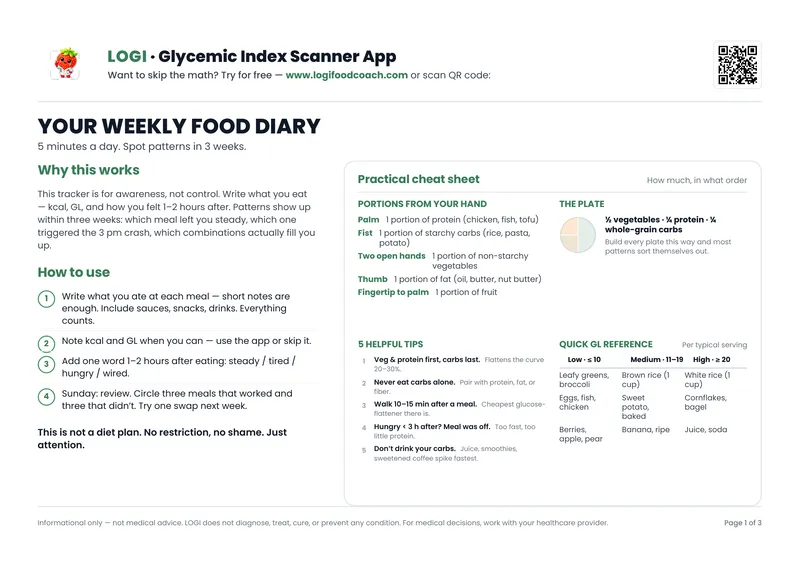
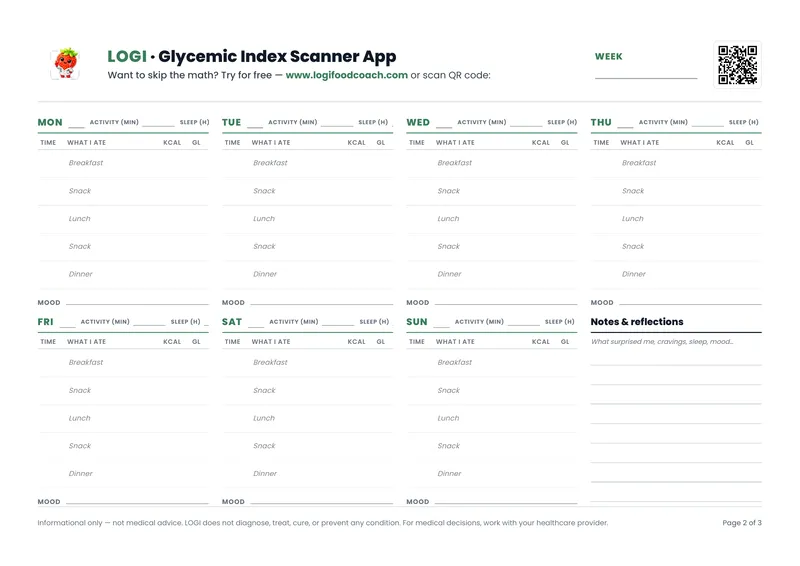
Free PDF — 3 pages
Your Weekly Food Journal
Track meals, glycemic load & mood. Spot patterns in 3 weeks.
No spam. Unsubscribe anytime.