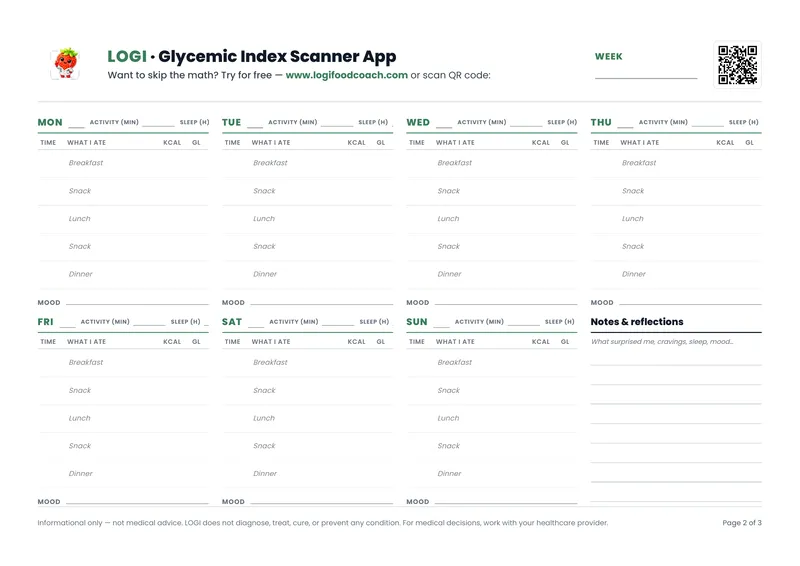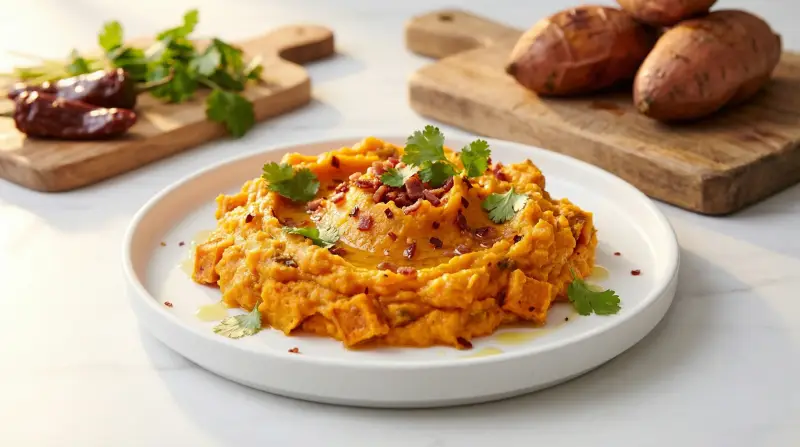
Roasted Sweet Potato & Chipotle Mash
Creamy roasted sweet potato mash infused with smoky chipotle and tangy soured cream—a blood sugar-friendly alternative to traditional mashed potatoes.
This vibrant sweet potato mash offers a delicious low-glycemic alternative to conventional potato sides. Sweet potatoes have a significantly lower glycemic index (around 44-61 depending on preparation) compared to white potatoes (85+), making them an excellent choice for stable blood sugar levels. Roasting the sweet potatoes whole intensifies their natural sweetness while preserving fiber content that slows glucose absorption. The addition of soured cream and butter provides healthy fats that further moderate the glycemic response.
The smoky heat from chipotle paste adds depth and complexity without compromising blood sugar management. This dish pairs beautifully with lean proteins like grilled chicken or fish—eating protein alongside carbohydrates helps minimize glucose spikes. For optimal glycemic control, consider starting your meal with a small salad or non-starchy vegetables before enjoying this mash.
Rich in beta-carotene, fiber, and potassium, sweet potatoes support overall metabolic health while satisfying comfort food cravings. The roasting method creates a creamy texture without excess added fats, and the whole-food preparation keeps processing minimal—both factors that contribute to better blood sugar outcomes. Each serving provides approximately 250g of mash, delivering a glycemic load of 28.8 when consumed as part of a balanced meal with protein and non-starchy vegetables. The moderate GI of 50 combined with portion control and the fat content from dairy helps maintain steady blood sugar levels throughout your meal.
Blood Sugar Impact
Moderate blood sugar impact expected. The glycemic load of 28.8 indicates this meal will cause a noticeable rise in blood sugar over 2-3 hours, though the fat from butter and sour cream will slow absorption somewhat.
Blood Sugar Tips
- ✓ Add a protein source like grilled chicken, fish, or beans to significantly lower the overall glycemic response and improve satiety
- ✓ Eat a small green salad with olive oil dressing before the mash to slow carbohydrate absorption through increased fiber
- ✓ Take a 15-minute walk after eating to help muscles absorb glucose and reduce the blood sugar spike by up to 30%
🥗 Ingredients
- 1000 g large sweet potatoes
- 1 tbsp chipotle paste
- 125 ml soured cream
- 25 g butter
- 2.2 lb large sweet potatoes
- 1 tbsp chipotle paste
- 8 tbsp soured cream
- 0.9 oz butter
👨🍳 Instructions
- 1
Preheat your oven to 200°C (180°C fan/400°F/gas mark 6). Scrub the sweet potatoes clean under running water and pat them dry with a kitchen towel.
- 2
Pierce each sweet potato several times with a fork to allow steam to escape during roasting. Place them directly on the oven rack or on a baking sheet lined with parchment paper.
- 3
Roast the sweet potatoes for 45-50 minutes, turning them halfway through, until they feel very tender when gently squeezed with an oven mitt or when a knife slides through easily with no resistance.
- 4
Remove the roasted sweet potatoes from the oven and let them cool for 3-4 minutes until safe to handle. Carefully peel away the skins—they should slip off easily—and place the flesh into a large mixing bowl.
- 5
Mash the sweet potato flesh with a potato masher or fork until smooth and creamy, breaking up any remaining lumps. For an ultra-smooth texture, you can use a ricer or food mill.
- 6
Add the chipotle paste, soured cream, and butter to the mashed sweet potato. Stir vigorously until all ingredients are thoroughly combined and the mixture is creamy and uniform in color.
- 7
Taste and adjust seasoning with sea salt and freshly ground black pepper as desired. The chipotle paste provides heat, so if you prefer a milder flavor, start with half the amount and add more gradually to suit your taste.
- 8
Serve immediately while hot, or keep warm in a covered dish. This mash pairs excellently with grilled proteins and green vegetables for a balanced, blood sugar-friendly meal. Each serving is approximately 250g or 1 cup, which provides the stated glycemic load when paired with adequate protein and fiber from vegetables.
📊 Nutrition Per Serving
| Per Serving | Whole Dish | |
|---|---|---|
| Calories | 327 | 1308 |
| Carbs | 52g | 210g |
| Sugars | 12g | 48g |
| Added Sugars | 0g | 1g |
| Natural Sugars | 12g | 47g |
| Protein | 5g | 20g |
| Fat | 12g | 46g |
| Saturated Fat | 7g | 26g |
| Unsaturated Fat | 5g | 20g |
| Fiber | 8g | 31g |
| Sodium | 219mg | 878mg |
Predicted Glucose Response
What if you...
Estimated model — individual responses vary. Not medical advice.
🔄 Lower GI Swaps
Mixing sweet potato with cauliflower significantly reduces the glycemic load while maintaining creamy texture. Butternut squash offers similar nutritional benefits with marginally better blood sugar response.
Greek yogurt adds protein which helps slow carbohydrate absorption and reduces glycemic impact. Coconut cream provides similar fat content for those avoiding dairy while maintaining the creamy texture.
Olive oil provides anti-inflammatory monounsaturated fats that support cardiovascular health alongside blood sugar management. Ghee offers similar fat content with potentially better digestibility for those sensitive to dairy proteins.
Smoked paprika with cayenne provides the smoky depth without the intensity of chipotle for those preferring milder heat. Harissa offers comparable spice level with Mediterranean flavor notes while maintaining zero glycemic impact.
🔬 The Science Behind This Recipe
Sweet potatoes are an excellent choice for blood sugar management due to their moderate glycemic index (50) and rich fiber content. When roasted whole with the skin on, the fiber remains intact and slows the absorption of glucose into your bloodstream, preventing rapid blood sugar spikes. The resistant starch formed during cooking further enhances this effect by feeding beneficial gut bacteria and improving insulin sensitivity over time. Adding healthy fats from butter and soured cream creates a more gradual glucose release, as fat slows gastric emptying and carbohydrate digestion. The glycemic load of 28.8 per serving is considered moderate, meaning this dish will raise blood sugar gradually over 2-3 hours rather than causing a sharp spike. For optimal blood sugar control, always pair this mash with lean protein (chicken, fish, tofu) and non-starchy vegetables, which further reduce the overall glycemic impact of your meal. Portion control is key—stick to the recommended 250g serving size and avoid second helpings to keep your blood sugar steady.
Related recipes
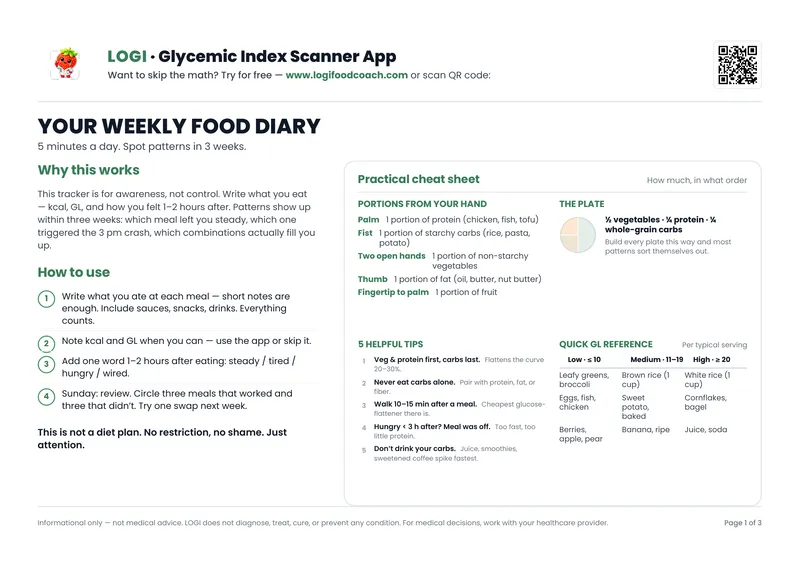
Free PDF — 3 pages
Your Weekly Food Journal
Track meals, glycemic load & mood. Spot patterns in 3 weeks.
No spam. Unsubscribe anytime.